+86-13989680588
 graylin@hongjiavalve.com
 Get a quote

 English
 русский
 Deutsch
Submit feedback
Why Industrial Radiator Valve Improves Heating Control
Author: Hongjia
Date: Aug 25, 2026
Heating in an industrial or commercial building rarely works as a single uniform process. Different rooms can have different sizes, uses, insulation conditions, and heat requirements, so sending the same amount of heated fluid through every radiator may not produce an even indoor environment.
Flow regulation provides a way to adjust heat delivery closer to the actual needs of each area. When more heated fluid passes through a radiator, heat output can increase. Reducing the flow can lower heat delivery when a room already has enough warmth.
Such adjustment becomes useful in buildings with several heating points. A storage area may need less heat than a workroom, while an office or occupied space may respond differently again. Without local control, heating equipment can continue receiving a similar flow even when room conditions change.
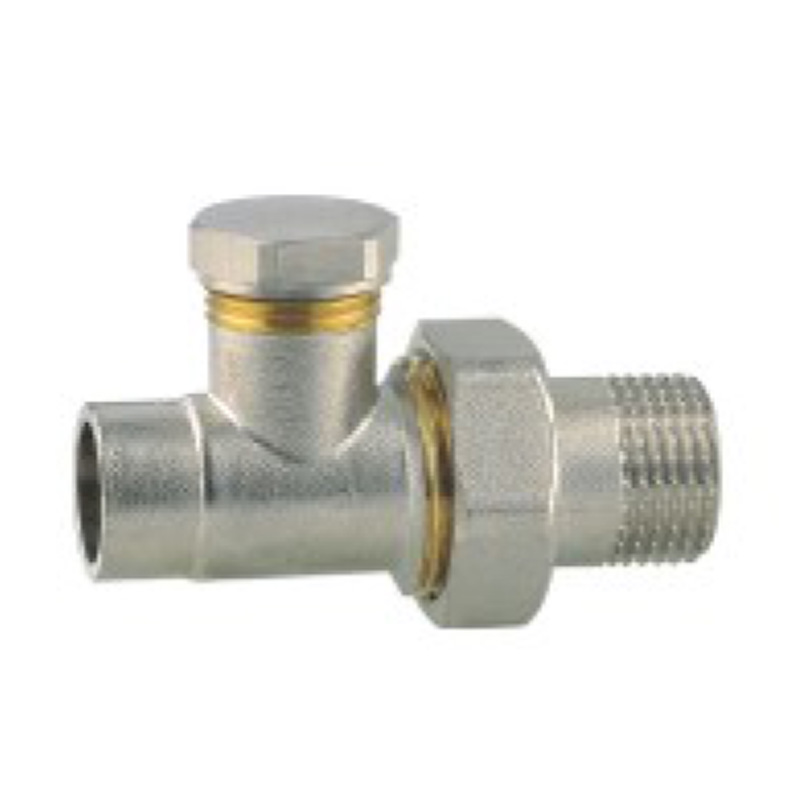
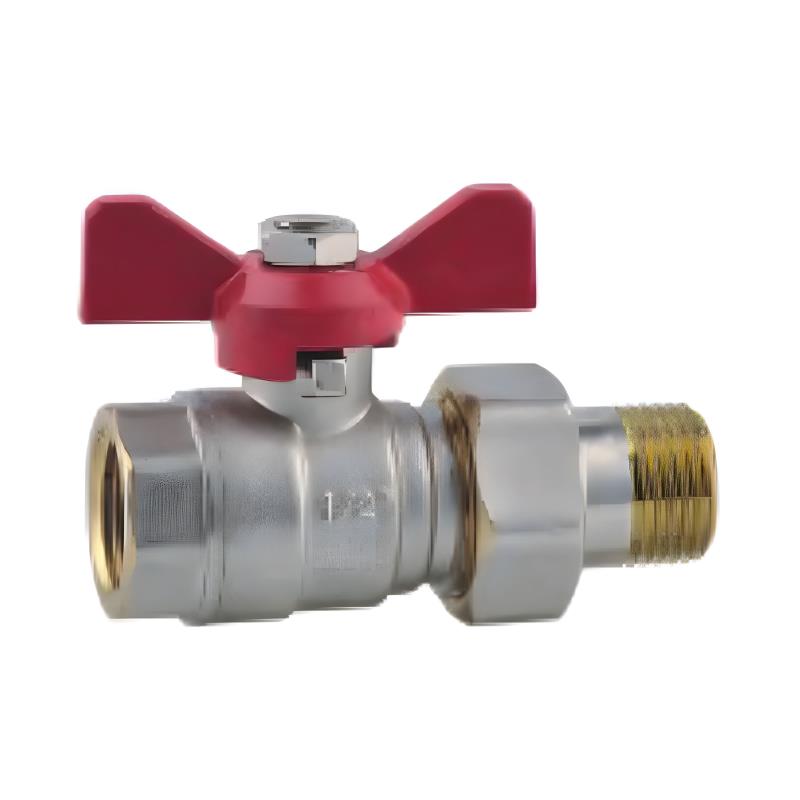
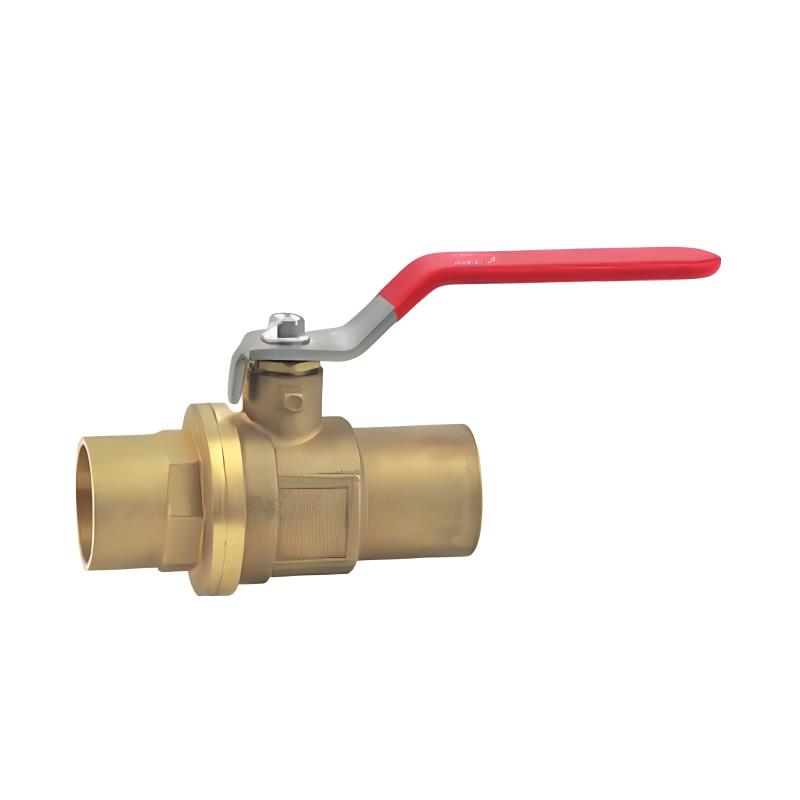
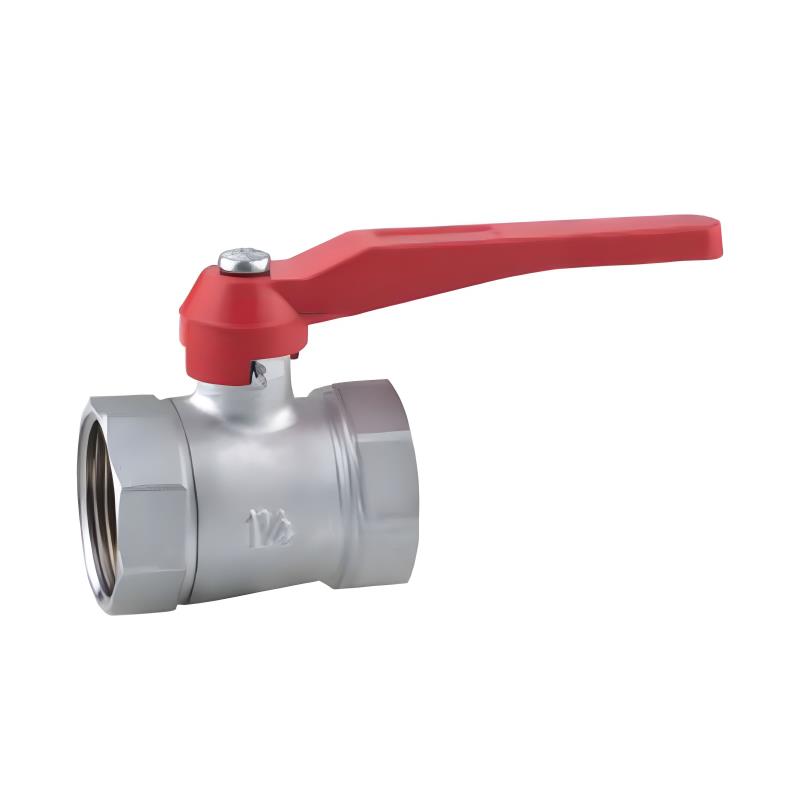
An Industrial Radiator Valve provides a practical point for controlling that flow. Rather than treating an entire heating installation as one fixed unit, local adjustment allows individual heating sections to respond to different conditions.
Several factors can influence heating demand:
- Room size and layout
- Use of the space
- Indoor occupancy
- Heat loss through walls and openings
- Outdoor conditions
- Operating schedules
- Position of nearby heat sources
Flow control does not replace proper heating system design. Its role is to provide adjustment within a system that has already been planned for the building and its heating requirements.
How Does A Valve Change Heat Distribution
A radiator receives heated fluid through connected pipework. Inside the heating system, fluid movement carries heat from the source toward individual heating units, where heat is transferred into surrounding air.
A valve can alter how much fluid enters or passes through a radiator. Opening the passage further allows greater flow, while reducing the opening limits flow. Such a simple mechanical action can change how much heat reaches a particular area.
Manual adjustment is useful where heating demand remains relatively predictable. A person can reduce flow in a room that needs less warmth or increase it when additional heating is required.
Temperature‑responsive control follows a different approach. Instead of relying entirely on repeated manual adjustment, a suitable control component can respond to changes around the heating area and adjust flow accordingly.
For example, sunlight entering a room through windows may raise indoor temperature even though the heating system continues operating. Additional heat may no longer be necessary, so reducing flow can help prevent unnecessary heat delivery.
Local control can therefore create a closer relationship between:
Heating demand → Flow adjustment → Heat delivery → Indoor condition
Such a relationship is useful because heat demand does not remain fixed throughout normal building operation. A room may need more heating during one period and less during another.
What Makes Industrial Heating Different From Ordinary Room Heating
Industrial heating environments can contain a mixture of work areas, storage spaces, offices, corridors, and service rooms. Each location may have a different purpose, creating different expectations for temperature and heating response.
Large buildings can also contain longer pipe runs and multiple heating points. Heat distribution may become harder to manage when several radiators operate under different conditions.
A production area with people working for long periods may require a different heating pattern from a storage room that is rarely occupied. An entrance area may lose heat more quickly because doors open frequently, while an internal room may retain warmth for longer.
Such differences make local adjustment useful.
Heating requirements can change because of:
- Changes in room use
- Doors opening and closing
- Equipment generating additional heat
- Variations in occupancy
- Changes in outdoor temperature
- Different operating periods
A fixed heating setting may not respond well to every situation. Local flow control gives operators another way to adjust individual heating points without changing the entire installation.
System size also affects maintenance and adjustment. In a small building, a person may easily notice temperature differences between rooms. In a larger facility, local differences can be less obvious until workers report discomfort or certain areas become noticeably warmer or cooler.
For industrial applications, valve selection therefore needs to consider the complete heating arrangement rather than focusing on the component alone.
How Can Local Temperature Control Improve System Operation
Local temperature control can help heating systems respond more closely to actual conditions. Instead of delivering similar heat to every room, individual areas can receive an amount that better matches their current needs.
Imagine several rooms connected to one heating system. One room receives strong sunlight during part of the day, another remains shaded, and a third has doors opening frequently. Equal flow through all three radiators may create different indoor results.
Adjustment at each heating point can help compensate for such differences.
A practical arrangement may work around several simple principles:
- Reduce flow where heat demand is low
- Allow greater flow where additional heating is needed
- Adjust settings as room use changes
- Avoid unnecessary changes to areas that already feel comfortable
- Keep control accessible for inspection and adjustment
Local control can also support more stable operation. When each heating point receives a suitable flow, the system has a clearer path toward distributing heat according to actual demand.
Such control does not mean every room needs constant adjustment. Frequent manual changes can become inconvenient and may indicate that the heating arrangement needs further assessment. A suitable setting should provide reasonable operation under normal conditions, with adjustments made when the building's use changes.
Another consideration is user behavior. In shared industrial or commercial buildings, different people may adjust valves according to personal comfort. Clear operating guidance can help prevent excessive adjustment and maintain a more consistent heating pattern.
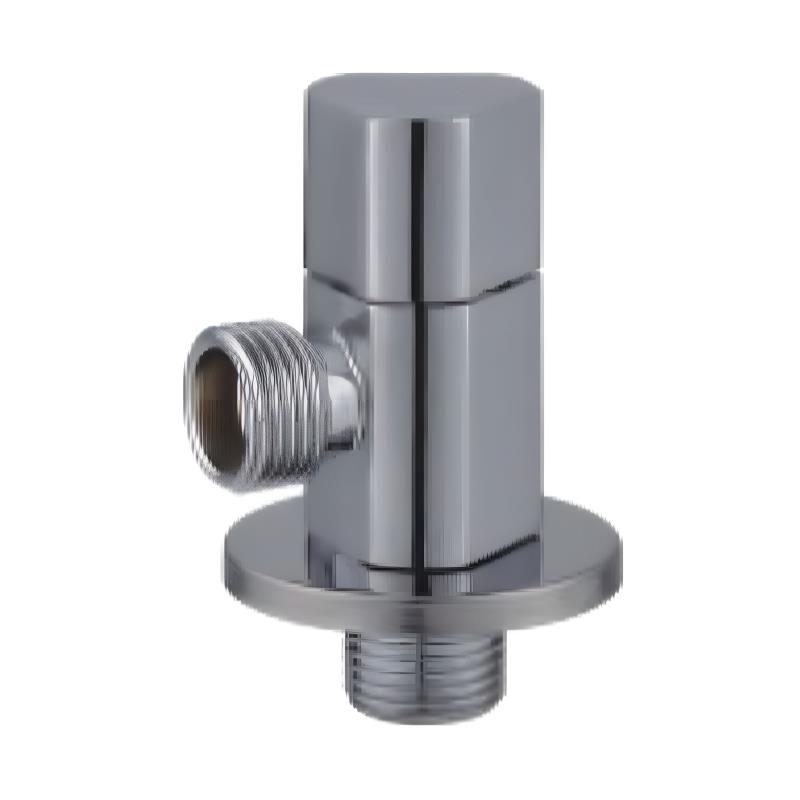
Which Valve Features Affect Heating Control
Valve design influences how easily heating flow can be managed. Selection should start with the heating system and intended application rather than with the appearance of the component.
Manual adjustment provides a direct method. It may suit areas where heating demand changes slowly and staff can access the valve when adjustment becomes necessary.
Temperature‑responsive control offers another approach. Such a component can react to changes in the surrounding environment and alter flow without requiring constant manual intervention.
Connection arrangement is also important. Pipe size, connection position, installation direction, and available space all influence whether a selected component can be fitted correctly.
| Feature | Main Role In Heating Control |
|---|---|
| Manual Adjustment | Allows direct flow changes |
| Temperature Response | Reacts to surrounding temperature changes |
| Flow Regulation | Controls heating fluid movement |
| Connection Type | Supports suitable pipe installation |
| Installation Position | Affects access and operation |
| Maintenance Access | Makes inspection and adjustment easier |
Operating conditions deserve equal attention. Heat, moisture, dust, vibration, and limited access can all affect the practical requirements of a heating installation.
A valve used in a clean office environment may face different surroundings from one installed in an industrial workspace. Selection therefore needs to account for the location as well as the heating function.
Compatibility with existing pipework and control arrangements is another important point. Replacing one component without checking the surrounding system can create fitting or operating problems.
A suitable choice should therefore connect several considerations: flow requirements, installation space, operating conditions, connection arrangement, and maintenance needs. Such an approach reduces the chance of selecting a component based only on a single feature.
How Does Proper Flow Balance Affect Multiple Heating Units
When several radiators share one heating system, heat distribution can become uneven when flow is not properly adjusted. A unit located close to the heat source may receive a different flow from another unit positioned farther away, especially in a system with several branches.
Such differences can create noticeable temperature changes between rooms. One area may become warmer than expected while another remains cooler even though both heating units are connected to the same source.
Flow balancing aims to bring the distribution closer to the needs of each heating section. Adjustment does not mean every radiator must receive identical flow. Different rooms can require different amounts of heat, so the useful target is a suitable distribution rather than equal distribution.
Several conditions can influence flow:
- Pipe arrangement
- Distance from the heat source
- Number of connected radiators
- Valve settings
- Room heat requirements
- Changes in system operation
Adjustment should be carried out with the complete system in mind. Changing one valve can influence conditions elsewhere, particularly in systems where several heating units share the same pipework.
Signs of an uneven arrangement may include persistent temperature differences, slow heating in certain areas, or repeated manual adjustment. Such signs do not automatically indicate a valve problem, since pipework, insulation, heat source operation, and other parts of the system can also affect results.
A balanced arrangement gives operators a clearer basis for controlling individual rooms. Once flow conditions are suitable, local valves can make smaller adjustments without constantly compensating for an uneven distribution pattern.
What Should Be Considered When Selecting An Industrial Radiator Valve
Selection should begin with the actual heating installation. A component that fits physically may still be unsuitable when its operating conditions do not match the system.
Connection details need careful checking. Pipe arrangement, connection position, available installation space, and direction of flow can all affect installation. Space around the valve also matters because future inspection or adjustment may require direct access.
Heating conditions should be considered at the same time. The type of heating fluid, operating temperature, pressure conditions, and surrounding environment influence material and construction requirements.
A useful selection process can follow several questions:
- What type of heating system is already installed?
- How does heating demand change during normal operation?
- Where will the valve be installed?
- How will flow be adjusted?
- Is manual or temperature‑responsive control appropriate?
- Can maintenance personnel reach the component easily?
- Does the selected connection match the existing pipework?
A Radiator Valve Supplier may need information about the intended application before recommending a suitable configuration. Pipe details and operating conditions provide more useful guidance than simply describing the size or general appearance of a heating component.
Replacement work deserves similar care. Removing an existing valve and installing another without checking the complete arrangement can create leakage, fitting, or control problems.
Material selection can also vary according to the working environment. A component installed near moisture or in an area exposed to dust may require different considerations from one placed in a controlled indoor space.
Selection is therefore part of system planning. The valve should work with the surrounding pipework, heating source, control method, and maintenance routine.
How Does Installation Affect Heating Control
Correct installation has a direct relationship with heating performance. Even a suitable valve may not provide the intended control when connection, orientation, or sealing is handled incorrectly.
Before installation, the heating section should be isolated according to the procedures required for the system. Qualified personnel need to confirm that the relevant pipework is safe to work on and that pressure and temperature conditions are suitable for maintenance.
Connection points should be clean and properly prepared. Poor sealing can lead to leakage, while incorrect fitting may place unnecessary stress on the valve or connected pipework.
Flow direction deserves attention where the component design requires a specific direction. Installing a valve against its intended flow path can affect operation and may create unnecessary resistance within the system.
Positioning also affects daily use. A control that is hidden behind equipment or placed in a difficult‑to‑reach location may be technically installed yet inconvenient to adjust or inspect.
After installation, several areas can be checked:
- Connection condition
- Sealing around joints
- Valve movement
- Flow direction where applicable
- Pipe support
- Accessibility
- Signs of leakage
- Heating response after operation begins
Testing should take place under suitable operating conditions. Sudden temperature changes, unusual sounds, leakage, or abnormal valve movement should be investigated rather than ignored.
Installation quality is therefore part of heating control. Selection, fitting, testing, and later adjustment need to work together rather than being treated as separate tasks.
How Can A Radiator Valve Supplier Support Different Applications
Heating installations vary from one building to another, so a supplier may need to work from application information rather than a simple product request.
An industrial facility can contain different rooms, pipe layouts, and heating schedules. A commercial building may have areas with changing occupancy, while a workshop can experience additional heat from operating equipment. Each situation can influence the way local heating control is arranged.
A Radiator Valve Supplier can support application planning by providing information about connection arrangements, operating conditions, adjustment methods, installation requirements, and maintenance.
Clear product information is particularly useful when the supplier and installer are different parties. Installation personnel need to know how a component is intended to fit into the surrounding system, while maintenance staff need access to information about inspection and adjustment.
Application communication can focus on:
- Pipe connection requirements
- Operating conditions
- Installation position
- Flow direction
- Adjustment method
- Maintenance access
- Environmental conditions
Such communication can reduce the chance of choosing a component based on a single specification.
Production can also respond to different installation needs. A Radiator Valve Supplier working with varied industrial applications may encounter requests involving different pipe layouts, control methods, or environmental conditions. Understanding those differences can help connect production decisions with practical installation requirements.
From an industry perspective, heating control is gradually becoming more closely linked with application conditions. Components are not simply considered as individual parts; their role within the wider heating system has become an important part of selection and configuration.
How Should Heating Valves Be Maintained During Operation
Routine maintenance helps keep heating control predictable. Inspection does not necessarily require complicated procedures. Simple checks can identify visible problems and changes in normal operation.
A valve can be inspected for leakage, unusual movement, corrosion, damaged surfaces, or other visible changes. Nearby pipe connections should receive attention as well because a problem around the joint can sometimes appear to originate from the valve itself.
Adjustment components should remain accessible. Covering a valve with insulation or placing equipment directly in front of it may make later inspection difficult, so installation planning should leave reasonable working space.
Changes in heating response can provide useful clues. A room that suddenly becomes cooler despite a normal heating schedule may have a flow problem, a control issue, or another system‑related cause. Repeated adjustment without improvement suggests that the wider installation may need inspection.
Maintenance routines can include:
- Visual checks for leakage
- Inspection of connection points
- Checking adjustment movement
- Observing heating response
- Keeping access areas clear
- Checking surrounding pipework
- Recording recurring operating problems
Cleaning around accessible surfaces can help keep controls easy to operate, especially in industrial areas where dust or other particles may accumulate.
Maintenance should not involve forcing a stiff adjustment mechanism. Unusual resistance can indicate an internal or connection problem, and excessive force may damage the component or connected pipework.
Where repair or replacement is required, the heating section should be isolated using appropriate procedures. Work involving pressurized or heated systems should be handled by qualified personnel.
Regular inspection also provides information about wider system behavior. Recurring temperature differences, repeated valve adjustments, or leakage around several connection points may indicate a system‑level issue rather than a single faulty component.
Heating control works through interaction between the heat source, pipework, radiators, valves, and room conditions. An Industrial Radiator Valve provides one point of adjustment within that wider arrangement, allowing heat flow to be changed according to local requirements.
Practical results depend on suitable selection, correct installation, balanced distribution, and regular inspection. When those elements are considered together, local heating control becomes easier to manage across different industrial and commercial spaces.