+86-13989680588
 graylin@hongjiavalve.com
 Get a quote

 English
 русский
 Deutsch
Submit feedback
Tips for Installing Industrial Brass Fittings Correctly
Author: Hongjia
Date: Aug 21, 2026
A plumbing connection can look simple from the outside, while several small installation details affect how the joint behaves after assembly. Pipe alignment, thread condition, sealing, tightening, and access around the connection all deserve attention during installation.
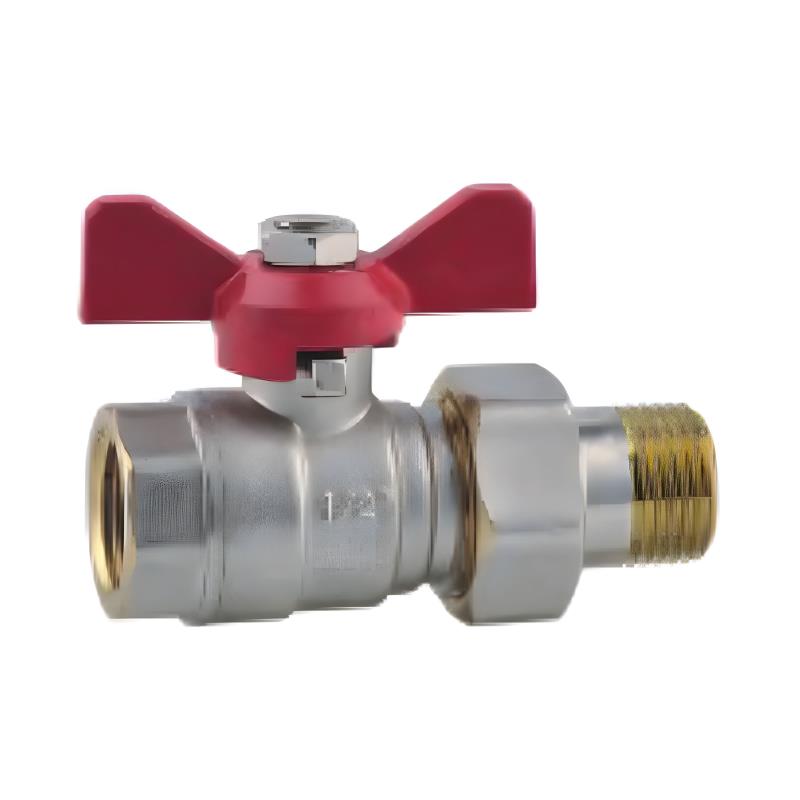
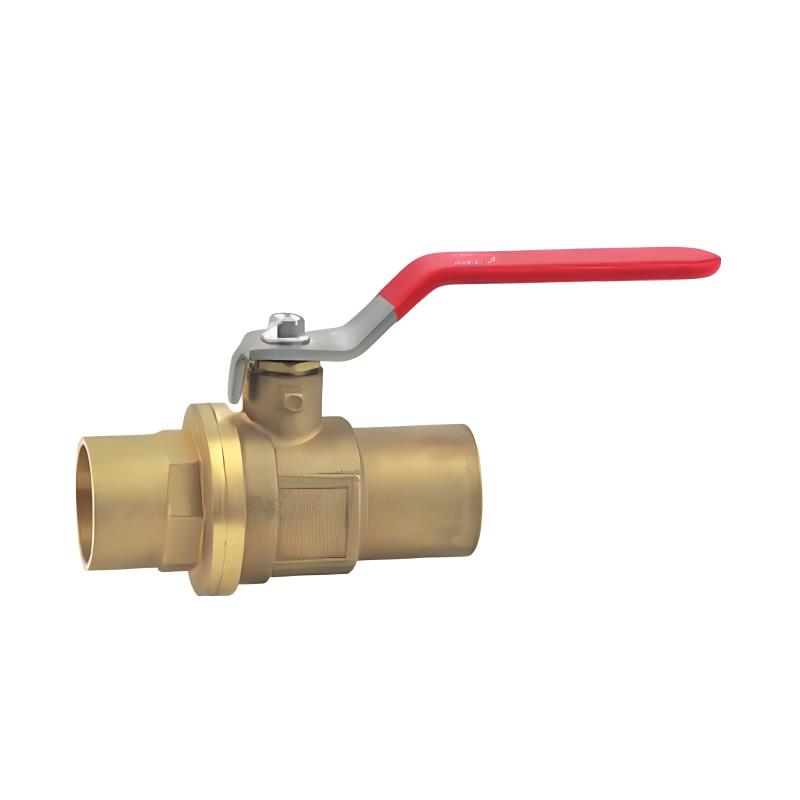
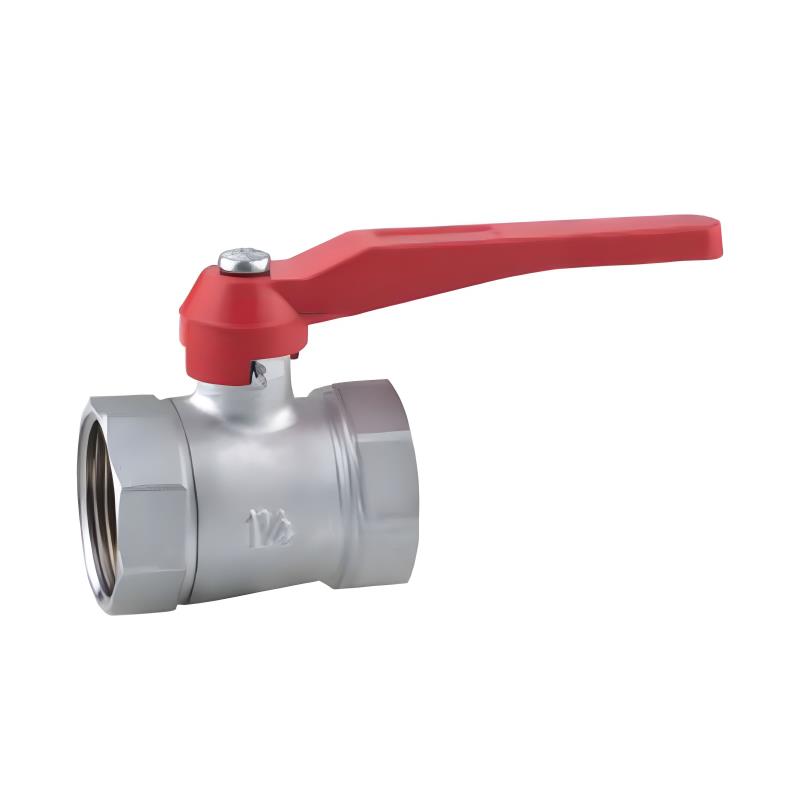
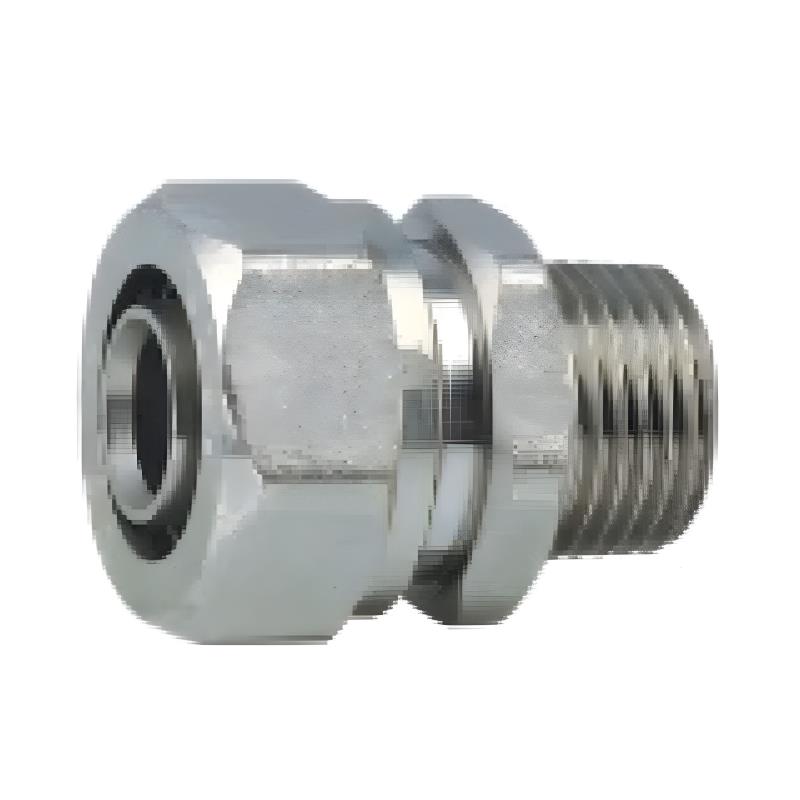
Industrial Brass Fittings are used across different plumbing arrangements, so installation conditions can vary considerably. A fitting placed on a straight pipe connection may require a different approach from one installed near equipment or inside a narrow service area.
Material condition also matters. Dirt, damaged threads, deformation, or an unsuitable size can create problems before assembly even begins. For that reason, preparation should take place before tools are used.
A practical installation process can be divided into three stages: checking the components, assembling the connection, and inspecting the finished joint. Keeping those stages separate makes it easier to identify where a problem may have started.
What Should Be Checked Before Installing Brass Fittings
Inspection before installation helps prevent unsuitable components from entering the pipe system. A quick visual check can reveal damage that might otherwise become difficult to identify after assembly.
Look around the connection area for cracks, dents, deformation, dirt, or visible thread damage. Internal passages should also remain free from loose material that could affect the plumbing system.
Size and connection type need to match the pipe. Similar‑looking fittings can have different connection arrangements, so selection should rely on product information rather than appearance alone.
Pipe ends also require preparation. Dirt, moisture, old sealing material, and rough edges can interfere with assembly. A clean and reasonably even pipe end gives the connection a better starting condition.
Useful checks before assembly include:
- Fitting size and connection type
- Visible surface condition
- Thread condition
- Pipe‑end cleanliness
- Pipe alignment
- Suitable sealing materials
- Available working space
Storage condition can also influence installation. Components kept in areas with excessive moisture, dust, or rough handling may require additional inspection before use.
Any fitting showing obvious damage should be separated from the installation area until its suitability has been confirmed. Installing a questionable component simply to keep work moving can create additional repair work later.
How Does Pipe Alignment Affect the Connection
Alignment has a direct influence on how connected parts meet. When pipes approach a fitting from an unsuitable angle, workers may need to apply force during assembly. Such force can remain around the joint after installation and may place unnecessary stress on connected components.
A fitting should normally meet the pipe without requiring significant bending or twisting of the system. Proper support can help maintain the intended position while the connection is being assembled.
Pipe movement can also occur when nearby sections are unsupported. A worker may align the fitting correctly at the beginning, only to have the pipe shift during tightening. Checking the surrounding pipework before final assembly can reduce such movement.
For longer pipe arrangements, support points need consideration before connection work begins. The fitting should not be treated as a replacement for proper pipe support.
A useful approach is to:
- Position the pipe close to its intended route.
- Check the direction of the fitting.
- Confirm that connection surfaces meet naturally.
- Provide suitable support where movement is possible.
- Assemble without forcing misaligned parts together.
Alignment becomes particularly important near equipment connections. A pipe may need to reach a fixed connection point, although forcing the pipe into position can transfer unwanted stress to the fitting or equipment.
Good alignment also helps during later maintenance. A connection that sits naturally in place is generally easier to inspect and disassemble than one installed under visible strain.
How Should Threads Be Prepared Before Assembly
Threaded connections require clean and undamaged contact surfaces. Dirt, metal fragments, old sealing material, or damaged thread sections can make assembly difficult and may interfere with sealing.
Before assembly, exposed threads should be checked visually and cleaned using a suitable method. Careful handling is useful because dropping or striking a fitting can damage connection areas even when no obvious defect was present beforehand.
Starting the connection by hand can help confirm that mating parts are entering the thread correctly. Resistance at the beginning of assembly may indicate misalignment or thread damage, so forcing the connection with a tool is not a sensible response.
Crossed or misaligned threads can cause damage during tightening. Once a tool is applied, the additional force can make an installation mistake harder to detect.
Thread preparation therefore involves more than simply removing visible dirt. Connection surfaces need to meet correctly, and the fitting should begin assembly without unusual resistance.
Which Sealing Method Should Be Considered for Different Connections
Sealing plays an important role in connections where threads or other joining surfaces need assistance in preventing leakage. Selection should depend on the connection design, fluid, temperature, and applicable installation requirements.
Too little sealing material may leave gaps around the connection. Excessive or unsuitable material can create another set of problems, particularly when loose material enters the plumbing system.
A sealing method should match the type of connection rather than being selected simply because it is familiar from previous work. Product instructions and relevant plumbing requirements should guide the choice.
Clean application also matters. Sealing material placed over dirty or damaged threads cannot correct an underlying connection problem.
For installation work, several points deserve attention:
- Confirm the intended sealing method.
- Keep threads clean before application.
- Apply material evenly where required.
- Avoid unnecessary excess.
- Keep loose material away from internal passages.
- Follow relevant installation instructions.
Different plumbing environments may require different sealing considerations. A connection carrying ordinary water may not face the same conditions as one exposed to a more demanding fluid or surrounding environment.
How Can Over Tightening Be Avoided During Installation
Tightening needs enough control to create a secure connection without placing unnecessary force on the fitting. Excessive force can damage threads, deform connection areas, or place stress on nearby pipework.
A common mistake occurs when resistance is treated as a sign that more force is needed. Resistance can also come from misalignment, dirt, damaged threads, or unsuitable sealing material. Stopping for inspection can prevent a small installation problem from becoming a damaged connection.
Hand positioning also affects control. A stable grip and suitable tool position make it easier to notice changes during tightening. Sudden or uneven force can make the connection harder to judge.
Practical habits include:
- Start the connection carefully.
- Keep mating parts aligned.
- Watch for unusual resistance.
- Use suitable tools.
- Avoid unnecessary force after proper seating.
- Check the joint rather than relying on force alone.
Pipe movement should also be watched during tightening. A fitting may appear to be turning correctly while the connected pipe begins to rotate or shift. Such movement can affect nearby joints, supports, or equipment connections.
Installation guidance should take priority over personal habit. Different connection designs can require different tightening practices, so one method should not be applied to every fitting.
What Installation Conditions Can Affect Brass Fittings
Worksite conditions can influence both installation quality and the condition of a fitting. Dust, moisture, chemicals, limited workspace, and poor lighting can make routine assembly more difficult.
Clean surroundings are helpful when working with threaded connections. Loose particles can enter connection areas, while moisture or residue may interfere with sealing. Keeping unused fittings covered until assembly can reduce unnecessary contamination.
Working space also deserves attention. A fitting installed inside a narrow cabinet, behind equipment, or close to another pipe may leave little room for a tool. Limited access can encourage awkward movements or excessive force.
Lighting has a practical role as well. Poor visibility makes it harder to inspect threads, sealing surfaces, and pipe alignment. A connection that looks acceptable from a distance may require closer checking before assembly.
Before installation begins, consider:
- Cleanliness around the work area
- Dry and suitable storage conditions
- Available tool space
- Lighting around the connection
- Pipe support
- Access for later inspection
Chemical exposure needs separate consideration in industrial environments. Surrounding substances may affect exposed materials, so fitting selection should reflect actual service conditions rather than relying on general familiarity with brass.
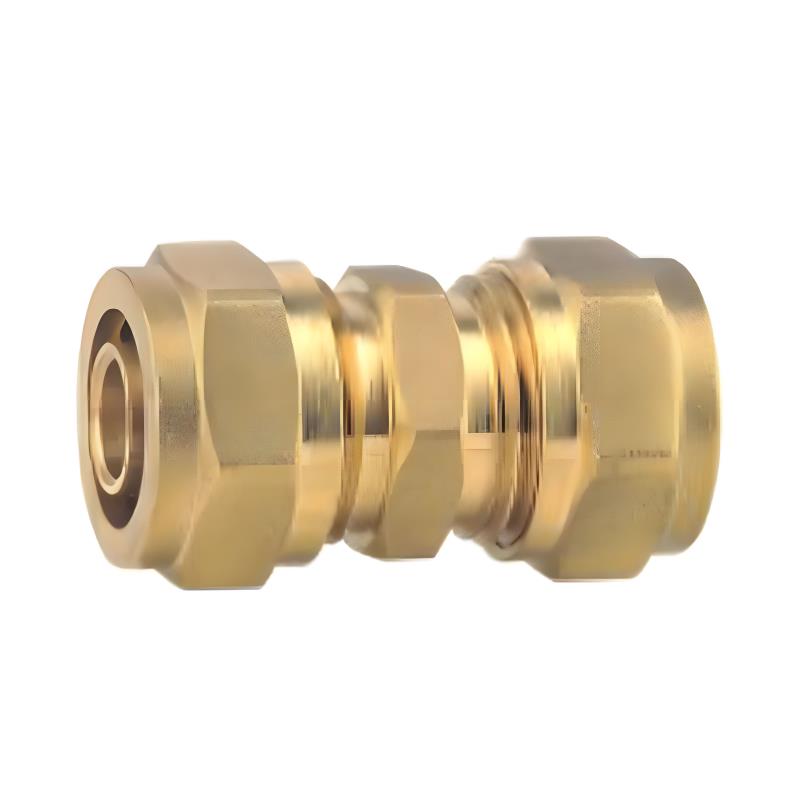
How Should Different Pipe Connections Be Handled
Not every installation presents the same working conditions. Straight pipe connections, direction changes, equipment interfaces, and confined areas each create different handling requirements.
| Installation Situation | Main Consideration |
|---|---|
| Straight Pipe Connection | Keep Both Sections Aligned |
| Direction Change | Check Fitting Orientation |
| Equipment Connection | Avoid Forced Pipe Position |
| Confined Space | Maintain Tool Access |
| Maintenance Area | Leave Inspection Space |
Straight connections are usually easier to position because both pipe sections follow a similar route. Even so, alignment should still be checked before tightening.
Direction changes require attention to fitting orientation. A connector can be assembled correctly from a thread perspective while pointing in an unsuitable direction for the finished pipe route. Checking the planned position before tightening can prevent unnecessary disassembly.
Equipment connections require additional care because one side may already be fixed. Pipework should reach the connection naturally rather than being pulled or pushed into position through excessive force.
Confined spaces create another challenge. Limited tool movement can make controlled tightening difficult. Installation planning should consider whether the connection can be assembled, inspected, and later removed without dismantling unrelated components.
Maintenance areas need similar planning. A fitting hidden behind permanent structures may become difficult to access when leakage or replacement is required.
What Should Be Checked After Installation
Inspection should continue after assembly. A connection that looks secure may still have a sealing problem, alignment issue, or unexpected stress around the pipe.
Visual inspection can begin around the joint itself. Look for visible gaps, damaged surfaces, unusual pipe movement, or signs of moisture. Nearby connections should also receive attention because adjusting one section can affect another.
Before a system enters normal service, suitable testing and inspection procedures should be followed according to the plumbing application and relevant requirements.
Several points can be reviewed:
- Connection position
- Pipe alignment
- Visible sealing condition
- Signs of leakage
- Movement around the joint
- Condition of nearby connections
- Accessibility for future inspection
A leak should not simply be addressed by adding more tightening force. The connection should be examined to identify whether the problem comes from alignment, sealing, thread condition, component damage, or another source.
Post‑installation inspection can also reveal problems caused during surrounding construction work. Tools, movement, vibration, or accidental contact may affect a connection after assembly, so checking the system before operation remains useful.
How Can Brass Fittings Wholesale Orders Support Installation Planning
Bulk purchasing introduces a different type of installation consideration. When a project uses many fittings, organizing sizes, connection types, and intended locations becomes important for avoiding confusion during installation.
Brass Fittings Wholesale orders may contain components for several parts of a plumbing system. Clear identification can help separate different fitting types before materials reach the work area.
Storage also needs planning. Similar‑looking fittings can become mixed when packaging is removed too early, making selection slower during assembly. Keeping components grouped according to size or application can reduce unnecessary handling.
Useful purchasing and storage practices include:
- Confirm required fitting types before delivery.
- Keep different specifications clearly separated.
- Protect connection surfaces during storage.
- Maintain clear identification.
- Match components with installation areas before work begins.
Packaging condition can also affect the fitting before installation. Damaged packaging may expose components to dust, moisture, or rough handling. A visual inspection remains useful even when fittings arrive in organized packages.
Bulk purchasing should therefore connect with installation planning. Ordering a suitable quantity is only part of site preparation; identification, storage, and distribution also influence how smoothly installation work proceeds.
How Can Installation Practices Reduce Later Problems
A careful installation process does not depend on complicated actions. Problems often arise from small oversights, such as starting a thread at an angle, forcing a pipe into position, applying unsuitable sealing material, or tightening beyond what the connection requires.
A steady sequence helps keep those issues under control. Components can be checked before assembly, pipes positioned naturally, threads inspected, sealing handled according to the connection requirements, and final joints examined after installation.
Good preparation also reduces unnecessary rework. When fittings are sorted and inspected before reaching the installation point, workers spend less time searching for suitable components or removing damaged parts after assembly.
Industrial Brass Fittings perform within a complete plumbing system rather than independently. Pipe material, connection design, installation environment, sealing method, and maintenance access all contribute to the condition of a finished joint.
Correct installation therefore involves more than tightening a fitting onto a pipe. Alignment, cleanliness, material compatibility, controlled force, and post‑installation inspection all have a place in the process.
For purchasing teams, clear specifications and organized Brass Fittings Wholesale orders can support site preparation. For installers, careful handling and inspection help maintain connection quality from assembly through later maintenance. For plumbing planners, access and application conditions remain important when selecting connection locations.
A practical installation process starts with preparation, continues with controlled assembly, and ends with inspection. Keeping attention on each stage can reduce avoidable connection problems while making future maintenance easier.