+86-13989680588
 graylin@hongjiavalve.com
 Get a quote

 English
 русский
 Deutsch
Submit feedback
Which Threaded Stop Valve Materials Offer Better Durability
Author: Hongjia
Date: Aug 28, 2026
Material choice has a quiet influence on how a Threaded Stop Valve behaves during everyday service. Water, moisture, pressure changes, temperature shifts, and repeated opening or closing can all place different demands on valve parts. A material that suits one piping environment may not fit another.
Durability also involves more than the outer valve body. Threads, sealing parts, stems, and internal surfaces each have their own working conditions. A strong body may still develop problems when seals, connections, or internal parts are not suited to the fluid or surrounding environment.
Brass, stainless steel, carbon steel, and selected plastics are commonly considered for valve construction. Each material brings certain practical characteristics, along with conditions that need attention during selection.
For installers and maintenance teams, looking at the complete operating environment can make material selection more reasonable. Fluid type, temperature, pressure, moisture, installation conditions, and operating frequency all have a place in the decision.
Why Does Material Choice Matter for Threaded Stop Valves
A shutoff valve needs to maintain a secure connection while controlling fluid flow. Material properties influence how the valve responds to mechanical contact, moisture, heat, and repeated movement.
Corrosion can become a concern in damp areas, especially where moisture remains around exposed metal surfaces. Threads may wear during installation or adjustment, while sealing areas can change gradually through repeated contact.
Fluid compatibility also deserves attention. A material that performs well with ordinary water may require different consideration when exposed to another fluid. Environmental conditions can create similar differences.
A practical material check can include:
- Type of fluid
- Operating temperature
- Pressure conditions
- Moisture exposure
- Mechanical stress
- Operating frequency
- Pipe material
- Maintenance conditions
Looking at several factors together gives a clearer basis for choosing a suitable valve material.
Which Materials Are Commonly Used for Threaded Stop Valves
Brass is widely used in general plumbing because it can be machined into threaded components and handles ordinary moisture exposure in many applications.
Stainless steel is considered where corrosion resistance has greater importance. Different grades have different characteristics, so the surrounding environment and fluid still need to be considered.
Carbon steel provides a rigid metal structure and can suit applications where mechanical requirements call for such construction. Moisture protection becomes important because unprotected surfaces can corrode.
Plastic materials are also used in selected piping systems. Low weight and resistance to certain fluids can make them practical, while temperature and mechanical limits need attention.
| Material | Common Use | Main Point to Check |
|---|---|---|
| Brass | General Plumbing | Fluid and Water Conditions |
| Stainless Steel | Damp Environments | Material Grade |
| Carbon Steel | Rigid Metal Construction | Surface Protection |
| Plastic | Selected Piping Systems | Heat and Mechanical Stress |
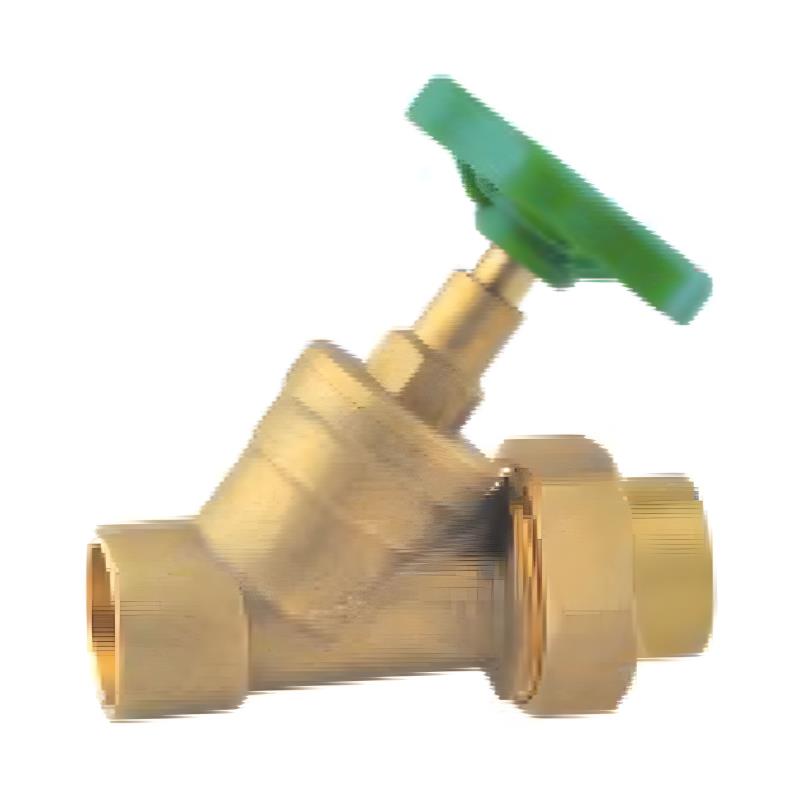
How Does Brass Perform in Threaded Stop Valves
Brass remains familiar in plumbing because it combines workable machining characteristics with resistance to ordinary moisture. Threaded valve bodies can be produced with clear connection surfaces, making brass suitable for many common piping arrangements.
Water conditions still matter. Fluid composition, moisture, temperature, and surrounding conditions can influence how a brass component behaves over time.
Thread quality also affects practical service. A damaged or poorly aligned connection can create leakage even when the valve body itself remains in good condition. Careful installation and periodic inspection therefore remain relevant.
Brass may be considered for applications involving:
- General water service
- Moderate mechanical demands
- Threaded pipe connections
- Controlled indoor environments
- Accessible maintenance areas
Material selection should remain connected to actual working conditions rather than the fluid name alone.
Why Is Stainless Steel Considered for Corrosive Environments
Stainless steel is often chosen when moisture and corrosion are recurring concerns. Suitable grades can provide resistance to surface corrosion under many service conditions, making the material relevant to damp installations.
Still, stainless steel should not be treated as one uniform material. Different grades have different properties, and fluid compatibility remains important.
Surface condition can influence long‑term behavior as well. Scratches, deposits, contamination, and rough handling may affect exposed surfaces.
For a Threaded Stop Valve, attention should also extend to internal components. Seals, stems, and other parts may use different materials, so the complete assembly needs to suit the working environment.
What Role Does Carbon Steel Play in Valve Construction
Carbon steel offers a firm metal structure and may be considered where rigid construction is needed. Moisture creates a different challenge because exposed carbon steel can corrode without suitable protection.
Surface treatment, installation conditions, and regular inspection can influence service life. A valve located in a dry indoor area may face fewer corrosion concerns than one exposed to condensation or outdoor moisture.
Threaded sections deserve care during storage and installation. Damage to protective surfaces can leave small areas vulnerable to moisture, while forced connections can damage the threads themselves.
Can Plastic Materials Be Used for Threaded Stop Valves
Plastic can work in selected piping systems where low weight and resistance to certain fluids are useful. Temperature and mechanical loading remain important limits.
High heat can change the behavior of some plastic materials, while cold conditions may affect flexibility and impact resistance. Threaded plastic connections also require careful handling because excessive tightening can damage the connection.
A plastic Threaded Stop Valve may suit applications where fluid compatibility, temperature, pressure, and mechanical demands remain within the intended range. Selection should come from the complete service environment rather than from corrosion resistance alone.
How Do Internal Components Affect Valve Durability
Valve durability depends on more than body material. Threads, sealing parts, stems, and internal surfaces experience different forms of contact during installation and regular operation.
A seal may face repeated compression, while threads experience force during connection. Internal moving parts may also experience gradual wear as the valve is operated.
Material compatibility matters across the whole assembly. A suitable valve body cannot compensate for an internal component that reacts poorly to the fluid or working conditions.
For that reason, material selection needs to consider the valve as a complete working unit rather than focusing only on its outer shell.
How Do Thread Conditions Influence Service Life
Threads carry an important part of the connection between a Threaded Stop Valve and a pipe. A clean, properly formed thread allows the two parts to meet evenly, while damaged or poorly matched threads can create trouble during installation.
Cross‑threading is a common concern during assembly. Forcing a valve into an unsuitable position can damage the thread surface, making later adjustment more difficult and increasing the chance of leakage around the joint.
Storage can affect threaded areas as well. Dirt, moisture, scratches, and impact may occur before a valve reaches the installation site. Keeping exposed connections protected can reduce unnecessary damage.
During installation, alignment should be checked before tightening begins. A connection that feels unusually tight at an early stage may need inspection rather than additional force.
How Does Fluid Type Affect Material Selection
Fluid compatibility is closely tied to material choice. Water, mild fluids, and chemically active fluids can place different demands on valve components, so a material suitable for one application may require a different evaluation in another.
Brass can serve many general plumbing applications, while stainless steel may be considered where corrosion exposure creates greater concern. Plastic materials can also suit selected fluids where metal corrosion is an issue.
Sealing parts deserve equal attention. A valve body may tolerate a fluid while a seal or internal component reacts differently. Material selection therefore needs to cover every part that comes into contact with the working medium.
Before selecting a valve, several questions can help narrow the options:
- What fluid will pass through the valve?
- Can moisture remain around the connection?
- Are corrosive conditions present?
- Will the fluid contact internal sealing parts?
- Does the pipe material create any compatibility concern?
Such checks can prevent a material decision based on the valve body alone.
How Does Temperature Affect Material Durability
Temperature changes can influence both metal and plastic components. Heat may affect sealing materials, while repeated movement between warm and cool conditions can place additional stress on connections.
Metal valves generally retain their structural form across a broad range of conditions, although corrosion and sealing behavior still need attention. Plastic materials can have greater sensitivity to heat, depending on their composition and intended use.
Temperature should also be considered alongside pressure. A valve may behave differently under warm operating conditions than under cooler service, particularly when seals and other non‑metal parts are involved.
For a Threaded Stop Valve, practical selection should therefore consider the temperature present during normal operation rather than relying on room conditions during storage or installation.
What Should Be Considered When Choosing a Threaded Stop Valve
Material selection works better when it starts with the installation rather than with a preferred material. Brass, stainless steel, carbon steel, and plastic each have areas where their characteristics may fit a particular piping environment.
A useful selection check can cover:
- Fluid compatibility The valve body, seals, and internal parts need to tolerate the fluid being handled.
- Temperature Normal operating temperature and changes during service can influence material behavior.
- Pressure Mechanical loading should match the intended valve construction.
- Installation environment Moisture, condensation, outdoor exposure, and surrounding conditions can affect material performance.
- Operating frequency A valve opened regularly may experience different wear from one that remains in a fixed position for long periods.
- Thread connection Pipe and valve threads need to match correctly and remain in good condition.
- Maintenance access A valve installed in an easy‑to‑reach location can be inspected and serviced more conveniently.
No single factor should decide the material on its own. A combination of service conditions gives a more useful basis for selection.
What Can A Stop Valve Factory Do to Support Material Selection
A Stop Valve Factory plays a practical role in matching production choices with intended applications. Material information needs to remain clear so that installers and buyers can select components according to actual working conditions.
Production checks can cover the valve body, internal parts, threaded sections, and sealing components. Consistency in thread formation is particularly relevant because connection quality affects installation and later maintenance.
Material identification also helps prevent accidental substitution during production or replacement work. When different parts use different materials, clear records can make inspection and maintenance easier.
Production planning may consider:
- Intended fluid conditions
- Required body material
- Internal component compatibility
- Thread quality
- Surface protection
- Sealing material
- Storage and handling requirements
Such preparation connects manufacturing with the conditions found at the installation site.
How Can Proper Maintenance Extend Valve Service Life
Maintenance does not need to involve complicated procedures. Regular visual checks can reveal surface corrosion, damaged threads, leakage, or changes around the connection before a small issue becomes harder to manage.
A valve should operate without unusual resistance. Excessive force during opening or closing can place unnecessary stress on internal parts and the threaded connection.
Useful maintenance habits include:
- Check exposed surfaces for corrosion
- Inspect threaded connections for visible damage
- Look for leakage around sealing areas
- Keep accessible valve surfaces reasonably clean
- Avoid forcing a stiff handle
- Replace worn sealing parts when appropriate
- Check protective surfaces around exposed metal
Maintenance frequency can depend on the surrounding environment and operating conditions. Damp locations may require closer attention than dry indoor installations.