+86-13989680588
 graylin@hongjiavalve.com
 Get a quote

 English
 русский
 Deutsch
Submit feedback
Why Industrial Brass Fittings Remain Popular in Plumbing
Author: Hongjia
Date: Aug 18, 2026
Pipe connections need to remain stable while dealing with changing operating conditions, regular maintenance, and the practical demands of installation work. Material choice therefore affects more than the appearance of a fitting. It can influence machining, connection methods, handling, and the way a plumbing system is maintained over time.
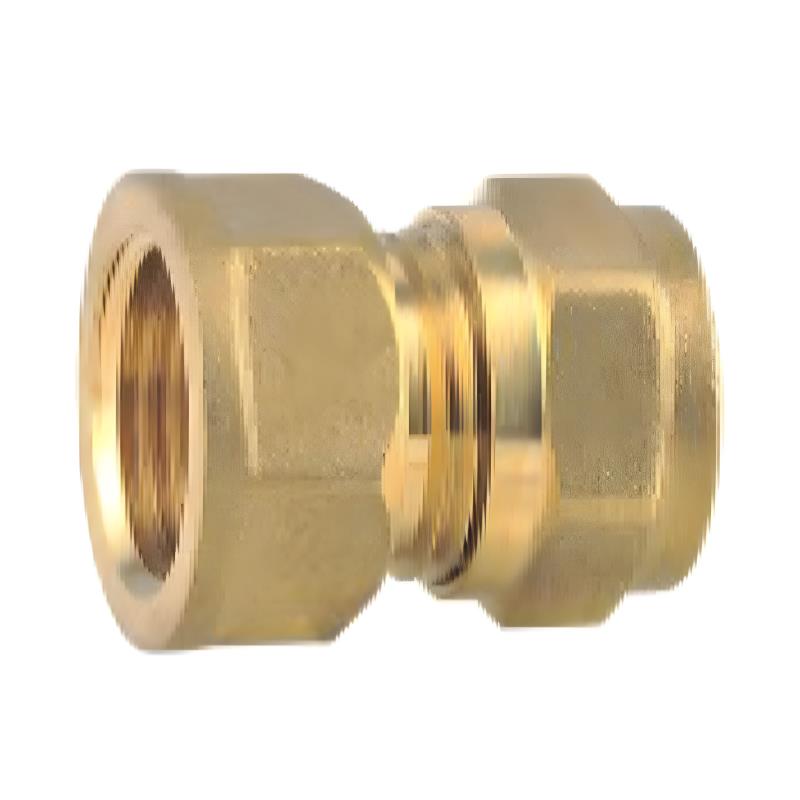
Industrial Brass Fittings continue to appear across many plumbing environments because brass combines several useful characteristics within one material. It can be formed and machined into different fitting shapes, provides a solid connection surface, and can be used with various pipe arrangements when the material is suitable for the intended service.
Plumbing requirements are also changing. Modern projects may place greater attention on installation efficiency, material compatibility, maintenance access, and production control. Traditional materials remain relevant when their practical characteristics continue to match those needs.
Rather than treating brass fittings as a single type of component, it is useful to look at how material properties, manufacturing methods, installation practices, and operating conditions work together.
What Makes Brass Suitable for Plumbing Connections
Brass is used for plumbing connections partly because it offers a balance between strength, workability, and resistance to ordinary environmental exposure. Such a combination is useful when a fitting needs to connect pipes securely while also being shaped into threads, bends, adapters, valves, or other forms.
Machining characteristics are particularly relevant. A fitting often needs carefully formed connection surfaces, and production requires the material to respond consistently during cutting and shaping. Brass can be processed into detailed forms without making every manufacturing step unnecessarily complicated.
Physical handling also matters during installation. Plumbing fittings are often installed in spaces where workers have limited room to move tools. A material that can be produced into compact connection parts gives designers and installers more options when arranging pipe routes.
Another consideration is surface condition. Plumbing systems may encounter moisture for long periods, so exposed metal needs to remain suitable for its intended environment. Brass can provide useful resistance to ordinary atmospheric exposure, although actual suitability depends on the composition, surrounding conditions, and type of service.
Material selection should therefore consider several factors together:
- Pipe material
- Fluid being carried
- Operating environment
- Connection method
- Temperature conditions
- Installation requirements
- Expected maintenance conditions
No fitting material should be selected only because it has been commonly used. Compatibility with the actual plumbing system remains important.
How Do Brass Fittings Handle Everyday Plumbing Conditions
Plumbing systems rarely operate under completely unchanged conditions. Water temperature can vary, pressure can change during use, and connections may experience movement caused by installation or surrounding equipment.
A fitting has to remain properly connected while dealing with such changes. Brass provides a firm material base for many connection designs, while its machinability allows manufacturers to create different shapes and connection surfaces for specific applications.
Moisture is another regular concern. A fitting exposed to water or humid surroundings may gradually develop surface changes depending on its environment. Proper material selection, installation, and maintenance can help control problems associated with prolonged exposure.
Connection quality also has a strong influence on performance. A suitable fitting can still experience leakage when installation is poorly handled. Excessive tightening, damaged threads, incorrect sealing, or misalignment can place unnecessary stress on a connection.
For practical plumbing work, attention often needs to remain on the complete connection rather than the fitting alone.
Common factors affecting a connection
- Condition of the pipe
- Correct fitting size
- Thread or connection condition
- Alignment during installation
- Suitable sealing method
- Environmental exposure
- Regular inspection
A plumbing connection works as part of a larger system. Looking only at material characteristics can overlook problems caused by installation or compatibility.
Why Does Machinability Matter During Fitting Production
Production requirements have a direct relationship with material choice. A plumbing fitting may appear simple, although its shape can include internal passages, external threads, corners, connection sections, and surfaces that need to meet specific dimensional requirements.
Brass is suitable for many such production tasks because it can be cut and shaped into detailed components. Machining behavior affects production efficiency as well as the ability to maintain consistent dimensions from one fitting to another.
During manufacturing, several stages may be involved:
- Material preparation
- Forming or cutting
- Thread production
- Surface treatment where required
- Cleaning
- Dimensional inspection
- Packaging and storage
Each stage can influence the finished connection. A thread that is not formed correctly may create installation difficulties even when the overall fitting appears normal. Likewise, poor surface condition can make inspection or handling less convenient.
Production control therefore matters alongside material selection. A Brass Fittings Factory needs suitable procedures for checking dimensions, connection surfaces, appearance, and material condition throughout production.
Manufacturing consistency also supports easier installation. When fittings have predictable shapes and connection characteristics, installers can work with fewer unexpected differences between individual components.
At the same time, production methods can vary according to fitting design. A small adapter and a larger connection component may require different processing arrangements. Treating every fitting as identical would ignore the relationship between product shape and manufacturing requirements.
Which Plumbing Applications Commonly Use Brass Connections
Brass connections can appear in many plumbing situations because fittings are available in forms suited to different pipe arrangements. Their role may involve joining pipes, changing direction, adapting connection sizes, or connecting pipework to equipment.
Residential plumbing can use such connections around water supply lines and equipment interfaces. Commercial buildings may require a broader range of connection arrangements because pipe routes can be more complex. Industrial systems may introduce additional environmental considerations that require careful material selection.
Typical applications can include:
| Application Area | Connection Requirement |
|---|---|
| Building Water Lines | Reliable Pipe Joining |
| Equipment Connections | Adaptation Between Components |
| Pipe Direction Changes | Angled Connections |
| Maintenance Areas | Accessible Connections |
| Industrial Pipework | Material Compatibility |
Different applications may require different fitting shapes and connection methods. A component intended for a clean indoor plumbing environment should not automatically be assumed suitable for a more demanding industrial setting.
Fluid compatibility also needs attention. Some liquids or surrounding substances can react differently with different materials. Project specifications, applicable standards, and manufacturer instructions should guide material selection rather than relying only on common practice.
How Do Installation Methods Affect Fitting Performance
Even a properly manufactured fitting depends on correct installation. Pipe alignment, connection preparation, sealing, and tightening all influence how the finished joint behaves.
Misalignment can place unwanted force on a connection. When pipes are forced into position rather than naturally aligned, stress may remain around the fitting after installation. Over time, movement or vibration can make such conditions more noticeable.
Threaded connections require particular care. Threads should remain clean and undamaged before assembly, while the selected sealing method should match the connection and service conditions. Excessive tightening can also damage threads or place unnecessary stress on the fitting.
Installation work can be improved through a few basic habits:
- Check the fitting and pipe before assembly.
- Keep connection surfaces clean.
- Align components without forcing them together.
- Use an appropriate sealing method.
- Tighten according to the relevant instructions.
- Inspect the finished connection before the system is placed into service.
Maintenance access should also be considered during installation. A fitting positioned in an extremely confined location can make later inspection or replacement difficult, even when the original connection is sound.
Good installation is therefore part of material performance. Brass cannot compensate for incorrect sizing, poor alignment, damaged threads, or unsuitable application conditions.
What Role Does a Brass Fittings Factory Play in Production
Manufacturing quality shapes how a plumbing fitting behaves well after installation is done. Material selection is only one part of the picture — cutting, forming, thread making, cleaning, inspection, and packing all leave their mark on the condition of a finished connection.
A Brass Fittings Factory adjusts its production steps according to fitting shape and intended use. A simple connector and a more complex pipe adapter don't necessarily follow the same processing route, though dimensional control and surface inspection stay important across whatever design is being made.
Threads deserve particular attention here, since assembly depends on proper contact between connected parts. Poorly formed threads can make installation difficult or create sealing problems down the line. Surface damage can also show up during machining, handling, or packing, so inspection needs to look past overall appearance alone.
Practical production management typically covers:
- Checking incoming material
- Inspecting dimensions during processing
- Checking thread condition
- Removing machining residue
- Reviewing visible surface condition
- Protecting fittings during storage and packing
Production records help trace unusual findings back to their source. When material information and inspection results get maintained properly, problems discovered during installation can be linked back to earlier manufacturing stages rather than treated as mysteries.
How Does Maintenance Affect Long Term Plumbing Use
A plumbing connection still needs attention long after installation wraps up. Moisture, corrosion, looseness, and changes around connection points can develop during regular service, particularly where surrounding conditions place extra stress on the pipework.
Routine inspection doesn't need to involve anything complicated. Visible connection areas can simply get checked for moisture marks, surface changes, unusual movement, or signs of leakage, with relevant project instructions and applicable standards guiding the process.
Repeated leakage calls for real investigation rather than repeated tightening. Excessive force can damage threads or connected parts while leaving the actual cause untouched. A leaking joint might stem from damaged sealing material, pipe movement, incorrect assembly, or something else entirely within the system.
Accessibility matters too. A fitting tucked into a hard‑to‑reach spot becomes harder to inspect or replace later on, so installation planning should factor in future maintenance rather than focusing purely on getting the initial assembly done.
Why Are Material and Application Matching Important
Material choice needs to reflect actual service conditions. Plumbing systems carry different fluids and operate across different environments, so a fitting suited to one application may need extra evaluation before it fits another.
Pipe compatibility deserves real consideration. Connected materials interact differently under moisture and electrical conditions, while surrounding substances can affect surface stability over time. Temperature, fluid characteristics, and environmental exposure all feed into material selection too.
| Selection Factor | Practical Consideration |
|---|---|
| Pipe Material | Check compatibility |
| Fluid | Review material suitability |
| Environment | Consider moisture and chemicals |
| Temperature | Check operating conditions |
| Connection Method | Match installation requirements |
| Maintenance | Allow inspection access |
Industrial brass fittings should get evaluated as part of a complete plumbing system rather than in isolation. Size and shape matter, but material compatibility and operating conditions shape suitability just as much. Project documentation and manufacturer information offer application‑specific guidance — familiarity with brass alone doesn't replace proper material checking.
How Is the Role of Brass Changing in Modern Plumbing
Modern plumbing projects place growing weight on installation efficiency, material management, maintenance access, and production control. Established materials stay relevant as manufacturing methods and application practices continue evolving around them.
Production processes now lean harder into dimensional consistency and inspection. Tighter control during machining helps maintain connection surfaces, while organized inspection procedures catch problems before fittings ever leave the factory.
Factory management extends into raw material storage, production cleanliness, packaging, and record keeping too. These activities might seem removed from plumbing installation itself, yet each stage shapes the condition of a fitting once it reaches a work site.
Installation needs have shifted in practical ways as well. Accessible connections make inspection easier down the road, while fitting designs matched to available pipe arrangements reduce unnecessary adjustment during assembly.
Environmental considerations play a growing role too. Material use, production waste, packaging, and handling practices all fold into wider manufacturing management — these concerns don't automatically dictate material choice, but they increasingly shape planning decisions.
How Do Production and Installation Work Together
A plumbing fitting moves through several stages before it ever enters service. Material preparation shapes production, production shapes fitting condition, and installation determines how connected parts ultimately work together in practice.
Problems can travel between stages easily. A dimensional issue can surface as an assembly difficulty, while forced installation can damage a fitting that left production in perfectly good shape.
Communication between manufacturing and installation teams helps catch recurring issues early. Feedback often touches on thread fit, surface condition, packaging damage, connection difficulties, or unclear product information. Clear documentation helps installers handle fittings correctly too, covering connection methods, cleaning, storage, application limits, and maintenance requirements.
This kind of cooperation matters even more when plumbing systems mix different pipe materials or connection methods. A fitting can't really be judged separately from the components surrounding it.
Why Do Brass Connections Remain Relevant in Plumbing
Brass connections stick around because several practical characteristics work together well. Brass shapes into different fitting forms, machines cleanly for connection surfaces, and serves across a range of plumbing arrangements when conditions suit it.
Manufacturing flexibility lets fittings serve different pipe layouts too. Connectors, adapters, bends, and related components get produced according to installation needs rather than sticking to one fixed design.
Installation stays just as important throughout. Correct sizing, alignment, sealing, and controlled tightening all shape how a connection performs after assembly — poor installation creates leakage or stress no matter what material sits underneath.
Maintenance rounds out the picture. Regular observation catches moisture, corrosion, movement, or other changes while access still allows for inspection and repair.
Several factors stay tightly linked throughout this process:
- Material — suited to operating conditions
- Production — controlled dimensions and surfaces
- Installation — correct assembly and alignment
- Maintenance — regular inspection and timely repair
- Application — appropriate use within the intended system
Industrial brass fittings remain part of plumbing systems because material characteristics, production methods, installation practices, and maintenance requirements line up across so many applications. Their continued relevance comes down to practical compatibility with real plumbing work, not any single standout performance claim.
A fitting represents one link in a longer chain — starting with material selection and running through manufacturing, installation, operation, and maintenance all the way through.