+86-13989680588
 graylin@hongjiavalve.com
 Get a quote

 English
 русский
 Deutsch
Submit feedback
How HVAC Brass Fittings Handle Temperature Changes
Author: Hongjia
Date: Aug 14, 2026
Heating and cooling equipment goes through temperature swings as a normal part of daily operation. A furnace pushing warm air through ductwork works under very different conditions than the same system running in cooling mode. Even within a single day, temperatures inside pipes and components shift as the thermostat calls for more or less conditioning.
Every part of an HVAC installation feels these changes. Pipes warm and cool. Joints between sections absorb the stress that comes from repeated expansion and contraction. Equipment surfaces shift slightly as their temperature rises and falls. Connection points between pipes and components tend to bear the brunt of this movement, since displacement concentrates right at these interfaces.
How Materials Respond to Temperature Change
Metals don't all expand and contract at the same rate. Each type has its own characteristic response to a given temperature increase. Some materials shift dimension quickly, others move more gradually. These differences matter once two dissimilar metals are joined at a connection point.
When a metal heats up, its atoms become more active and take up additional space. Cooling slows that atomic motion back down, and the material contracts again. The dimensional change is modest but consistent for any given metal. A brass fitting and a copper pipe expand at slightly different rates despite sharing some chemical similarities. That gap seems minor on its own, but across the many joints in a full system, the cumulative effect becomes noticeable.
Repeated cycling brings other consequences too. Certain metals undergo gradual internal structural shifts after extended exposure to heating and cooling cycles. Others remain stable across a broad temperature range. A material's ability to return to its original shape after cooling plays a direct role in maintaining a reliable seal and structural integrity over time.
Field experience across HVAC installations has shown brass to behave predictably under temperature variation. Its expansion rate sits between copper and steel, the two pipe materials used throughout the trade. That middle-ground behavior helps explain why brass shows up so consistently in heating and cooling equipment.
Why Brass Suits HVAC Connection Points
Brass brings together several qualities that make it well suited for joining components in systems exposed to constant temperature variation:
- Mechanical strength that holds up under system pressure
- Ease of casting, forging or machining into precise shapes
- Threads that retain their form and resist galling during assembly
- Solid corrosion resistance in water and refrigerant environments
Brass's thermal expansion rate falls between copper and steel, which helps preserve joint tightness as temperatures shift. A fitting that expanded too much or too little relative to the connected pipe would place extra strain on the joint.
Brass also holds up reasonably well when exposed to water and refrigerants common in HVAC systems. Surface oxidation can occur over time, but it rarely undermines the structural strength of the component. The material retains its mechanical properties across the temperature range typical of everyday heating and cooling cycles.
Consistent manufacturing processes for brass produce reliable results batch after batch. Fittings built to recognized standards deliver dependable performance under temperature-variable conditions, which is exactly why engineers and contractors continue to specify brass for HVAC applications.
How Fitting Design Handles Thermal Movement
Fitting geometry has a real influence on how much stress builds up at a connection point as temperatures shift. Some designs allow joined components to move relative to one another. Others rely on rigid attachment, which funnels all thermal stress straight to the joint interface.
Threaded connections are widely used throughout HVAC work. Threads permit rotation during assembly, but once tightened, the joint depends on mechanical interference between mating surfaces. Temperature swings can affect tightness over time, though proper assembly torque helps maintain consistent clamping force.
Flare and compression fittings take a different approach. A flared connection uses mechanical deformation of the pipe end to create a seal against a matching surface. Compression fittings rely on a ferrule that squeezes against the pipe as the nut is tightened. Both methods accommodate slight dimensional shifts through the elasticity of the compressed material.
| Connection Type | How It Seals | Thermal Response |
|---|---|---|
| Threaded | Thread interference | Holds position; torque influences stress level |
| Flare | Deformed pipe surface | Allows movement through elastic recovery |
| Compression | Ferrule compression | Permits slight movement while maintaining seal |
A well-designed fitting lets connected pipes and components expand and contract without piling excessive stress onto any single point. Small design details — chamfer angle, thread pitch, shoulder thickness — all shape how a fitting behaves as temperatures move up and down.
Where Brass Fittings Turn Up in HVAC Systems
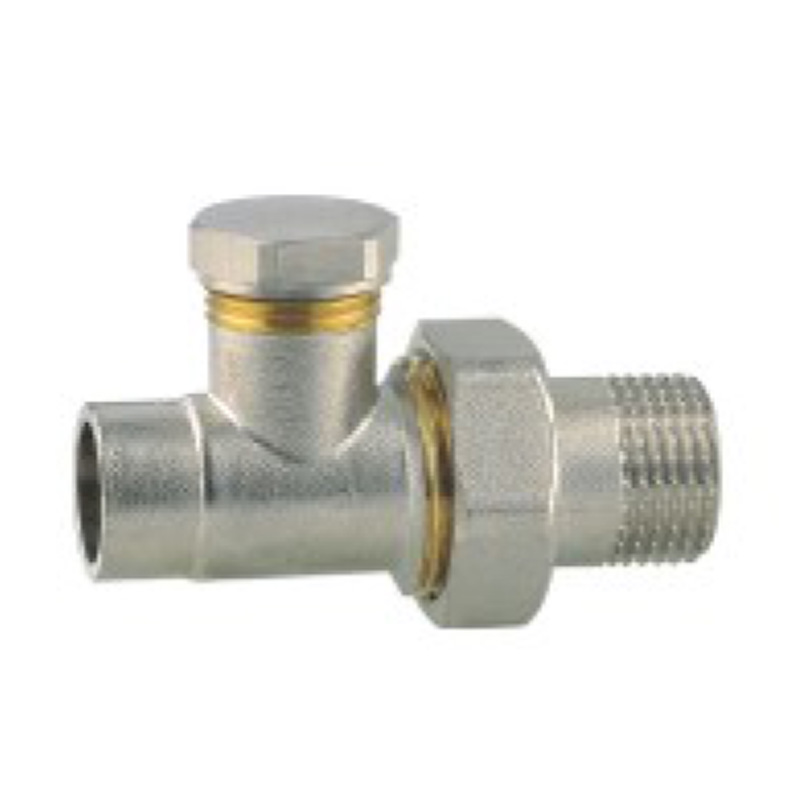
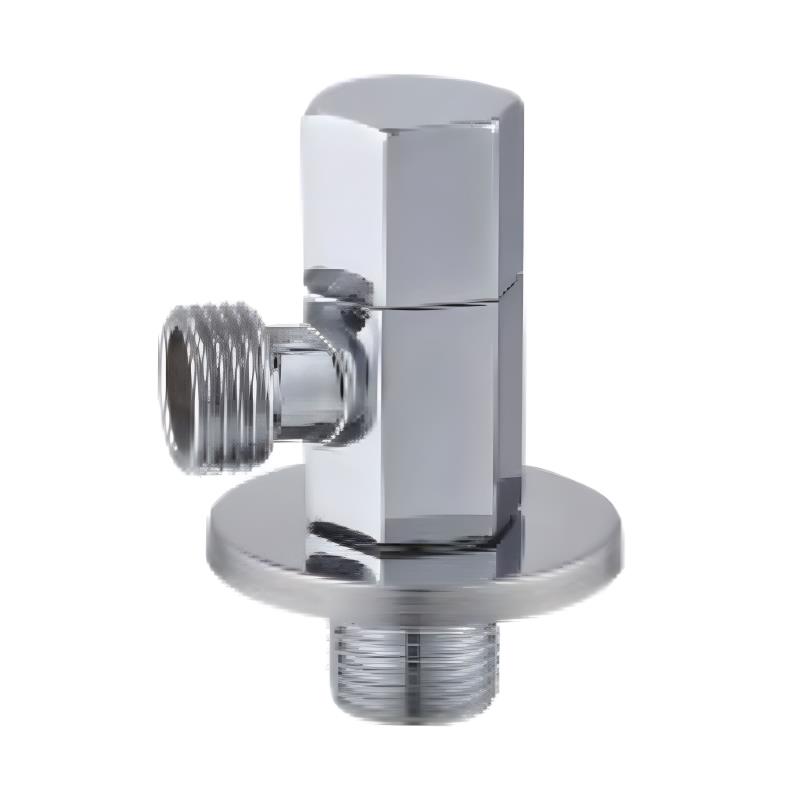
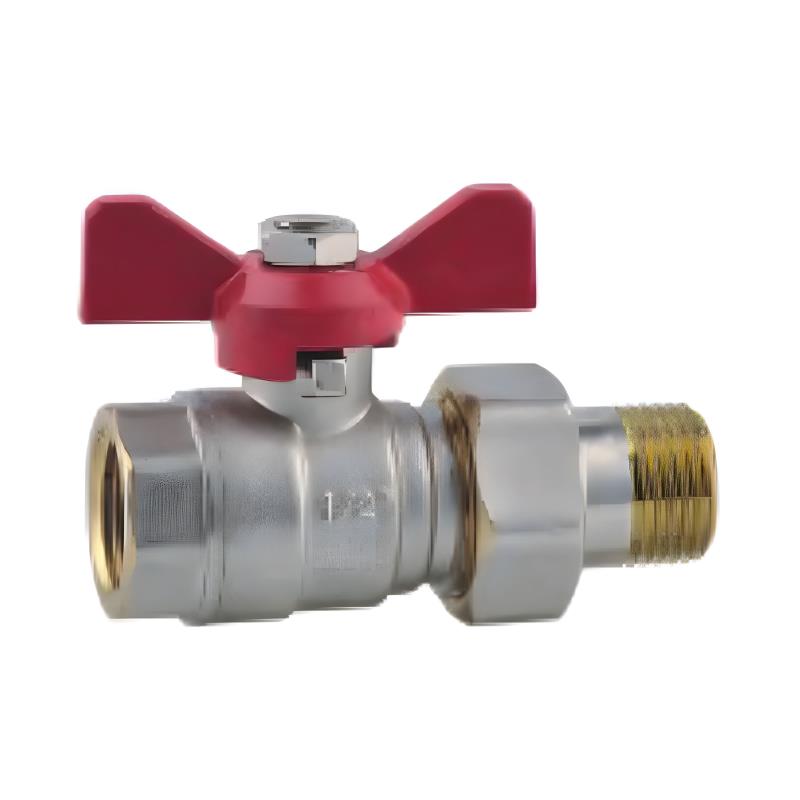
HVAC Brass Fittings appear at connection points throughout heating and cooling equipment. Common locations include the joints between copper pipe and components such as pumps, valves and heat exchangers. The fitting secures the attachment while managing the differing expansion rates of pipe and equipment.
Equipment interfaces call for the same reliability. Compressors, condenser units and evaporator coils all need connections capable of handling pressure alongside temperature variation. Brass fittings in these positions maintain a solid seal across the equipment's full operating range.
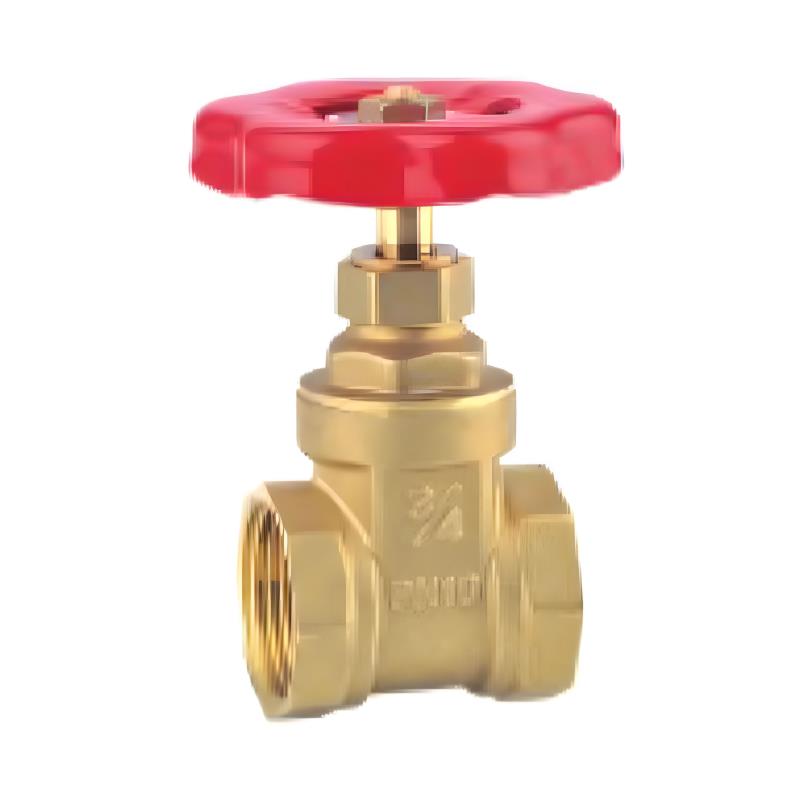
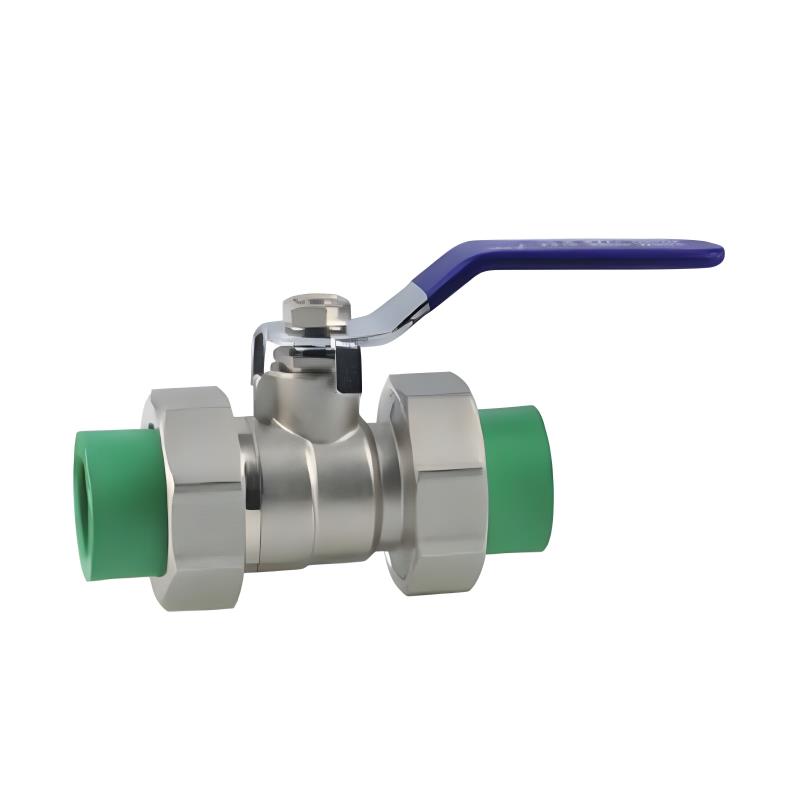
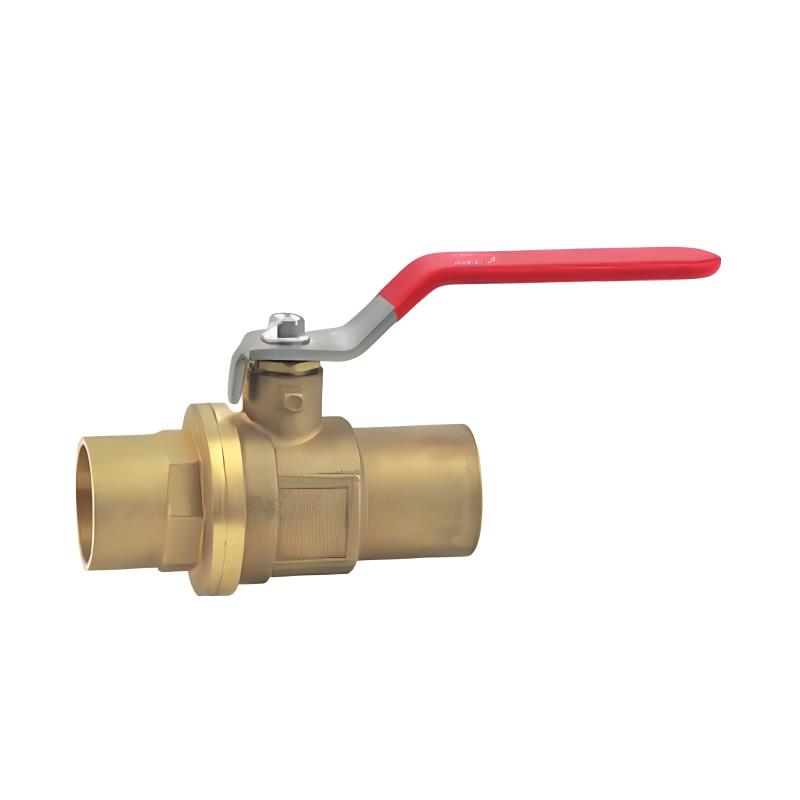
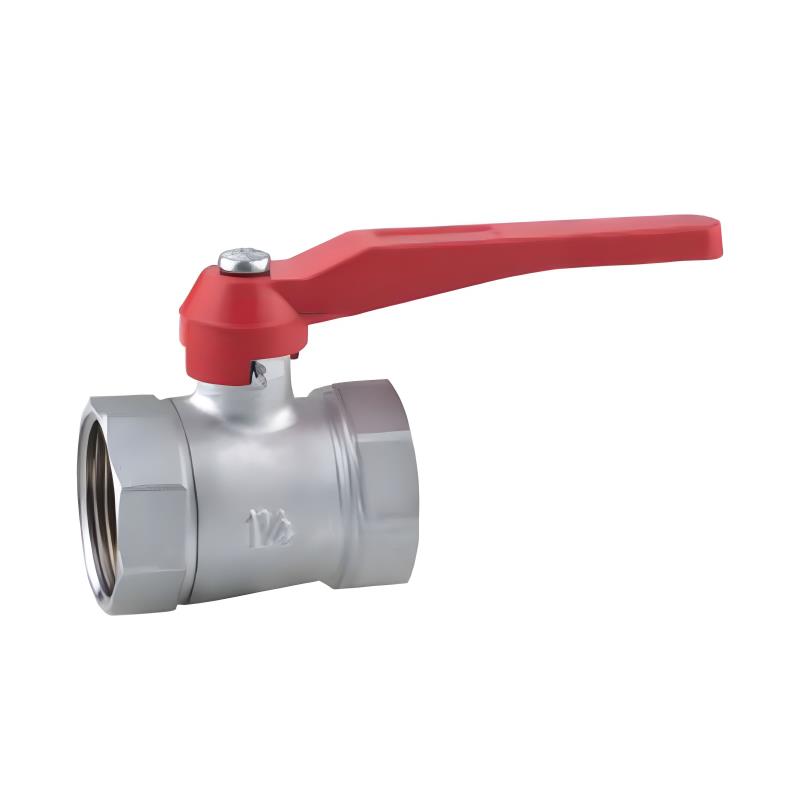
Valve assemblies rely on brass fittings as well. Shut-off valves, balancing valves and control valves each have connection points tying them into the broader system. Fittings at these locations need to withstand the thermal conditions of the fluid moving through the valve while keeping the mechanical joint secure.
Transition points also benefit from brass. Connecting copper to steel, or joining a larger pipe to a smaller one, calls for a component that accounts for both the physical dimensions and the thermal behavior of the materials involved.
Across each of these roles, the material properties and design details built into brass fittings support long-term performance. Predictable behavior across a wide temperature range, paired with compatibility across common pipe materials, is what keeps brass a practical choice throughout HVAC applications.
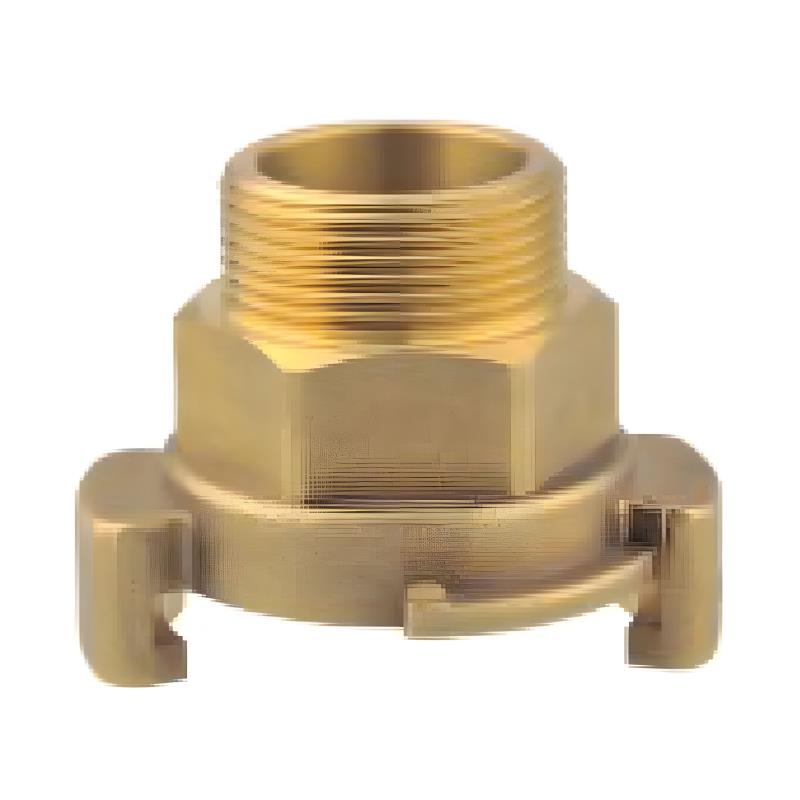
How Temperature Swings Affect Sealing Performance in Brass Fittings
Sealing is arguably the core job of any fitting in a piping system. Once a connection loses its ability to hold a seal, leaks follow — and in HVAC work, leaks translate directly into wasted energy, added strain on equipment, and service calls nobody wanted to schedule. Temperature swings complicate this picture further, since they act on both the fitting itself and whatever seal material sits inside it.
Seal materials don't all react the same way to heat and cold. Some stiffen up in cold weather and go soft when things warm up. Others stay fairly steady across a moderate range. Either way, the compression holding a joint together shifts as the surrounding metal expands or contracts. A clamping force that felt just right at room temperature can end up too tight or too loose once the system swings toward either extreme.
This is where brass earns some credit. Its expansion behavior is predictable enough that engineers can plan around it. When a seal sits compressed between two brass surfaces, the sealing pressure tends to stay fairly even across the temperature swings typical of HVAC operation — brass doesn't turn mushy in the heat, and it doesn't go brittle in the cold either.
A handful of factors tend to shape how well a joint seals over repeated thermal cycles:
- How much compression was applied during the initial assembly
- What seal material is in use, and its temperature limits
- The surface finish on the mating faces
- How many thermal cycles the joint is likely to see over its lifetime
- Whether vibration or other mechanical stress from nearby equipment comes into play
A fitting worth its salt keeps sealing pressure steady through both expansion and contraction. The seal material needs enough give to handle slight movement while still filling in the microscopic gaps between mating surfaces.
What Happens to Brass Over Years of Temperature Cycling
Brass doesn't stay completely unchanged after years of heating and cooling — but the changes it undergoes tend to be slow, and rarely threaten how the part functions. Still, they're worth understanding for anyone thinking long-term.
Surface oxidation is probably the most noticeable change. Exposed to air and moisture, brass develops a thin oxide layer over time. That layer generally works in the material's favor, shielding it from deeper corrosion. In HVAC applications, this oxidation almost never touches sealing performance or structural strength — it might darken the fitting's appearance, but that's largely cosmetic.
Brass also holds onto its grain structure remarkably well across the temperatures HVAC systems typically produce. Some materials undergo phase changes or structural relaxation once things heat up; brass isn't one of them, at least not within the ranges seen in ordinary heating and cooling equipment. That stability is a big part of why brass keeps performing consistently year after year.
Of course, temperature isn't acting alone. Chemical exposure within the system, vibration from connected equipment, and the quality of the original manufacturing all play into how long a fitting lasts. Rarely is temperature the sole variable determining service life.
HVAC Brass Fittings installed correctly and exposed to normal operating temperatures tend to hold up well for years. Surface changes may show up along the way, but they seldom signal any real loss of structural capability.
Why Installation Quality Matters as Much as the Fitting Itself
Even a well-made fitting can underperform if it goes in wrong. How a brass fitting is installed has a lot to do with how it responds to years of temperature swings — and small mistakes made during assembly have a way of turning into real problems after enough heating and cooling cycles.
Torque is one of the biggest variables here. Over-tighten a joint, and stress points form that only get worse as temperatures cycle. The fitting or pipe can deform slightly, loading the seal unevenly. Push too hard, and threads strip or cracks form at points where stress concentrates.
Under-tightening causes its own headaches. Without enough clamping force, a joint may struggle to hold its seal across the system's full temperature range. As components expand, the seal can shift out of place; when things cool back down, sealing pressure doesn't always return to where it started.
Pipe support and alignment matter too. A pipe that isn't properly supported ends up transferring mechanical load straight into the joint. Combine that with vibration, thermal expansion, and gravity, and a misaligned pipe puts forces on the fitting it was never built to absorb.
A few installation basics go a long way:
- Follow the recommended torque for the fitting's specific size
- Support pipes well enough to prevent sagging or shifting out of alignment
- Prepare pipe ends properly before assembly
- Check threads and sealing surfaces for damage beforehand
- Keep connected pipes aligned to avoid side-loading the fitting
- Build in room for thermal expansion across the overall layout
A fitting put in correctly handles temperature swings far more gracefully than one thrown together without care for these details. Material quality counts, but so does the craftsmanship behind getting it into service.
Comparing HVAC and Industrial Brass Fittings
Industrial Brass Fittings often work under tougher conditions than what shows up in a typical HVAC system. Industrial settings might involve higher pressures, harsher fluids, or wider temperature extremes — and the design priorities shift accordingly.
Material grade is one place this shows up. Some industrial jobs call for brass alloys engineered for extra corrosion resistance or better strength at high heat. HVAC fittings, by contrast, usually rely on more standard grades — plenty capable within the operating range that heating and cooling systems actually produce.
Manufacturing approach varies too. Some Industrial Brass Fittings are forged for extra strength, others cast to accommodate complex geometries, depending on the pressures and mechanical loads involved. HVAC fittings generally deal with gentler conditions than what you'd find on a factory floor.
Even so, some principles carry across both worlds. Thermal behavior matters wherever temperatures shift — the relationship between material expansion, sealing performance, and joint design doesn't change just because the setting does, whether that's a commercial building or an industrial plant.
For HVAC purposes specifically, the narrower operating range means less extreme thermal swings — but systems that cycle on and off repeatedly still accumulate a substantial number of thermal cycles over their lifespan.
Choosing the Right Fitting for a Temperature-Variable System
Picking brass fittings for HVAC use means weighing several practical factors at once — no single consideration should override the rest, since they all interact.
Start with the temperature range the system will actually experience. That means accounting for both heating and cooling modes, plus the changeover periods when a system sits idle or transitions between states.
Cycle frequency deserves attention too. A system that starts and stops often puts far more thermal cycles on its joints than one running continuously — and more cycles mean more chances for stress to build up.
Compatibility matters as well. The fitting material needs to expand and contract in step with both the connected pipe and whatever seal material is doing the work.
Installation conditions are worth a look too. Tight or awkward spaces can make it harder to hit proper torque or verify alignment, which narrows down which fitting designs actually make sense for a given job.
And finally, think about how long the system needs to run without major service. A setup expected to last decades might call for fittings with thicker walls or more robust threading built in from the start.
| Selection Factor | Why It Matters |
|---|---|
| Temperature range | Determines the extent of thermal movement involved |
| Cycle frequency | Affects how often the joint absorbs stress |
| Material compatibility | Shapes how components behave together during expansion and contraction |
| Installation access | Narrows down which designs are practical to install |
| Service life expectations | Guides decisions on material grade and construction |
There's no universal answer here. What works depends on the system's specifics, the conditions it'll face, and what the project prioritizes. Weighing these factors against each other — rather than fixating on just one — tends to produce the better outcome.
Brass fittings have earned their place in HVAC systems over decades of use, and their behavior under shifting temperatures is about as well understood as it gets. Predictable expansion, solid corrosion resistance, and compatibility with common pipe materials all combine to make brass a genuinely practical choice for connecting components in heating and cooling equipment.
That said, the material alone doesn't guarantee success. Design details, installation quality, and the specific demands of the application all shape how a fitting performs over time. Get the temperature range right, install it properly, and match it to the connected components — and the fitting will handle thermal movement reliably for years.
Temperature change is just part of how HVAC systems operate day to day. Connections built to work with that reality — rather than against it — tend to hold up consistently over the long haul. Between solid material properties and thoughtful design, HVAC Brass Fittings and Industrial Brass Fittings alike continue to deliver that kind of dependable performance across a wide range of applications.