+86-13989680588
 graylin@hongjiavalve.com
 Get a quote

 English
 русский
 Deutsch
Submit feedback
Why High Pressure Stop Valve Fits High Load Systems
Author: Hongjia
Date: Jul 28, 2026
High load systems operate at pressures and temperatures that push standard components to their limits. Steam lines running at high pressure, industrial gas systems with elevated pressures, and power generation equipment all place severe demands on the valves they contain. A shut-off device in these applications must contain the pressure without leaking, withstand temperature cycling, and remain operable over years of service.
The combination of high pressure and high temperature creates stresses that affect every part of the valve body. Thermal expansion changes clearances. Pressure loads strain the body and the bonnet. Repeated cycling from cold start to operating temperature adds fatigue to the material. A valve that cannot handle these conditions becomes a weak point in the system.
How Does Valve Design Address High Pressure Conditions
Body construction determines how well a valve contains internal pressure. A one-piece forged body design offers strength that cast bodies cannot match. The forging process aligns the grain structure of the metal, creating a denser, stronger material. Cast bodies may contain voids or inclusions that weaken the structure under high load.
The sealing mechanism between the disc and the seat must maintain integrity under pressure. Conical seat designs with line contact sealing create a tight shut-off that resists leakage. The geometry of the cone distributes the closing force across the seat, reducing stress on individual contact points.
Bellows sealing adds another layer of protection in some High Pressure Stop Valve designs. A multi-ply bellows creates a seal that prevents leakage to atmosphere, even when the valve operates at elevated temperatures and pressures.
Why Material Selection Matters for High Load Service
Materials used in high-pressure valves must stand up to the operating environment. Carbon steel bodies handle many high-pressure applications, while alloy steels and stainless steels serve more demanding conditions. The material choice must match both the pressure rating and the temperature exposure.
Stellite hardfacing on seat and disc surfaces extends the life of sealing components. The wear-resistant alloy maintains its sealing properties through repeated open-close cycles. Without stellite or a similar hardfacing, the seating surfaces would wear and the valve would leak.
| Component | Material Consideration | Purpose |
|---|---|---|
| Valve body | Forged carbon or alloy steel | Strength under pressure |
| Seat surface | Stellite hardfacing | Wear resistance and sealing |
| Disc surface | Stellite hardfacing | Extended service life |
| Bellows | Multi-ply metal | Leak prevention to atmosphere |
| Stem | Hardened stainless or alloy | Wear resistance and strength |
What Pressure and Temperature Ratings Indicate
Pressure ratings tell the user how much internal pressure the valve can contain safely. PN100 indicates a maximum allowable pressure of 100 bar at 50°C. ASME Class 600 specifies a comparable rating of approximately 102 bar at 38°C. These ratings come from design calculations and testing.
Temperature affects the pressure rating. As temperature increases, the allowable pressure decreases. A valve that can handle 100 bar at room temperature may only handle 60 bar at 400°C. The relationship between pressure and temperature must be considered when selecting a valve for a specific application.
Ratings provide a basis for matching valves to system conditions. A valve selected with an appropriate rating for the operating conditions will perform reliably. One selected with insufficient rating becomes a safety concern. A Stop Valve Factory establishes performance standards through testing and certification.
How Does the Stop Valve Fit Into High Load System Operation
A stop valve serves as an isolation device rather than a throttling device. Its job involves fully opening or fully closing the flow path, not controlling flow rate. Using a stop valve for throttling causes wear on the seating surfaces and reduces the valve's service life.
The positioning of the stop valve within the system determines how effectively it isolates sections of the piping. Placing the valve at key locations allows maintenance on downstream equipment without shutting down the entire system. The valve provides a positive shut-off that enables safe access for repairs.
Integration with other system components matters for overall performance. A stop valve located upstream of a desuperheater, for example, allows isolation of the desuperheater for maintenance. The valve's ability to seal tightly prevents leakage that would compromise the isolation.
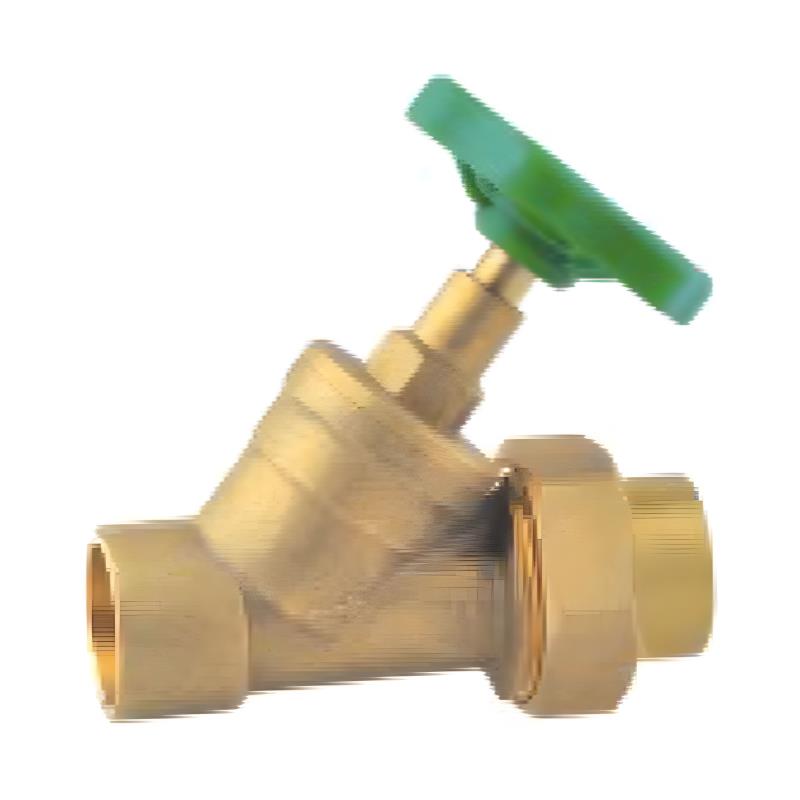
What Role Does the Stop Valve Factory Play in Quality
Design and manufacturing standards at the factory level determine the quality of the finished valve. A Stop Valve Factory that follows established standards produces consistent, reliable products. The design must address the specific demands of high-pressure service.
Testing and certification procedures confirm that each valve meets its rating. Pressure testing verifies the integrity of the body and bonnet. Seat leakage testing confirms that the valve seals properly. A Stop Valve Factory with robust testing processes provides confidence in the product.
Traceability and documentation support quality assurance. Records of material certifications, test results, and inspection data provide evidence that the valve meets specifications. The documentation also supports maintenance and replacement decisions over the valve's service life.
Where High Pressure Stop Valves Are Typically Applied
Saturated and superheated steam systems make frequent use of high-pressure stop valves. The valves isolate steam lines for maintenance and provide a means of shutting off flow in emergency situations. The operating conditions in steam systems make material selection and design critical.
Industrial gases and fluids also require High Pressure Stop Valve. Hydrogen, natural gas, and other gases at high pressure demand valves that can contain the media without leakage. The valve materials must be compatible with the service media to prevent corrosion or degradation.
Power generation facilities rely on high-pressure stop valves throughout the plant. Boiler isolation, turbine stop valves, and other critical locations all use these valves. The valves provide reliable shut-off in applications where failure could have serious consequences.
A few typical application areas:
- Steam lines in power plants and industrial facilities
- Gas pipelines and compressor stations
- Petrochemical processing equipment
- Critical isolation points in high-pressure fluid systems
What Maintenance Considerations Affect Long-Term Performance
The ability to replace internal seats without removing the valve from the line simplifies maintenance. Valves with renewable seat rings allow service without cutting the valve out of the piping. The feature reduces downtime and maintenance cost.
Wear patterns on sealing surfaces provide information about valve condition. A seat that shows uneven wear may indicate misalignment or debris in the flow path. Regular inspection catches these issues before they lead to leakage.
Inspection intervals for high load service depend on the severity of the operating conditions. A valve in a steam line that cycles daily needs more frequent inspection than one in a steady-state service. The owner should establish inspection schedules based on the specific application.
Why a High Pressure Stop Valve Provides Reliability Under Load
The combination of features that suit high load service comes together in a well-designed valve. Forged body construction, wear-resistant seating materials, and pressure ratings that match the application all contribute to reliable performance. The valve holds pressure, seals tightly, and operates when needed.
Demonstrated performance in demanding applications provides confidence in the design. High-pressure stop valves have been used in power generation, petrochemical, and industrial settings for decades. The service record shows that properly designed and manufactured valves perform reliably.
The contribution of proper design, materials, and manufacturing to long-term service cannot be separated. A valve that cuts corners on any of these aspects will show the effects over time. A valve that addresses each area thoroughly will provide years of reliable service in critical system locations.