+86-13989680588
 graylin@hongjiavalve.com
 Get a quote

 English
 русский
 Deutsch
Submit feedback
How High Pressure Stop Valve Controls Fluid Flow
Author: Hongjia
Date: Jul 31, 2026
Fluid movement keeps many industrial systems working in a steady rhythm. Pipes carry liquids or gases from one section to another, and each connected part depends on a flow condition that fits its own task. When movement becomes too quick, too weak, or too uneven, operators often need to make adjustments before the whole system begins to feel unstable.
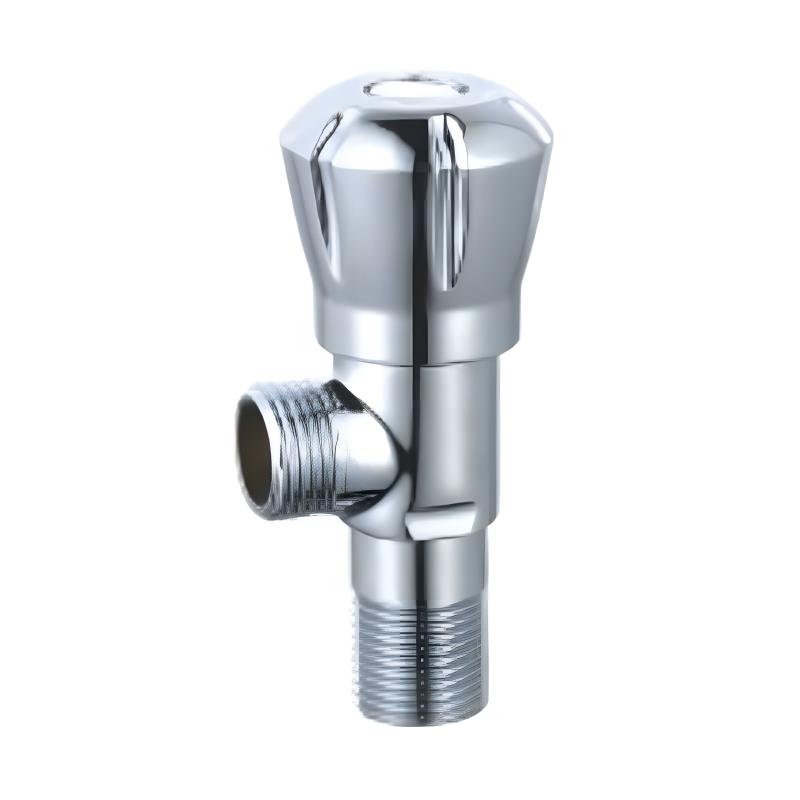
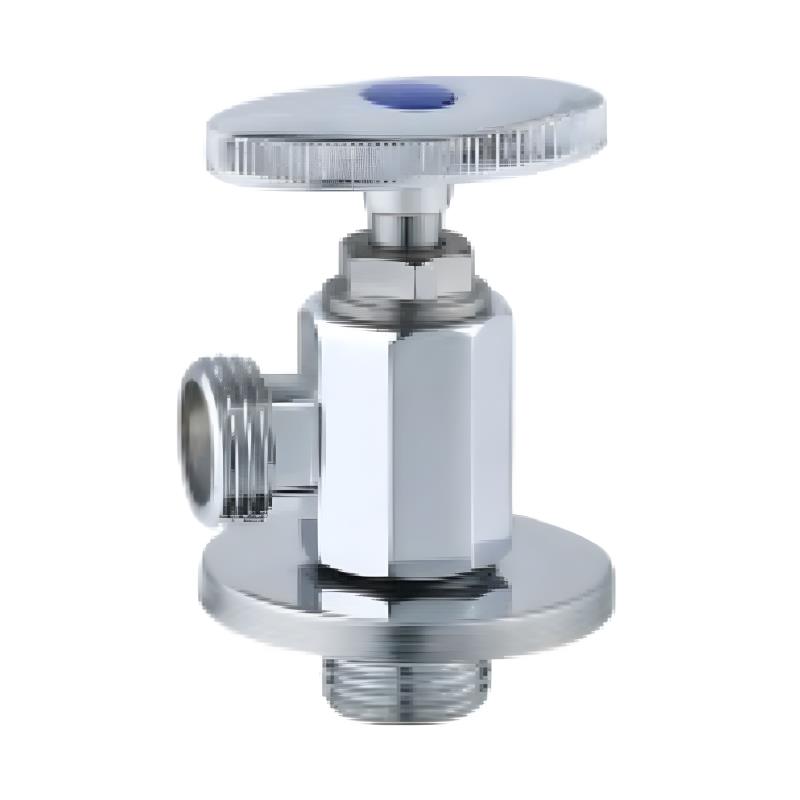
A High Pressure Stop Valve sits in that flow path and gives operators a way to manage movement without disturbing the rest of the line more than necessary. In many systems, stopping or reducing flow is not a rare action. It becomes part of normal work whenever inspection, repair, or process changes are needed.
Precise regulation matters because pressure and flow always influence each other. A pipeline that looks simple from the outside may still need careful control inside, especially when different equipment relies on a stable supply.
A few common situations show why regulation matters:
- one section of equipment may need fluid flow while another section must stay closed
- maintenance work may require temporary interruption
- pressure changes can affect connected machinery
- flow speed may need adjustment during different working stages
Even a small shift in flow can change how the system behaves. That is why a valve is not just a connector between pipe sections. It becomes part of the working logic of the whole installation.
How Does The Internal Closing Mechanism Regulate Flow
A stop valve controls fluid by changing the opening inside the body. When the operating part moves, the internal closing element shifts position and either creates space for fluid or narrows the passage.
That movement is usually gradual rather than sudden. A slow change helps the pipeline respond in a more controlled way, which is useful when the system cannot handle abrupt changes in pressure or direction.
The process can be understood in a simple way.
When the valve begins to open, the passage becomes wider and fluid can move through more freely. When the opening becomes smaller, flow slows down. Once the internal part reaches the sealing area, movement stops altogether.
Several details affect how that mechanism behaves in practice:
Movement Of Internal Parts
The stem, disc, and sealing area need to work together smoothly. Uneven movement can make adjustment harder than expected.
Position Of The Opening
A partially open position is often used when the system needs controlled flow rather than a full stop or a full pass.
Sealing Contact
Once the closing element meets the sealing area, the valve should hold fluid movement in place without unnecessary leakage.
Repeated Operation
Some systems require regular opening and closing. Stable internal movement becomes important when the same action happens many times.
In real use, the operator is often thinking less about the internal shape and more about how the valve responds. If turning feels steady and the flow changes in a predictable way, daily work becomes easier to manage.
Which Factors Influence Flow Stability During Operation
Flow stability depends on several parts of the system working together. Even a well-made valve can behave differently when surrounding conditions change. That is why operators usually look at the whole installation rather than one item alone.
Pressure is one of the first things to consider. A pressurized system creates force inside the pipeline, and the valve needs to stay steady while controlling that movement. If pressure changes during operation, the way fluid passes through the line may also shift.
Other factors can shape the result as well:
- fluid type and condition
- operating pressure
- speed of opening or closing
- pipeline layout
- surrounding equipment arrangement
The type of fluid matters because different liquids and gases behave in different ways. Some systems carry cleaner flow, while others may involve conditions that place more demand on internal surfaces.
Pipeline layout also plays a part. A narrow working area, a crowded installation, or a poorly planned connection path can make stable operation harder to maintain.
A High Pressure Stop Valve works best when the surrounding environment allows it to move in a controlled way. Stable flow is not created by one component alone. It comes from the connection between valve, pipeline, and operating habit.
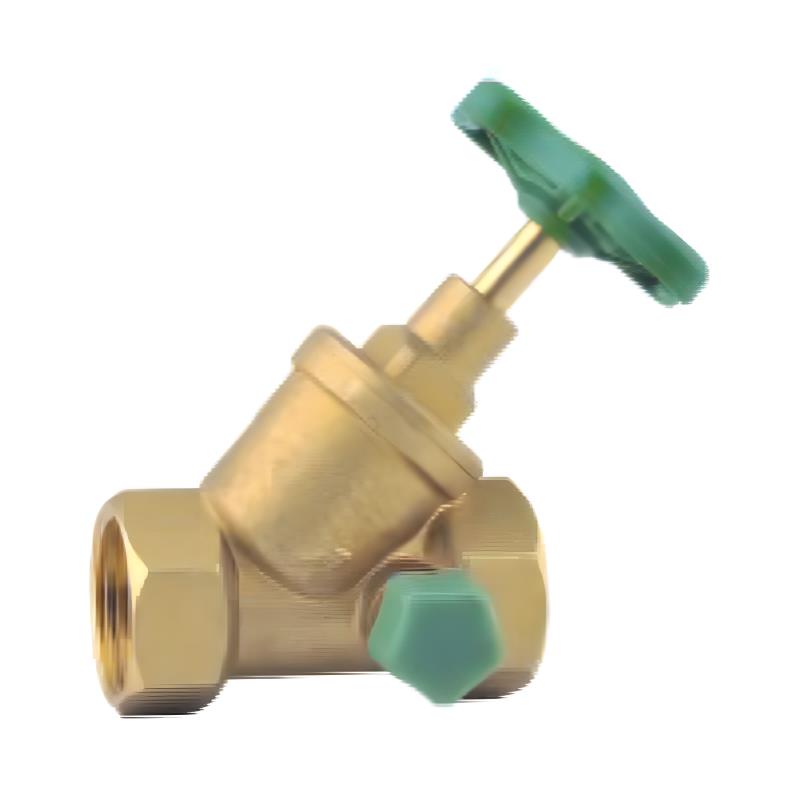
Why Does Material Selection Matter Under Pressurized Conditions
Material choice has a direct effect on how a valve behaves over time. Pressurized systems create repeated contact between moving parts, sealing areas, and the surrounding environment, so the material needs to match the actual working conditions.
The valve body needs enough strength to remain in place during regular use. Internal parts need to move without becoming difficult to operate after repeated cycles. Sealing areas need to stay in contact with neighboring surfaces while still allowing normal opening and closing when required.
Several material-related concerns often appear during selection:
Wear From Repeated Movement
Each opening and closing action creates friction. Materials that handle repeated contact more smoothly can help maintain easier operation.
Reaction To The Working Environment
Moisture, temperature changes, and fluid characteristics may influence how long a material keeps its shape and condition.
Sealing Support
Good sealing depends not only on design, but also on whether the chosen material can hold its contact area properly during use.
Long-Term Stability
Materials should remain suitable after regular operation rather than only looking correct during installation.
A High Pressure Stop Valve needs to match the environment where it will be installed. Material selection becomes part of system planning, not only part of product choice. When material and working condition fit each other, the valve usually becomes easier to manage across long service periods.
How Installation Position Changes Flow Performance
A valve installation tends to be fairly closely connected with later operation. During pipeline planning, attention often gets placed on connection points and system arrangement, while the space around each component may receive somewhat less attention. In daily use, however, access and visibility can affect how easily operators inspect and adjust equipment down the line.
A valve placed too close to surrounding structures may create small problems during routine work. Checking for leakage, turning the control part, or carrying out maintenance can become fairly inconvenient when there's limited working space to move around in.
A few practical points are probably worth considering during installation.
Flow Direction
Fluid inside a pipeline tends to follow a planned route. Installing a valve in the correct direction tends to help internal components respond properly when flow conditions change.
Pipeline Stress
Pipe connections should probably remain naturally aligned after installation. Extra pressure from uneven positioning may place unnecessary force on the valve body and connected areas over time.
Service Access
Regular inspection tends to require a reachable position. A valve hidden behind other equipment may get overlooked simply because checking it takes additional effort than it probably should.
Working Environment
Dust, moisture, and surrounding temperature changes may influence daily maintenance. A suitable installation location tends to make cleaning and inspection a bit easier.
Installation decisions often tend to affect the working experience well after construction gets completed. A position that allows convenient operation can reduce difficulties during future inspections and adjustments.
What Daily Maintenance Helps Keep Flow Control Stable?
Daily maintenance probably doesn't always involve major repair work. In many cases, small observations tend to provide useful information about equipment condition before noticeable problems actually appear.
Operators usually become familiar with normal valve movement through regular use over time. A change in operating resistance, unusual sound, or visible moisture around connection areas may indicate that closer inspection is probably needed.
Common maintenance activities tend to include:
- Removing dust or residue around the valve surface
- Checking visible sealing areas
- Observing opening and closing movement
- Recording unusual operating changes
- Keeping surrounding areas clean
Cleaning is a fairly simple step that tends to support inspection. Dirt collected around moving parts can make it harder to notice small changes during regular checks.
Operating movement also probably deserves attention. A valve that becomes harder to turn may have changes happening inside the mechanism or around the sealing area. Checking early tends to let maintenance teams decide whether further action is actually necessary.
Maintenance records can also support future planning. Notes about previous inspections, adjustments, or repeated concerns tend to provide useful references when reviewing equipment condition later.
A stable flow system probably depends on fairly consistent care. Regular attention tends to help operators understand how equipment behaves under normal working conditions.
How Different Industries Use Flow Regulation Equipment
Different industries tend to rely on fluid movement in fairly different ways. Some systems transport liquids between equipment sections, while others require controlled flow during production or maintenance activities.
Manufacturing facilities often use pipelines to connect different working areas. Fluid supply may need adjustment according to equipment requirements, which tends to make flow control part of normal operation.
Processing environments also tend to depend on controlled movement. A system may contain several connected stages, and each stage can require somewhat different operating conditions.
A few common application areas include:
Production Systems
Fluid movement may support equipment operation during daily processes. Controlled adjustment tends to help maintain suitable working conditions between connected units.
Utility Networks
Water and other fluids often need regulation during operation, inspection, and maintenance work.
Equipment Connections
Machines connected to pipelines may require a fairly stable fluid supply. Proper control tends to help operators manage the connection between the pipeline and equipment.
Although working environments vary quite a bit, the basic purpose tends to remain fairly similar. Operators generally need a reliable way to manage fluid movement according to actual requirements.
Understanding the application environment often tends to provide clearer guidance than simply comparing product categories side by side.
How Does a Stop Valve Supplier Support Practical System Planning?
Selecting a valve probably involves more than checking basic product information alone. The surrounding system, installation conditions, and maintenance expectations all tend to influence whether a product actually fits a particular application.
A Stop Valve Supplier can provide information related to product structure, installation considerations, and usage conditions. Communication before installation tends to let users review possible requirements before equipment enters daily operation.
A few important discussions may include:
- Connection methods
- Material suitability
- Installation location
- Maintenance requirements
- Replacement planning
Different systems tend to have different layouts. A valve used in one pipeline arrangement may face quite different conditions from another installation. Practical communication tends to help match equipment choices with actual operating needs.
Technical documents and maintenance information can also support later use. Operators may refer back to installation details when checking equipment or arranging service work.
The relationship between suppliers and users probably connects fairly closely with long-term system management. Clear information exchange tends to help reduce confusion and lets equipment decisions follow real working conditions more closely.
Practical Comparison of Flow Control Considerations
Flow regulation tends to involve several connected factors. Looking at each point separately probably helps explain how installation, operation, and maintenance influence daily performance overall.
| Consideration | Practical Influence | Daily Benefit |
|---|---|---|
| Opening Position | Affects the amount of fluid passing through | Easier adjustment during operation |
| Installation Layout | Influences access and inspection convenience | Simpler maintenance work |
| Material Selection | Affects response to working conditions | Supports steady operation |
| Maintenance Routine | Helps identify changes over time | Better equipment management |
| Pipeline Condition | Influences overall flow behavior | More controlled system operation |
Probably no single factor alone determines how a valve performs after installation. Actual results tend to come from the connection between equipment design, working environment, and daily management together.
Why Practical Operating Conditions Matter More Than Product Names
Choosing flow control equipment tends to require attention to the environment where it'll actually work. A product name may describe general use, while actual operation tends to depend more on pipeline conditions, fluid characteristics, and maintenance habits.
A High Pressure Stop Valve tends to become part of a fairly complete system that includes pipes, connected equipment, operators, and inspection routines. Each part probably influences how smoothly the system operates overall.
Before selection, a few practical questions are probably worth asking:
- Where will the valve be installed?
- How frequently will adjustment happen?
- What maintenance conditions exist?
- What type of fluid will pass through the system?
A Stop Valve Supplier may help users review these points and prepare suitable information before installation begins.
Flow control tends to relate fairly closely to everyday operation. Proper installation, suitable materials, regular inspection, and clear operating practices all tend to influence how easily a system can be managed over time.