+86-13989680588
 graylin@hongjiavalve.com
 Get a quote

 English
 русский
 Deutsch
Submit feedback
Why Choose a Threaded Stop Valve for Flow Control Systems
Author: Hongjia
Date: Jun 26, 2026
Pipes run through buildings, factories, and processing plants carrying water, steam, oil, and other fluids. Every drop that moves through those pipes needs to be controlled at some point. That control happens through valves positioned at key locations along the network. Stop valves serve as one of the more common types found in these installations.
The basic job of a stop valve involves starting or stopping fluid movement through a pipe. When the valve sits fully open, fluid passes through without restriction. When closed, the valve blocks the flow entirely. That on-off function might sound simple, yet the reliability of that operation affects everything downstream. A valve that fails to close completely leaves systems operating when they should be shut down. A valve that sticks in the closed position prevents fluid from reaching equipment that needs it.
Stop valves appear at various points within a piping layout. They sit before and after pumps, around storage tanks, and at branching points where lines split into different directions. Maintenance personnel rely on these valves to isolate sections of pipe for repair work. Without stop valves at appropriate locations, fixing a leak or replacing a component would require shutting down an entire system rather than just the affected branch.
Stop Valves earn their name from the connection method used to attach them to the pipe. The valve body carries threads that match corresponding threads on the pipe end. Making the connection involves threading the two pieces together, creating a joint that seals under pressure. Plumbers and pipefitters have worked with threaded connections for generations, and the method remains in widespread use today.
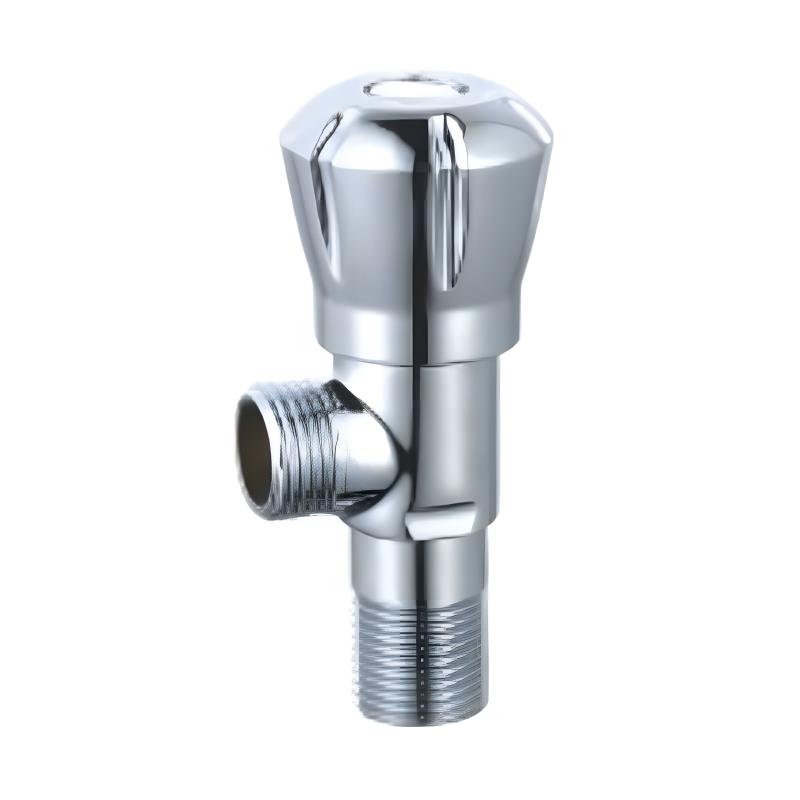
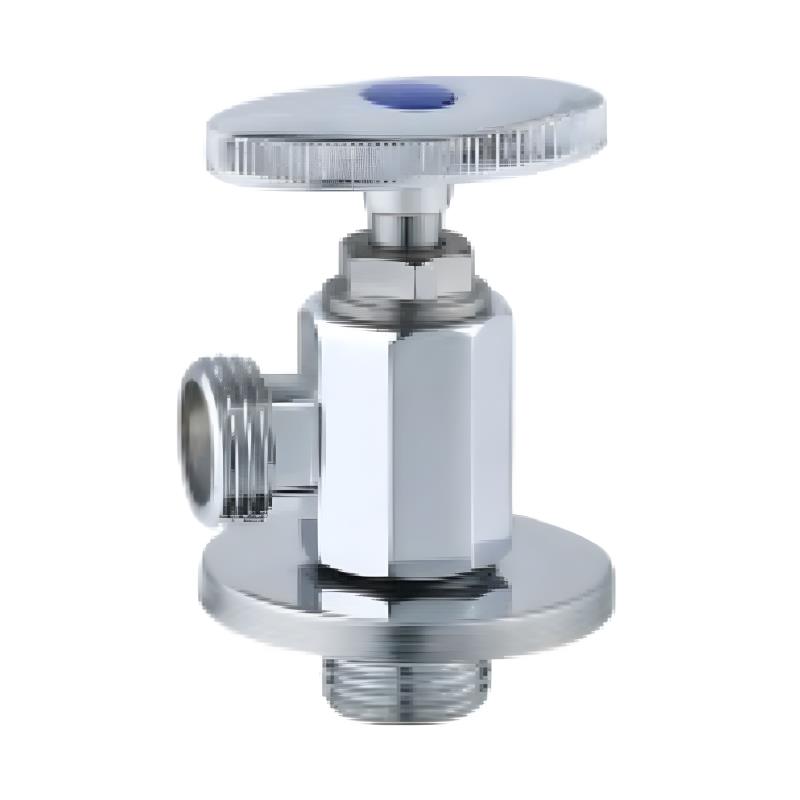
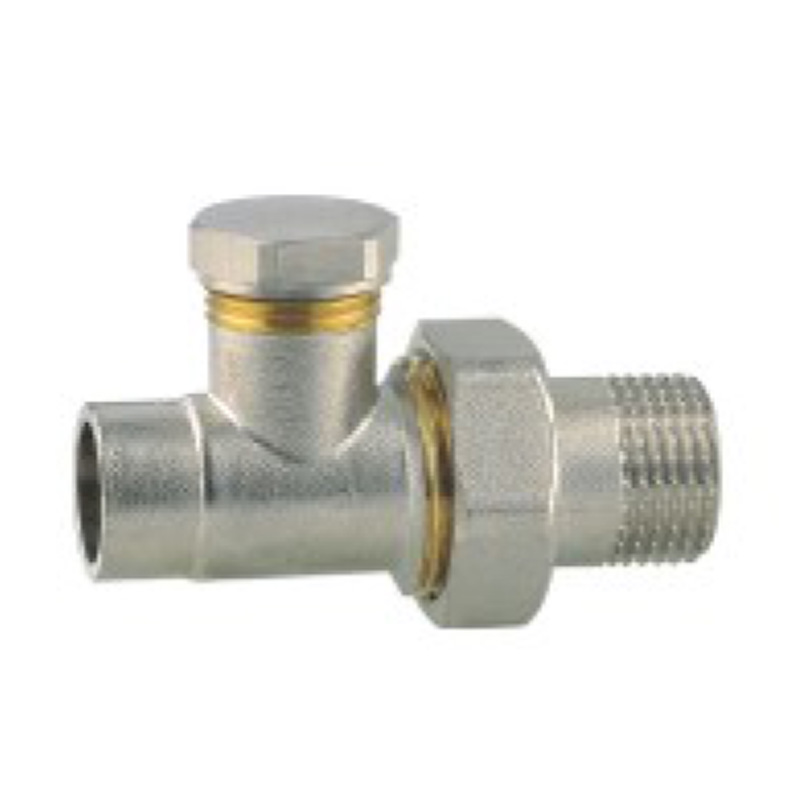
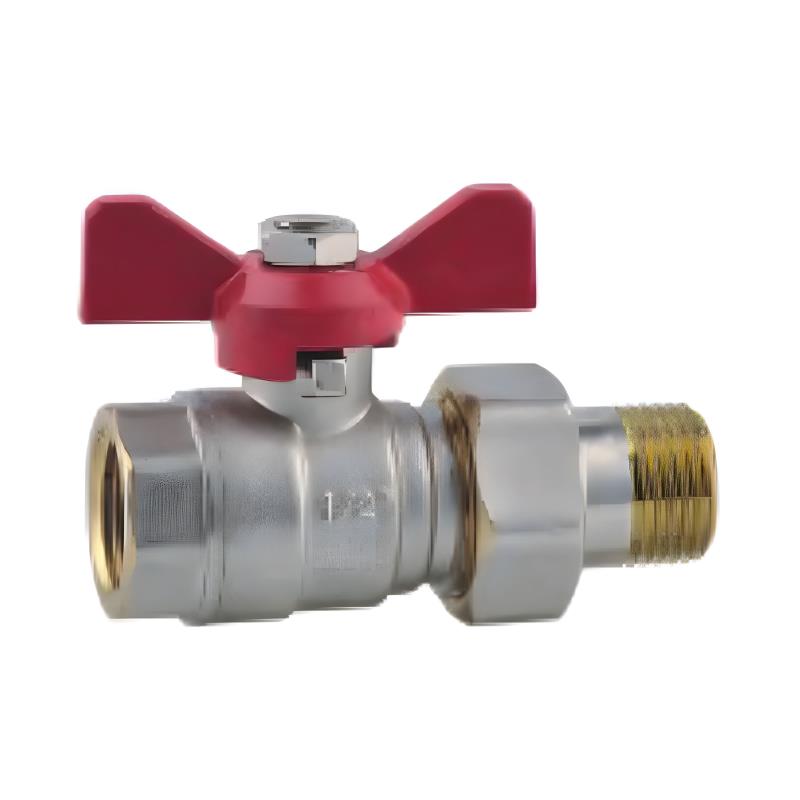
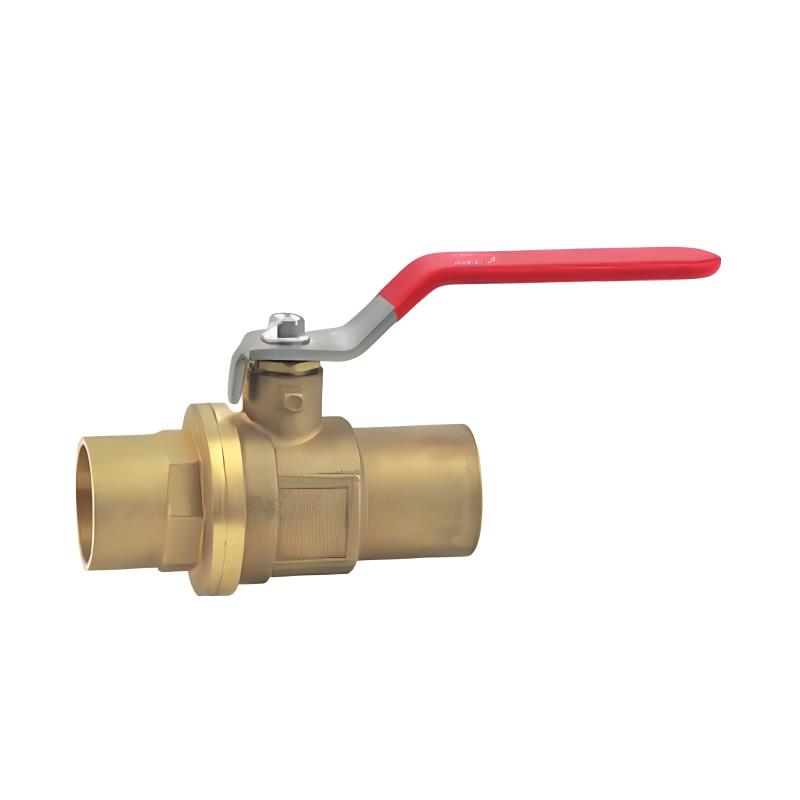
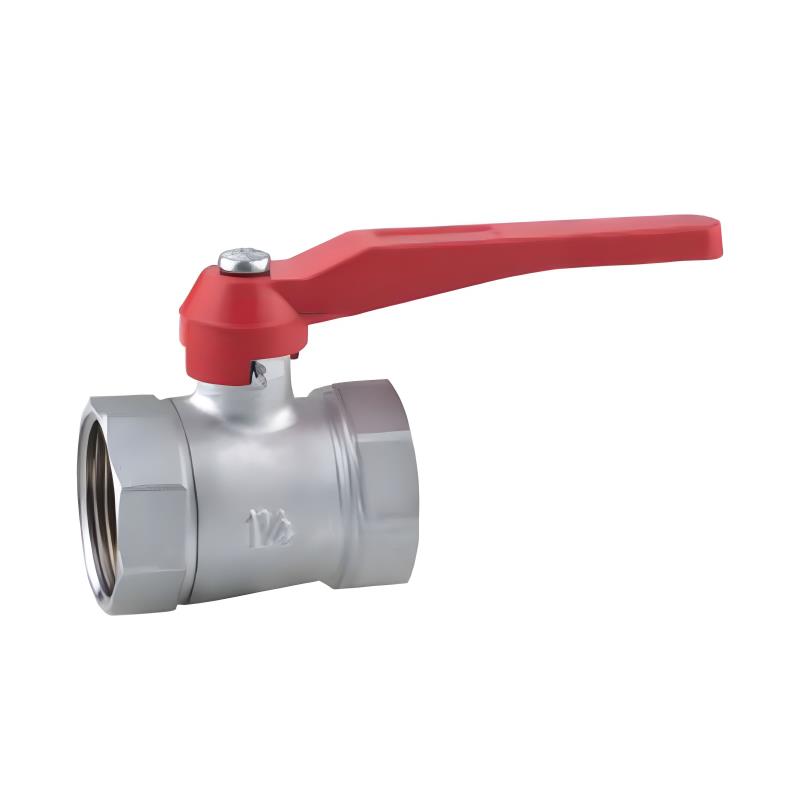
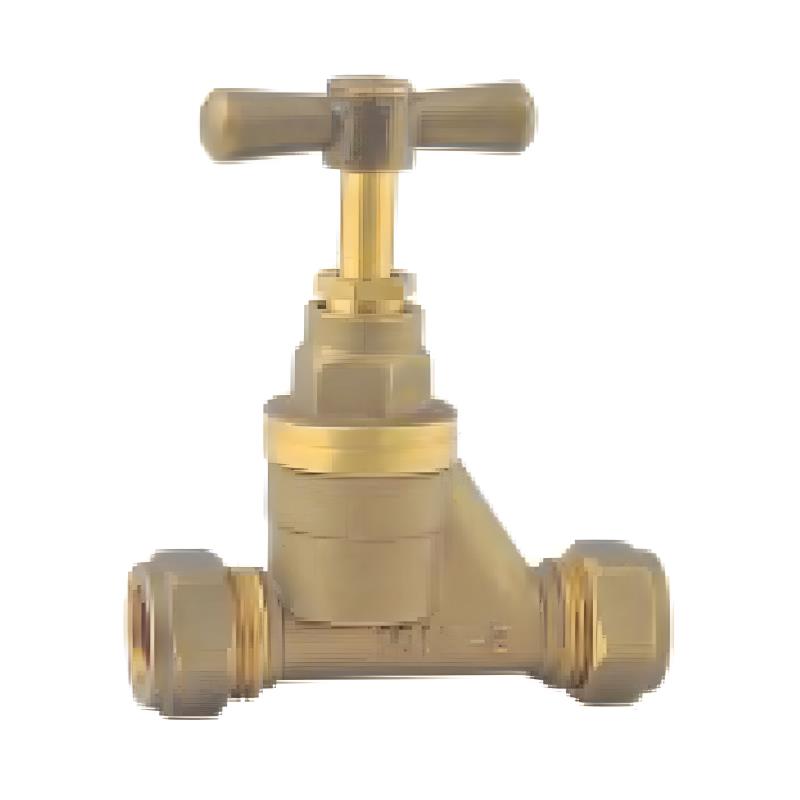
A Threaded Stop Valve has several identifying features. The body serves as the main housing, cast or machined into a shape that contains the internal mechanism. Materials vary based on what the valve handles. Brass appears frequently in plumbing applications. Bronze handles higher pressures. Various grades of steel appear in industrial settings.
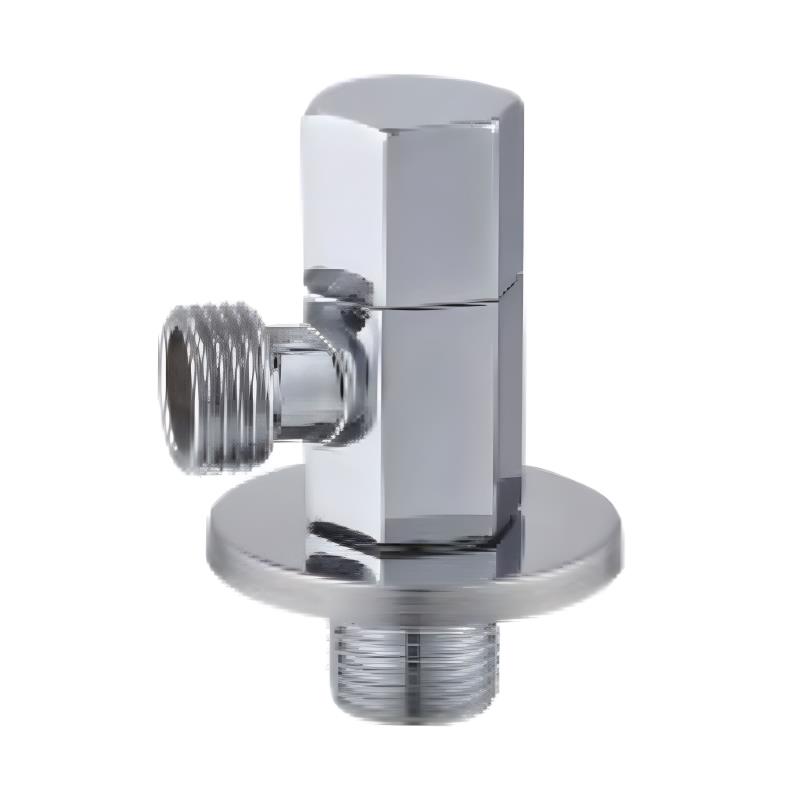
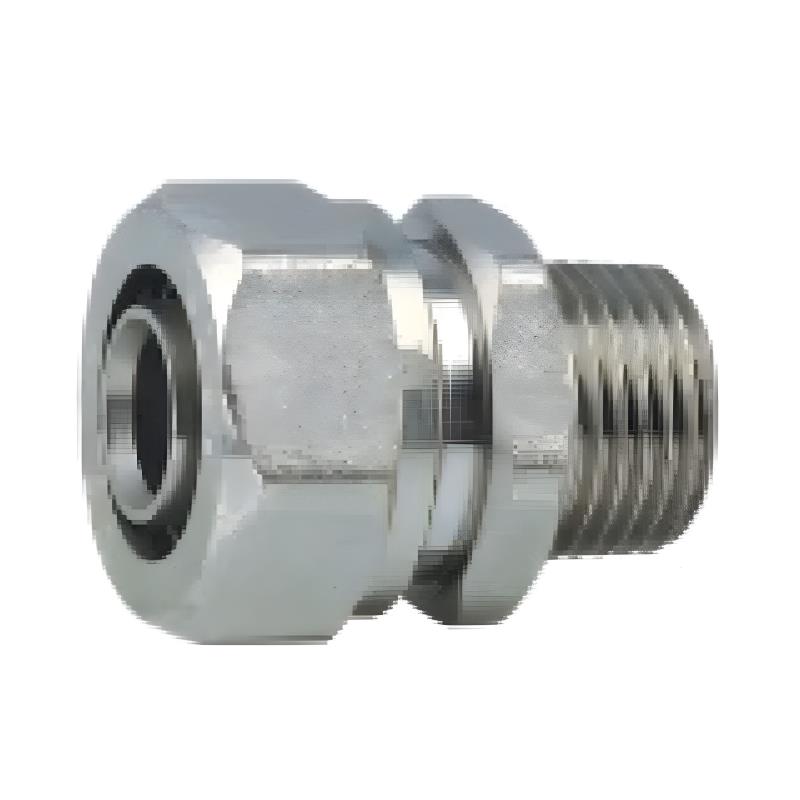
The thread pattern defines the connection. Male threads go on the outside of the fitting, female threads inside. Standard pipe threads follow established specifications that ensure compatibility across different sources. A stop valve factory machines threads to precise dimensions so the joint fits properly when assembled.
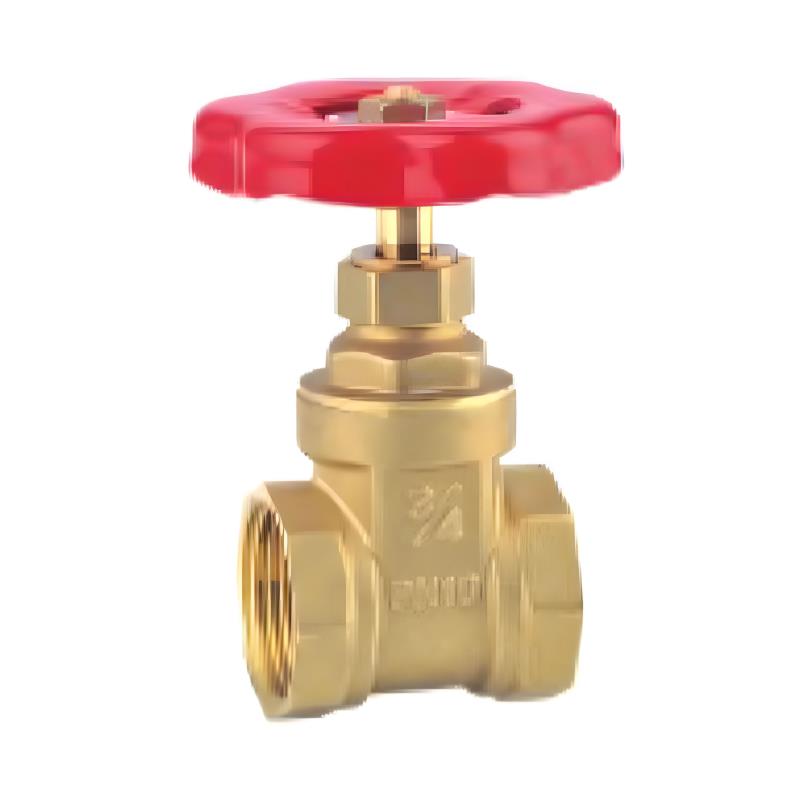
Inside the body sits the valve mechanism. A disc or plug moves up and down against a seat to control the flow. A stem runs from the disc up through the valve body and connects to a handwheel or lever. Turning the handwheel rotates the stem, which moves the disc toward or away from the seat. The packing around the stem keeps fluid from leaking out of the valve body when the stem moves.
Operation happens through manual effort. A handwheel provides enough mechanical advantage to open or close the valve under system pressure. Larger valves may include a gearbox to reduce the effort needed. Simple design means fewer parts to fail. The straightforward construction of a Stop Valve Manufacturer's typical product line keeps maintenance manageable.
What Makes Threaded Connections Suitable for Stop Valves
Threaded joints have been used in piping for a long time. The method has survived changes in pipe materials, manufacturing methods, and system requirements. Several characteristics explain why threaded connections continue to appear in so many installations.
The assembly of a threaded joint requires only basic hand tools. A pipe wrench grips the valve body and the pipe wrench turns the two pieces together. No welding equipment, no specialized alignment tools, no heat treatment equipment needed. Any pipefitter carries the tools needed to install a threaded valve.
Threads create a mechanical joint that holds the valve in position. The interlocking thread flanks keep the valve from pulling apart under pressure. The friction between mating threads provides a certain amount of resistance to loosening from vibration. The joint also centers the valve on the pipe axis without requiring separate alignment steps.
Sealing at a threaded joint involves the spaces between the thread crests and roots. These spaces get filled with a sealant—pipe dope or Teflon tape—that prevents leaks through the thread path. The sealant also lubricates the threads during assembly, allowing the joint to tighten fully.
The size range where threaded connections work best covers many common applications. Pipes up to a certain diameter accept threaded joints readily. Larger pipes often use flanged or welded connections, but the threaded option covers a significant portion of industrial and commercial installations.
How a Stop Valve Factory Approaches Threaded Valve Production
Making Threaded Stop Valves requires attention to detail throughout the production process. A stop valve factory starts with raw material in the form of bars, castings, or forgings. Each piece moves through machining operations that shape the body and create the internal passages.
Thread cutting represents a critical step. The threads on the valve body must match the threads on the pipe. That means holding dimensions within narrow limits. A thread that runs too tight will not assemble. A thread that runs too loose will leak or fail under pressure. Precision comes from well-maintained equipment and regular checking of thread dimensions.
The internal seat and disc surfaces also require careful finishing. A rough seat allows leakage when the valve closes. A damaged disc affects the shutoff capability. The mating surfaces are often lapped to achieve a smooth finish that seals when the valve is closed. A Stop Valve Manufacturer invests in equipment and processes that produce consistent surface finishes.
Pressure testing follows assembly. Each valve gets subjected to test pressure higher than the working pressure it will see in service. The test checks the valve body for leaks and verifies that the seat holds. Valves that pass the test move to packaging and shipping.
Where Stop Valves Fit in Piping Systems
Stop Valves appear in a wide range of locations within piping networks. Building plumbing systems represent one of the larger application areas. Water supply lines, heating systems, and cooling loops all incorporate threaded valves at convenient locations for maintenance access.
Industrial process lines use threaded valves as well. Chemical plants, food processing facilities, and manufacturing operations all need flow control. Threaded Stop Valve handle many of these applications, especially where pipe sizes stay within the threadable range. A Stop Valve Manufacturer designs products that meet the demands of different process conditions.
Certain positions within a piping layout see more stop valves than others. Pump discharge lines typically have a stop valve to allow pump isolation. Supply and return lines on storage tanks include valves for filling and drainage. Branch lines taken off a main header require valves to shut off individual sections without interrupting the entire system.
The ability to replace a valve without cutting or welding pipe makes threaded designs attractive for locations where changes happen frequently. Maintenance crews can unscrew the old valve and screw in a replacement in a relatively short time. The valve is the access point for system shutdown, the point where work can be done safely, and the means to restore service when the work ends.
How Installation Practices Affect Threaded Stop Valve Performance
Putting a Threaded Stop Valve into service involves more than just screwing it onto a pipe end. The way the valve gets installed affects how well it works and how long it lasts. Good installation practices produce reliable joints. Poor installation leads to leaks and premature failure.
Thread engagement deserves attention during assembly. The pipe needs to thread into the valve far enough to create a secure joint, though not so far that the pipe end protrudes into the valve body. A pipe that extends too far can interfere with the disc or seating surface. The valve may not close completely if the disc hits the pipe end. Measuring the thread depth before assembly prevents that problem.
Sealing methods influence joint integrity. Pipe dope or Teflon tape fills the spaces between thread crests and roots. Tape wraps around the male threads in a direction that matches the tightening direction. If wrapped the wrong way, the tape tends to bunch up during assembly. Dope gets applied evenly to cover all threads. A Stop Valve Manufacturer often specifies what sealants work with their valve materials.
Tightening torque matters as well. A joint that is too tight can strip threads or crack the valve body. A joint that is too loose might leak or pull apart under pressure. Experienced pipefitters develop a feel for proper tightening. They use wrenches of appropriate size and avoid using extensions that multiply force beyond reasonable levels.
The position of the valve during installation affects maintenance access. The handwheel needs to be reachable for operation. The valve should sit where someone can turn it without climbing or reaching around obstacles. That consideration goes into the layout before any piping gets assembled.
What Maintenance Considerations Apply to Stop Valves
Once installed, a stop valve enters a service life that can span decades. Regular maintenance keeps the valve operating smoothly and extends its useful life. Some maintenance tasks happen on a schedule. Others occur when signs of trouble appear.
Packing represents one of the maintenance items. The packing around the stem prevents fluid from escaping along the stem path. Over time, packing can dry out or compress. Leaks around the stem signal the need for adjustment. Tightening the packing nut stops many leaks. Sometimes the packing needs replacement entirely, which means removing the old packing and installing new rings.
Operation checks should happen during routine rounds. A valve that operates smoothly when opened and closed is likely in good condition. A valve that binds or feels rough may have internal wear or corrosion. Exercising valves through their full travel periodically helps prevent sticking.
Threaded connections stay tight through years of service. Temperature changes and vibration can cause joints to loosen. A Stop Valve Manufacturer designs threads with enough taper to maintain sealing, though external factors can still produce loosening. Maintenance crews sometimes check joint tightness during scheduled inspections.
| Activity | What To Look For | Why It Matters |
|---|---|---|
| Packing adjustment | Stem leaks | Prevents fluid loss |
| Operation exercise | Smooth movement | Prevents sticking |
| Thread inspection | Corrosion or damage | Maintains joint strength |
| Handwheel check | Loose or stripped | Ensures reliable operation |
| Seat seal check | Leaks when closed | Verifies shutoff ability |
When the valve no longer closes completely, internal wear has likely occurred. The seat or disc surface may have become scored or eroded. Some valves allow seat replacement. Others require complete valve replacement. A stop valve factory provides guidance on repairability when clients ask.
How Flow Control Accuracy Differs Across Valve Types
Not all valves handle flow control in the same way. Stop valves serve a particular function—starting or stopping flow. That function differs from throttling, which involves controlling the rate of flow. Some valve designs excel at throttling, while stop valves do their job best in fully open or fully closed positions.
The interior passage of a stop valve changes direction as fluid moves through. Fluid enters the valve body, passes around the disc, and exits through the outlet. This path creates pressure drop even when the valve is fully open. That pressure drop is not a problem for most applications, though some systems prefer valves with straighter flow paths.
Flow regulation using a stop valve works in a limited way. Partially opening a stop valve reduces flow, though the relationship between handle position and flow rate is not linear. Small changes in handwheel position can produce large changes in flow near the closed position. Operators who try to throttle flow with a stop valve find the control to be coarse.
A Stop Valve Manufacturer provides valves intended for on-off use. The design focuses on reliable shutoff rather than precise flow adjustment. Other valve types—globe valves, needle valves, or control valves—offer better throttling characteristics. Understanding the difference helps system designers choose the right valve for each location.
What Material Choices Are Available for Stop Valves
The material used for a stop valve body affects the valve's performance across different operating conditions. Material selection connects to fluid type, temperature, and pressure.
Brass serves as one of the more common materials for smaller valves in plumbing applications. The material machines well and forms reliable threads. Brass resists corrosion from water and many other fluids. Bronze offers similar corrosion resistance with higher strength for elevated pressures. These materials appear frequently in building systems.
Steel and iron appear where higher pressures or temperatures exist. Carbon steel works with many industrial fluids. Ductile iron provides strength and durability in larger sizes. Stainless steel provides resistance to corrosion, erosion, and oxidation. A stop valve factory offers options so clients can match the material to their application.
Fluid type drives the decision in many cases. Acidic or caustic fluids require corrosion-resistant materials. High-temperature steam needs materials that maintain strength at elevated temperatures. Low-temperature applications require materials that do not become brittle in the cold.
Pressure and temperature ratings determine whether a given material works for a system. A valve sized for steam service differs from one sized for water service. The working temperature affects material strength. A Stop Valve Manufacturer typically publishes pressure-temperature ratings for each material offered.
Why System Designers Select Threaded Stop Valve for Projects
System designers consider several factors when choosing valve types for a project. Stop Valves appear in specifications for many installations. The reasons draw from practical advantages.
The tool requirement for installation stays modest. Threaded valves need pipe wrenches and sealant. No welding equipment required. No special training beyond standard pipefitting skills. For smaller pipe sizes, threaded valves keep installation straightforward.
Availability across standard pipe sizes simplifies specification. Threaded Stop Valve come in dimensions that match common pipe schedules. That availability means supply houses stock the needed sizes. Replacement valves can be obtained without long lead times.
Life cycle cost includes initial purchase, installation, and maintenance. Threaded valves generally cost less than flanged or welded valves of comparable size. Installation time runs shorter, reducing labor expense. Repair or replacement happens without cutting pipe, saving time on maintenance calls.
Reliability has been established through many years of service. Stop Valves have been installed in millions of systems. The design has been refined over generations. A stop valve factory builds on that experience, producing valves that continue performing as expected.
The choice of a Threaded Stop Valve ultimately reflects practical considerations. The valve does what it needs to do. It goes in without special equipment. It gets replaced without disrupting the whole system. Those qualities keep Stop Valves in the specification book for project after project.