+86-13989680588
 graylin@hongjiavalve.com
 Get a quote

 English
 русский
 Deutsch
Submit feedback
How to Choose Industrial Brass Fittings for Water Lines
Author: Hongjia
Date: Jun 30, 2026
Water lines need connections that hold. A fitting that leaks or fails creates problems that ripple through the entire system. Brass has been a go-to material for these connections across many industries. The reasons are practical and have held up over time.
Industrial Brass Fittings offer a combination that is hard to match. Brass handles moderate pressure without trouble. It does not corrode easily in most water conditions. It machines cleanly, which means threads come out precise and seals seat properly. Those qualities have kept brass in use for generations.
But not every brass fitting performs the same way. The alloy varies. The manufacturing quality varies. The design of the fitting itself varies. Two fittings that look similar may behave very differently in service. Understanding what separates a good fitting from a problematic one helps in making a sensible choice.
Understanding the Operating Environment
The conditions a fitting lives in set the demands on it. Pressure is the first thing to consider. Some lines run at low pressure, barely above what comes from the supply. Others run much higher. A fitting that works in a low-pressure line may fail in a high-pressure one.
Temperature comes next. Hot water affects brass differently than cold. The metal expands when warm and contracts when cool. Repeated cycles can loosen connections over time. A fitting that holds fine in a cold line may develop leaks in a hot water system.
The water itself matters too. Some water contains dissolved minerals that deposit on internal surfaces. Other water is more aggressive, with a pH that attacks the metal surface. The interaction between the water and the brass determines how long the fitting lasts. Ignoring water quality when selecting fittings is a common mistake.
Brass Alloy Composition and What It Means for Performance
Brass is not a single material. It is a family of copper-zinc alloys, and the proportions vary. The differences show up in how the fitting performs and how long it lasts.
| Alloy Characteristic | Effect on Performance | When It Matters |
|---|---|---|
| Higher copper content | Better resistance to corrosion | Aggressive water conditions |
| Higher zinc content | Increased strength | Higher pressure lines |
| Lead added | Easier machining, finer threads | Precision threaded fittings |
| Low lead | Reduced leaching | Drinking water applications |
The choice of alloy is not just about picking one off a shelf. It involves matching the material to the specific water chemistry and operating conditions. A fitting that lasts ten years in one installation might fail in two years in another with different water.
Lead content deserves particular attention. Lead improves machinability, which keeps manufacturing costs lower. It also affects how the fitting performs in certain water conditions. The decision to use leaded or low-lead Industrial Brass Fittings depends on the application and the regulatory environment.
Fitting Types and Their Specific Applications
Industrial Brass Fittings come in a range of shapes and configurations. Each type has a job to do. Knowing which one fits where simplifies the selection process.
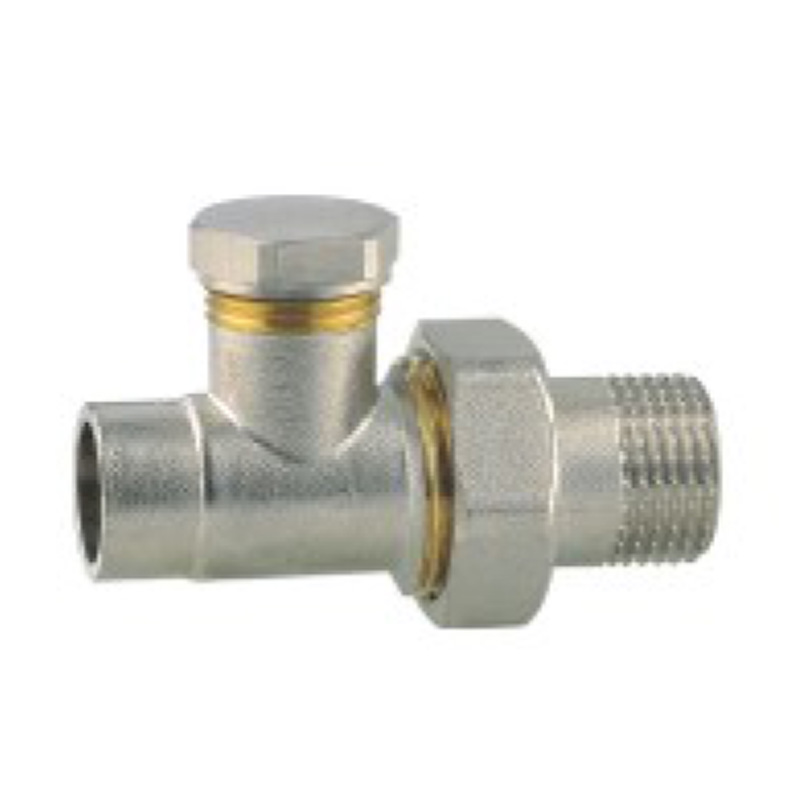
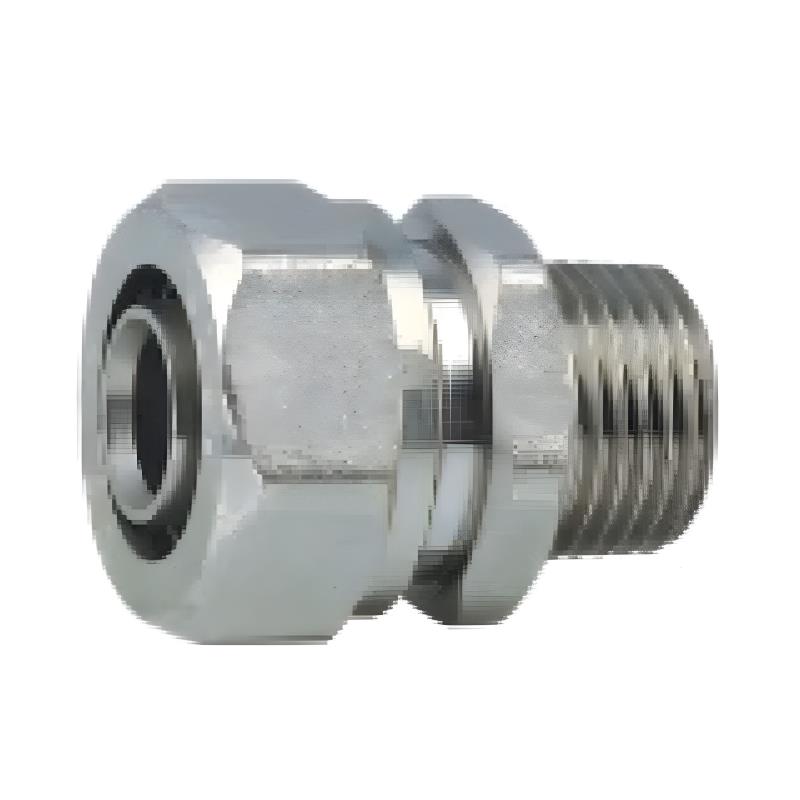
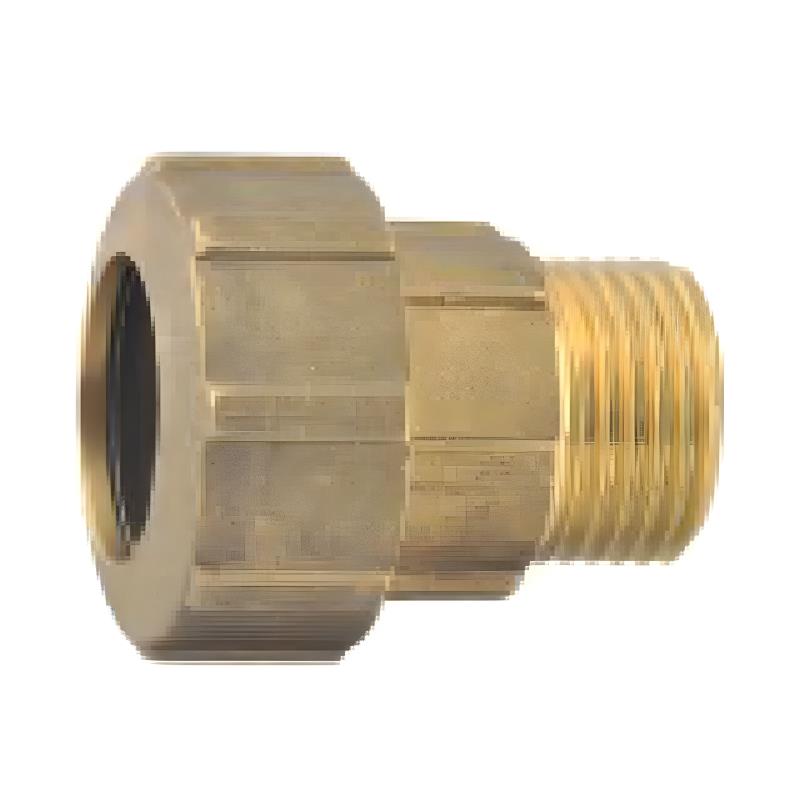
Connectors, adapters, and couplings join pipes of different sizes or materials. A connector might attach a brass fitting to a copper tube. An adapter could bridge a threaded connection to a soldered joint.
Elbows and tees redirect the water line. Elbows turn the flow at an angle. Tees split the flow in two directions. The layout of the system determines which of these are needed.
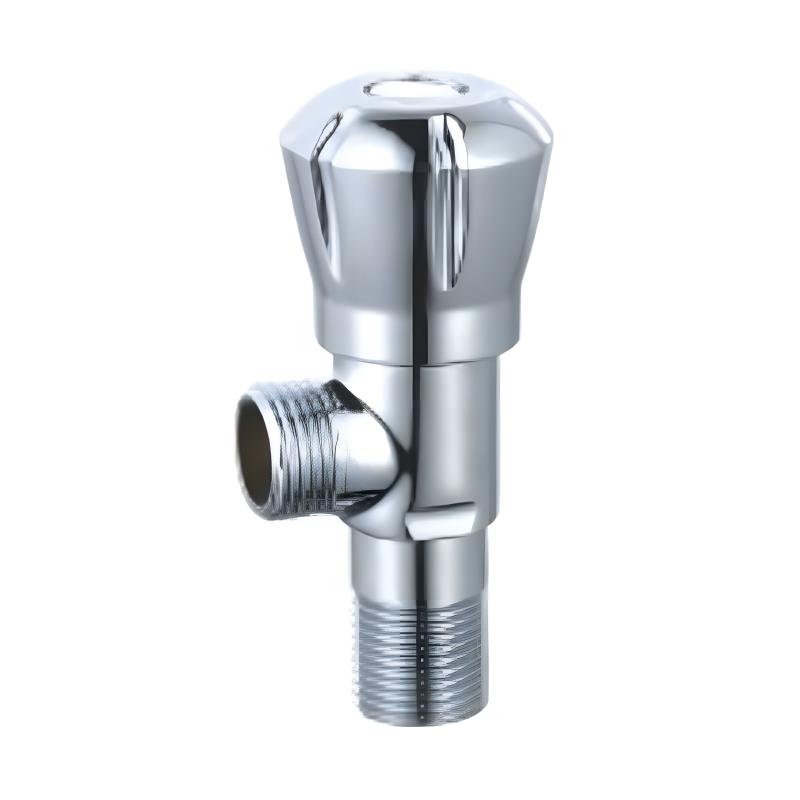
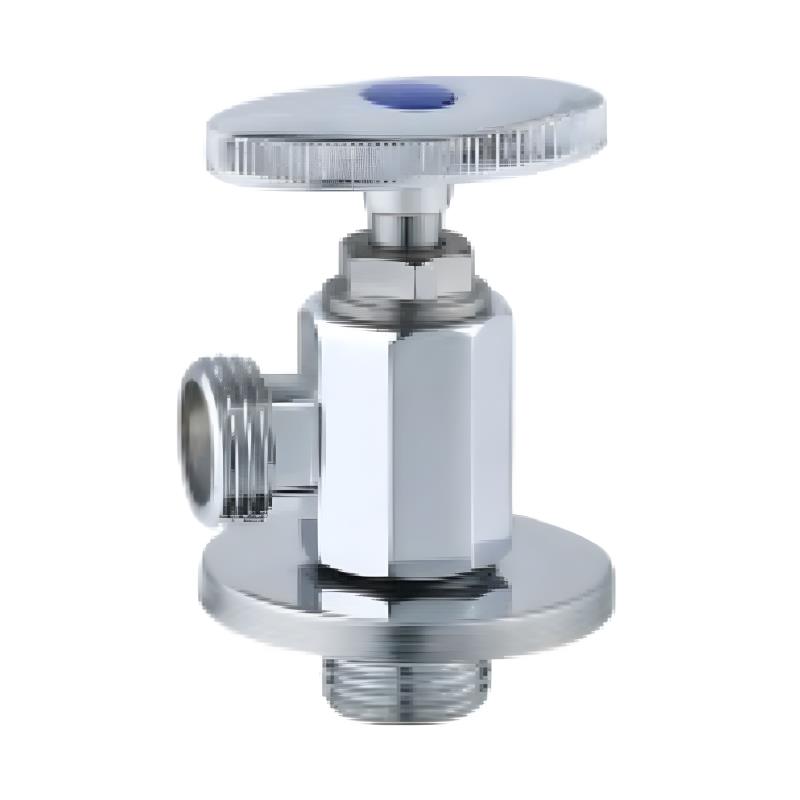
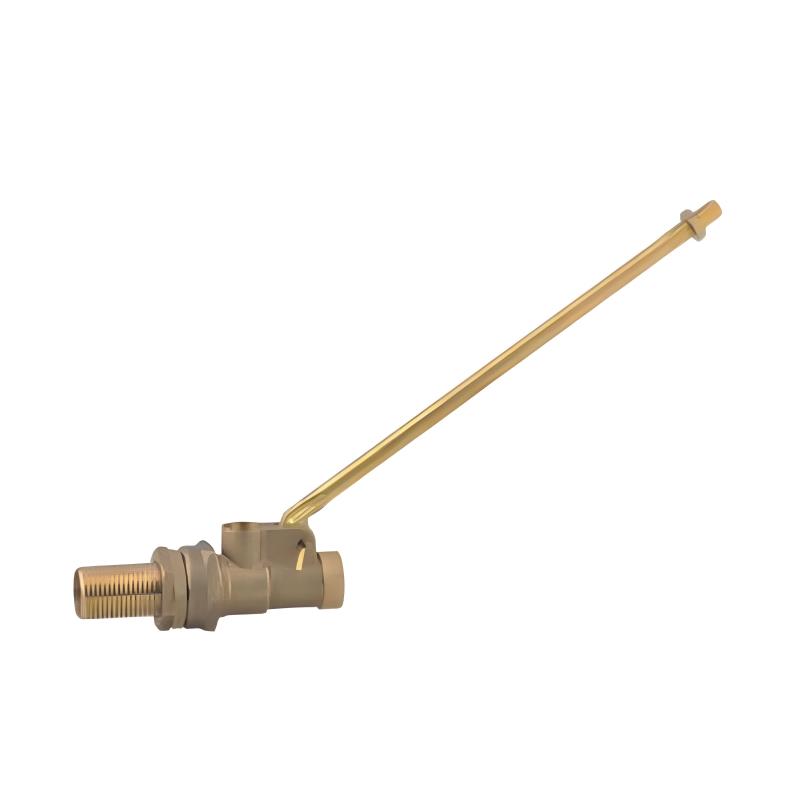
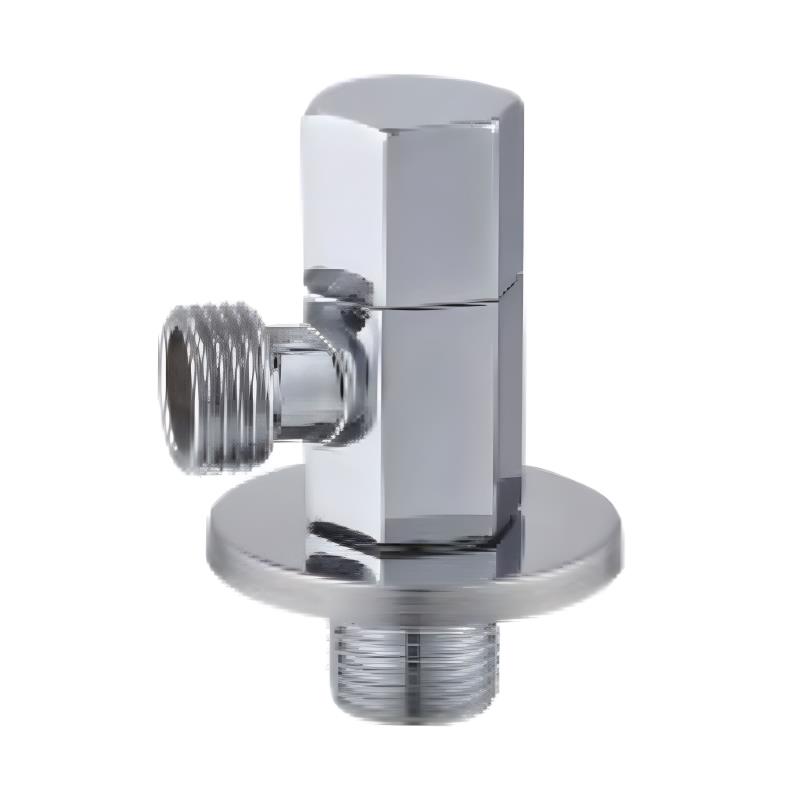
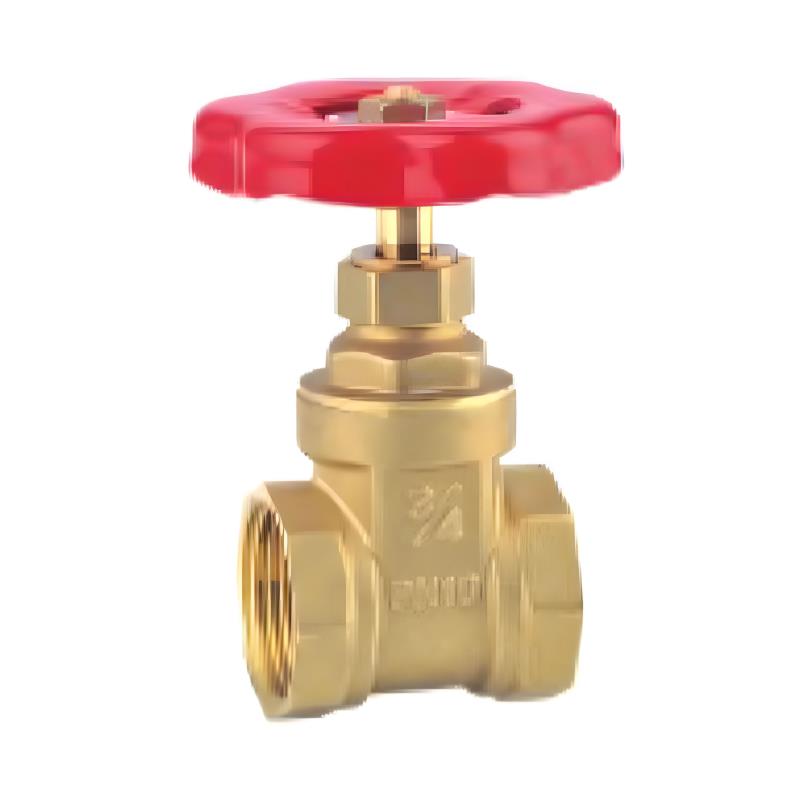
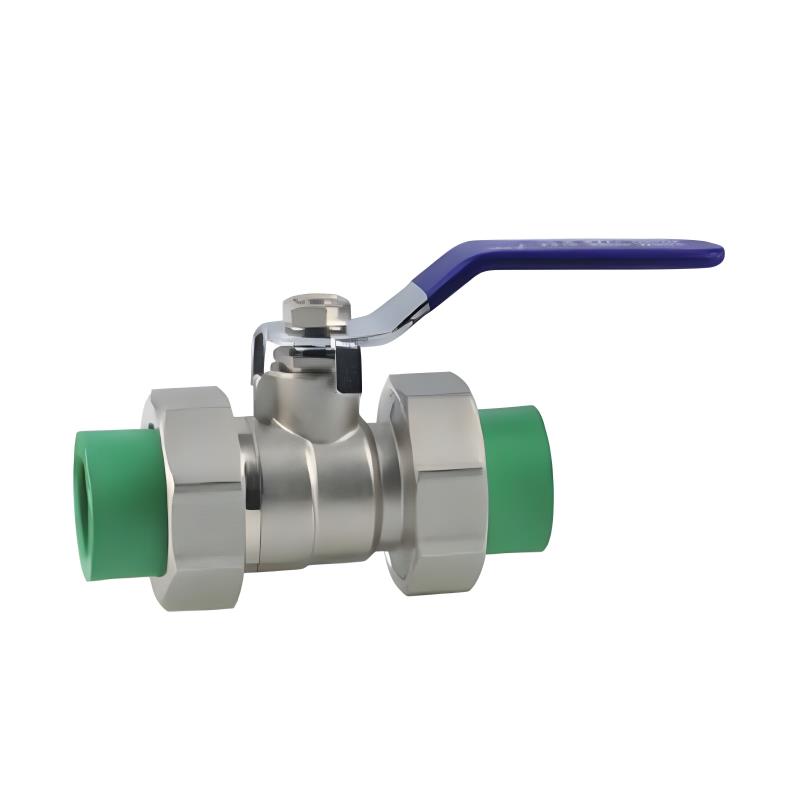
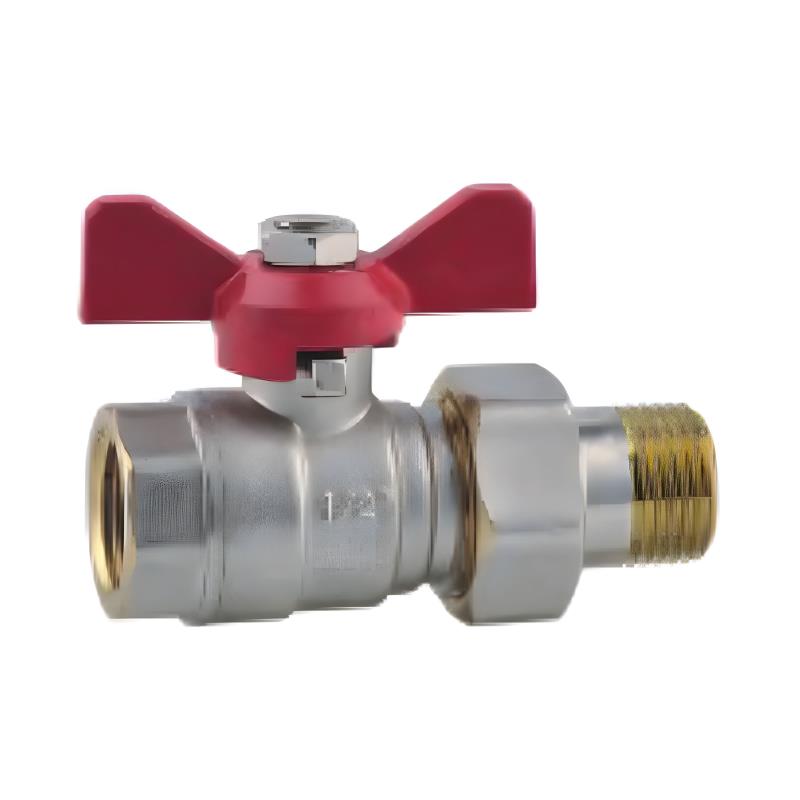
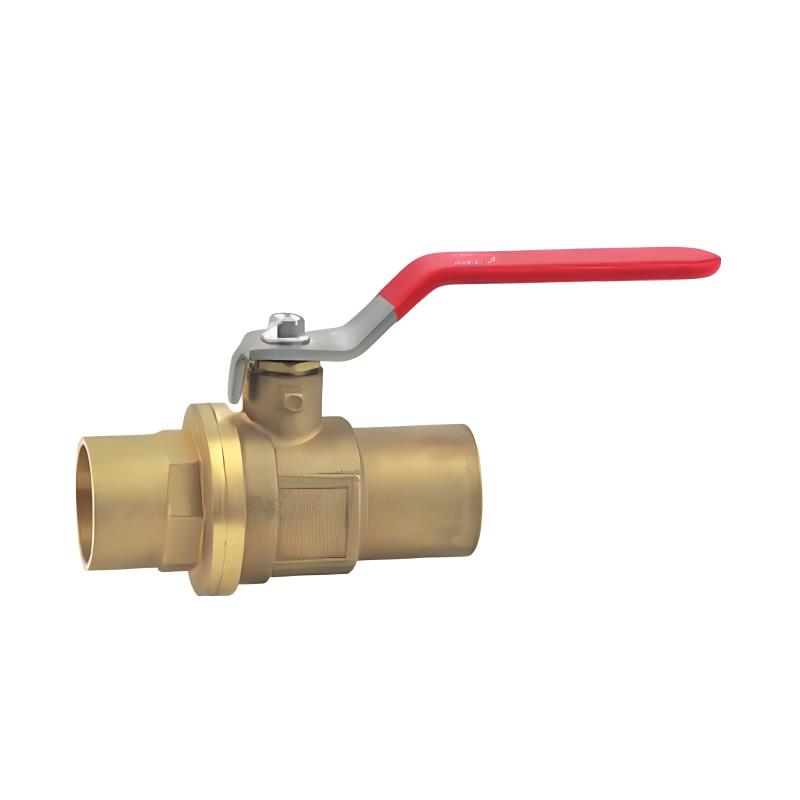
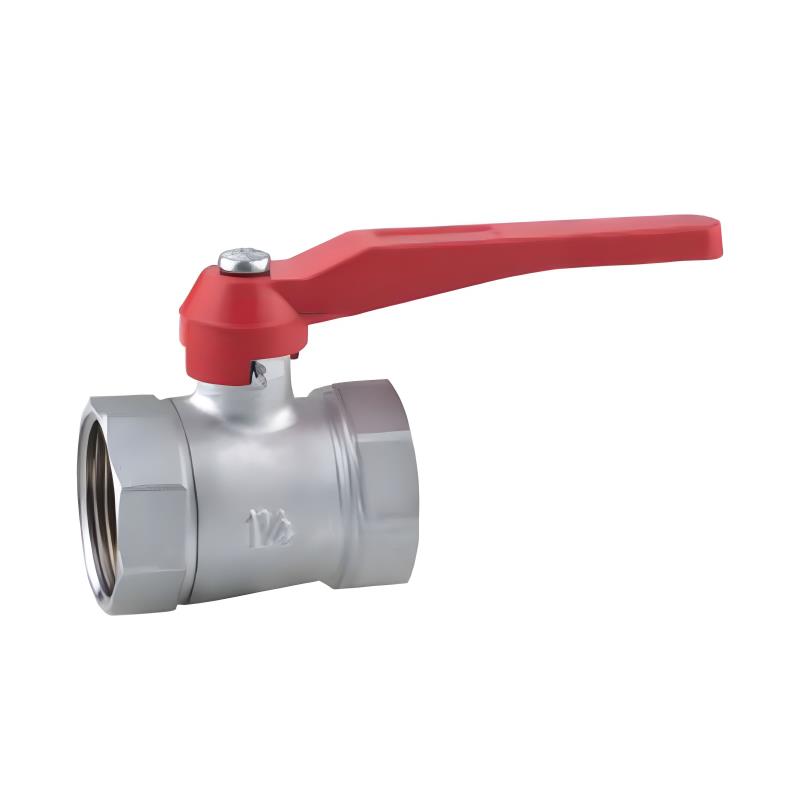
Valves control the flow. Ball valves turn flow on and off quickly. Gate valves regulate the volume passing through. The valve type changes how the system operates.
Unions and service couplings provide access for maintenance. These fittings let workers disconnect sections without cutting the pipe. The added cost of unions pays off when repairs become necessary.
Selecting the correct fitting type for each location prevents problems later. A connector that does not match the pipe size or a valve that restricts flow too much can create issues that are hard to fix without replacing the fitting.
Size and Connection Standards
Pipes and fittings must match. The size system used in industrial water lines can be confusing to someone new to the field. Thread standards vary. Nominal sizes do not always match actual dimensions. The differences between compression, threaded, and push-fit connections add another layer.
A threaded connection relies on the threads to hold and seal. The threads must be cut cleanly, and the correct sealant or tape must be applied. Threaded Industrial Brass Fittings work well for permanent installations where disassembly is infrequent.
Compression fittings use a ferrule that compresses against the pipe when tightened. The connection does not depend on threads cut into the pipe. Compression works for applications where the pipe cannot be threaded easily.
Push-fit connections have become more common in some settings. The fitting contains a gripping mechanism that holds the pipe when inserted. No tools are required beyond cutting the pipe to length.
The connection type influences how the fitting is installed, how it is sealed, and how easy it is to remove later. Each type has its place.
Quality Indicators and Product Integrity
Not all fittings that look alike perform alike. The differences come down to manufacturing quality and material integrity.
Visual inspection catches some issues. A fitting with rough surfaces, uneven threads, or visible porosity is likely to cause problems. The appearance of the fitting often reflects the care taken in its production.
Pressure testing and certification provide assurance. Many Industrial Brass Fittings are tested to ensure they hold the rated pressure without leaking. The testing may be done on a sample basis or on every fitting produced.
The weight of the fitting can be an indicator. A fitting that feels lighter than expected may have thinner walls. The reduced thickness affects the pressure rating and the service life. Comparing the weight of fittings from different sources gives a sense of the material used.
A fitting made with quality materials and careful manufacturing lasts longer and causes fewer problems.
The Role of Supplier Selection and Brass Fittings Wholesale
The source of the fittings influences the quality received. A reliable supplier offers consistent product quality and technical support. Brass Fittings Wholesale purchasing can reduce unit cost, but the lowest price does not always represent the value.
Suppliers with established reputations invest in quality control and stand behind their products. A supplier who provides product specifications, test reports, and technical guidance helps the buyer make informed choices.
Availability matters. A supplier with stock on hand reduces lead times. A long wait for fittings delays the project. A relationship with a Brass Fittings Wholesale supplier who maintains adequate inventory provides peace of mind.
The supplier's range of products is another consideration. A supplier who offers a broad selection reduces the number of sources needed. The buyer can purchase all required fittings from one supplier and avoid dealing with multiple vendors.
Common Mistakes to Avoid
Certain errors recur in the selection of Industrial Brass Fittings. Avoiding them saves time and money.
Selecting the wrong alloy for the water composition is one of the more common errors. The alloy that works in one water supply may fail in another. Understanding the water chemistry and matching the alloy to it prevents premature failure.
Overlooking the pressure and temperature limits of the fitting creates risk. A fitting rated for lower pressures or temperatures will eventually fail when exposed to higher ones. Checking the ratings against the system conditions is a basic step.
Misjudging the importance of proper thread sealing leads to leaks that are hard to trace. The sealant or tape used must be appropriate for the application and applied correctly.
Maintenance and Replacement Considerations
Fittings do not last forever. They eventually need attention. A planned approach to maintenance prevents surprises.
Regular inspection catches problems early. A fitting that shows signs of corrosion, leakage, or deformation needs replacement. Catching these signs before they cause failure keeps the system running.
The records of the installation help with maintenance planning. Knowing what fittings were installed and when they were installed supports scheduling. A log that records replacements and inspections provides a basis for maintenance decisions.
Some fittings are easier to replace than others. Those with unions or service couplings can be changed without major disassembly. The ease of replacement affects the maintenance cost.
Choosing Industrial Brass Fittings involves weighing several factors. The environment, the alloy, the type, and the supplier all matter. A methodical approach that considers each factor produces better results.
Rushing the selection leads to problems. Taking time to understand the requirements and evaluate the options pays off. The fitting that is chosen with care is the fitting that works without issue.