+86-13989680588
 graylin@hongjiavalve.com
 Get a quote

 English
 русский
 Deutsch
Submit feedback
How Industrial Brass Fittings and Threaded Stop Valve Work Together
Author: Hongjia
Date: Jun 23, 2026
Industrial piping systems are often discussed in terms of pumps, tanks, and equipment, yet the small components between those larger pieces frequently determine whether fluid can move smoothly through the network. A pipeline is rarely a single uninterrupted section. It is assembled from many parts, each performing a specific task. Some create connections, while others control movement inside the line.
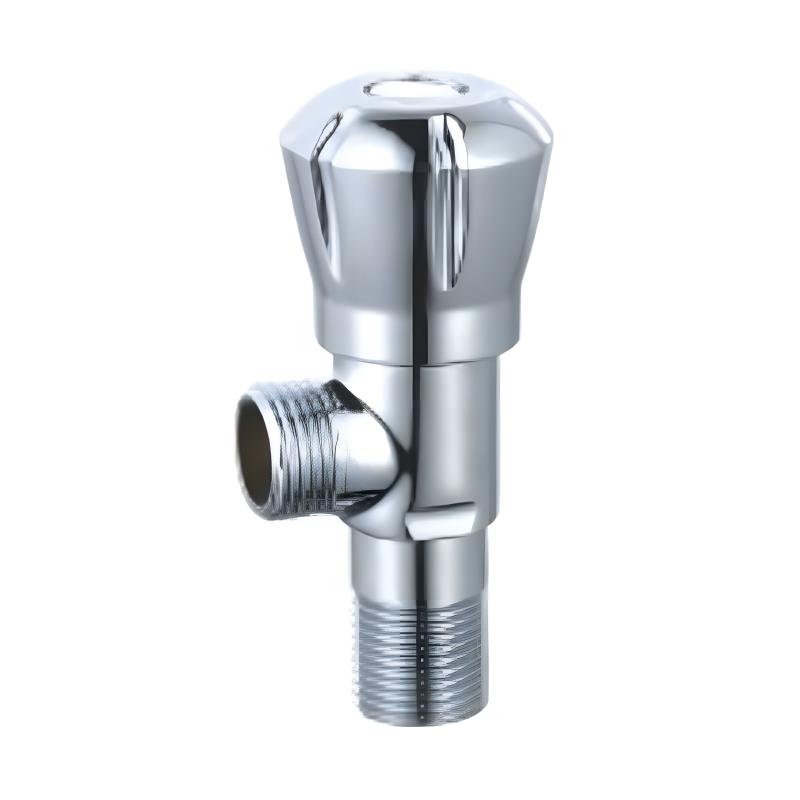
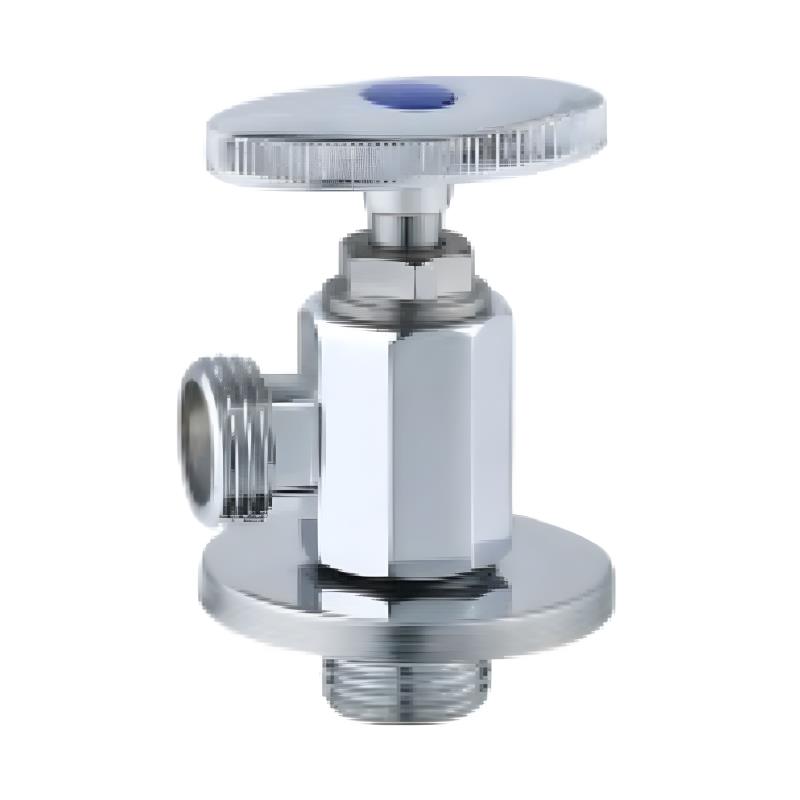
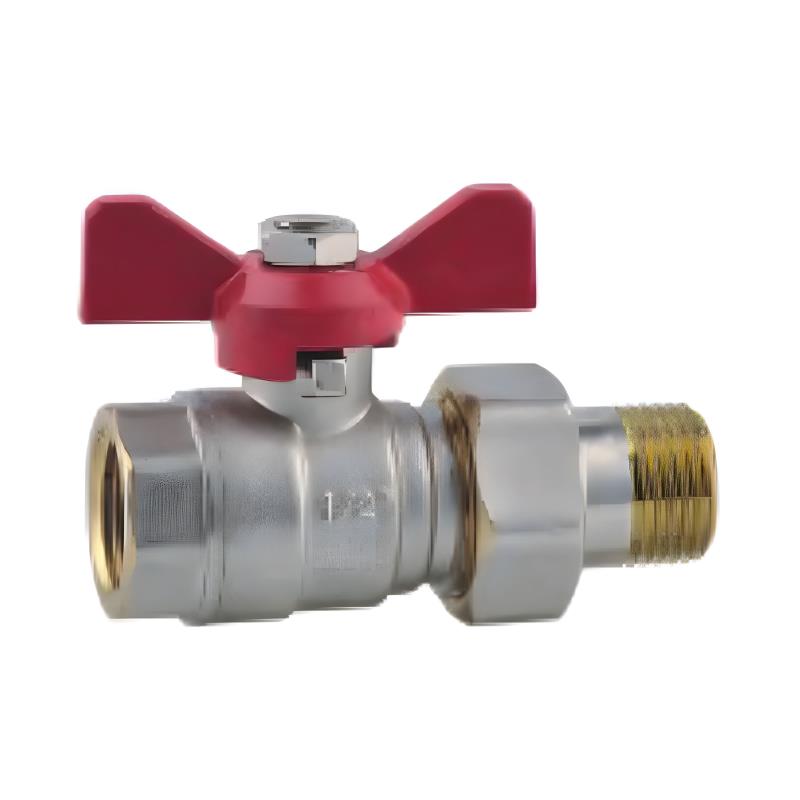
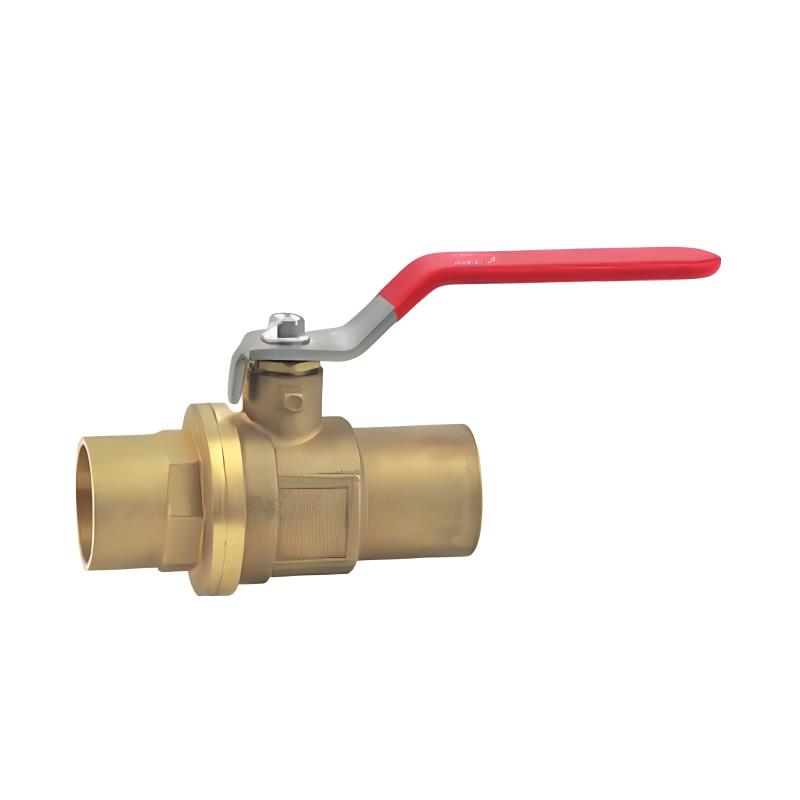
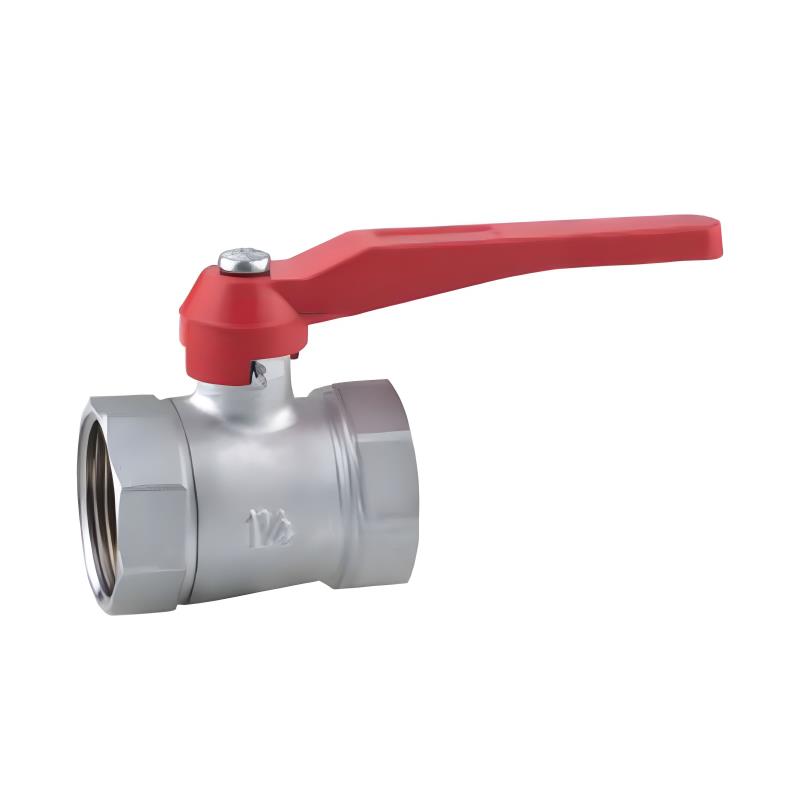
Among commonly used components, Industrial Brass Fittings and Threaded Stop Valve products often appear side by side. One helps build the pathway through which fluid travels. The other allows operators to stop or permit flow at selected locations. Their functions are different, though their roles are closely connected.
A valve cannot perform effectively without stable connections on both sides. In the same way, a piping network gains flexibility when flow can be isolated for maintenance or operational purposes. Looking at how both components work together provides a clearer picture of how industrial piping systems are assembled and managed in daily operation.
Why Connection Quality Matters In Industrial Piping Systems
A piping network may stretch through equipment rooms, production areas, utility spaces, or service corridors. Regardless of size, every system contains numerous connection points. Each connection becomes part of the route carrying fluid from one location to another.
When fluid moves through a pipe, pressure and vibration travel with it. Over time, those forces act on joints, valves, fittings, and supporting structures. For that reason, connection quality is often considered during both design and installation.
A stable connection contributes to several practical objectives:
- Maintaining continuous flow
- Reducing unwanted leakage
- Supporting equipment operation
- Simplifying future maintenance
- Helping preserve system integrity
Consider a simple utility line serving multiple pieces of equipment. A problem at one connection point may affect more than the immediate area. Inspection, repair, and downtime can become more complicated when joints are not properly assembled.
Connection quality also influences maintenance planning. Systems designed with accessible connection points often allow components to be removed or replaced with less disruption. In facilities where equipment requires periodic servicing, such considerations become increasingly important.
Rather than acting as isolated pieces, connection components form part of a larger structure. Their collective performance affects how the entire network functions over time.
What Functions Industrial Brass Fittings Perform In A Pipeline
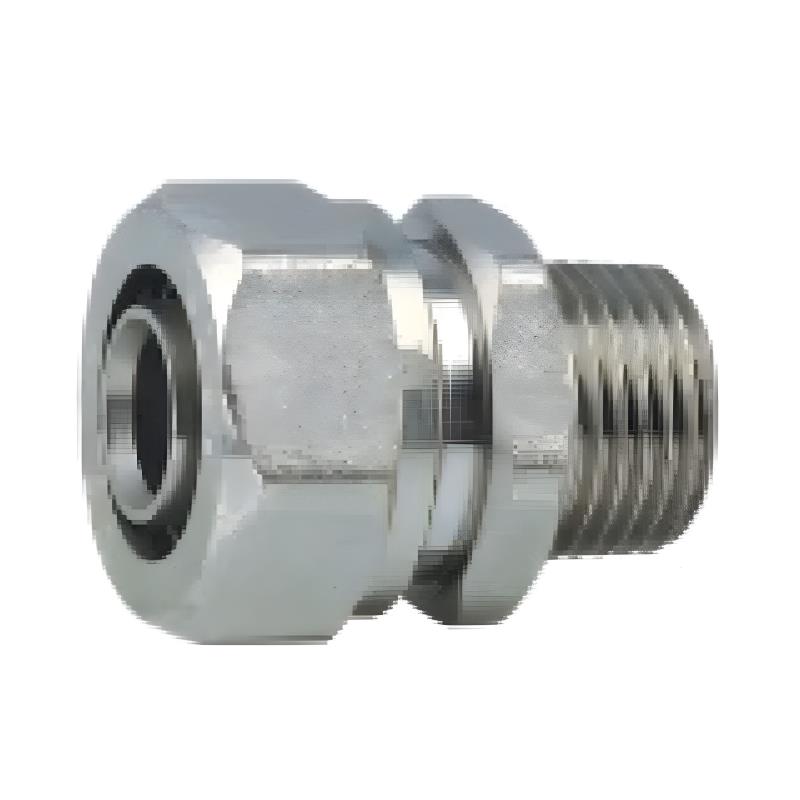
Industrial Brass Fittings act as the linking elements of a piping system. Pipes alone cannot accommodate every routing requirement. Changes in direction, branch lines, equipment connections, and transitions between components all require specialized joining solutions.
One of the practical advantages of fittings is their ability to create flexibility within a fixed piping layout. A straight pipe section performs only one task. A fitting allows the system to adapt to physical space, equipment placement, and operational requirements.
Several common functions appear repeatedly across industrial environments.
Connecting Pipe Sections
Long fluid routes are built from multiple sections rather than a single continuous piece. Joining components provide the connection between those sections.
Changing Flow Direction
Pipelines often move around machinery, walls, support structures, and service areas. Directional fittings make such routing possible.
Creating Branch Connections
Many systems distribute fluid to multiple destinations. Branch fittings allow a single line to serve different areas of operation.
Adapting Between Components
Equipment connections frequently involve different configurations. Adapter fittings help bridge those differences.
Supporting System Modification
Facilities evolve over time. New equipment may be installed, old equipment may be relocated, and service lines may be expanded. Modular connection methods simplify such changes.
Several fitting types are commonly encountered:
- Couplings
- Elbows
- Tees
- Adapters
- Reducers
Although each performs a different task, all contribute to creating a structured pathway through which fluid can travel.
Brass remains a familiar material choice in many applications because it combines mechanical strength with practical manufacturing characteristics. Its use across various connection components has made it a common sight in numerous industrial piping assemblies.
How A Threaded Stop Valve Controls Fluid Movement
While fittings create the physical route, a Threaded Stop Valve introduces control into the system. Fluid movement does not always need to continue through every section of piping at every moment. Certain situations require isolation of specific areas without affecting the entire network.
A stop valve provides that capability.
In everyday operation, the valve serves as a gate within the flow path. One position allows fluid to pass. Another restricts or stops movement through the selected section.
Such a simple function has wide practical importance.
During equipment servicing, maintenance personnel often need to isolate a pump, filter, or processing unit. Stopping flow at a nearby valve allows work to proceed without draining an entire system.
Inspection activities present another example. A section of piping may need examination while surrounding areas continue operating normally. Isolation helps limit disruption.
Flow management also becomes easier when selected sections can be opened or closed according to operational needs.
Common situations involving stop valves include:
- Equipment maintenance
- Pipeline inspection
- Temporary system modification
- Service line isolation
- Routine operational adjustments
The threaded connection method adds another practical advantage. Installation and removal can often be completed without extensive modification to surrounding piping. When replacement becomes necessary, the threaded arrangement generally supports a more straightforward maintenance process.
For that reason, stop valves frequently appear near equipment connections, branch lines, service points, and other locations where future access may be beneficial.
How Industrial Brass Fittings And Threaded Stop Valve Work As A Combined Assembly
A piping system does not operate through individual components acting alone. Every fitting, valve, and pipe section becomes part of a larger assembly.
The relationship between Industrial Brass Fittings and Threaded Stop Valve products can be observed in many practical installations. A valve requires secure connections at both ends before it can control flow. Fittings create those connections while also helping integrate the valve into the overall routing arrangement.
Consider a branch line supplying fluid to a specific piece of equipment. Directional fittings may guide the pipeline toward the equipment location. Additional connection components may adapt the piping configuration. A stop valve positioned nearby allows flow to be controlled whenever maintenance or operational adjustments are required.
In such an arrangement, each component contributes a different function:
- Pipe sections transport fluid
- Fittings create connections
- Valves manage flow
Removing any one of those elements changes how the assembly operates.
The interaction between connection stability and flow control becomes especially important over long periods of operation. A valve performs more effectively when installed within a properly aligned piping structure. Likewise, fittings benefit from operating within a system where flow can be isolated when maintenance becomes necessary.
For that reason, connection components and flow-control devices are often considered together during system planning rather than as separate design decisions.
Factors Affecting Compatibility Between Components
When Industrial Brass Fittings and a Threaded Stop Valve appear in the same piping line, compatibility is not something assumed by appearance alone. Small differences in threading quality, alignment, or material behavior can change how stable the assembly feels after installation and during long operation.
Thread engagement usually comes first. Even when components share a similar connection type, uneven threading or slight misalignment can create stress points. Those points may not be obvious at the beginning, yet they can influence sealing stability over time.
Material response also plays a quiet role. Brass is often chosen in mixed piping environments because it behaves in a relatively stable way across common fluid conditions. Still, surrounding materials and environmental exposure can influence how joints age.
Operating pressure adds another layer. A connection that feels stable under light load may behave differently once the system is fully active. That is why matching components in a consistent way often matters more than focusing on a single part.
Dimensional fit also needs attention. A small mismatch does not always prevent installation, yet it may place uneven force on threads or sealing surfaces.
| Consideration | Industrial Brass Fittings | Threaded Stop Valve |
|---|---|---|
| Connection Role | Forms pipeline links | Controls flow section |
| Thread Usage | Connects pipe sections | Connects valve into line |
| System Behavior | Maintains routing path | Opens or blocks flow |
| Maintenance Impact | Enables disassembly points | Creates isolation points |
Compatibility is less about individual strength and more about how both parts behave once they are tightened into the same network.
Why Threaded Connections Remain Common In Many Installations
Threaded assembly methods continue to appear in many piping layouts because of their practical nature. The approach does not require complex joining steps, and components can be removed or replaced without affecting large parts of the system.
In real installations, piping routes often pass through tight or crowded areas. Equipment, walls, support frames, and other service lines can limit working space. Threaded connections help reduce installation difficulty in such environments.
Maintenance is another reason. Systems rarely stay unchanged. Valves may need replacement, fittings may need adjustment, and sections of piping may be modified. Threaded joints allow those changes without cutting or rebuilding entire lines.
Other practical advantages include:
- Simple assembly steps
- Easier replacement of parts
- Flexible system adjustment
- Suitable for modular layouts
- Reduced disruption during servicing
Because of these characteristics, threaded stop valves and brass fittings often appear together in utility systems where future access is expected.
Common Installation Considerations During Assembly
Even when components are properly selected, installation quality still shapes long-term performance. Assembly work often decides how the system behaves after it is put into operation.
Thread alignment is one of the first concerns. If components are not aligned smoothly during tightening, internal stress can develop at the connection point. That stress may not cause immediate issues, yet it can affect sealing stability later.
Tightening control is another important factor. Excess force does not always improve sealing performance. In some cases, it may distort threads or place unnecessary pressure on the joint surface.
Space around the connection point also matters. If tools cannot reach the area comfortably, future maintenance becomes more complicated. Many practical installations leave a small working margin around valves and fittings for this reason.
Installation attention points often include:
- Smooth thread engagement without cross pressure
- Controlled tightening without excessive force
- Enough clearance for tools and inspection
- Stable pipe support near connection zones
- Avoidance of external load on joints
A stable system often begins with simple installation habits rather than complex design changes.
How Maintenance Activities Involve Both Fittings And Valves
Over time, every piping system requires inspection. During maintenance, both Industrial Brass Fittings and Threaded Stop Valve components are usually checked together because they sit close in functional layout.
Fittings are often reviewed for thread wear, surface condition, and any signs of looseness. Even small changes in connection tightness can influence how the system behaves under flow conditions.
Valves receive a different type of attention. Movement between open and closed positions should feel consistent. Irregular resistance may indicate internal buildup or wear.
Common maintenance observations include:
- Thread condition at connection points
- Signs of minor leakage around joints
- Valve movement consistency
- Surface condition of sealing areas
- General alignment of connected sections
Maintenance work often reveals how connection quality and flow control interact over time. A valve may function correctly, yet surrounding fittings can still influence overall system stability.
Where Combined Brass Fitting And Valve Assemblies Are Commonly Found
The pairing of fittings and threaded stop valves appears in many types of industrial piping layouts. Their combined use is not limited to one application area because fluid control and connection structure are needed in most systems.
Typical locations include utility piping networks, equipment service lines, and branch distribution paths. In these areas, fittings shape the route while valves define control points.
Common installation environments include:
- Water supply routing systems
- Compressed air distribution lines
- Equipment connection pipelines
- Maintenance isolation branches
- General service utility circuits
In many of these systems, piping is arranged in a modular form. Sections can be adjusted, replaced, or extended depending on operational needs. The combination of fittings and valves supports that flexibility.
How Component Selection Influences Long Term System Reliability
Long-term reliability in a piping system is not determined by a single part. It depends on how fittings, valves, and pipe sections behave together during repeated use.
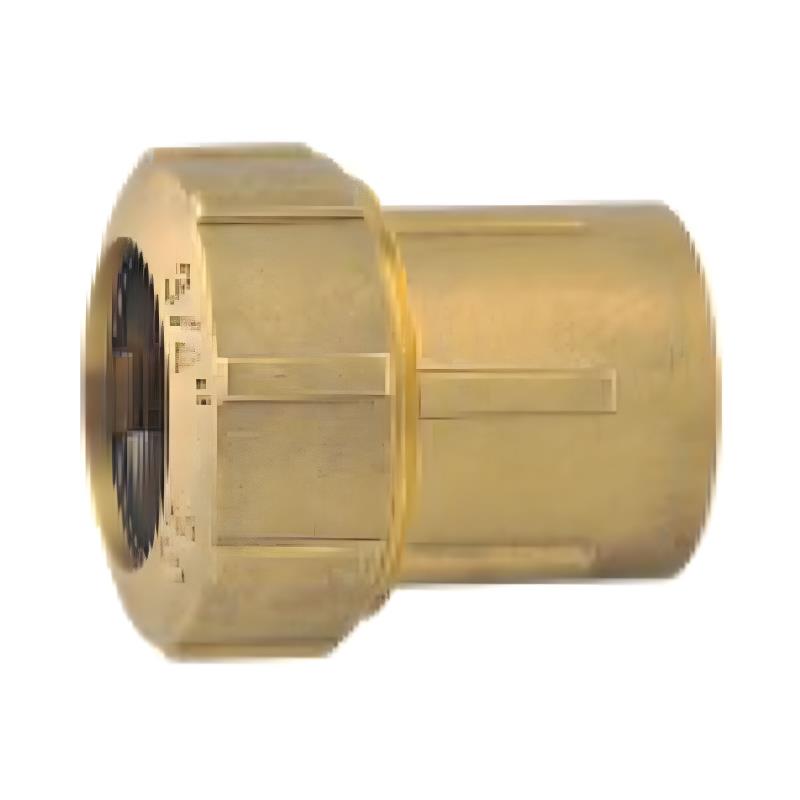
Industrial Brass Fittings contribute structural continuity. They keep the pipeline connected and guide flow direction across different sections. Threaded Stop Valve components add another layer by allowing sections of the system to be isolated when required.
When both are selected and installed in a balanced way, the system often benefits from:
- More stable flow pathways
- Easier maintenance access
- Reduced interruption during servicing
- Better adaptability to system changes
- More predictable operational behavior
Reliability develops gradually through repeated operation. Systems that allow both connection stability and controlled isolation tend to remain easier to manage over time.
In practical terms, fittings and valves do not compete in function. Instead, they complement each other inside the same structure, forming a piping network that can carry fluid while still allowing sections to be controlled when necessary.