+86-13989680588
 graylin@hongjiavalve.com
 Get a quote

 English
 русский
 Deutsch
Submit feedback
Which Heating Systems Can Fit 1 2 Inch Thermostatic Radiator Valve
Author: Hongjia
Date: May 29, 2026
Why Are Thermostatic Radiator Valves Common In Modern Heating Systems
Indoor heating systems have shifted toward more flexible temperature behavior. Rooms rarely need the same heat level all day. Morning, evening, and empty hours all feel different, so fixed heating flow often feels less practical.
A 1 2 inch thermostatic radiator valve appears in many radiator layouts because it helps each room react on its own. Instead of one central adjustment, every radiator gets its own small control point. That idea suits homes and shared buildings where room use changes during the day.
Radiator systems still rely on water circulation. Heat moves through pipes into each radiator section. Without regulation, some rooms may feel warmer while others stay cooler. A thermostatic valve helps soften that imbalance by adjusting flow quietly during operation.
What Is A 1 2 Inch Thermostatic Radiator Valve
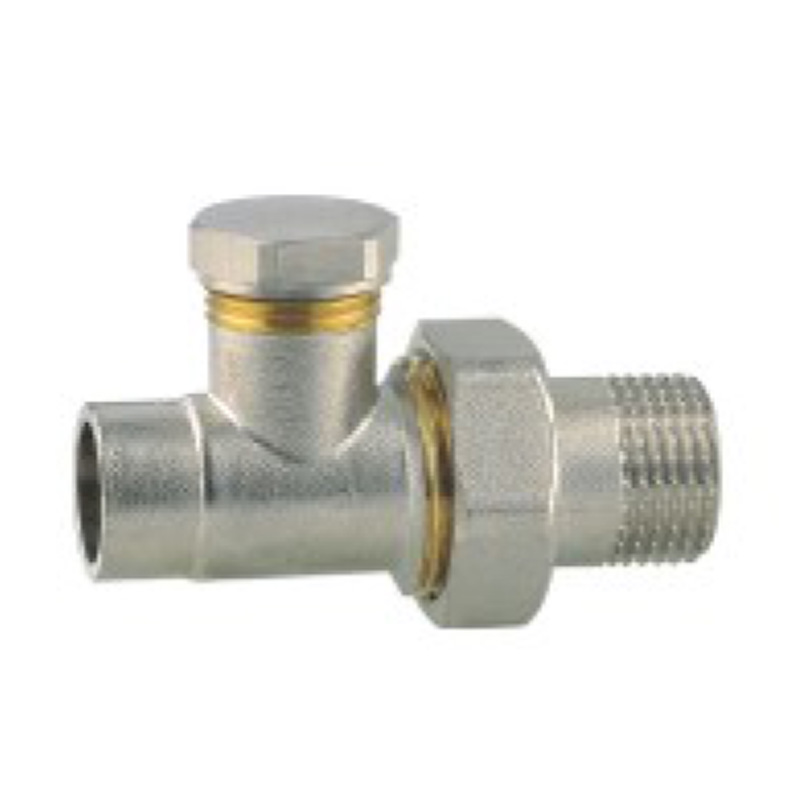
A valve with a 1 2 inch connection simply refers to the size where it joins the pipe. That size appears often in radiator branch connections, especially where standard piping is used.
Inside the valve, movement is not driven by manual switching alone. A temperature-sensitive part reacts to surrounding air and adjusts internal flow. The change happens slowly, not in sudden steps, so room temperature feels more stable.
Main parts usually include:
- connection body linking pipe and radiator
- sensing head reacting to surrounding air
- internal channel guiding water flow
- sealing section keeping circulation steady
The valve does not create heat. It only controls how much heated water enters the radiator. That small adjustment changes how a room feels over time.
Which Heating Systems Can Fit 1 2 Inch Thermostatic Radiator Valve
Compatibility depends on how water moves through the heating system and how pipes are arranged. Systems that already use radiator branches usually match more easily with a 1 2 inch thermostatic radiator valve.
Common heating structures where it fits include:
- traditional hot water radiator setups
- residential central heating networks
- multi-room heating circulation layouts
- closed loop water heating systems
- wall connected radiator branch lines
Each system shares one idea: water travels through pipes and enters radiators in different rooms. The valve sits at that entry point and adjusts how much flow goes in.
A simple comparison helps show differences:
| Heating System Type | How Valve Works With System |
|---|---|
| Hot water radiator setup | adjusts room level flow |
| Central heating network | balances multiple rooms |
| Closed loop circulation | maintains steady water movement |
| Wall radiator branches | controls local heat input |
| Multi-room layouts | supports room by room balance |
Pipe arrangement plays a big role. When branch sizes are consistent, installation feels smoother. Irregular piping may still work, though adjustments are sometimes needed.
How Does Pipe Size Influence Valve Compatibility
Pipe size is one of the first things checked before installation. A valve must match the pipe connection to avoid loose fitting or unstable water flow.
A 1 2 inch connection is widely used in radiator branches, so many systems already align with it. When size matches, water passes through without unnecessary restriction.
Important points include:
- thread alignment between pipe and valve
- tight sealing at connection points
- direction of water movement inside loop
- pressure stability during heating cycles
If size does not match, small adapters may be used, though that can slightly change flow behavior. A stable match keeps the system more consistent over time.
Why Is Temperature Control Important In Radiator Heating
Radiator heating works through steady water flow. Without control, some rooms may become warmer than needed while others stay cooler. Temperature control helps reduce that imbalance.
A thermostatic valve reacts to room air instead of relying only on manual adjustment. That makes heating respond more naturally to real conditions.
Typical reasons control matters:
- rooms are used at different times
- people prefer different comfort levels
- outside temperature changes indoor balance
- heat spreads unevenly in multi-room layouts
Without regulation, one central setting may not match all rooms well. Local adjustment helps each space respond on its own.
How Does A Thermostatic Radiator Valve Operate In Daily Use
Operation is continuous and quiet. No frequent manual changes are needed once installed.
Inside the valve, a temperature-sensitive part expands or contracts based on surrounding air. That movement slowly adjusts water flow entering the radiator.
Basic cycle:
- room warms up during heating
- sensing part reacts to temperature rise
- flow inside valve reduces slightly
- radiator output lowers
- room cools gently and cycle repeats
Changes are gradual rather than sudden. That steady movement helps keep room temperature from shifting too sharply.
The valve stays active throughout the heating period, adjusting small changes in the background without attention from users.
Which Indoor Environments Often Use 1 2 Inch Thermostatic Radiator Valve
Radiator-based heating systems appear in many indoor spaces where steady room comfort is needed. A 1 2 inch thermostatic radiator valve is often used in environments that rely on branch-type radiator connections.
Typical indoor applications include:
- residential apartments with multiple rooms
- family houses using water radiator heating
- small office spaces with room-based heating control
- indoor areas with separated heating zones
- renovation projects upgrading older radiator systems
Each environment shares a similar need: different rooms require different heat levels at different times. A single adjustment point cannot always handle that variation well, so individual radiator control becomes useful.
Room layout also influences valve usage. Spaces with separated bedrooms, living areas, and work areas often benefit from independent adjustment because each zone has different activity patterns.
What Installation Factors Affect Heating System Performance
Installation quality affects how smoothly the heating system runs after setup. Even when a valve matches the pipe size, surrounding conditions still influence performance.
Several practical factors include:
- valve position relative to radiator body
- direction of pipe connection and water entry
- space around radiator for air circulation
- accessibility for future adjustment or replacement
- sealing quality at joint connections
Air movement around the radiator also matters. When airflow is blocked by furniture or wall placement, temperature response may feel uneven even if the valve works correctly.
Positioning is often simple in concept, though small changes in angle or placement can influence long-term comfort.
How Does Heating System Layout Affect Valve Selection
Heating layouts differ depending on building structure and pipe design. A 1 2 inch thermostatic radiator valve usually fits systems where branch connections are consistent and clearly separated by room.
Single-room heating systems behave differently from multi-room layouts. In a single loop, flow may be more direct. In multi-room systems, each radiator branch requires more individual balance.
Common layout considerations:
- single loop systems with shared circulation
- multi-branch systems with room-based control
- older pipe layouts with mixed sizing
- updated layouts with standardized connections
Space around pipes also affects selection. Tight installation areas may require compact valve positioning, while open layouts allow easier access.
System age can also influence compatibility. Older systems sometimes have mixed pipe dimensions, while newer setups often follow more uniform sizing.
Why Do Maintenance Habits Influence Valve Operation
Heating systems stay active for long periods during seasonal use. Over time, small changes inside valves and pipes may affect performance.
Dust, air, or minor buildup around external parts can gradually influence movement. Regular inspection helps keep flow behavior stable.
Maintenance habits usually include:
- checking valve movement during heating season
- observing room temperature consistency
- ensuring no blockage around radiator area
- cleaning external parts when needed
- monitoring long-term response of valve head
A valve does not require complex care. Small periodic attention is usually enough to maintain stable function.
When maintenance is ignored for long periods, small irregularities may appear in temperature balance between rooms. Early attention often prevents larger adjustments later.
How Are Heating Preferences Changing In Indoor Living Spaces
Heating preferences have slowly shifted toward more flexible control. Instead of setting one fixed temperature for all rooms, many indoor spaces now prefer adjustable comfort levels.
A 1 2 inch thermostatic radiator valve supports that direction by allowing each radiator to respond independently. Living rooms, bedrooms, and work areas rarely need identical heating levels.
Modern usage patterns often include:
- different heating levels for daytime and nighttime
- reduced heating in unused rooms
- adjusted comfort in working spaces
- balanced warmth in shared areas
Heating is no longer only about warmth. Comfort, flexibility, and control all play a role in how indoor spaces feel throughout the day.
As living habits change, radiator systems continue to adapt through small components that adjust flow quietly in the background.