+86-13989680588
 graylin@hongjiavalve.com
 Get a quote

 English
 русский
 Deutsch
Submit feedback
What Are Industrial Brass Fittings Used for in Modern Systems
Author: Hongjia
Date: Jun 05, 2026
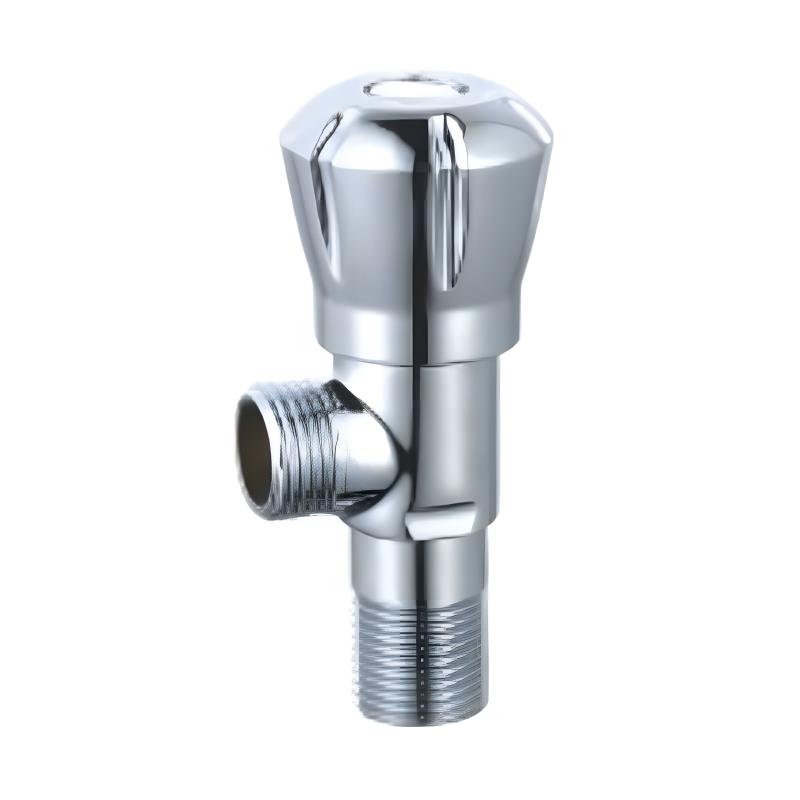
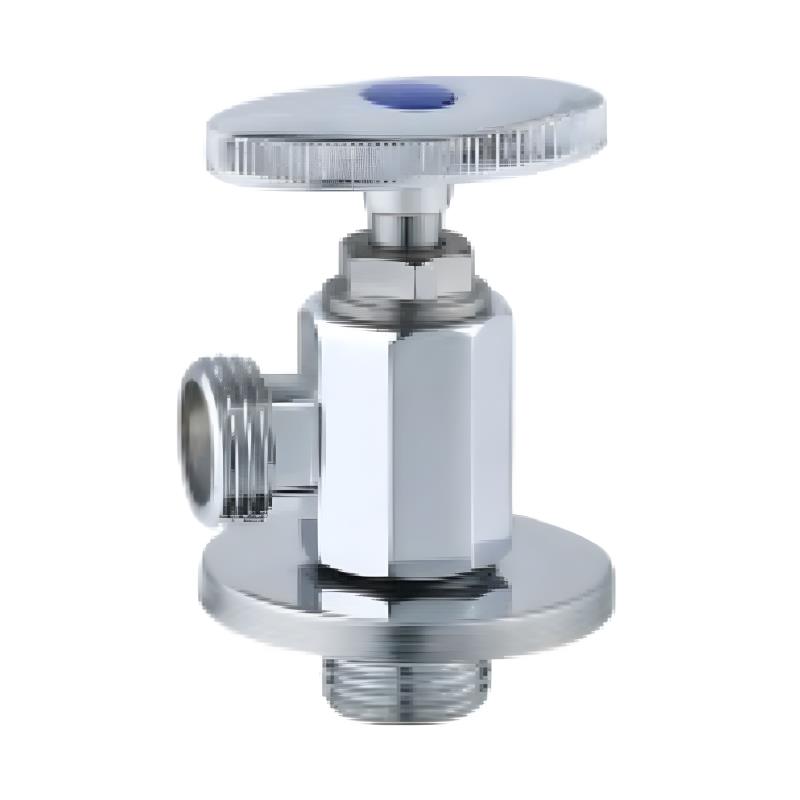
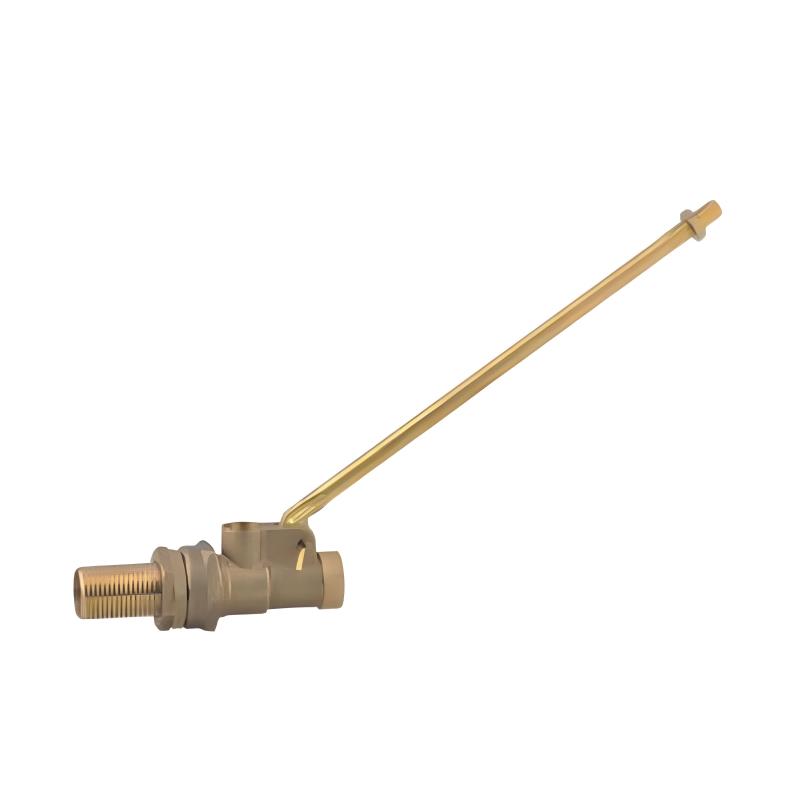
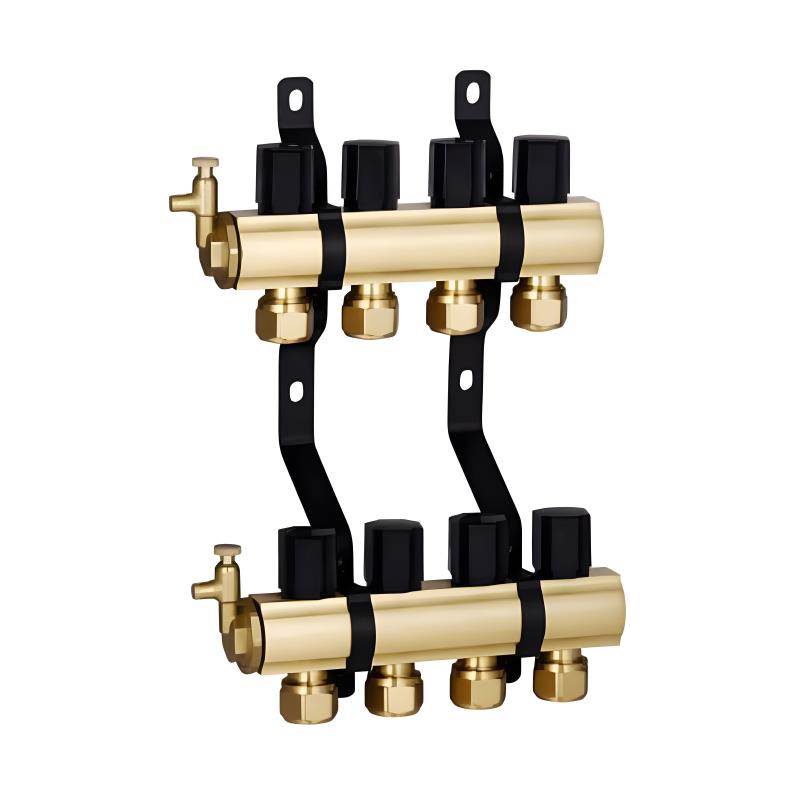
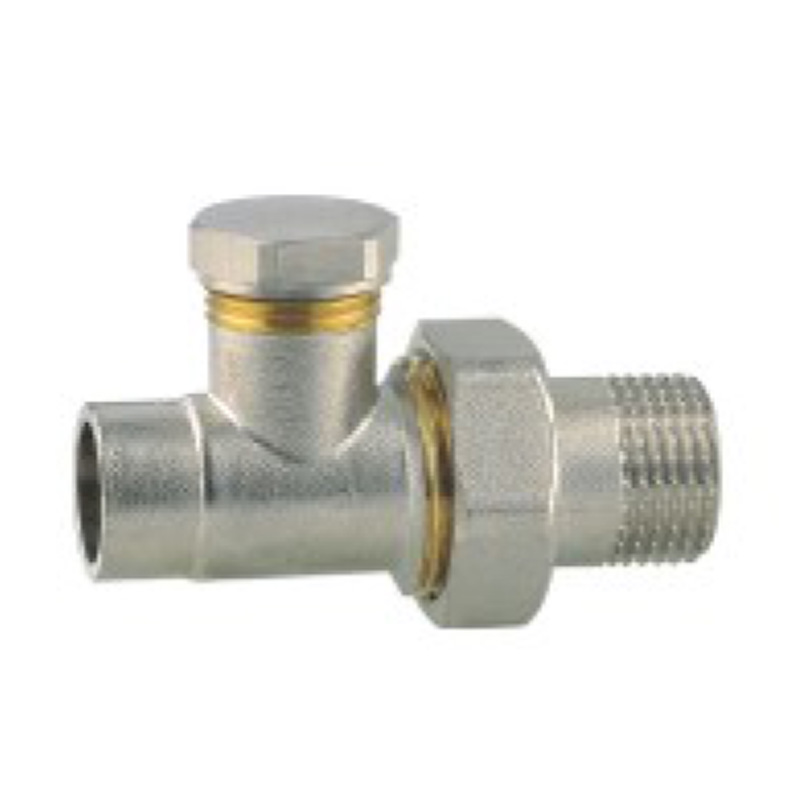
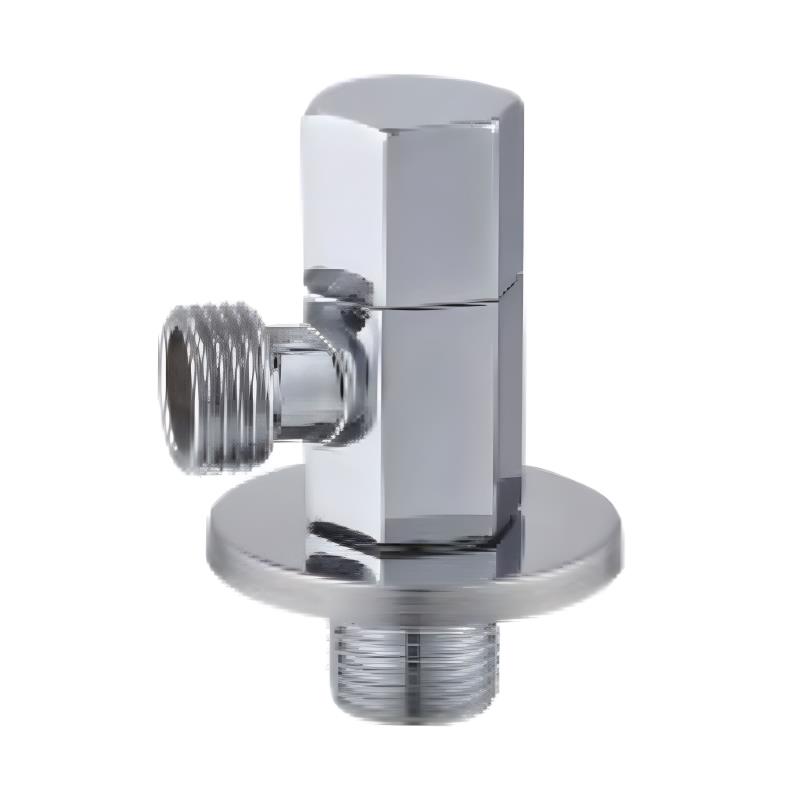
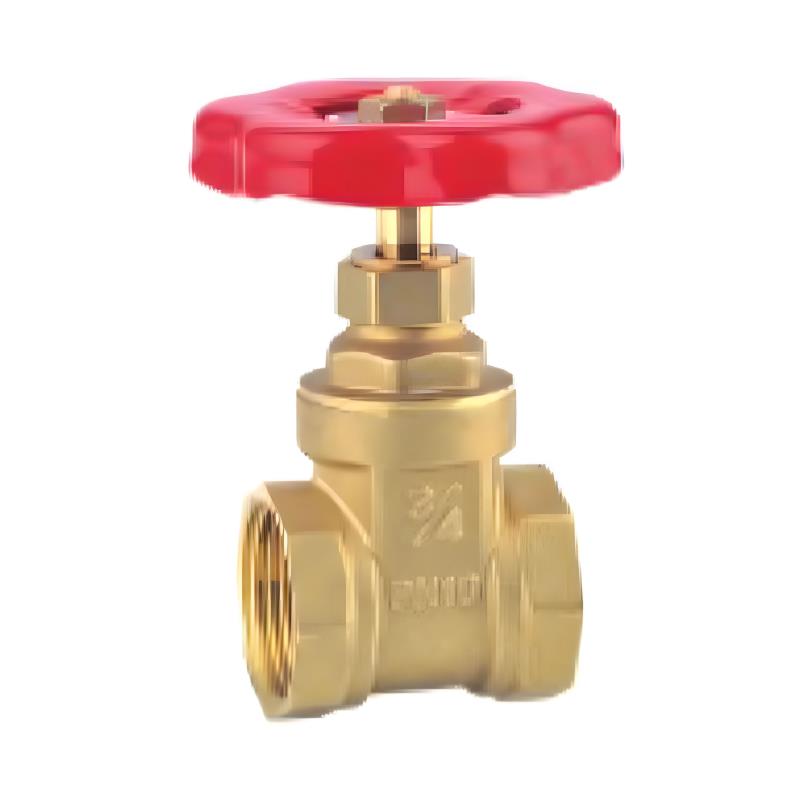
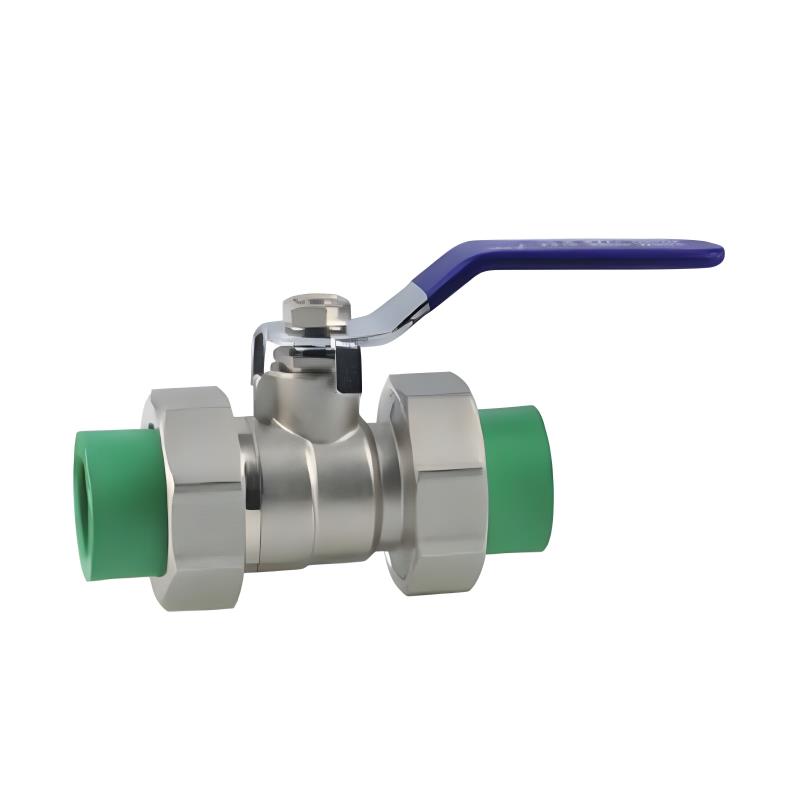
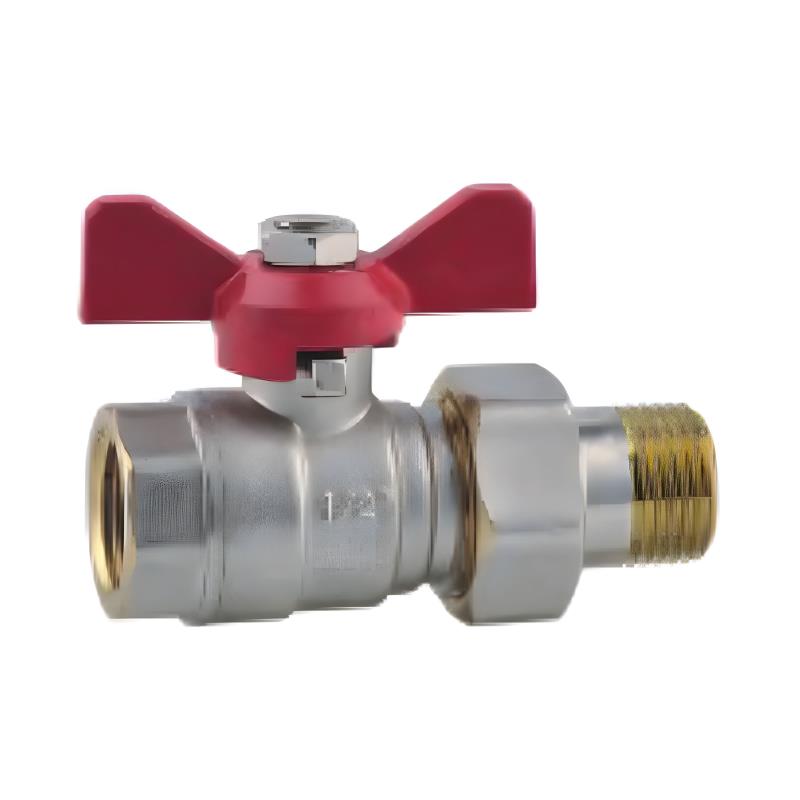
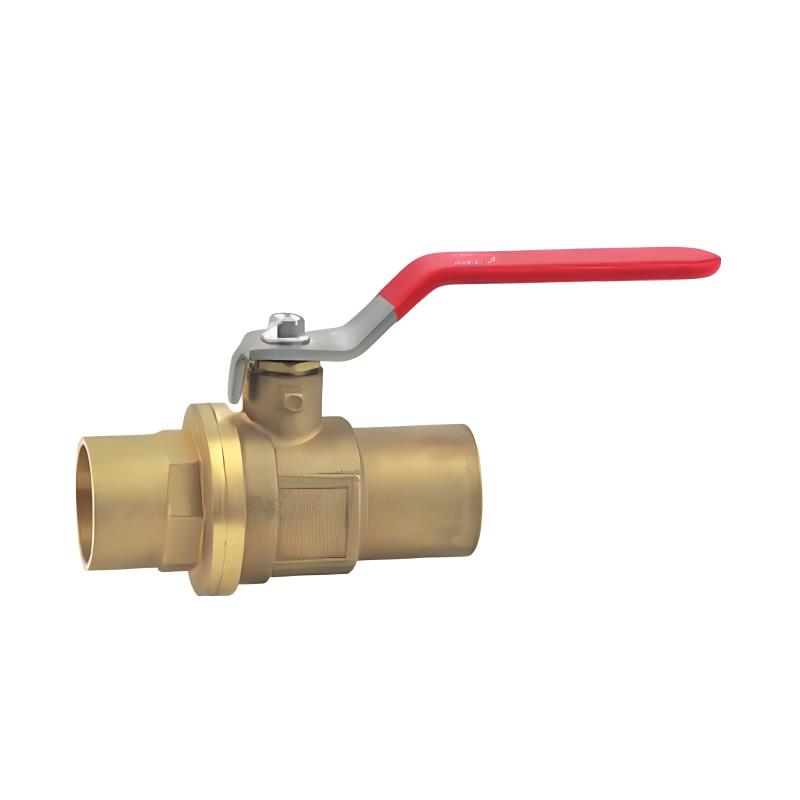
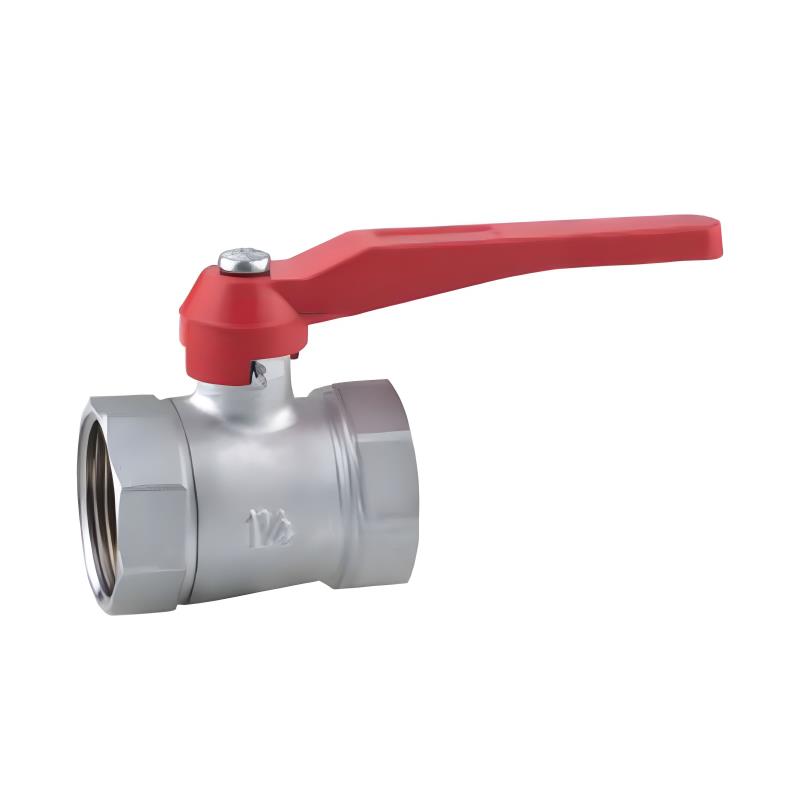
Modern piping systems tend to work as layered networks rather than simple straight lines. Water, air, and other working fluids move through long routes, turn at corners, split into branches, and connect with different kinds of equipment along the way. Every change in direction or function introduces a need for a stable connection point. Industrial Brass Fittings often sit at those points, holding different parts of the system together while keeping the flow path usable in daily operation.
In many installations, the piping layout is not designed in a perfect open space. Pipes pass through narrow service zones, behind walls, above ceilings, or inside mechanical rooms where multiple systems overlap. In such conditions, connection components carry more than a joining role. They help shape the structure of the entire network. A Brass Fittings Factory that focuses on forming and shaping these components typically works with a range of connection requirements, since different systems demand different angles, sizes, and transition forms.
Why connection components remain necessary in system design
A piping system rarely exists as a single continuous tube. Even a simple water line contains multiple sections joined together, and each junction point has a specific purpose. Some points redirect flow, some divide it, and others connect equipment that requires regular maintenance.
Without these connection parts, system layout would become rigid and difficult to adjust. Even small changes in equipment position could require rebuilding long pipe sections. With fittings in place, modifications become more manageable.
Typical roles of connection components include:
- linking separate pipe sections into a continuous path
- adjusting direction where space is limited
- connecting equipment that requires removable joints
- creating branch routes for distribution systems
- supporting inspection and maintenance access points
Industrial Brass Fittings appear frequently in these roles because the material behaves in a stable way during shaping and installation, and it can be adapted into multiple connection forms without overly complex processing.
What makes brass suitable for connection use
Material choice in piping systems is rarely random. It usually reflects a balance between physical behavior, shaping capability, and long-term handling in different environments. Brass is often selected for fittings because it fits into this balance without creating unnecessary installation difficulty.
A few practical characteristics stand out:
- the material can be shaped into threaded and structured forms with steady consistency
- connection surfaces can maintain alignment during assembly
- performance remains stable across common indoor and utility environments
- compatibility with different pipe materials is generally acceptable in mixed systems
In many cases, a Brass Fittings Factory focuses on controlling shaping accuracy and surface quality so that connection parts can be used in different installation layouts without additional adjustment work on site.
Rather than serving a decorative role, the material choice supports practical installation behavior. Threads fit more predictably, sealing areas align more easily, and replacement work can be carried out without excessive modification to surrounding parts of the system.
How fluid movement depends on connection structure
Fluid movement inside a network depends on continuity. Even when pumps or pressure sources provide driving force, the pathway still needs to remain consistent. Any weak or poorly aligned connection point can affect the stability of the flow.
Industrial Brass Fittings act as transition points where different pipe sections meet. These transitions are not always straight or simple. Some involve direction changes, some involve branching, and others involve equipment interfaces that require controlled connection points.
In typical distribution systems, flow paths may include:
- main supply lines running through central areas
- branch lines feeding separate zones or equipment
- return or circulation paths in closed systems
- short connection segments linking valves and instruments
Each segment relies on fittings to maintain continuity. Without properly formed connections, the system would lose structure and become harder to maintain over time.
Where these fittings appear in real system layouts
Instead of being limited to a single field, Industrial Brass Fittings appear in many different installation environments. Their use is not tied to one type of system, since connection needs exist almost everywhere piping is present.
Common application environments include:
- building water distribution networks where pipes pass through confined spaces
- heating and cooling circulation systems requiring stable joint points
- industrial setups where equipment is connected through multiple fluid lines
- irrigation layouts where distribution paths extend across wide areas
- utility pipelines where maintenance access points are frequently required
In each case, the role of fittings stays similar, even though the operating conditions change. The main difference lies in how many connection points are required and how the system is arranged around them.
Common fitting forms used in systems
Different system layouts require different connection shapes. A single type of fitting cannot handle every situation, so several basic forms are used across most installations.
Some common types include:
- coupling forms used for straight connection between pipe sections
- elbow forms used when direction changes are required
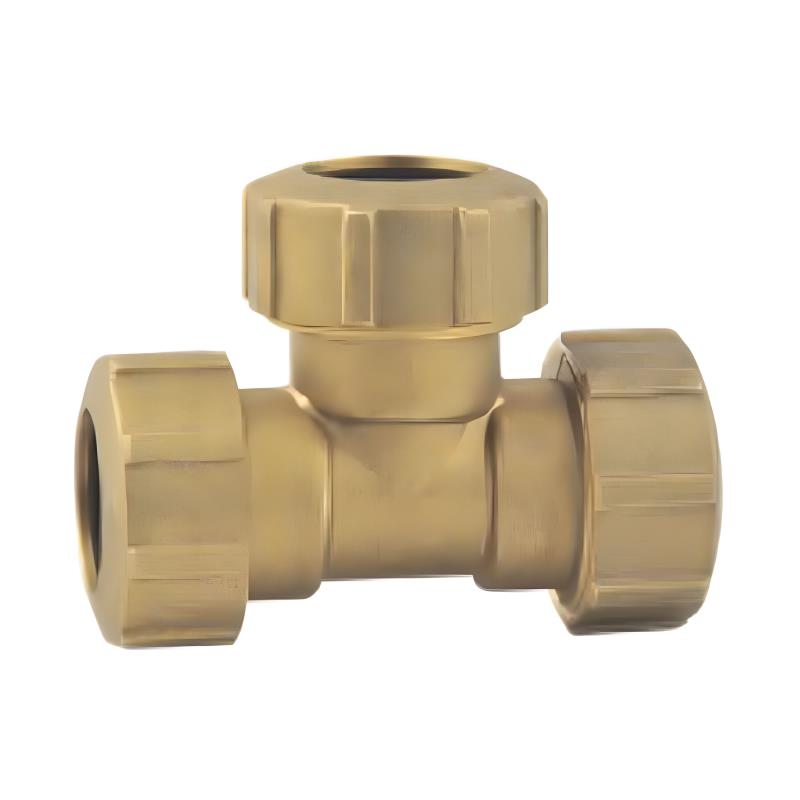
- tee forms used when flow needs to split into separate paths
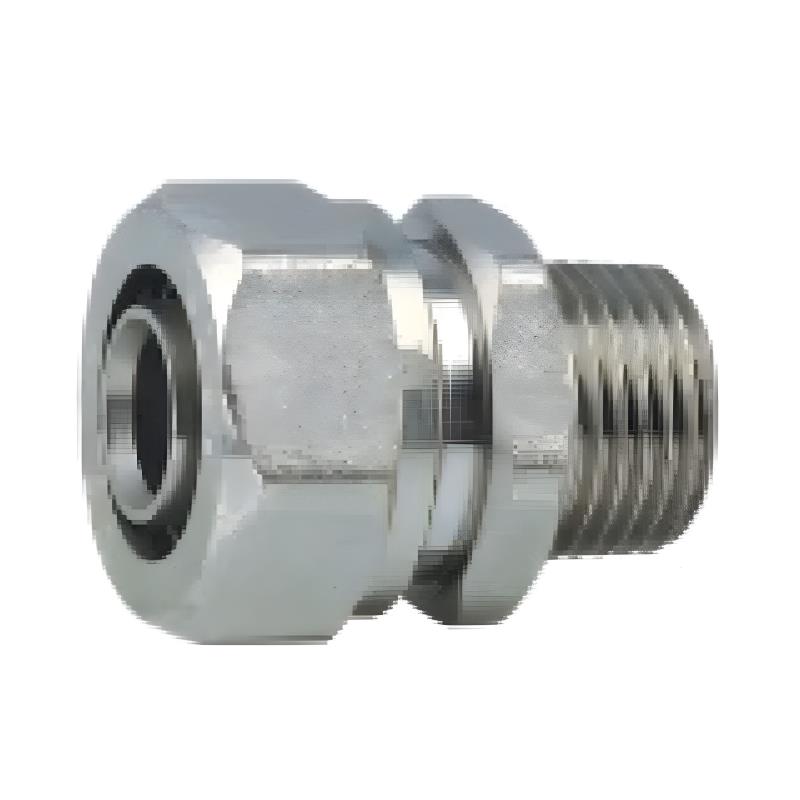
- adapter forms used when different connection styles meet
- reducer forms used when pipe sizes transition within a system
Each type plays a specific structural role, and together they allow a piping system to move through space, adjust direction, and connect to equipment without breaking continuity.
How production background influences fitting behavior
Behind every connection component, there is a manufacturing process that determines how it behaves in installation. A Brass Fittings Factory typically handles shaping, threading, surface preparation, and alignment control as part of its routine production flow.
While the appearance of a fitting may seem simple, internal shaping accuracy matters more than visual detail. Thread depth, alignment of connection surfaces, and consistency across batches all affect how easily parts can be assembled in the field.
Basic production flow often includes:
- raw material preparation before shaping
- forming of basic fitting structure
- threading and connection detailing
- surface finishing for stability and handling
- inspection of dimensional consistency
Small variations in any of these steps can influence how fittings perform during installation, especially in systems where multiple connection points must align within limited space.
How system reliability depends on connection points over long use
Once a piping system starts running, attention usually shifts to flow behavior and equipment performance, while connection points stay in the background. Yet those junctions quietly carry the stress of the whole layout. Pressure changes, minor vibration, and temperature shifts all reach these points first.
Industrial Brass Fittings often act as the "meeting zones" of a system, where different pipe sections hold together under continuous use. When those joints stay stable, the rest of the network tends to remain steady as well. If a weak point appears, effects rarely stay local and may spread through connected lines.
In practice, reliability is closely tied to a few simple conditions:
- pipe ends staying aligned without constant strain
- joints holding shape under repeated pressure cycles
- branch points distributing flow without uneven load
- equipment connections remaining steady during operation
In many installation plans, attention is given to how these points are placed, not just how pipes run in straight lines. A Brass Fittings Factory usually focuses on repeatable forming so connection behavior does not vary too much between parts, since uneven fit can lead to uneven stress in the system itself.
What installation work depends on during assembly stages
On site, piping work is rarely smooth or fully open. Space is often limited, and routes are shaped around walls, frames, and other systems already in place. In that setting, connection components become part of the practical solution rather than just a technical detail.
Industrial Brass Fittings are commonly used because they allow sections to be assembled step by step instead of forcing long continuous pipe runs into tight areas. Each joint becomes a small control point where direction, length, or connection type can be adjusted.
Typical installation considerations include:
- how easily two pipe sections meet in limited space
- whether tightening can be done without distortion
- whether alignment can be maintained during assembly
- whether future disassembly remains possible
Threaded structures are often used in these situations since they allow controlled joining without permanent bonding. That flexibility becomes useful when system layouts need small adjustments during installation.
How production consistency from factory side reflects in field use
Even when design looks simple, small differences during production can change how parts behave once installed. Thread depth, inner surface smoothness, and dimensional alignment all affect how tightly and evenly a joint comes together.
Inside a Brass Fittings Factory, attention usually goes toward keeping forming steps stable rather than changing appearance. When shaping stays consistent, installation becomes more predictable, especially in systems where multiple fittings are used in one layout.
A simple breakdown of what tends to matter:
| Production element | Field effect |
|---|---|
| thread forming consistency | smoother assembly and sealing |
| dimensional control | better alignment between parts |
| surface finishing | reduced resistance during tightening |
| structural shaping | more stable long-term connection |
When these elements stay balanced, fittings tend to behave in a similar way across different installation points, which helps reduce unexpected adjustments during assembly.
What influences selection of fitting types in real layouts
Choosing connection components is rarely a single-step decision. Layout, space, flow direction, and maintenance expectations all come into play at the same time. Industrial Brass Fittings are often selected when a system needs to balance structure with flexibility.
In many cases, selection revolves around practical conditions rather than abstract design ideas:
- tight installation space requiring compact connection forms
- need for direction change without altering pipe structure
- requirement for branch lines in distribution routes
- different pipe sizes meeting within one system
- expected future maintenance access
Some systems are built with frequent adjustment in mind, so connection points are chosen not only for initial fit but also for later access. That is where modular thinking becomes more visible in piping layouts.
How shifting system design habits affect fitting usage
Piping systems are gradually moving away from rigid layouts toward arrangements that allow change over time. Equipment upgrades, space reconfiguration, and maintenance adjustments all influence how networks are structured.
Within that shift, Industrial Brass Fittings stay relevant because they support changes without requiring full reconstruction. Instead of replacing long sections of pipe, adjustments often happen at connection points.
Common layout tendencies include:
- shorter pipe segments connected through multiple joints
- more accessible junction points for servicing
- increased use of branch connections for flexibility
- separation of systems into modular sections
A Brass Fittings Factory often adapts production focus toward keeping connection behavior stable across these varied uses. The aim is not only forming parts, but keeping those parts predictable when installed in different system conditions.
Over time, connection components remain part of the hidden structure that holds systems together, even as layouts and applications continue to change around them.