+86-13989680588
 graylin@hongjiavalve.com
 Get a quote

 English
 русский
 Deutsch
Submit feedback
Why Is 1 2 Inch Thermostatic Radiator Valve Used For Room By Room Heating Control
Author: Hongjia
Date: May 22, 2026
Why Rooms Never Really Warm Up in the Same Way
Heating inside a house rarely spreads evenly. Even when one system keeps running, each room behaves differently. A bedroom may stay closed for long hours. A living room stays active with movement. Kitchen areas gain heat from cooking. Bathrooms warm up for short use and then cool again.
Because of those differences, a single heating level across all rooms often feels inconsistent. One space ends up warmer than needed. Another space feels slightly cold even when the system is working.
Room by room control appears from this kind of everyday experience. Heat no longer pushes through the home as one single flow. Each room begins to respond on its own.
Common reasons for uneven warmth:
- sunlight only reaching part of the house
- walls and insulation not the same in every room
- people staying in different spaces at different times
- small heat sources inside rooms like appliances
Heating systems without control often follow pipe layout more than actual room use.
What a 1 2 Inch Thermostatic Radiator Valve Actually Does
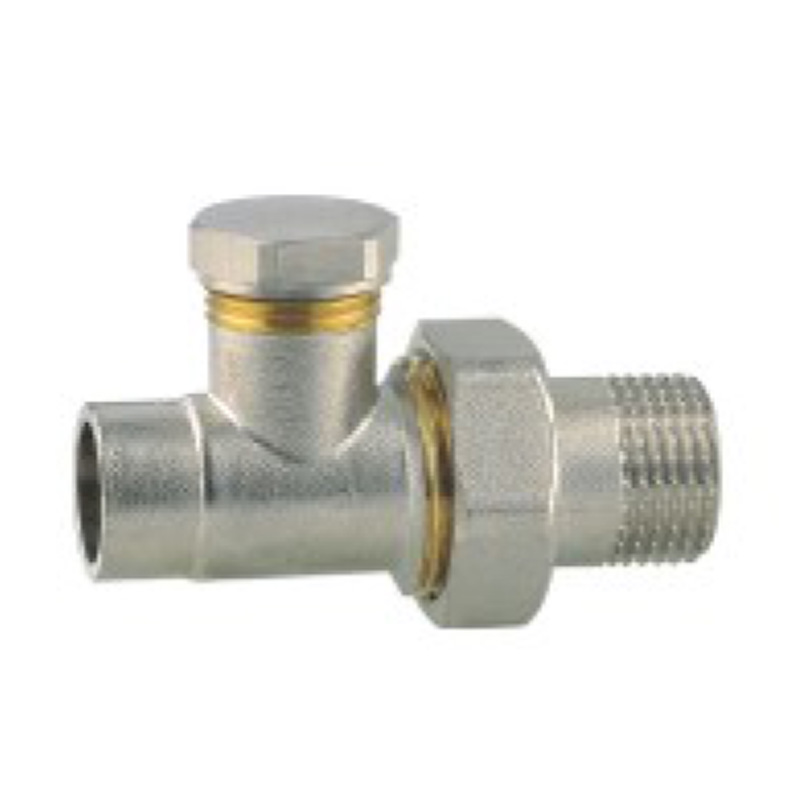
A 1 2 inch thermostatic radiator valve sits where the radiator meets the pipe. It does not create heat. It only decides how much hot water enters the radiator.
Inside the valve head, a small sensing part reacts to air temperature. When the room gets warmer, that part expands slightly. When the room cools down, it shrinks back. That small movement pushes a pin inside the valve, changing water flow.
In daily use, it works quietly in the background.
Basic reaction:
- room warms up → flow slows down
- room cools down → flow increases
No manual turning needed after setup. The valve keeps adjusting by itself based on air around it.
Changes do not happen in sudden jumps. Movement stays slow, which helps avoid sharp temperature swings.
How the Inside Mechanism Responds to Air
The working idea is simple physics rather than electronics. Heat changes material shape. That movement turns into mechanical force inside the valve.
Step by step inside the valve:
- air around radiator becomes warmer
- sensing part expands a little
- pressure pushes valve pin
- opening for water becomes smaller
- radiator releases less heat
When the room cools:
- sensing part contracts
- pressure drops
- valve pin moves back
- more water enters radiator
This cycle repeats many times during normal daily use. The valve keeps reacting to small changes in room temperature instead of waiting for large shifts.
Because it reacts to nearby air, placement in the room also changes how it behaves.
Why 1 2 Inch Size Appears So Often in Homes
Pipe size affects how water moves through the heating system. A 1 2 inch connection matches many common radiator pipe setups found in residential buildings.
If the size fits properly, water moves through the system without unnecessary restriction. If it does not match, flow can feel uneven between different rooms.
Why this size is commonly used:
- fits standard radiator connections in many homes
- allows stable water movement through pipes
- supports replacement without major changes
- works with typical residential heating layouts
Good sizing helps keep flow balanced across multiple rooms instead of favoring one area.
How Room by Room Heating Feels in Daily Life
Room by room control changes how heating is experienced. Instead of one shared temperature across the whole house, each room adjusts on its own.
| Room | Daily Pattern | Without Control | With Thermostatic Valve |
|---|---|---|---|
| Bedroom | unused during day | stays warm anyway | reduces heat when empty |
| Living room | active evenings | constant heating | adjusts with activity |
| Bathroom | short use periods | uneven timing | quick response |
| Kitchen | irregular heat sources | extra warmth builds up | flow adjusts automatically |
Each room stops reacting as part of one system and starts responding to its own condition.
How Water Flow Shapes Comfort Inside the House
Heating systems rely on water moving in a loop through pipes and radiators. Without control, some radiators receive more flow while others receive less. That creates uneven room temperature.
A thermostatic valve helps balance that movement. It does not block water completely. It only adjusts how much enters each radiator.
Flow behavior changes:
- heat spreads more evenly across rooms
- pressure inside system becomes more stable
- temperature changes feel smoother
- radiators respond to real room need
Instead of pushing full flow everywhere, the system adapts room by room.
How Daily Routine Changes Heating Demand
A house does not stay in one state all day. People move between rooms. Activities change. Heating demand follows that pattern.
Typical flow of a day:
- morning: bathrooms and kitchen warm up quickly
- daytime: many rooms stay empty
- evening: living spaces become active
- night: bedrooms need steady comfort
A thermostatic valve responds to those changes without needing manual adjustment. It reacts to temperature shifts caused by usage.
Why Position of the Valve Affects Its Response
Where the valve sits in a room changes how it senses temperature. Air movement matters.
Common factors that influence response:
- open air around valve allows faster reaction
- curtains can trap warm air near radiator
- furniture can block airflow
- tight corners slow down sensing
If air does not circulate freely, the valve may react more slowly to changes in room temperature.
Common Uneven Heating Problems Without Control
Without room-based regulation, heating often behaves unevenly.
Typical situations:
- unused rooms still receiving strong heat
- busy rooms feeling slightly cooler
- frequent manual adjustments needed
- heat distribution not matching actual use
These patterns often appear in homes where flow is not separated by room.
How Valve Movement Feels in Real Use
Inside the valve, movement is small and continuous. Nothing looks like it is moving from outside.
What happens internally:
- slow expansion and contraction
- small shifts in valve opening
- steady reaction to air temperature
- constant adjustment instead of fixed position
Because changes are gradual, room temperature feels stable rather than fluctuating.
How Heating Control Fits Everyday Living
Modern routines rarely stay fixed. Rooms are used differently throughout the day. Heating needs shift with that movement.
Room by room control follows that lifestyle:
- heating adjusts based on room use
- empty spaces stay cooler
- occupied rooms stay comfortable
- manual control becomes less frequent
Heating becomes something that adapts quietly in the background instead of being adjusted all the time.
What Happens When Heating Is Not Balanced Room by Room
A heating system without room control often looks fine at the start, yet uneven comfort appears during daily use. One room stays warm longer than needed, another room takes time to reach a comfortable level. People usually notice it during normal routines rather than system checks.
Living spaces close to the boiler or main pipe line often receive stronger flow. Rooms farther away may feel slower heating response. That difference does not come from room size alone, it comes from how water moves inside the system.
Common imbalance patterns:
- bedrooms staying warm even when empty
- living rooms needing constant adjustment
- bathrooms heating too slowly at key moments
- upper and lower floors feeling different
Small differences in flow become noticeable after long use.
How a 1 2 Inch Thermostatic Radiator Valve Helps Stabilize Flow
A 1 2 inch thermostatic radiator valve does not force heat into a room. It adjusts flow based on temperature in that space. Each radiator behaves more independently, which reduces interference between rooms.
When one room reaches a comfortable level, valve response slows water entry. That leaves more flow available for other radiators that still need heat. Over time, system balance becomes more even without manual correction.
Flow behavior in practice:
- warmer room reduces intake
- cooler room receives more hot water
- system pressure spreads more evenly
- temperature differences reduce gradually
The effect is not instant. It builds slowly through repeated cycles.
How Everyday Routines Shape Heating Response
Heating demand changes during normal daily activity. A house does not stay in one condition. Movement between rooms constantly changes temperature needs.
A simple daily rhythm often looks like this:
Morning period
- bathroom needs quick warming
- kitchen starts gaining heat from activity
- bedrooms stay less active
Daytime period
- many rooms remain unused
- heating demand drops in several zones
Evening period
- living room becomes active
- balanced comfort needed across main spaces
Night period
- bedrooms require steady, quiet heating
- other rooms reduce demand
Thermostatic valves respond to these shifts without manual adjustment.
How Installation Details Affect Real Performance
Even small installation differences influence how a thermostatic valve performs. Air around the valve head needs space to move freely. If airflow is blocked, temperature reading becomes slower.
Common installation issues:
- curtains covering valve head area
- furniture placed too close to radiator
- valve positioned in low airflow corner
- dust buildup around sensing area
When airflow stays open, response becomes more direct. Temperature changes in the room reach the sensing element faster.
Correct positioning often matters as much as valve quality itself.
Why Some Rooms Feel Slow to Warm Up
Slow heating in certain rooms is often linked to flow distribution rather than valve failure. Water takes different paths inside the system, and resistance varies from room to room.
Rooms far from main distribution points may receive slower flow. When thermostatic valves are installed, they help balance that difference by adjusting intake based on actual room condition.
Reasons for slow warming:
- longer pipe distance from heat source
- lower flow priority in system layout
- heat loss through walls or windows
- restricted water movement due to imbalance
Valve action helps reduce visible impact of these differences over time.
How Thermostatic Control Affects Energy Behavior in Daily Use
Energy use in heating systems is closely linked to flow direction. When all rooms receive constant full heat, energy spreads even into unused areas. Room control changes that pattern.
With thermostatic adjustment:
- unused rooms reduce intake naturally
- active rooms receive needed flow
- system avoids unnecessary circulation
- heat use follows room activity
Energy behavior becomes closer to real household movement instead of fixed output.
What Happens When Valves Age Over Time
Thermostatic valves work through repeated mechanical movement. Over time, internal parts may respond slightly slower compared to early use. Changes are usually gradual and not sudden.
Possible long-term changes:
- slower reaction to temperature change
- small delay in flow adjustment
- reduced sensitivity in sensing element
- slight variation between rooms
Regular cleaning and normal usage cycles often keep performance stable for longer periods.
Simple Troubleshooting in Real Homes
When rooms feel uneven in temperature, checking valve behavior is often a starting point. Many issues come from airflow blockage or incorrect setting rather than system failure.
Practical checks:
- ensure valve head is not covered
- confirm radiator is not blocked by furniture
- check if valve moves freely when adjusted manually
- observe if one room receives more heat than others
Small adjustments in placement or airflow often improve balance.
How Comfort Feels After Room Control Is Introduced
After room by room control becomes active, heating feels less dependent on constant adjustment. Each space reacts on its own, which reduces sudden changes between rooms.
Typical changes noticed in daily life:
- fewer temperature differences between rooms
- less need to turn heating on and off manually
- more stable comfort during long use periods
- smoother transition between occupied and empty rooms
Comfort becomes distributed instead of concentrated in one area.
How 1 2 Inch Thermostatic Radiator Valve Fits Modern Living Patterns
Modern homes often have changing schedules. Rooms are not used equally throughout the day. Heating systems that respond to each room individually fit better with that lifestyle.
Room control supports:
- flexible daily schedules
- mixed usage across different rooms
- reduced manual heating adjustments
- consistent comfort during movement between spaces
The valve becomes part of background home behavior rather than a device requiring attention.
A 1 2 inch thermostatic radiator valve works through small mechanical response rather than active control. Its role in room by room heating is to adjust flow based on real temperature conditions in each space.
Over time, heating becomes less about forcing uniform warmth and more about matching how each room is actually used.