+86-13989680588
 graylin@hongjiavalve.com
 Get a quote

 English
 русский
 Deutsch
Submit feedback
What Tips Help Select Industrial Radiator Valve
Author: Hongjia
Date: Sep 15, 2026
Choosing a valve for an industrial heating system is not simply a matter of matching a pipe opening with a suitable fitting. The valve sits between the heating source and the radiator, so its size, connection, operating method, and installation position can all affect how the system is handled during normal use.
Industrial environments also vary considerably. A radiator installed beside production equipment may face heat, dust, or vibration that would not be present in a cleaner indoor space. Another unit may be located in a maintenance area where access is easy but available installation space is limited.
For that reason, selection usually works better when the surrounding system is considered first. The radiator, pipework, heating conditions, and daily operating habits provide useful information before any particular valve is chosen.
Why Does Valve Selection Matter in Industrial Radiator Systems?
A radiator valve controls the movement of heated fluid through the radiator. Opening the valve allows more flow, while closing it reduces the amount passing through. The resulting change can affect how much heat the radiator releases into the surrounding area.
That sounds straightforward, yet industrial heating systems rarely consist of one radiator working alone. Several units may be connected to the same heating arrangement, and their locations may have different heating requirements.
A radiator beside a frequently opened door may need a different adjustment from one installed in an enclosed workroom. Equipment positioned nearby can also affect the surrounding temperature. These conditions make simple open-or-close operation less useful than a valve that can be adjusted according to actual heating needs.
Valve selection can also affect maintenance. A component that is difficult to reach may make a small adjustment unnecessarily troublesome. A poorly matched connection can create problems during installation or later servicing.
Several basic questions are worth considering:
- What type of radiator will the valve serve?
- How is the radiator connected to the pipe?
- Where will the valve be positioned?
- How often will it need to be adjusted?
- What conditions surround the installation?
- Can the valve be reached easily for inspection?
Starting with these questions helps keep the selection tied to the actual heating system rather than focusing on the valve as an isolated component.
What Should Be Checked Before Choosing a Valve?
The radiator and its pipework provide the first useful clues. The connection must match the existing system, and the available space needs to be sufficient for both installation and later adjustment.
Pipe size is another basic consideration. A valve that does not correspond with the existing connection can require additional fittings or changes to the pipe arrangement. Those changes may increase installation work and create more points that need inspection later.
The operating conditions should also be considered. Heat and pressure within the system can influence the materials and construction suitable for the application. A valve intended for a particular working environment should be assessed according to the conditions where it will actually be installed.
The way the valve will be operated matters as well. Some systems require frequent adjustment, while others remain at a relatively stable setting for long periods. A hand-operated valve may be convenient where workers need direct control, while another arrangement may suit equipment that requires a different form of adjustment.
Installation space is easy to overlook during purchasing. A valve may physically fit the pipe but still be awkward to operate if a wall, machine, insulation layer, or another pipe is too close.
A useful pre-selection check can include:
- Identify the radiator and existing pipe arrangement.
- Check the connection size and direction.
- Review the expected temperature and pressure conditions.
- Measure the space around the installation point.
- Consider how often the valve will be adjusted.
- Confirm that inspection and maintenance can be carried out without unnecessary obstruction.
These checks provide a clearer starting point for the next question: how the valve actually affects heating flow once the system is operating.
How Does Flow Control Affect Industrial Heating?
A radiator gives off heat as heated fluid moves through it. Changing the amount of fluid passing through the radiator can therefore change the heat released into the surrounding space.
Opening a valve further generally allows more heated fluid to pass. Reducing the opening limits the flow. The relationship is not always as simple as turning the handle to a particular position and expecting an exact room temperature, because the overall heating system, radiator size, pipe arrangement, and surrounding conditions also play a role.
For industrial facilities, this matters when different areas have different heating needs. A storage room may require less heating than a workspace where people remain for long periods. A room with machinery producing heat may also behave differently from an area exposed to cold air from outside.
Frequent adjustments should be made with care. Continually moving the valve without considering the temperature response of the space can make control less consistent. It is often more practical to make a suitable adjustment and allow the heating condition to respond before changing the setting again.
The condition of the valve can also influence control. An operation that becomes stiff, loose, or difficult to turn may indicate that inspection is needed. A valve that cannot be adjusted smoothly can make it harder to respond to changing heating requirements.
Understanding the relationship between flow and heat makes the physical design of the valve easier to evaluate. The next consideration is the environment surrounding the component, particularly the materials used in its construction.
Which Valve Materials Suit Different Industrial Environments?
Material selection is closely connected with where the valve will be installed. Industrial heating areas may contain moisture, dust, cleaning agents, heat, or other conditions that can affect exposed surfaces and connections.
Metal components are commonly considered for heating applications because they can provide a solid connection within a pipe system. The specific material still needs to suit the working conditions. A damp environment, for example, can place different demands on exposed surfaces than a dry indoor installation.
Material compatibility also matters at the connection point. The valve connects with pipework and other fittings, so the materials should work together under the expected operating conditions. Differences between connected materials can become more noticeable over long periods of use.
The surrounding temperature should be considered alongside the temperature of the heating medium. A valve may be connected to a hot pipe while the area around it remains relatively cool, or the entire installation may be located near other heat-producing equipment.
| Selection Factor | Why It Matters | Practical Check |
|---|---|---|
| Valve material | Affects suitability for the surrounding environment | Consider moisture, heat, and exposure |
| Connection | Determines how the valve fits the pipework | Check size, type, and direction |
| Operating condition | Influences component suitability | Review heating and pressure conditions |
| Installation space | Affects operation and maintenance | Leave room for adjustment and inspection |
Material choice should therefore be considered together with the rest of the installation rather than treated as a separate purchasing decision. Once the environmental conditions, connection requirements, and operating habits are clear, the selection becomes much easier to narrow down.
That leads naturally to the physical location of the valve. Even a suitable component can become inconvenient when it is placed where workers cannot easily reach, inspect, or adjust it.
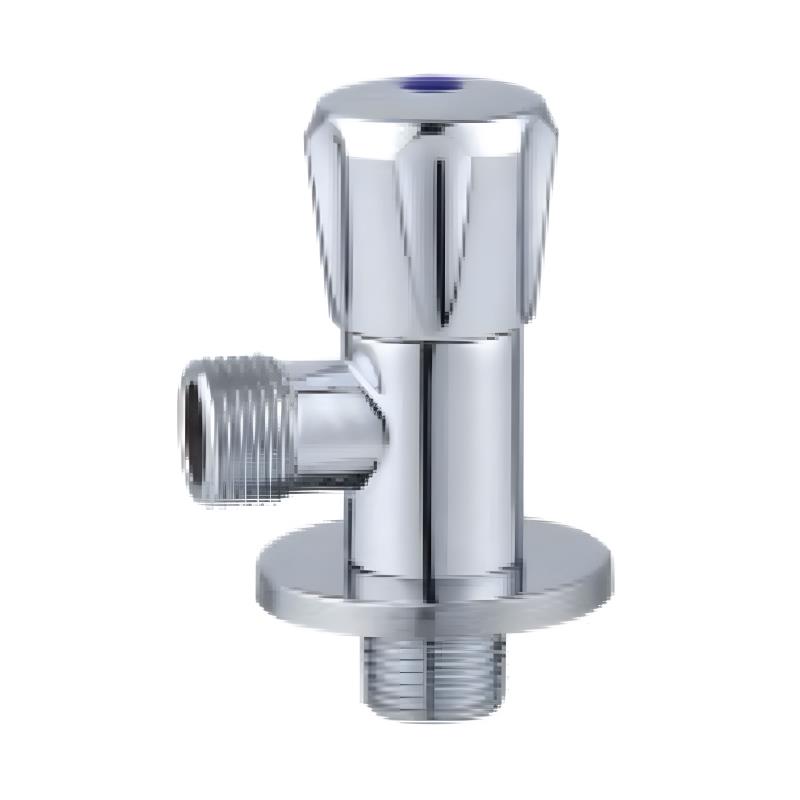
Where Should an Industrial Radiator Valve Be Installed?
The position of a valve can affect everyday use just as much as its basic specifications. A component may match the pipe and heating conditions, yet still be inconvenient when it is placed behind equipment or in a narrow space.
Access should be considered before installation begins. Workers may need to adjust the valve, inspect the connection, or check for signs of leakage. Reaching the handle should not require moving unrelated equipment or working in an uncomfortable position.
The surrounding space also needs to allow for movement. A valve installed too close to a wall, another pipe, or a machine may leave little room for turning or maintenance. Insulation around a heated pipe can create another space requirement that is easy to miss during the planning stage.
The installation position should also avoid unnecessary exposure to physical impact. In a busy production area, carts, tools, or nearby equipment may pass close to the heating system. A protected position can reduce the chance of accidental contact.
Several practical points can be checked before fixing the valve in place:
- Is the handle easy to reach?
- Can the connection be inspected without removing other equipment?
- Is there enough room for adjustment?
- Could nearby machinery interfere with operation?
- Can maintenance workers see the connection clearly?
- Does insulation leave sufficient operating space?
A good installation position makes routine adjustment feel like part of normal equipment operation rather than an extra maintenance task.
How Do Connection Types Affect Installation?
The connection between the valve and the pipe needs to be considered early because it determines how the component will physically join the heating system. A mismatch can lead to additional fittings or changes to the existing pipework.
Threaded connections are often considered where a compact connection is needed and the surrounding pipe arrangement allows direct assembly. Other systems may use flanged or different connection arrangements, particularly where the equipment design calls for a specific installation method.
The important point is not the name of the connection alone. The valve needs to match the existing pipe arrangement in size, direction, position, and intended use.
Pipe direction can create a practical issue as well. A valve may fit the pipe but leave the operating handle facing a wall or another obstruction. Rotating the component may not always be possible after the surrounding pipework has been fixed.
Installation teams therefore benefit from checking the complete connection area before work begins. A simple drawing or clear photograph of the existing pipe arrangement can help avoid misunderstandings when components are being selected remotely.
The sealing method also deserves attention. Connections need to remain secure during normal heating operation, and the method used should be suitable for the materials and working conditions involved. Improvised changes during installation can create avoidable maintenance concerns later.
Before ordering, it is useful to confirm:
- connection type
- connection size
- pipe direction
- installation position
- available working space
- required sealing arrangement
Once these details are clear, installation becomes less dependent on last-minute adjustments.
What Maintenance Points Should Be Considered?
Heating systems are often expected to operate quietly in the background, which can make small valve problems easy to overlook. A slow change in operation, a difficult handle, or moisture around a connection may not stop the system immediately, yet each can be a reason to inspect the component.
Regular visual checks can focus on simple signs. The valve body and surrounding connection should be examined for visible leakage, surface changes, or damage. The operating handle should also move in a controlled manner rather than becoming unusually stiff or loose.
Cleaning should be handled according to the material and installation conditions. Harsh treatment can damage surfaces or seals, while accumulated dirt around the operating area can make adjustment less convenient.
Long periods without heating can also justify a check before the system returns to normal operation. Pipes and connections may have been disturbed during other maintenance work, and the valve should not be assumed to be unchanged simply because it was previously working.
A practical maintenance routine can include:
- checking the valve and nearby pipe connection
- looking for signs of leakage
- checking whether the handle moves normally
- keeping the operating area reasonably clean
- inspecting the component after nearby pipework has been modified
- checking the installation after a long period without operation
Maintenance should remain proportional to the equipment and working environment. The purpose is to notice changes early rather than repeatedly adjusting or dismantling a component without a clear reason.
How Can Buyers Communicate With a Radiator Valve Supplier?
Clear communication can make component selection easier, especially when the valve will be installed in an existing industrial heating system. A general request such as asking for a valve for an industrial radiator may not provide enough information to identify a suitable configuration.
Useful information includes the radiator type, pipe connection, installation position, working conditions, and preferred operating method. A photograph of the existing connection or a simple drawing can also help show details that are difficult to describe in words.
The operating environment should be mentioned as well. A valve installed in a clean indoor room has different surrounding conditions from one placed near production equipment, outdoor pipework, or a damp service area.
It is also worth discussing maintenance requirements before purchasing. If access is limited, the valve design and installation arrangement need to account for future inspection. Questions about installation direction, connection method, and care instructions can be clarified before the component reaches the site.
A useful communication checklist includes:
- radiator type and application
- pipe size and connection form
- expected working conditions
- available installation space
- operating method
- surrounding environment
- maintenance access
- available product documentation
A Radiator Valve Supplier can use this information to assess whether a proposed configuration matches the intended application. The clearer the information, the less the selection depends on assumptions based only on the product name.
Industrial heating systems often contain small components that have a direct effect on everyday operation. A valve is one of them. Its suitability depends not only on whether it can connect to the pipe, but also on how easily it can be adjusted, how the surrounding environment affects it, and whether maintenance can be carried out without unnecessary difficulty.
Looking at the complete installation from the beginning helps keep the selection practical. The valve, radiator, pipework, working conditions, and maintenance routine all need to fit together as part of the same heating system.