+86-13989680588
 graylin@hongjiavalve.com
 Get a quote

 English
 русский
 Deutsch
Submit feedback
How a Threaded Stop Valve Helps Improve System Efficiency
Author: Hongjia
Date: Sep 11, 2026
A fluid system does not always need every connected pipe to remain open. Equipment may operate at different times, some sections may need inspection, and certain branches may remain unused for part of the working process. Keeping every passage open under all conditions can make control less convenient and may create unnecessary work for the system.
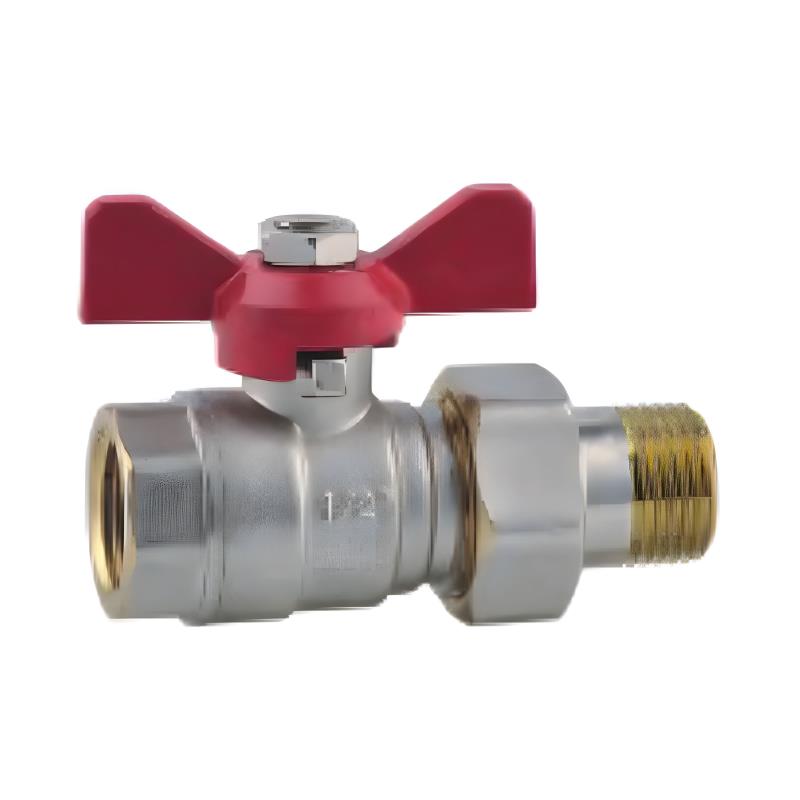
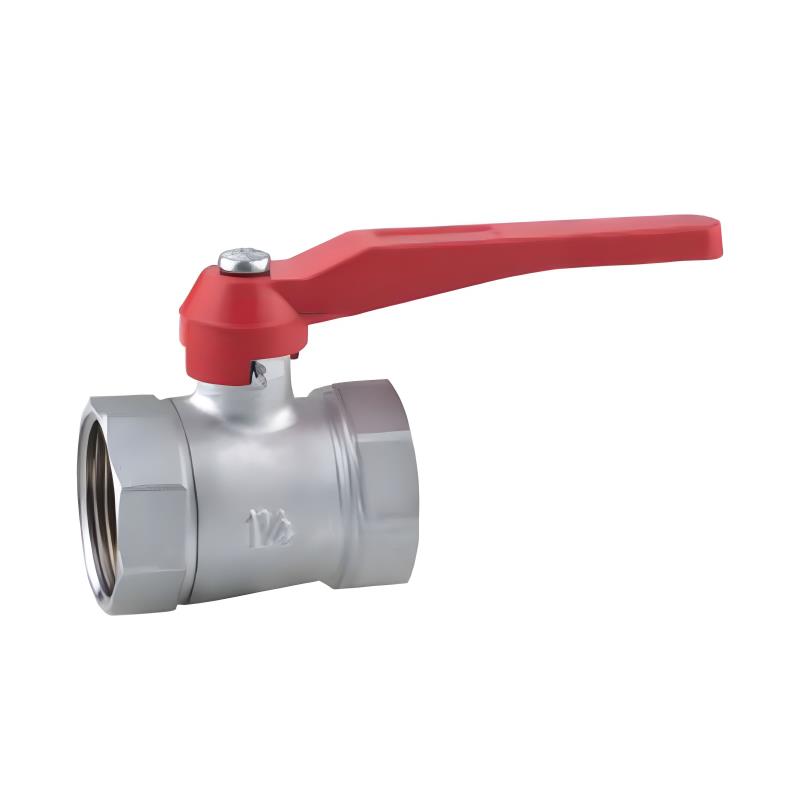
A suitable shutoff valve gives operators a simple way to decide when a particular section should remain open and when it should be closed. A Threaded Stop Valve is commonly considered for pipe connections where a threaded interface is suitable. Its role is straightforward: control the passage of fluid through a pipe and provide a point where a section can be isolated when needed.
Efficiency in such a setting is not simply about moving more fluid. A well-managed system should also avoid unnecessary flow, make local maintenance easier, and allow different sections to be controlled without disturbing areas that still need to operate.
How Does Controlled Flow Help a System Run More Efficiently?
Fluid movement is useful when a process requires it. Once a connected piece of equipment stops working, however, continued flow through its branch may no longer serve a practical purpose. A shutoff valve provides a way to separate that section from the active part of the system.
Consider a pipe serving a piece of equipment that operates independently from nearby equipment. When the equipment is not in use, closing its related valve can keep that branch isolated. Operators do not need to alter the entire pipe arrangement simply because one section is temporarily inactive.
Controlled flow can also make operating conditions easier to manage. Different parts of a system may have different working requirements, so keeping every route open can make local adjustments more difficult. A valve positioned at a suitable point gives operators a direct means of controlling one section.
Several situations may call for local shutoff:
- A connected machine is temporarily out of service.
- A branch pipe needs inspection or cleaning.
- A section is not required during a particular operation.
- Maintenance work is being carried out around a connected component.
Closing an unused route does not automatically make an entire system more efficient. Proper valve placement and sensible operation are still needed. Efficiency comes from matching fluid movement with actual operating needs rather than keeping valves open simply because the system is available.
A shutoff valve also gives operators a clearer way to divide a larger pipe network into manageable sections. Local control can reduce unnecessary interference between working and inactive areas, making daily operation easier to organize.
Why Does Quick Isolation Matter During System Operation?
A pipe system may contain several connected sections, each serving a different function. When one section requires attention, shutting down the whole arrangement may create unnecessary disruption. Local isolation offers another option.
Suppose a fitting needs to be checked while nearby equipment continues working. A valve placed before the affected section can help separate it from the active flow path. Work can then focus on the relevant area without requiring every connected section to stop.
Isolation is also useful when an unexpected condition appears. A damaged connection, unusual leakage, or maintenance requirement may call for a particular branch to be closed. Having an accessible shutoff point makes the response more direct.
Valve location matters here. A control point hidden behind equipment or placed far from the section it serves can make routine operation inconvenient. A properly positioned valve is easier to identify and operate when attention is needed.
Local isolation can support:
- Maintenance work A specific section can be separated before inspection or repair, reducing unnecessary interference with other parts of the system.
- Equipment replacement Removing one connected component becomes easier when its pipe section can be shut off independently.
- Operational adjustment Unused branches can remain closed while active sections continue receiving fluid.
- Fault handling A problem in one area can be addressed without automatically stopping unrelated sections.
Frequent operation should still be avoided when there is no practical reason for it. A shutoff valve is intended to provide control, not to compensate for poor system planning. Clear operating procedures and accessible valve placement work together to make isolation useful.

How Does a Threaded Connection Affect Installation Efficiency?
Connection design has a direct relationship with installation and later maintenance. A threaded connection allows compatible pipe sections, fittings, and valves to be joined through matching threads, creating a practical arrangement for applications where such connections are appropriate.
Installation efficiency depends on proper matching. Pipe size, thread type, connection condition, and available installation space all need to correspond. A valve that does not match the connected pipe cannot provide a reliable working arrangement simply because its general function appears suitable.
Threaded connections can also be useful where equipment may need to be removed or replaced during routine maintenance. A serviceable connection gives workers a practical point for disassembly without requiring the surrounding pipe layout to be changed.
Care during installation remains important. Threads should be kept clean and free from damage, while the connection should be assembled with suitable care. Excessive force can damage the joining surfaces, while insufficient engagement may leave the connection in an unsuitable condition.
A sensible installation process therefore considers more than getting the valve into position:
- Confirm that the valve and pipe connections match.
- Check the threads before assembly.
- Keep dirt and unwanted material away from the joining surfaces.
- Make sure enough space remains for later operation and maintenance.
- Check the finished connection before putting the section into service.
Such details may appear small during installation, yet they influence how easily the system can be maintained later. A well-positioned threaded valve can provide both a control point and a practical connection point within a pipe arrangement.
Can Better Valve Placement Reduce Unnecessary System Work?
Valve placement is easy to overlook when planning a pipe system. A valve may perform its intended function correctly while still being inconvenient to reach, difficult to identify, or poorly positioned in relation to the equipment it controls.
An accessible location can make everyday operation simpler. When a branch needs to be isolated, operators should be able to identify the relevant valve without unnecessary movement around the surrounding equipment. Clear access also helps during inspection and maintenance.
Placement should relate to the purpose of the valve. A control point near a piece of equipment may make local isolation easier, while a valve at a branch connection can separate one route from several others. The right position depends on how the pipe section is used.
Several practical points are worth considering:
- Access: Enough room should remain for normal valve operation.
- Visibility: Operators should be able to identify the valve and its connected section.
- Maintenance: Nearby components should not prevent later removal or inspection.
- Protection: The valve should not be placed where routine movement could easily damage it.
Good placement can reduce unnecessary work because operators do not need to search for a remote control point whenever a local section requires attention. A carefully planned valve arrangement also makes the overall pipe layout easier to understand.
For system efficiency, the value of a shutoff valve therefore extends beyond its ability to stop flow. Its position, connection method, and relationship with nearby equipment all influence how easily the system can be operated and maintained.
How Does Reliable Shutoff Support Maintenance Efficiency?
Maintenance becomes easier when a pipe system can be divided into sections that can be handled separately. A shutoff valve provides a practical control point for this purpose, allowing a selected part of the pipe arrangement to be closed while other areas remain available for operation.
Reliable closing matters during inspection and repair. A valve that does not respond properly can make a simple maintenance task more difficult because workers may need to look for another way to isolate the affected section. Regular attention to valve condition can therefore support smoother maintenance work.
Connection areas deserve particular attention. Signs of leakage, looseness, corrosion, or visible damage should not be ignored. A small issue around a valve may affect nearby equipment or make later maintenance less convenient.
Valve operation should also remain controlled. Forcing a handle when movement feels abnormal can create additional damage. Unusual resistance may indicate a condition that needs inspection rather than greater physical force.
A practical maintenance check can focus on:
- Whether the valve can open and close normally
- Whether the connection remains secure
- Whether visible leakage is present
- Whether surrounding components interfere with operation
- Whether dirt or residue has collected around accessible parts
Keeping the shutoff point in usable condition has value beyond the valve itself. When maintenance work can be carried out at a clearly defined section, workers can spend less time dealing with unrelated parts of the system.
What Should Be Considered When Choosing a Threaded Stop Valve?
Selecting a valve begins with the pipe arrangement rather than the valve alone. A suitable choice needs to fit the physical connection, the operating conditions, and the role the valve will perform within the system.
Pipe size is an obvious consideration, yet thread compatibility also matters. Two components may appear similar while having different connection requirements. Checking the pipe and valve specifications before purchase can prevent installation problems later.
The fluid being handled is another important point. Different fluids can place different demands on the valve materials and sealing parts. Temperature, pressure, and the surrounding working environment should also be considered according to the actual application.
Operating frequency can influence the choice as well. A valve used occasionally for maintenance isolation has a different working pattern from one that is operated regularly during daily processes. Matching the valve with its intended role helps avoid unsuitable use.
Installation conditions should not be overlooked. Limited space can make a normally simple valve difficult to operate or remove. Room around the connection should be considered before installation, especially where future inspection may be required.
| Selection Point | What to Check | Why It Matters |
| Pipe Connection | Size and compatible threads | Helps avoid installation problems |
| Fluid | Type and working condition | Supports suitable material selection |
| Operation | Frequency and purpose | Matches the valve with its actual use |
| Installation | Space Access around the valve | Makes operation and maintenance easier |
| Maintenance | Removal and inspection needs | Helps plan future service work |
No single feature determines whether a valve suits a system. A practical selection comes from looking at the complete working environment and the job expected from the valve.
How Can a Stop Valve Supplier Support Better System Selection?
Information from a Stop Valve Supplier can be useful when a project involves several connection requirements or when the application has conditions that are difficult to judge from appearance alone. Clear product information gives buyers a better basis for checking whether a valve fits the intended pipe arrangement.
Communication is particularly useful before purchasing. Relevant questions may concern connection type, suitable fluids, operating conditions, installation direction, cleaning requirements, and available specifications. Providing the supplier with accurate information about the pipe system can also make the discussion more focused.
For projects involving several valves, consistency can simplify later work. Using compatible specifications across similar sections may make installation and replacement easier, especially when maintenance teams need to identify a suitable replacement part.
A supplier can also help clarify details that are easy to overlook during selection, such as:
- Whether the connection matches the existing pipe
- Which operating conditions are suitable
- Where the valve is intended to be installed
- How the valve should be handled during maintenance
- Which information should be checked before ordering
Such communication does not replace the responsibility of checking the actual installation conditions. Final selection still needs to reflect the pipe layout, fluid, working environment, and operating requirements.
How Should Valve Use Be Managed for Long Term Efficiency?
A valve can support efficient operation only when it remains usable throughout its service life. Installation alone does not guarantee convenient operation. Regular observation helps identify changes before they interfere with normal work.
Daily management does not need to become complicated. Operators can pay attention to how the valve feels during normal opening and closing, whether the connection remains stable, and whether anything unusual appears around the joint.
A valve that is rarely operated may also deserve occasional attention. Long periods without movement can make later operation less familiar, while surrounding dirt or changes in the connected equipment may affect accessibility.
Keeping the area around a valve clear has practical value. Workers need enough room to operate the control and inspect the connection without moving other equipment unnecessarily. Clear identification of each valve can also reduce confusion in systems with several branches.
Good habits include:
- Use the valve for its intended purpose. A shutoff valve should serve as a means of controlling or isolating a pipe section rather than being used in ways outside its design.
- Avoid forced operation. Unusual resistance should prompt inspection rather than excessive force.
- Keep connections under observation. Visible leakage or damage around a joint can indicate a need for maintenance.
- Maintain access. Equipment, stored materials, or temporary installations should not block the valve.
- Follow suitable cleaning and service practices. Care should match the valve design and the conditions of the installation.
Efficiency in a fluid system is closely connected with how easily each part can be controlled and maintained. A properly selected Threaded Stop Valve can provide a convenient isolation point, while suitable placement and regular care help preserve its practical value.
From controlled flow to local isolation, installation, maintenance, and selection, valve efficiency comes from fitting the component to the actual needs of the pipe system. A simple shutoff point can contribute to smoother operation when its connection, location, use, and maintenance are considered together.