+86-13989680588
 graylin@hongjiavalve.com
 Get a quote

 English
 русский
 Deutsch
Submit feedback
How High Pressure Stop Valve Supports Stable Sealing
Author: Hongjia
Date: Sep 18, 2026
A valve in a high‑pressure pipeline does more than open or close a passage. When the flow is stopped, the sealing area needs to remain in close contact while the internal pressure continues to act on the valve body and its internal parts. Any change in that contact can affect how well the system contains the medium.
Fluid conditions are rarely completely static. Pressure can rise or fall during operation, and temperature may change along with the working environment. Repeated opening and closing can also place stress on the parts that control the flow. A sealing structure therefore needs to maintain its intended position under changing conditions rather than relying on a single component.
The consequences of an unstable seal can extend beyond the valve itself. Leakage may affect surrounding equipment, create cleaning or maintenance work, and interfere with normal process control. For systems carrying fluids that require careful containment, the condition of the sealing area becomes part of routine equipment management.
A High Pressure Stop Valve is designed around this type of operating environment. Its body, closing element, stem, sealing surfaces, and connection areas need to work as one structure. Material selection matters, yet the way those parts fit together during closing is equally important.
Stable sealing starts with the basic closing action, which makes the relationship between the valve's moving and stationary parts a useful place to examine the design.
How Does a High Pressure Stop Valve Support Stable Sealing
Closing a stop valve involves moving the internal closing element toward its sealing position. As the passage becomes restricted and eventually closed, the contact between the closing element and its corresponding sealing surface helps prevent fluid from continuing through the intended flow path.
The quality of that contact depends on alignment. A closing element that reaches the correct position can form a more consistent contact area, while unwanted movement or uneven loading may create gaps. Under pressure, even a small change around the sealing surface can influence the condition of the closed valve.
The stem plays an important role because it transfers the operator's movement to the closing element. Smooth and controlled stem movement helps the internal part reach its intended position without unnecessary side loading. The packing or other sealing arrangement around the stem also needs to contain fluid where the stem passes through the valve body.
Several parts contribute to the closed state:
- Valve body: provides the main pressure‑containing structure.
- Closing element: moves into position to restrict the flow passage.
- Sealing surface: forms the contact area used to stop fluid movement.
- Stem: transfers operating movement to the closing element.
- Stem sealing area: helps contain fluid around the moving stem.
The relationship between these components matters more than any single part viewed on its own. A suitable sealing surface cannot compensate for poor alignment, while accurate alignment still depends on components that retain their shape during operation.
The closing process also needs to remain controlled. Excessive force may place unnecessary stress on internal surfaces, while insufficient travel may prevent the closing element from reaching its intended position. For high‑pressure service, the operating mechanism and sealing structure therefore need to be considered together.
How Pressure Affects Valve Sealing Performance
Pressure changes the forces acting inside a closed valve. Fluid pressure can push against the closing element, valve body, and other internal surfaces. The resulting load depends on the valve structure, flow direction, pressure conditions, and position of the closing element.
A steady pressure condition is easier to manage when the sealing surfaces remain properly aligned. Changes in pressure can alter the load acting across the sealing area, especially during opening and closing. The transition between different pressure conditions therefore deserves attention during valve design.
| Pressure Related Factor | Effect on Valve Structure | Sealing Consideration |
|---|---|---|
| Internal fluid pressure | Loads the valve body and closing parts | Structural support needs to remain stable |
| Pressure difference | Changes the force across the closing area | Closing movement needs controlled contact |
| Pressure fluctuation | Causes changing loads during operation | Sealing surfaces need suitable alignment |
| Temperature change | May affect material dimensions | Contact condition needs to remain consistent |
Pressure does not act on the sealing surface in isolation. The valve body carries the surrounding load, while the closing element and stem transfer forces through the internal structure. A change in one area can therefore influence another.
During closing, the operator may encounter a different resistance depending on the pressure condition. When the valve is reopened, the pressure difference can also affect the force required to move the internal component. Such changes are part of the operating environment and need to be considered when selecting the valve structure.
Repeated pressure changes can also place demands on material stability. Components that experience continuous loading need to retain their intended shape and position. For that reason, pressure resistance and sealing performance are closely connected rather than being treated as separate design concerns.
What Material and Surface Factors Influence Sealing
Material selection affects how valve components respond to pressure, friction, temperature, and contact. The body needs to withstand the internal load, while the closing and sealing surfaces need to remain suitable for repeated contact.
Different parts do not necessarily require identical material characteristics. A valve body may prioritize structural strength and resistance to the working medium. A sealing surface may require a different combination of wear resistance, surface condition, and compatibility with the fluid.
Surface preparation is equally important. Even when the underlying material is appropriate, an uneven or damaged sealing surface can affect contact. Small surface irregularities may become more significant when the valve is exposed to changing pressure.
Temperature introduces another consideration. Materials can respond differently as the surrounding temperature changes, and dimensional changes may affect the relationship between mating components. The operating environment therefore needs to be considered when selecting both materials and sealing arrangements.
The working medium matters as well. Fluids can differ in chemical properties, temperature, and cleanliness. A material that remains stable with one medium may require different consideration when exposed to another.
For a Stop Valve Factory, material control therefore extends beyond choosing a valve body material. Production needs to consider the relationship among the body, closing element, sealing components, surface treatment, and final assembly.
Attention to those details creates a direct link between material selection and manufacturing accuracy. Once the basic components have been chosen, their movement during operation becomes another factor that can influence whether the sealing area remains stable.
How Valve Operation and Stem Movement Affect Sealing
The stem connects the external operating action with the closing part inside the valve. Its movement needs to remain controlled so the closing element can travel along the intended path. Unwanted movement, uneven loading, or excessive friction may change the contact between the sealing surfaces.
Manual operation makes this particularly noticeable. Turning the handwheel too quickly or applying unnecessary force can place additional load on the internal components. A controlled movement allows the closing element to approach its seating area gradually, helping maintain the intended contact position.
Actuated valves bring another set of considerations. The operating mechanism needs to match the movement required by the valve rather than forcing the stem beyond its normal travel. Proper adjustment helps avoid unnecessary stress around the stem and closing components.
Stem condition also affects the surrounding sealing area. Surface damage, contamination, or insufficient lubrication can make movement less smooth. Over time, resistance around the stem may influence how easily the closing element reaches its required position.
Routine operation can therefore benefit from a few practical considerations:
- Keep the stem and operating mechanism free from unnecessary contamination.
- Avoid forcing the handwheel when resistance changes unexpectedly.
- Check whether the closing element reaches its intended position.
- Pay attention to unusual friction or changes in operating feel.
A stable closing movement gives the sealing surfaces a better chance to remain correctly positioned. From there, attention shifts naturally toward production, because accurate movement depends partly on how the valve components are made and assembled.
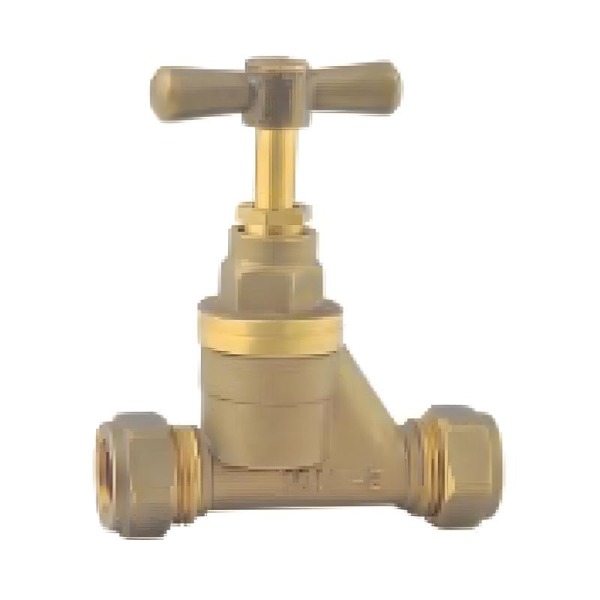
How Stop Valve Factory Production Controls Sealing Consistency
Manufacturing accuracy has a direct connection with the way internal valve parts meet. The body, closing element, stem, and sealing components each need to correspond with the intended design. Small differences in dimensions or surface condition can affect the final assembly.
Machining creates the basic shape of the valve components, while surface finishing influences the areas that come into contact. The sealing surfaces require particular care because their condition can affect how evenly the closing element meets its counterpart.
Assembly is another important stage. A properly processed part may still behave differently when it is fitted incorrectly. The stem needs to remain aligned with the moving component, while the sealing parts need to sit in their intended positions.
Quality checks can focus on several areas:
- Dimensional consistency of mating components
- Condition of sealing surfaces
- Stem movement and alignment
- Closing and opening operation
- Connection between internal and external components
Pressure testing can also be used to check whether the assembled valve maintains its intended containment under the specified working conditions. Such testing gives manufacturers a way to identify problems that may not be visible during a simple visual inspection.
For a Stop Valve Factory, consistency depends on the relationship between material preparation, machining, surface treatment, assembly, and inspection. Treating each stage separately can make it harder to identify how one production step affects another.
The final assembly should therefore reflect the original design intent. A well‑matched combination of components allows the closing mechanism to operate as planned and gives the sealing area a stable foundation for service.
How Installation and Maintenance Influence Long Term Sealing
Even a carefully manufactured valve can experience changes when installed in a pipeline. Pipe alignment, connection stress, support conditions, and installation position can all influence the load transferred to the valve body.
A pipe that places unnecessary force on the valve connection may affect the alignment of internal parts. For this reason, installation should not focus only on making the connection tight. The surrounding pipework also needs to support the valve without placing avoidable mechanical stress on it.
The flow direction and installation position may depend on the valve design. Following the manufacturer's installation requirements helps keep the internal closing mechanism working within its intended arrangement.
Maintenance has a different role. Dirt, residue, and moisture can accumulate around exposed areas, while repeated operation can gradually affect moving and sealing components. Regular inspection makes it easier to notice changes before they become part of a larger operating problem.
Common maintenance checks may include:
- Inspecting visible connections and the valve body.
- Checking the stem for unusual resistance.
- Removing accumulated dirt from accessible areas.
- Examining sealing components for signs of wear.
- Confirming that opening and closing remain controlled.
Lubrication also needs to match the valve design and working medium. An unsuitable lubricant can create compatibility problems, so maintenance materials should be selected according to the manufacturer's requirements.
Long‑term sealing is therefore influenced by the conditions surrounding the valve as much as by the original component design. Installation, operation, cleaning, and inspection all contribute to the condition of the sealing area.
How High Pressure Stop Valve Design Is Adapting to System Needs
Pressure control systems are becoming increasingly varied in terms of fluid conditions, operating environments, and installation arrangements. Valve design has to respond to those differences without treating sealing as an isolated feature.
Material selection remains closely connected with the working medium and pressure conditions. The valve body needs to contain internal loads, while the moving and sealing parts need to maintain their relationship during repeated operation.
Design teams may also consider how the valve will be operated and maintained after installation. A structure that allows easier inspection can support routine maintenance, while accessible operating components can make changes in valve position easier to manage.
Several design areas tend to be considered together:
- Pressure resistance: the body and internal parts need to handle the intended load.
- Sealing arrangement: mating surfaces need to remain properly positioned.
- Operating movement: the stem and closing mechanism need controlled travel.
- Material compatibility: components need to suit the working medium and environment.
- Maintenance access: inspection and cleaning should fit the expected installation conditions.
The role of a High Pressure Stop Valve therefore extends beyond simply blocking fluid flow. Its sealing behavior depends on the interaction between pressure, materials, surface condition, component alignment, operating movement, and installation.
For manufacturers, this creates a broader design task. Changes in one component can influence the behavior of another, so material selection and structural design need to be considered together during development and production.
A Stop Valve Factory working with high‑pressure applications also needs to keep manufacturing and inspection aligned with the intended operating conditions. Consistent machining, controlled assembly, suitable materials, and appropriate testing all contribute to the final sealing condition.
The practical direction is clear: stable sealing comes from the combined behavior of the valve rather than from a single sealing part. As fluid systems vary, valve development continues to focus on how materials, structure, operation, and maintenance can work together under the conditions in which the equipment is actually used.