+86-13989680588
 graylin@hongjiavalve.com
 Get a quote

 English
 русский
 Deutsch
Submit feedback
What Role Do Radiator Valves Play in Industrial Heat Control
Author: Hongjia
Date: Sep 30, 2026
Industrial heating systems often serve spaces that are genuinely different from ordinary residential rooms scattered across a building. A workshop may have large open areas, while a production building can contain offices, storage zones, processing spaces, and equipment rooms all under the same roof. Each area may need a genuinely different approach to heat management.
Radiator valves provide a practical way to control how heat gets distributed through these spaces throughout a working day. Instead of allowing every radiator operating in exactly the same way, valves give operators a way adjusting heating according to local conditions on the floor. This can make the overall system genuinely easier to manage during changing working conditions across shifts.
For an industrial heating project, the valve is only one part of a genuinely larger system worth considering. Pipe arrangement, radiator type, heat source, room use, and control habits all affect how the system behaves in practice. Understanding the role of the valve helps engineers, facility managers, and purchasing teams making genuinely more suitable decisions.
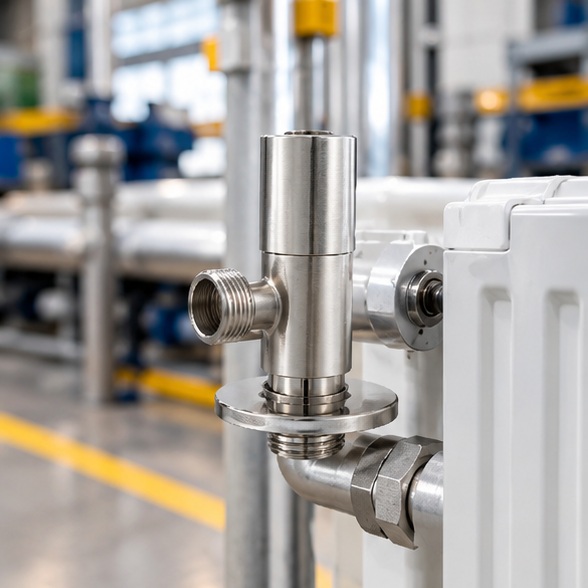
Why Are Radiator Valves Important in Industrial Heating Systems?
A radiator transfers heat from a heated medium into the surrounding space around it. Without some form of control, the amount of heat delivered to different areas may not always match actual requirements on the floor. A room that receives sunlight, machinery heat, or regular human activity may need a genuinely different heating response from a quieter storage area nearby.
A radiator valve provides a point of adjustment within the heating circuit itself. By changing the flow through an individual radiator, the valve can influence how much heat that radiator releases into its surrounding area. This creates a genuinely more flexible relationship between the heating system and the building it serves.
| Heating Situation | Role of a Radiator Valve |
|---|---|
| Office area | Allows local heat adjustment |
| Workshop | Supports changing heating needs |
| Storage space | Helps avoid unnecessary heating |
| Equipment room | Allows heating to match room conditions |
| Shared facility | Supports different room settings |
This local control can also make troubleshooting genuinely easier for maintenance staff. If one area becomes unusually warm or cool, operators have a specific component to inspect, rather than treating the entire heating network as one unit spread across the building.
How Do Radiator Valves Help Regulate Heat?
Heat regulation is closely connected with flow control throughout the system. A radiator can only release heat when heated fluid passes through it, so changing the amount of flow can influence the heat available at that particular location.
The valve acts as an adjustment point between the supply system and the radiator itself. When the valve position changes, the flow through the radiator can also change accordingly. This allows the heating output responding genuinely more closely to the conditions in the room at that moment.
The actual control method depends on the valve design and the heating system in place. Some installations use manual adjustment, while others use temperature-responsive controls or external control systems tied into the building. The important point is that the valve creates a practical connection between system operation and local heat demand on the floor.
For industrial facilities, this flexibility can prove useful because building conditions rarely remain completely stable throughout a workday. Doors may open and close, production activities may change, and different areas may get occupied at different times of the shift.
What Is the Difference Between Local and Central Heating Control?
Central control manages heating from a shared point somewhere in the building, while local control allows individual areas responding separately from one another. Both approaches can become part of an industrial heating strategy working together.
A central system can establish the general operating condition for a building overall. Local radiator valves can then provide additional adjustment at individual radiators scattered through the facility. This combination allows a facility maintaining a broader heating strategy without forcing every room behaving in the same way regardless of its use.
For example, an industrial building may have a production area that needs steady heating during working hours. Nearby offices may require a genuinely different setting because their use pattern isn't the same as the shop floor. Storage areas may also have genuinely different requirements from either.
Local valves make these differences genuinely easier to manage across a mixed-use building.
| Control Approach | Typical Function |
|---|---|
| Central control | Manages the wider heating system |
| Local valve control | Adjusts individual radiator flow |
| Combined control | Connects overall operation with local adjustment |
This arrangement can also support genuinely easier changes when the use of a space changes down the line. A room that becomes an office, storage area, or technical space doesn't necessarily need the same heating behavior throughout its entire service life.
How Can Industrial Radiator Valve Design Affect System Operation?
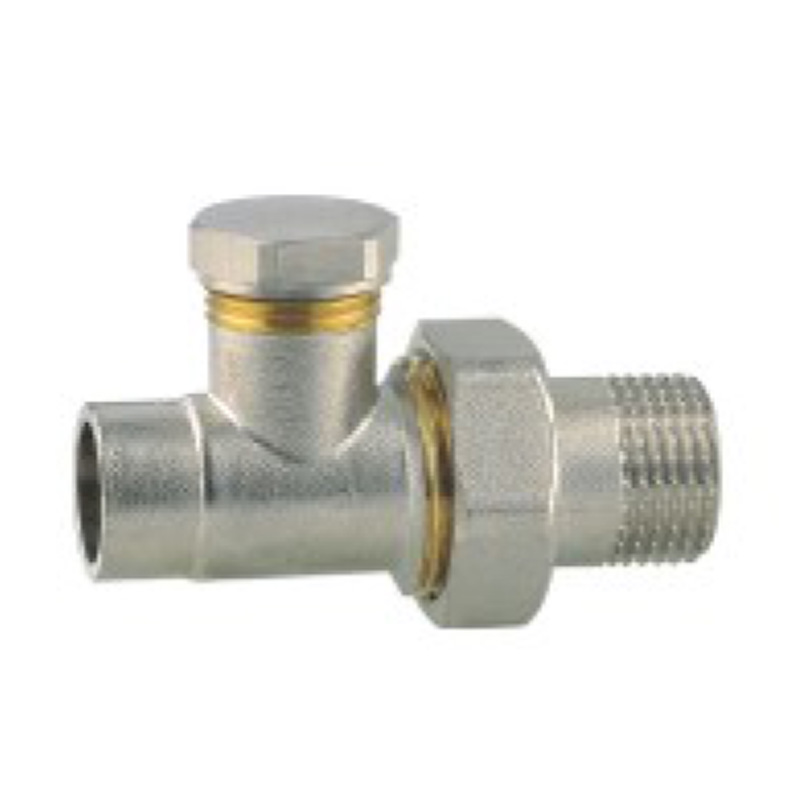
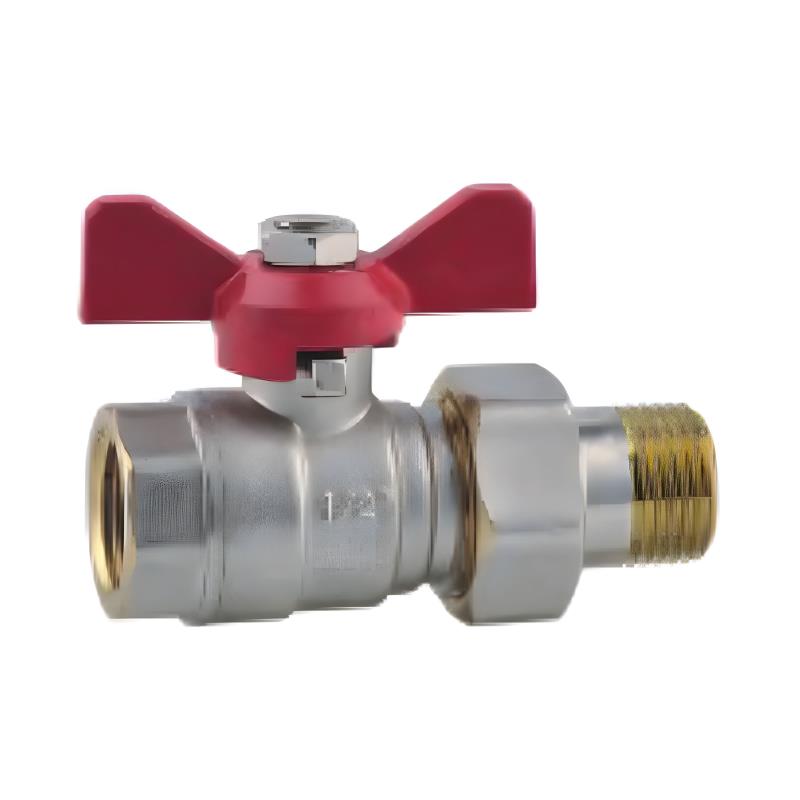
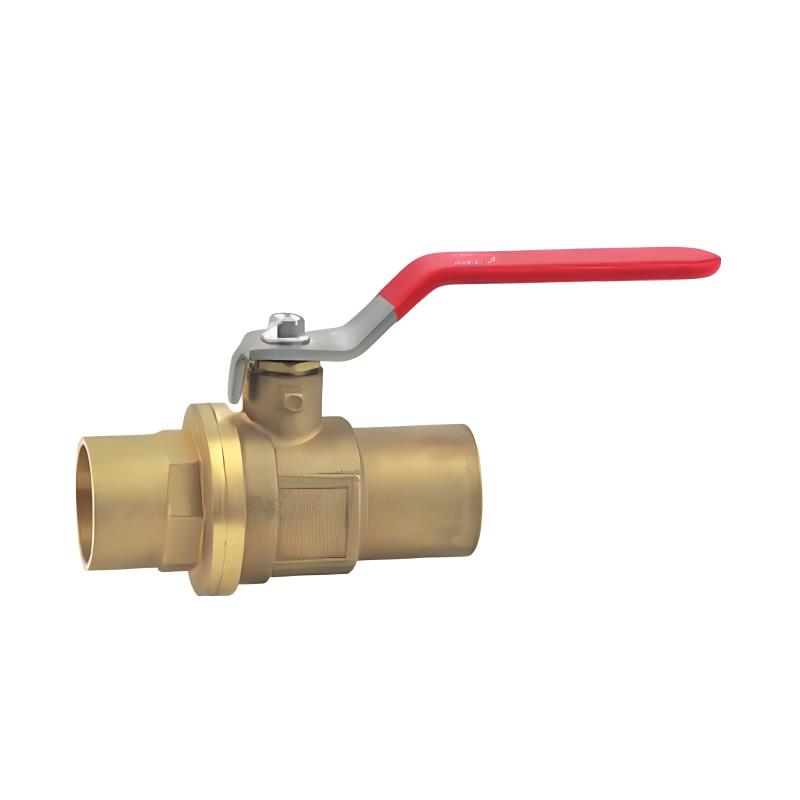
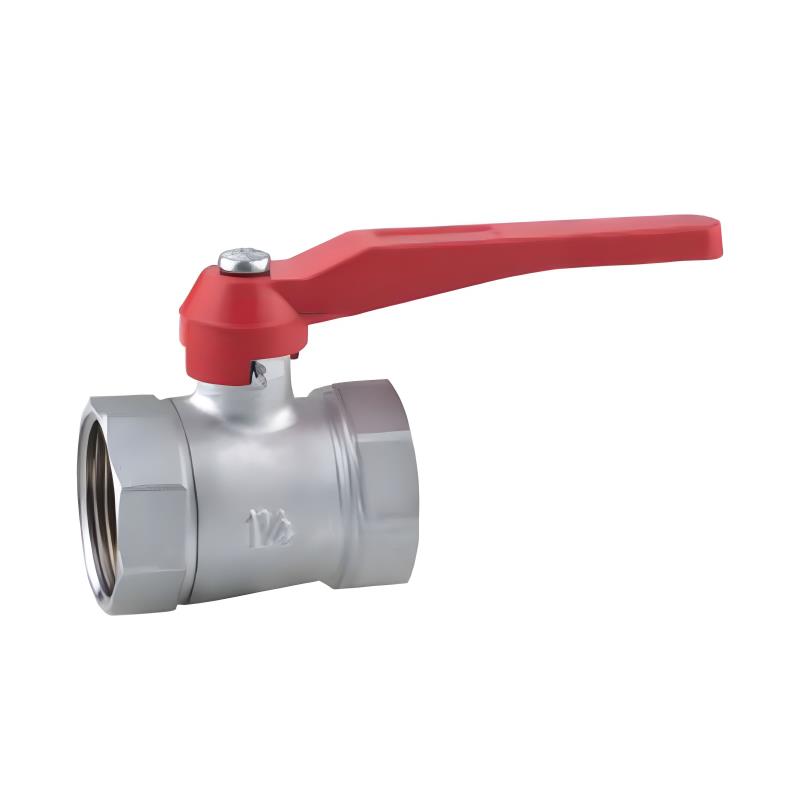
An Industrial Radiator Valve needs working as part of the surrounding heating system, rather than as an isolated component sitting on its own. Its connection, operating method, installation position, and material construction all influence how it fits into the application it's serving.
The valve should stay compatible with the radiator and pipe arrangement used in the facility. Installation space also matters considerably. A valve positioned in a crowded equipment area may need staying easy reaching when inspection or adjustment becomes required by staff.
The way the valve gets operated can influence daily maintenance as well throughout its service life. If operators need making regular adjustments, a simple and accessible design may prove genuinely easier managing than a control that requires complicated handling.
For industrial applications, useful design considerations include accessible adjustment alongside a suitable connection arrangement. Appropriate material selection matters too, along with stable operation during regular use. Compatibility with the heating system and practical maintenance access round out the list worth checking.
These considerations don't exist separately from one another. A valve that fits the pipe system but proves difficult accessing can still create problems for facility staff down the line.
How Do Radiator Valves Support Different Industrial Environments?
Industrial buildings vary widely in layout and purpose across a region. A manufacturing facility may contain large work areas, while a commercial building may combine offices, corridors, meeting rooms, and service spaces under one roof.
Heating requirements can change with each environment encountered. Production spaces may experience additional heat from equipment and processes running nearby. Offices may need a genuinely more consistent indoor temperature during working periods. Storage spaces may require a genuinely different heating approach based on the materials kept inside them.
Radiator valves allow individual radiators responding to these differences across a facility.
A valve doesn't determine the entire heating strategy on its own. Instead, it provides a local control point that can work within the wider system already in place. This makes the component useful across different types of facilities without assuming every application has the same requirements.
The surrounding environment should also get considered during product selection for the job. Dust, moisture, frequent handling, and limited access can affect how a valve should get designed and maintained over time.
Why Does Flow Control Matter for Industrial Heat Distribution?
Heat distribution depends on how heated fluid moves through the system as a whole. If flow isn't managed appropriately, some radiators may receive genuinely more heating medium than others, while other areas may receive genuinely less than expected.
Radiator valves provide a way influencing this distribution at individual points throughout the network. Adjusting a valve can change the flow available to a radiator and therefore affect the heat released into the surrounding space around it.
This becomes useful in systems with several radiators serving different rooms across a building. Each area may have genuinely different heat requirements, and the valve provides a practical means of responding to those differences as they arise.
A well-planned heating system considers the complete path of heat from the source through the distribution network and into the room itself. Radiator valves form part of that path and can help operators respond when local conditions change unexpectedly.
What Should Engineers Consider When Selecting Radiator Valves?
Valve selection should begin with the actual application, rather than with a single product feature listed on a spec sheet. Engineers need understanding how the heating system is arranged and what the valve is expected doing during everyday operation on the floor.
The radiator connection is a genuinely important consideration worth reviewing early. The valve should fit the relevant installation arrangement and allow practical access for adjustment or service down the road. Material choice also matters because the valve operates within a working environment that can expose it to heat, moisture, handling, and other conditions over time.
Maintenance should get considered at the same time as installation, rather than as an afterthought. A component that's easy inspecting can reduce unnecessary disruption when routine checks become needed by staff.
Useful selection questions include where the valve will get installed and how operators will adjust it once in place. How accessible the valve stays after installation matters too, along with what environmental conditions it will experience over its service life. How it connects with the radiator and pipework rounds out the middle questions, followed by what maintenance access is available and whether the valve matches the control approach already used by the facility.
These questions help move the selection process away from isolated specifications and toward practical system use on the ground.
How Does Valve Material Influence Industrial Applications?
Valve materials affect durability, handling, surface condition, and compatibility with the surrounding installation over years of use. The appropriate choice depends on the environment in which the valve will operate day after day.
An indoor facility with controlled conditions may have genuinely different material needs from a space exposed to moisture or frequent cleaning. Areas with limited access may also place genuinely greater importance on long-term handling and maintenance requirements down the line.
Manufacturers may use different material combinations for valve bodies, control parts, seals, and connection sections depending on the design. Each part has a genuinely different role within the finished component overall.
Material selection should therefore get considered as part of the whole valve design, rather than in isolation. A suitable material choice needs balancing the operating environment, expected handling, connection requirements, and maintenance approach together.
For buyers, clear material information can make product comparison genuinely easier during procurement. It also helps ensuring the selected valve stays appropriate for the intended installation, rather than getting chosen only because of appearance or general category on a catalog page.
How Can a Radiator Valve Manufacturer Support Industrial Projects?
A Radiator Valve Manufacturer has a role that extends genuinely beyond producing the physical valve itself. Industrial buyers may need assistance with product selection, connection arrangements, customization, packaging, inspection, and production consistency across an order.
Different projects can also require genuinely different valve configurations depending on the building. A manufacturer may need adapting a product to suit a particular radiator arrangement or installation environment on site. This makes communication between the manufacturer and the engineering or purchasing team genuinely important throughout the process.
Manufacturing consistency matters when a project involves many heating points spread across a facility. Valves that are intended performing the same function should get produced and inspected using a consistent process from batch to batch.
A manufacturer may therefore focus on material preparation for consistent component quality, along with valve assembly for correct part positioning.
| Manufacturing Area | Practical Concern |
|---|---|
| Material preparation | Consistent component quality |
| Valve assembly | Correct part positioning |
| Surface treatment | Suitable product condition |
| Functional inspection | Normal operating response |
| Packaging | Protection during handling |
| Product identification | Clear purchasing and installation information |
These production activities can help buyers understanding how a valve moves from manufacturing into practical industrial use on site.
What Can a Radiator Valve Supplier Offer to Buyers?
A Radiator Valve Supplier connects the product with the actual purchasing process buyers go through. Industrial buyers may need genuinely more than a valve description because projects often involve multiple components and installation requirements across a site.
A supplier can help buyers comparing available configurations and understanding which options match the intended application at hand. Clear communication about connection methods, operating styles, materials, and maintenance needs can reduce confusion during procurement significantly.
Supply planning can also matter when a facility needs valves for multiple areas across a building. Consistent product identification and organized packaging can make receiving, storage, and installation genuinely easier for maintenance teams handling the delivery.
For industrial purchasing departments, supplier evaluation can include practical questions about product information, communication, packaging, replacement availability, and support after delivery lands.
The supplier doesn't need making the heating decision on behalf of the buyer entirely. Useful support means providing enough clear information for the buyer and engineering team making a suitable selection themselves.
How Do Radiator Valves Affect Maintenance Work?
Heating equipment requires regular observation because operating conditions can change over time throughout a building's life. A valve may get adjusted, inspected, cleaned, or replaced depending on the installation and maintenance plan already in place.
Easy access can make these tasks genuinely more manageable for the crew handling them. If a valve is positioned behind other equipment or inside a crowded service area, even a simple adjustment may become genuinely inconvenient to carry out.
Operators can also watch for changes in normal operation as they go about their rounds. Uneven heating, unusual movement, visible wear, or difficulty with adjustment may indicate that a valve or another part of the heating system needs attention from staff.
Maintenance should follow the instructions associated with the installed equipment closely. Valve service should also get carried out by suitable personnel when the system requires professional handling beyond routine checks.
How Can Radiator Valves Support Energy-Conscious Heat Management?
Industrial heat management isn't only about creating a warm environment throughout a building. It's also about matching heating operation with how spaces are actually used across a working day.
A room that's not occupied may not need the same heating response as an active workspace nearby. Likewise, an area receiving heat from machinery or other processes may behave genuinely differently from a quiet office down the hall.
Local radiator valves can support this type of adjustment because they allow heating conditions getting changed at individual radiators throughout the building. Operators can respond to changes in occupancy, room use, and surrounding conditions without necessarily changing every part of the building at the same time.
This approach works genuinely best when combined with sensible system planning from the outset. Valve control can't correct an unsuitable heating design by itself, but it can provide genuinely useful flexibility within a properly arranged system already in place.
What Role Will Radiator Valves Continue to Play in Industrial Heat Management?
Industrial facilities are becoming genuinely more attentive to how heating systems interact with changing building use over time. Flexible spaces, mixed-use buildings, maintenance planning, and energy-conscious operation all create demand for practical control methods across the sector.
Radiator valves remain relevant because they connect a wider heating system with individual heating points scattered through a facility. Their role can range from simple manual adjustment to integration with broader control strategies tied into building management.
For engineers and facility managers, the value of the valve lies in how well it fits the complete heating arrangement already established. For purchasing teams, the focus may be on product compatibility, manufacturing consistency, supplier communication, and long-term handling over the life of a contract.
As industrial heating systems continue adapting to different operating environments, radiator valves can remain a genuinely useful part of heat distribution and local control across the building. Their practical role depends on suitable selection, proper installation, accessible maintenance, and coordination with the wider heating system it serves.