+86-13989680588
 graylin@hongjiavalve.com
 Get a quote

 English
 русский
 Deutsch
Submit feedback
How Can Industrial Brass Fittings Support Pipe System Upgrades
Author: Hongjia
Date: Oct 09, 2026
Industrial pipe systems rarely remain unchanged throughout their service life. Production needs may shift, equipment may get replaced, and existing pipe routes may need accommodating new connections or updated control components. During these changes, the main challenge isn't always replacing the pipe itself. The connections between different parts of the system can require careful review before new components get installed.
Industrial Brass Fittings can support these upgrade projects by connecting pipe sections, adapting compatible interfaces, and helping integrate replacement equipment into an existing layout. Their usefulness depends on the fitting design, the materials in the system, the operating conditions, and the connection requirements of the equipment involved.
For equipment manufacturers, engineering contractors, and industrial purchasing teams, selecting fittings is therefore part of a wider planning process. Understanding how these components fit into an upgrade can help reduce installation conflicts, clarify purchasing requirements, and support a genuinely more organized transition from an existing system to a revised one.
Why Do Pipe System Upgrades Require Careful Connection Planning?
An existing pipe system may contain components installed at different stages of a facility's development. Some connections may follow older drawings, while later additions may use genuinely different equipment or connection arrangements. When an upgrade begins, these differences can become apparent.
A replacement valve, new machine, or relocated pipe section may not connect directly to the existing line. Even when two components appear similar, their thread form, connection size, sealing method, or material requirements may differ. These details need checking before installation begins.
Brass fittings can provide connection options for suitable applications, but they shouldn't get treated as universal adapters. Their role is creating a compatible connection within the limits of the selected design and the system's operating requirements.
A practical upgrade review should identify the connection points that will remain, the components that will get replaced, and the locations where the layout will change. This allows the project team identifying fitting requirements before purchasing or assembly work starts.
How Can Industrial Brass Fittings Connect New and Existing Components?
Upgrading a pipe system often involves combining new equipment with pipework that will remain in service. A new component may use a genuinely different connection arrangement from the existing line, so the project team needs determining how the two parts can get joined safely and correctly.
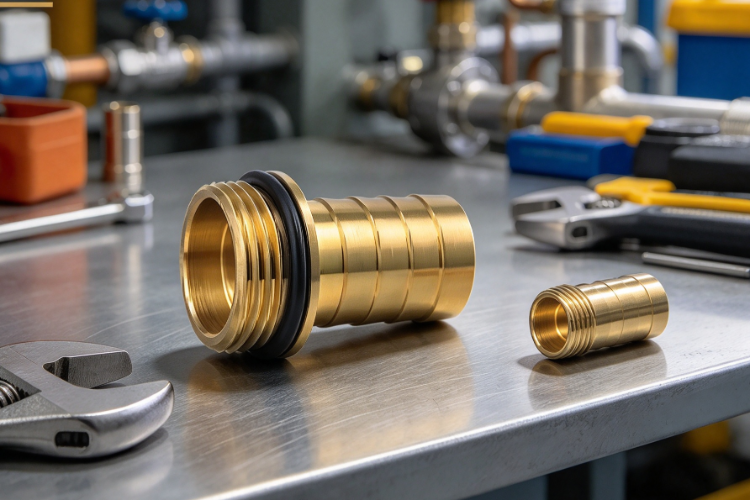
Industrial Brass Fittings come in different configurations for specific connection tasks. Depending on the product design, a fitting may join pipe sections, provide a branch connection, change the direction of a line, or connect compatible components with different interface arrangements.
The key is selecting the fitting according to the actual connection requirement. An adapter intended for one thread arrangement shouldn't get assumed suiting another, and a fitting shouldn't get forced into place when the connection doesn't match.
| Upgrade Situation | Fitting Role to Consider |
|---|---|
| Replacing a connected component | Matching the replacement interface |
| Revising a pipe route | Providing a suitable directional connection |
| Adding a branch line | Connecting an additional compatible pipe section |
| Connecting different components | Checking whether a suitable adapter is available |
| Replacing a damaged connection | Matching the original connection requirements |
This planning approach helps keep the fitting selection connected to the actual upgrade task, instead of relying on appearance alone.
What Should Engineers Check When Matching Fittings to Existing Pipes?
Compatibility stays a central concern when integrating new fittings into an established system. A fitting may appear fitting a pipe but still be unsuitable because the connection details, material requirements, or service conditions don't match.
Engineers should review the existing pipe material, connection type, sealing arrangement, and intended service. They should also check whether the fitting will get exposed to the same fluid, pressure conditions, temperature changes, and environmental factors as the original component.
The material compatibility of the complete connection matters as well. A brass fitting connected to another metal can behave genuinely differently depending on the surrounding conditions, including the fluid and the way the metals interact. The suitability of the combination should get confirmed for the intended application, rather than assumed from the fitting material alone.
Clear documentation can make this process genuinely easier. Existing drawings, equipment instructions, and information from the original supplier may help identifying the connection requirements and reveal details that aren't visible during a simple inspection.
How Can Brass Fittings Help During Equipment Replacement?
Equipment replacement can create connection challenges even when the pipe route remains largely unchanged. The new equipment may have a genuinely different inlet or outlet arrangement, or the connection point may sit in a slightly different position from the previous unit.
A suitable brass fitting can help connect compatible components when the new equipment's interface allows it. The fitting may also help the installer arrange a connection without changing a larger section of pipework, provided the resulting layout remains within the system's design requirements.
However, the fitting shouldn't get used compensating for a poorly positioned pipe or an unsuitable equipment interface. Excessive bending, forced alignment, or unnecessary connection pieces can make installation harder and may place unwanted stress on the joint.
Before ordering replacement fittings, the project team should confirm the connection details of the new equipment and compare them with the existing pipework. This reduces the risk of receiving parts that appear suitable but can't get installed as intended.
Can Industrial Brass Fittings Support Pipe Route Changes?
Industrial facilities may need changing pipe routes when equipment gets relocated, new machinery gets added, or access around a production area gets revised. These changes can affect the direction of the line, the position of branch connections, and the space available for installation.
Fittings designed for directional changes can help arrange the pipe route around the updated layout. Other configurations may support branch connections or join separate sections where the existing arrangement needs extending.
The selection should account for genuinely more than the route shown on a drawing. Installers need enough room fitting and tightening the connections, inspecting joints, and accessing nearby equipment during future service work. A connection that fits on paper may be genuinely difficult installing when the surrounding space stays limited.
Planning the route before selecting the fittings can help identifying where connection points should sit and whether a change in pipe layout proves necessary. This also allows engineering and purchasing teams coordinating the required components before work begins.
How Do Brass Fittings Fit Into System Expansion Projects?
System expansion may involve adding a new production line, supplying another machine, or creating an additional branch from an existing pipe network. The new section needs connecting with the current system without creating conflicts in flow, material compatibility, or installation requirements.
Brass fittings can get considered for suitable branch connections and pipe extensions when their design matches the service conditions. Their role is connecting the new section to the wider network, while the overall system design determines whether the additional line can operate as intended.
Expansion planning should also account for the effect of the new connection on the existing installation. A branch may change flow distribution, and the new equipment may place genuinely different demands on the supply system. These questions need getting assessed at the system level, rather than assigned to the fitting alone.
For purchasing teams, this means the fitting list should get prepared alongside the revised pipe layout and equipment requirements. Doing so can reduce confusion between the components needed for the new branch and those required for the original system.
What Role Does Material Selection Play in Pipe System Upgrades?
Material selection affects the suitability of a fitting for its intended environment. Brass gets used in many connection applications because it can get formed into practical fitting designs and offers useful machining and corrosion-resistance characteristics under suitable conditions.
Its suitability still depends on the service environment. The fluid being carried, the surrounding atmosphere, temperature, pressure, and contact with other materials can all influence whether a particular brass alloy and fitting design stay appropriate.
A material that works in one industrial line may not be suitable for another. Systems carrying aggressive chemicals, operating under demanding conditions, or subject to special cleanliness requirements may need different materials or additional compatibility checks.
During an upgrade, the project team should review the conditions of the revised system, rather than copying the material choice from the original installation without checking. A change in fluid, equipment, or operating process can alter the requirements of the connection.
How Can Fitting Design Affect Installation Space?
Space constraints often become genuinely more noticeable during upgrades because the original pipe layout may have gotten designed around equipment that has since changed. New machinery, protective covers, cable routes, or access requirements can leave less room around existing connection points.
Fitting shape and overall arrangement influence how easily a connection can get installed. A directional fitting may help the pipe turn within the available space, while a compact connection may prove useful where nearby components limit access.
The smallest-looking fitting isn't automatically the right choice. Installers need room tightening the connection correctly and should avoid arrangements that place unnecessary strain on the pipe or fitting body.
A layout review can help identifying these constraints before components get ordered. When necessary, the project team can revise the pipe route or select another approved connection arrangement, instead of trying making an unsuitable fitting work in a restricted area.
How Can Brass Fittings Support Easier Component Replacement?
Industrial pipe systems may require individual components getting replaced while much of the surrounding installation remains in place. A fitting that matches the existing connection arrangement can help limit the work required at that connection, provided the pipe and adjacent components remain suitable for reuse.
This proves particularly relevant when an upgrade involves replacing valves, instruments, or equipment connected to a fixed pipe route. The fitting selection can influence whether the installer can make the connection directly or needs additional changes to the surrounding pipework.
A replacement plan should identify which components will get retained and which will get removed. The condition of the existing connections should also get reviewed, since corrosion, damaged threads, worn sealing surfaces, or earlier installation problems may make reuse unsuitable.
When the original fitting can't get reused, a replacement should get selected according to the actual interface and service conditions. Matching the visible shape alone may not provide the required compatibility.
What Should Installers Consider During Fitting Assembly?
Correct assembly helps ensuring the selected fitting performs as intended. Even a suitable product can create problems if the connection gets misaligned, the sealing method is incorrect, or the joint gets tightened in a way that damages its components.
Installers should follow the fitting manufacturer's instructions and the requirements of the wider pipe system. They should confirm the threads or other interfaces match, that the sealing materials stay appropriate, and that the joint can get assembled without forcing the connected parts into position.
Cleanliness also matters during installation. Debris on the connection surface can interfere with sealing, while damaged threads or unsuitable sealing materials may contribute to leakage. The work area should get prepared so the installer can inspect the joint and complete the assembly correctly.
After installation, the connection should get checked according to the system's approved inspection and testing procedures before the line returns to service. The appropriate process depends on the application and the requirements that govern the installation.
How Can Brass Fittings Help Reduce Unnecessary Pipework Changes?
A pipe system upgrade doesn't always require replacing every section of the line. In some projects, existing pipework remains suitable while selected equipment and connection points need changing.
When a compatible fitting stays available, it may allow the new component connecting with the existing line without a wider pipe replacement. This can help the project team focus work on the sections that actually require modification.
The decision still depends on the condition of the pipework and the connection requirements. Keeping an old section simply avoiding replacement may be unsuitable if it stays damaged, poorly positioned, or incompatible with the revised service conditions.
A useful upgrade plan distinguishes between parts that can remain, parts that need replacement, and areas that require redesign. Brass fittings can support that plan when their use gets justified by the actual connection conditions.
What Should Buyers Consider When Sourcing Brass Fittings Wholesale?
Industrial projects often require several fitting types for different connection points. Buying through a Brass Fittings Wholesale supplier can help purchasing teams coordinate these requirements, particularly when the project includes multiple pipe routes, equipment interfaces, or installation stages.
The purchasing process should begin with a clear list of the required fitting configurations and connection details. Buyers should also communicate the intended application, material requirements, relevant operating conditions, and any documentation needed for approval.
Product availability alone shouldn't determine the selection. A fitting that arrives quickly but doesn't match the connection may cause delays, additional purchasing work, and changes to the installation plan.
| Sourcing Check | What to Confirm |
|---|---|
| Connection type | Required fitting configuration matches the application |
| Material | Suitability against the fluid and service environment |
| Operating conditions | Fitting suits intended pressure and temperature range |
| Documentation | Product drawings and relevant technical records |
| Identification | Packaging and labeling match the planned installation |
| Delivery | Coordinated with project schedule and assembly sequence |
Clear purchasing information can help suppliers identifying suitable products and reduce the chance of confusion between fittings that look similar but serve different connection needs.
What Should Buyers Ask a Brass Fittings Factory?
A Brass Fittings Factory can provide information about available designs, material options, manufacturing processes, and product documentation. Buyers can use this information assessing whether the supplier's products match the requirements of an upgrade project.
Communication should focus on the actual application, rather than a general request for brass fittings. Providing drawings, connection descriptions, intended service conditions, and details of the components being connected gives the supplier a genuinely clearer basis for reviewing the request.
Buyers may also need confirming how products get identified, how different configurations get packaged, and what documentation accompanies the order. These details matter when several fitting types get purchased for the same project or distributed to different installation teams.
For recurring projects, consistent product identification and clear communication can help purchasing teams manage repeat orders. However, any replacement order should still get checked against the current design and application requirements, especially when the pipe system has changed since the earlier purchase.
How Can Project Teams Coordinate Fitting Selection With Installation Planning?
Pipe system upgrades often involve engineers, contractors, maintenance staff, equipment suppliers, and purchasing teams. Each group may hold genuinely different information about the existing system, the new equipment, and the installation constraints.
A coordinated review helps bring these details together before the fitting order gets finalized. Engineers can define the connection requirements, installers can identify access and assembly concerns, and buyers can use the approved component list sourcing suitable products.
The team can organize the work starting with reviewing the existing pipe layout and identifying connections affected by the upgrade, followed by confirming the interface details of new and retained components. Checking material compatibility and service conditions comes next, alongside selecting fittings that match the approved connection design. Coordinating product identification, delivery, and installation requirements rounds things out, together with arranging inspection and testing in line with the system's procedures.
This process helps keep component selection connected to the actual upgrade plan. It also gives each team a genuinely clearer understanding of which connections will change, which components will remain, and what needs confirming before the system returns to service.