+86-13989680588
 graylin@hongjiavalve.com
 Get a quote

 English
 русский
 Deutsch
Submit feedback
What Makes Heavy Duty Angle Valve Easy To Operate
Author: Hongjia
Date: Aug 07, 2026
Walk up to a newly installed valve, grasp the handle, and turn. Some move with a smooth, predictable motion. Others resist right from the earliest degree of rotation. Experienced operators can often tell within seconds which ones will be a pleasure to use and which will become a daily annoyance.
That initial resistance traces back to several sources. Manufacturing tolerances matter — how precisely moving parts fit together shapes how much force it takes to get them going. Components fitted too tightly demand extra effort just to break free from static friction. Parts with excessive clearance feel loose and imprecise, creating a different kind of handling concern entirely.
Assembly methods shape that opening turn too. The sequence parts get put together in, the care taken during packing installation, alignment during final assembly — all of it affects breakaway torque. Two valves off the same production line can feel noticeably different if assembled with different levels of attention along the way.
Sealing design contributes heavily to starting force as well. Effective sealing needs compression against the sealing surfaces, and that compression creates resistance. Designers are always balancing reliable sealing against easy operation, and where that balance lands shapes a good deal of how a Heavy Duty Angle Valve actually feels in the operator's hand.
What Happens Inside the Valve When the Handle Turns
Turning the handle sets off a chain of internal movements. Understanding that sequence explains why some valves operate smoothly while others resist through every turn.
Handle rotation spins the stem, which is threaded into the valve body. Threads translate rotational motion into linear travel, moving the disc or plug toward or away from the seat. Thread design, pitch, and surface finish all shape how smoothly the stem moves. Coarse threads move faster but need greater turning force. Fine threads offer better mechanical advantage but require more turns to cover the same travel.
Packing material around the stem serves two purposes at once. It keeps leaks at bay, and it creates friction that has to be overcome. Softer materials seal with less compression, cutting friction down. Harder materials last longer but demand greater force to turn. Each choice really represents its own trade‑off.
Internal geometry plays a part too. Disc shape, seat angle, clearances between moving parts — all of it contributes to total operating force. A valve flowing beautifully can still operate poorly if internal resistance goes unaddressed. Good design weighs both flow performance and the physical effort asked of the operator.
Where Does Resistance Come From During Normal Operation
Resistance really splits into two categories. Starting friction demands effort just to begin movement. Running friction persists as the valve continues turning. Both shape how the valve feels in the hand.
Starting friction nearly always runs higher than running friction. Time spent sitting in one position lets packing and sealing materials settle in place. Static friction between stationary surfaces reaches a higher value than dynamic friction once movement actually begins. Those earliest few degrees of rotation often demand the greatest effort of the whole turn.
Sealing compression creates resistance right at the seating surfaces. A closed position needs the disc pressed against the seat with enough force to prevent leakage, and opening the valve means working past that contact pressure. Seat design shapes how much force that actually takes.
Stem packing contributes to operating torque across the entire range of motion. Packing squeezes against the stem surface, creating continuous friction throughout. Overly tight packing raises effort substantially. Loose packing risks leakage instead.
Valves growing harder to turn over time often point toward packing issues. Compression and settling may call for adjustment. Drying or degradation raises friction. Stem scoring adds further resistance. Regular attention keeps these problems from turning severe.
How Does the Operator Actually Interact with the Valve Day to Day
Operating a valve sounds simple enough — approach, reach, apply force. Reality brings plenty of variation into that picture.
Some valves sit at waist height, allowing a natural standing posture. Others hang overhead, forcing an upward reach against gravity. Some hug the floor, requiring stooping or kneeling to reach. Position affects effort dramatically. A moderate valve approached from the front may demand far more effort when approached from the side instead. Force direction carries as much weight as force magnitude here.
Glove use adds another variable into the mix. Plenty of facilities require hand protection. Gloves cut down tactile feedback, making it harder to sense what the valve is actually doing. Gloves can also slip on smooth surfaces, forcing tighter grips and less efficient force application overall.
A typical operation sequence follows a fairly consistent pattern: position for leverage, reach for the handle, confirm current position, apply force, verify new position. Any interruption along that chain — awkward positioning, poor grip, unexpected resistance — adds time and effort. Operators notice quickly when a Heavy Duty Angle Valve disrupts that flow.
Does Handle Shape Change How Manageable the Force Feels
The handle serves as the operator's only real interface with the valve. Its shape, size, and configuration directly shape how much force can be applied and how controlled that application feels. Yet handle design often gets less attention than internal components during specification.
Longer handles provide greater leverage, easing required effort. Clearance needs grow alongside that length, though. Facilities working with tight spaces may not accommodate extended handles at all. That trade‑off between leverage and space really shapes handle selection in the end.
Handle shape influences operation on its own too. Straight bars allow force applied at the end for solid leverage. Wheel‑type handles spread force across multiple points, making turning easier from nearly any position around the valve. Style choice tends to reflect intended conditions and user preference together.
Grip surface affects security as well. Smooth metal works fine when clean and dry but turns slippery with oil or moisture around. Textured surfaces improve grip under tougher conditions. Handle design should really weigh the actual working environment it'll face.
| Handle Feature | Practical Effect |
|---|---|
| Longer lever | Less effort needed, more space required |
| Textured grip | Better handling in wet or oily conditions |
| Wheel design | Easier turning from multiple positions |
| Smooth metal | May slip when hands aren't dry |
| Compact size | Fits tight spaces but may reduce leverage |
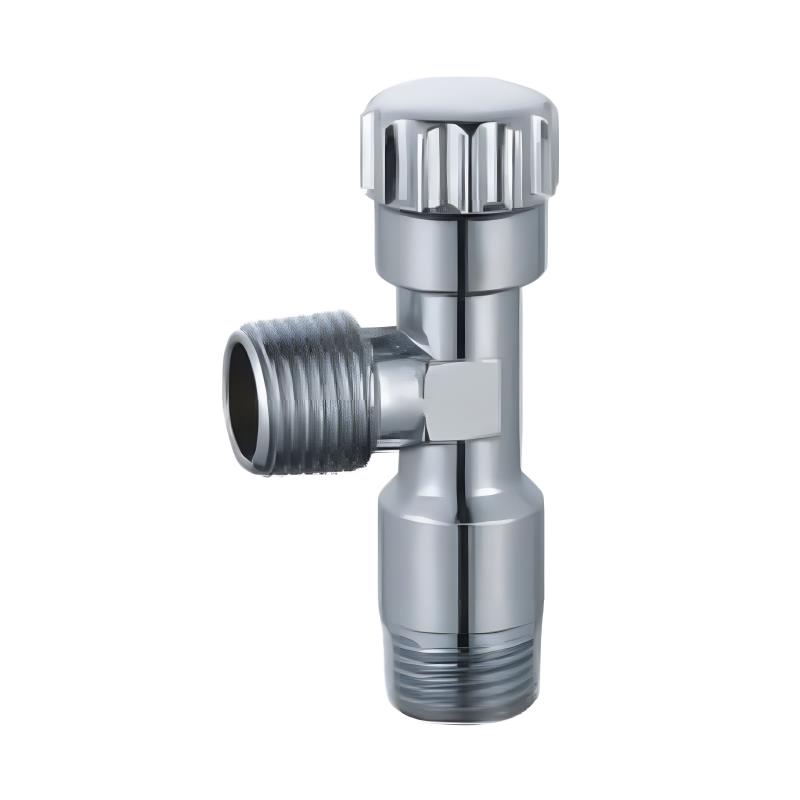
Any Angle Valve Supplier offering products meant for regular use would benefit from examining handle design carefully. What looks like a minor detail to a specifier carries real weight for someone turning that handle several times a day. For the person operating the valve repeatedly, handle design can turn a chore into a genuinely straightforward task.
Can Installation Choices Make a Valve Harder or Easier to Operate
A well‑designed valve can turn frustrating to operate through poor installation choices alone. The physical relationship between valve and operator matters enormously, yet installation planning sometimes overlooks this simple fact entirely.
Valve orientation shapes access and approach angle. A handle pointing upward may require an overhead reach. A handle pointing sideways might feel awkward to grip from the intended standing position. Handle rotation direction relative to the operator's natural movement changes how much force feels comfortable too. Some orientations force wrist angles that cut into available strength.
Clearance around the handle deserves real attention. Full rotation needs empty space across the entire turning arc. Equipment placed too close, pipes running alongside, structural elements nearby — any of it can limit how far the handle actually swings. A valve that only opens halfway because something blocks the handle serves nobody well. Clearance for the operator's body counts too — standing comfortably to apply force needs enough room for a stable stance.
Pipe stress on the valve body can bind internal components as well. When pipes pull or push against valve flanges, the body distorts slightly, and that distortion transfers to the stem, raising friction and making turning harder. Proper pipe support and alignment head off this problem, though installation crews sometimes cut corners along the way. The same Heavy Duty Angle Valve running smoothly on the bench may turn stiff and unresponsive once actually installed.
How Do Temperature and Pressure Change the Feel of Operation
Valves rarely operate under identical conditions day after day. Temperature and pressure variations shift internal clearances and friction characteristics in ways that genuinely affect how a valve feels in the hand.
Thermal expansion changes the fit between moving parts. Metal components expand when hot, contract when cold. Clearances feeling appropriate at room temperature may tighten up at operating temperature, raising resistance. Cold conditions, on the other hand, can shrink components, opening up extra clearance and inviting stick‑slip behavior.
Internal pressure acts on the stem, affecting turning resistance directly. Higher pressure pushes the stem outward with greater force, raising friction between stem and packing. The operator feels this as added turning resistance. At low pressure or during shutdown, the same valve may turn with noticeably less effort.
Packing materials behave differently across temperature ranges too. Some soften when hot, easing friction. Others harden, adding effort instead. That change can come on gradually or arrive suddenly, depending on the material and how sharply temperature shifts. Operators learn to expect these swings and adjust technique accordingly.
What Maintenance Actions Actually Make a Valve Easier to Turn
Maintenance carries a direct impact on operating ease. Properly maintained valves stay smooth and predictable, while neglected ones grow stiff and difficult over time.
Packing adjustment offers real, immediate benefit. Packing settling over time loses compression, raising leak risk. Tightening the packing gland restores compression and stops leaks. Over‑tightening, though, drives friction up dramatically. Landing on the right adjustment takes real attention and care.
Regular exercising heads off seizing, especially in valves parked in one position for long stretches. Components that never move tend to stick. A brief exercise routine — turning the valve through its full range several times — keeps components from bonding together. Monthly exercise for infrequently used valves keeps them from becoming immovable right when needed.
Lubrication cuts friction on stem threads and bearing surfaces. The right lubricant, applied properly and in reasonable quantities, makes a real difference. Too much attracts dirt and debris. Too little leaves surfaces dry and harsh. Maintenance personnel build familiarity with each valve's particular needs over time.
A few basic maintenance habits tend to yield strong returns in operating ease:
- Checking packing tightness regularly, adjusting only as needed
- Exercising valves on a schedule fitting the service conditions
- Applying proper lubrication to accessible moving parts
- Cleaning accumulated debris from handle and stem areas
- Monitoring for changes in operating effort signaling developing problems
Which Operating Situations Expose Operability Problems Most Clearly
Certain conditions reveal valve operability issues more dramatically than routine operation ever does. These situations separate valves that work well from those merely functioning.
Emergency conditions present a genuinely clear test. Quick adjustment turns critical when time matters. A valve operating smoothly under normal conditions can become a serious obstacle in an emergency. Seconds spent struggling with a stiff handle can feel drawn out well beyond their actual length. Emergency preparedness includes knowing how valves feel and whether they respond promptly when called on.
Frequent daily operation exposes cumulative effort issues clearly. A valve turned twenty times per shift demands more consideration than one used weekly. Minor drag turns significant once multiplied across many operations. Operators notice, and build preferences for valves demanding less effort.
Confined spaces cut into an operator's ability to use proper body mechanics. Reaching through obstacles, working around equipment, operating from unusual positions — all of it limits force application. A valve requiring moderate effort in open space may turn nearly impossible in tight quarters.
Gloved operation shows up across plenty of industrial settings. Gloves reduce tactile feedback and grip effectiveness. Valves designed without gloved use in mind can turn difficult or even risky to operate.
Why Should an Angle Valve Supplier Consider the User's Daily Experience
Manufacturers who genuinely understand how their products get used hold a real practical advantage. Knowledge of daily operating conditions feeds directly into better design decisions and more useful product features.
The link between operating ease and overall product reputation deserves recognition. Valves that operate well generate positive feedback naturally. Valves that resist, bind, or demand excessive effort generate complaints just as naturally. Consistent positive experiences build trust that extends toward other products from the same supplier.
Field feedback from users leads to genuinely practical design improvements. Operators notice details designers might overlook entirely. Packing longevity, handle comfort, resistance changes over time — these observations carry weight. Manufacturers who listen and respond build a stronger grasp of real‑world valve performance.
Operability isn't secondary to performance — it's really part of it. A valve controlling flow effectively but resisting every turn only delivers half its intended value. The complete product includes flow characteristics, durability, sealing integrity, and operating ease together. An Angle Valve Supplier recognizing this produces valves serving their intended purpose across every dimension, not just the ones easy to measure on a spec sheet.
The relationship between user satisfaction and continued business carries real weight too. Customers return to suppliers whose products work well in practice, not just on paper. Operability shapes purchasing decisions more than plenty of specifiers openly admit. Experience teaches that a valve operating well day after day earns lasting appreciation from the people actually turning it.