+86-13989680588
 graylin@hongjiavalve.com
 Get a quote

 English
 русский
 Deutsch
Submit feedback
How Heavy Duty Angle Valve Supports Daily Use
Author: Hongjia
Date: Aug 11, 2026
Turn a valve once, and it works. Turn it a thousand times, and the story changes. Each cycle puts stress on the internal parts. Seals compress and relax. Metal surfaces slide against each other. Over time, that repeated motion takes a toll.
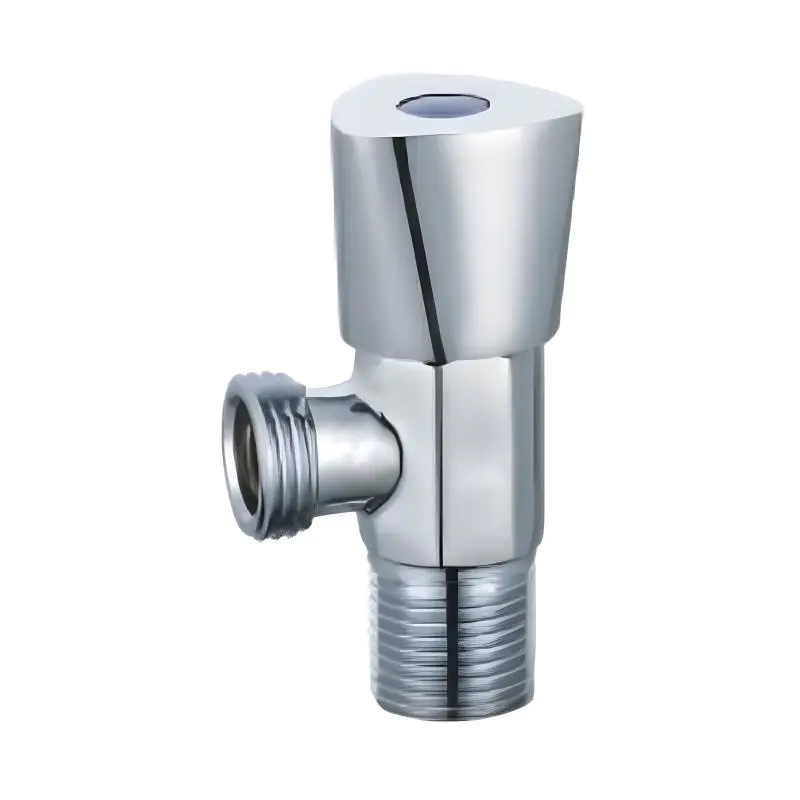
Some valves handle that wear without issue. Others develop drips, stiff handles, or complete failure. The difference comes down to how the valve was built. A Heavy Duty Angle Valve handles frequent operation without losing performance because its internal components are designed for that level of use.
Materials determine how long the seal holds. A valve made with quality materials will maintain its seal through years of daily operation. One made with less care will start leaking far sooner. The difference shows up not in the first month, but in the third or fourth year.
Water and moisture create an environment that attacks metal surfaces. A valve that resists corrosion stands up to that environment. One that does not will show rust and pitting over time.
How Design Features Support Frequent Use
Half-turn operation gives the user smooth handling and a reliable shut-off. No multiple turns, no guessing whether the valve is fully open or closed. Quarter-turn mechanisms reduce wear on internal components because the parts move less distance with each operation.
Handle design affects how often people actually use the valve. A comfortable grip and smooth motion encourage regular use. An awkward handle that resists turning gets ignored. The valve sits unused until a problem forces someone to deal with it.
Fewer parts mean fewer places for failure. A simple design that does the job well tends to outperform a complex one. Each additional component introduces another potential point of failure.
The internal mechanism should move freely without sticking. A valve that binds when turned becomes a valve that stays in one position. That defeats the purpose of having a shut-off valve in the first place.
A few design points that support daily use:
- Quarter-turn operation reduces internal wear
- Ergonomic handles encourage consistent use
- Fewer internal parts mean fewer failure points
- Smooth movement prevents sticking and frustration
What Material Selection Means for Durability
Premium stainless steel resists corrosion and maintains its appearance over time. The material does not rust when exposed to water, and the surface stays clean without special care.
Brass cartridges hold up better than plastic alternatives. The metal resists wear and keeps its shape through thousands of cycles. A cartridge that stays intact maintains a tight seal.
Surface finishes like chrome plating add another layer of protection. The finish shields the metal underneath from moisture and wear. The appearance stays fresh longer.
Material quality determines how long the valve lasts. A valve made with good materials will outlast one made with cheaper alternatives. The price difference at purchase is small compared to the cost of replacement.
How an Angle Valve Factory Ensures Consistent Quality
When a factory controls its own production, every valve meets the same standard. No outsourcing, no variation between batches. The consistency comes from having the entire process under one roof.
Testing catches problems before the valve leaves the factory. Each unit gets checked for leaks and smooth operation. The testing provides confidence that the valve will perform as expected.
Certifications from independent bodies add another layer of assurance. A valve that meets recognized standards has been verified by someone other than the manufacturer.
A few quality indicators to look for:
- In-house production for consistent quality
- Leak testing on every unit
- Independent certification for performance standards
- Traceability from raw material to finished product
The factory processes that produce the valve determine how long it will last. Care in manufacturing translates to reliability in service.
| Characteristic | Heavy Duty Angle Valve | Standard Angle Valve | Economy Angle Valve |
|---|---|---|---|
| Body material | Premium stainless steel | Brass or steel | Low-grade metal |
| Cartridge | Brass | Metal | Plastic |
| Finish | Chrome or powder coat | Basic plating | Minimal |
| Expected cycles | High | Moderate | Low |
| Corrosion resistance | Good | Moderate | Limited |
Where Heavy Duty Angle Valves Fit in Daily Use
Bathrooms see the highest frequency of valve operation. Toilets, sinks, and bidets all rely on angle valves for water supply. A toilet valve gets turned when a leak develops or a repair is needed. A sink valve gets turned to replace a faucet or install a new fixture.
Kitchen plumbing uses angle valves as well. Sink connections, dishwasher supply lines, and refrigerator water lines all need shut-off points. The valve provides a convenient way to isolate a single fixture without affecting the rest of the plumbing.
Wall-mounted installations offer a practical advantage. The valve sits out of the way but remains accessible. A toilet valve mounted behind the bowl is reachable without moving the fixture. A sink valve mounted under the cabinet is accessible from the front.
Residential applications dominate the use of angle valves, but light commercial settings also rely on them. Small offices, retail spaces, and restaurants use the same fixtures as homes. A restaurant kitchen has more fixtures and higher usage than a typical home kitchen.
A few common installation points for angle valves:
- Behind toilets for water supply shut-off
- Under sinks for faucet isolation
- Connected to dishwashers and washing machines
- At water heaters for maintenance access
What Maintenance Practices Extend Valve Life
A quick wipe keeps the valve looking clean and functioning properly. Water spots and mineral deposits can accumulate on the surface. Removing them prevents buildup that could interfere with operation.
Regular inspection for leaks or stiffness catches problems early. A drip that appears at the handle or the connection point is easier to fix when it is small. A handle that becomes hard to turn signals internal wear that may need attention.
Proper installation prevents problems that would otherwise shorten the valve's life. Over-tightening connections can damage the threads or distort the body. Under-tightening can cause leaks. The correct installation torque ensures that the valve functions as intended.
Attention to maintenance prevents premature replacement. A valve that gets inspected and cleaned regularly will last longer than one that gets ignored. The few minutes spent on maintenance save the cost and effort of replacement.
Why OEM and Customization Options Support Diverse Needs
OEM services allow branding and specifications that match the project requirements. A customer who needs a specific finish or connection size can get exactly what they need. The customization ensures that the valve fits the application.
Customization options include finish, connection sizes, and configurations. A chrome finish for one project, a brushed nickel finish for another. A compression connection for one installation, a soldered connection for another. The options cover the range of plumbing needs.
Flexible ordering supports different project requirements. A large commercial project needs different quantities than a residential renovation. A responsive supplier accommodates both.
An Angle Valve Factory that offers customization and flexible ordering serves a wider range of customers. The factory can produce standard valves in volume or custom valves for specific projects. The flexibility supports the needs of the market.
The combination of quality, customization, and support makes the Heavy Duty Angle Valve a practical choice for daily use. The valve that works reliably day after day is the one that has been designed and built for that purpose. The attention to material, design, and manufacturing pays off in service.