+86-13989680588
 graylin@hongjiavalve.com
 Get a quote

 English
 русский
 Deutsch
Submit feedback
How Heavy Duty Angle Valve Saves Installation Space
Author: Hongjia
Date: Aug 04, 2026
Space saving is rarely about shrinking one part alone. It usually comes from how the parts sit together. A valve placed in the right direction can free up room for nearby fittings, open a little more working area for the installer, and reduce the chance that the piping cluster becomes crowded too early in the process.
A few reasons compact layouts are drawing more attention:
- equipment rooms tend to hold more parts in less space
- access panels are often placed close to pipe routes
- maintenance still needs room for hands, tools, and inspection
- small routing mistakes can create bigger issues later
Once a layout becomes dense, each connection matters more than it would in an open area. A valve that supports tighter routing can help keep the system from spreading out unnecessarily.
Why Does Pipe Direction Matter More Than Valve Size?
Valve size gets a lot of attention, though pipe direction often has a stronger effect on the final layout. A component may look compact, yet still force the pipe to run in a way that steals room from everything around it. The direction of flow, the angle of the connection, and the nearby fittings all shape how efficiently the available space is used.
In narrow installations, pipe routing is usually the real challenge. A straight path is not always practical, and extra bends can make the area feel crowded faster than expected. When flow direction changes at the right point, the line can move around obstacles more cleanly and avoid unnecessary crossings.
That is one reason an angle‑style layout often works better than a complicated series of connectors. The pipe can turn where it needs to turn, instead of being stretched across a wider area to reach the same place. The result is not only neater to look at. It also leaves more room for other parts that still need access.
In practice, that means the routing should be thought of as one connected path rather than a collection of separate parts. Once the path is planned around the available space, the valve can do more than open and close flow. It can help shape the whole installation.
How Can a Right Angle Flow Path Reduce Crowded Installations?
A right angle flow path can reduce crowding because it allows the pipe to change direction in a controlled way without demanding extra room for a long bend or a loose detour. That matters most where nearby surfaces, panels, or equipment already press close to the installation point.
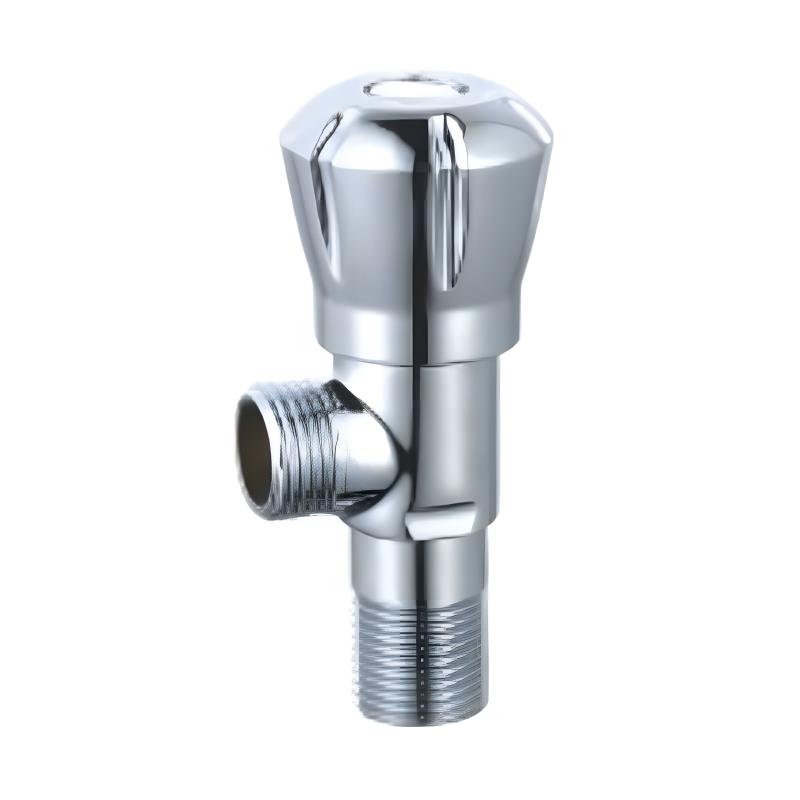
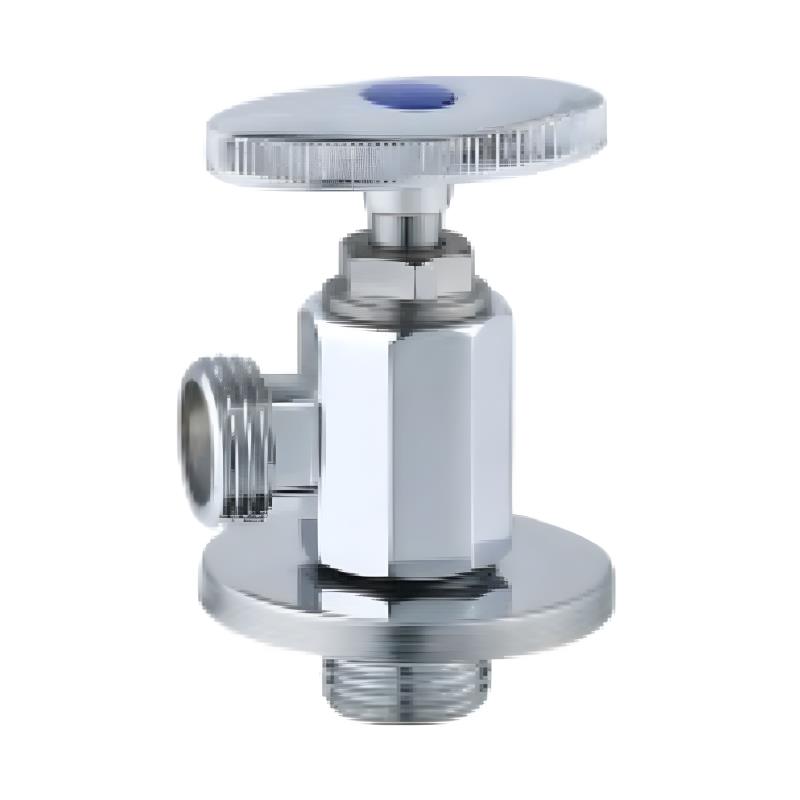
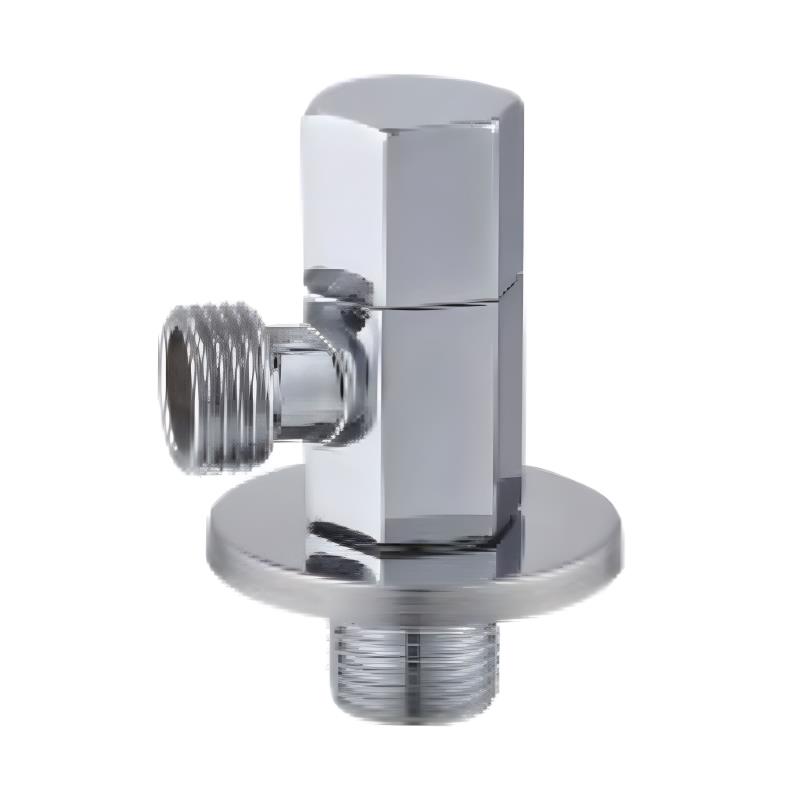
A Heavy Duty Angle Valve fits this role well because the connection itself helps guide the pipe turn. Instead of adding more pieces to force the line into place, the valve becomes part of the routing logic. That can leave the surrounding area cleaner and less cluttered.
The practical result often shows up in a few ways:
- the pipe stays closer to the wall or equipment edge
- fewer connectors are needed in a tight section
- open space remains available for servicing later
- nearby parts do not need to be shifted just to make room
In a compact cabinet or service area, even a small change in pipe direction can affect how much space remains for operation. If the layout keeps turning in a scattered way, maintenance becomes harder and access may be blocked before the system is fully assembled. A cleaner right angle path helps avoid that problem.
The point is not to make every installation look identical. It is to keep the route as direct and as tidy as possible so the space is used where it matters, not wasted on avoidable pipe movement.
Which Installation Details Are Often Overlooked in Narrow Spaces?
Many installation problems do not appear during planning. They show up later, once the valve is in place and surrounding parts are already fixed. At that stage, small details matter more than they did on paper.
Handle movement is one of the most common issues. A valve may fit physically, yet still become awkward to operate if nearby pipes, panels, or walls leave too little room for the handle to move freely. The valve may be installed, though daily use can still feel cramped.
Connection points also deserve attention. Tight spaces often hide joints behind other fittings, making inspection harder than expected. If the installer leaves no clear line of sight or hand access, future maintenance may require partial disassembly that could have been avoided earlier.
It also helps to think beyond the installation moment. Once the system is running, someone will still need to reach the valve for checking, cleaning, or replacement. A layout that looks neat during assembly may become frustrating later if there is no workable space around the connection.
A few commonly overlooked points include:
- handle rotation clearance after nearby parts are fixed
- room for inspecting the connection once installation is finished
- space for future cleaning or replacement
- distance from adjacent fittings that may block movement
| Maintenance Factor | Easier Access | Limited Access |
|---|---|---|
| Operating handle | Easy to reach | Blocked by nearby equipment |
| Connection points | Visible during inspection | Hidden behind piping |
| Replacement space | Simple removal | Requires partial disassembly |
| Cleaning area | Open surroundings | Congested installation |
How Does Early Layout Planning Prevent Future Space Problems?
Many installation difficulties begin long before the valve is connected. They often start during layout planning, when attention stays on getting every component into the available space while future access receives less consideration.
Pipe routing usually works better after identifying the position of major equipment instead of drawing pipelines immediately. Once larger components have been fixed, the remaining space becomes easier to evaluate, making valve placement more practical.
Another useful habit is separating installation space from working space. A valve may physically fit into a narrow corner, although operating or replacing it later could become difficult. Leaving a small amount of surrounding clearance often makes routine work much easier.
Pipe routing becomes more organized when a few simple ideas are followed.
- Keep the flow path as direct as practical.
- Avoid unnecessary crossing pipelines.
- Leave inspection points visible whenever possible.
- Consider how nearby components may affect future maintenance.
Thinking beyond the installation stage often prevents unnecessary changes later. A layout that allows comfortable access usually remains easier to service throughout normal operation.
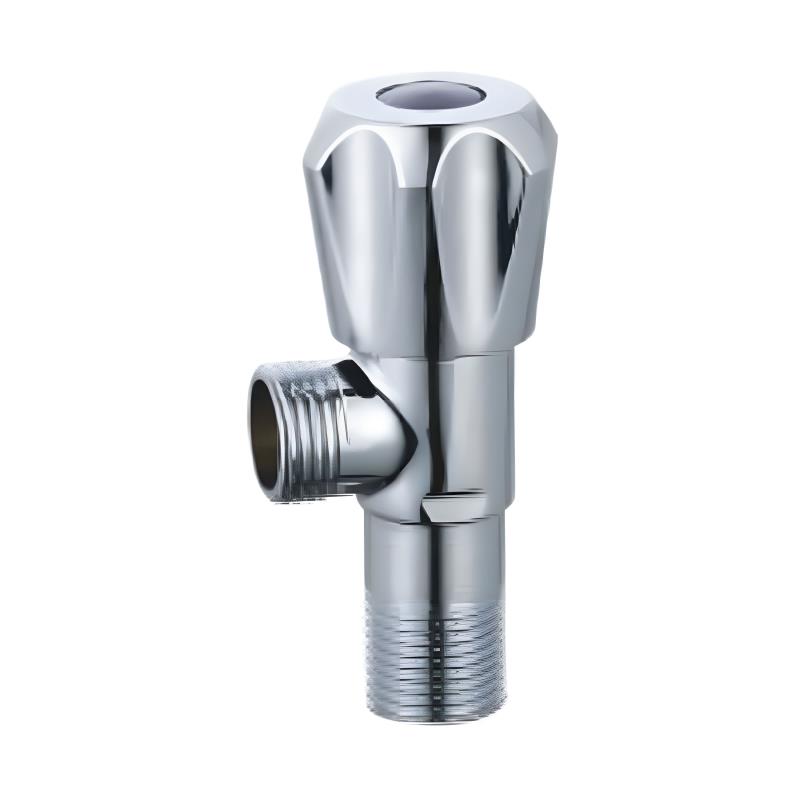
Why Can Small Structural Differences Change Installation Results?
At a glance, many valves appear similar. Once installation begins, however, small differences in shape often become much more noticeable.
Body dimensions influence how closely the valve can sit beside nearby equipment. Even slight changes in the outer profile may determine whether surrounding pipes have enough room to pass comfortably.
Handle design also deserves attention. A compact handle may require less operating clearance than a larger one, particularly in service cabinets or recessed installation points. Shape matters just as much as size because movement follows an arc rather than a straight line.
Connection orientation creates another difference. When the inlet and outlet naturally match the planned pipe direction, fewer adjustments are normally required during assembly.
Practical installation often benefits from details such as:
- balanced body dimensions
- connection directions matching pipe layout
- operating handles with sufficient movement
- connection points remaining accessible after assembly
Rather than focusing only on overall size, experienced installers often evaluate how every structural feature interacts with the surrounding environment.
What Should Be Considered Before Choosing an Angle Valve Supplier?
Selecting a component involves more than comparing appearance. Information provided before installation often has a direct effect on planning accuracy.
An Angle Valve Supplier that provides clear dimensional drawings and connection information allows installers to evaluate available space before work begins. That preparation helps reduce unexpected adjustments after piping has already been assembled.
Consistency also matters. When replacement valves share similar dimensions and connection styles, maintenance becomes simpler because existing pipe layouts require fewer changes.
Useful information before installation often includes:
- overall body dimensions
- connection orientation
- operating clearance recommendations
- compatible connection styles
Technical information may seem routine during planning, yet it becomes valuable once installation enters a confined working area where changes are less convenient.
Good communication between designers, installers, and an Angle Valve Supplier often reduces uncertainty before equipment reaches the job site.
Which Common Habits Make Compact Installations More Difficult?
Crowded layouts are not always caused by limited space. In many cases, the available area could have been used more efficiently with different planning decisions.
One common habit is selecting components before deciding the pipe route. Once valve locations have already been fixed, installers may have little choice except adding extra bends to reach the remaining connections.
Another situation appears when every empty space is filled. Although the installation may look compact, future maintenance becomes more difficult because hands and tools have nowhere to move.
Several habits frequently create unnecessary complications:
- placing valves without considering operating movement
- routing pipes too close to removable panels
- leaving no room for future replacement
- adding fittings instead of simplifying the pipe path
Maintenance often reveals these problems long after installation has finished. A valve hidden behind several crossing pipes may still function normally, yet replacing it could require removing nearby components that were never intended to be disturbed.
Planning with future access in mind usually creates a layout that remains practical throughout the service life of the piping system.
Why Does Space Saving Begin With Planning Rather Than Smaller Components?
Reducing the space occupied by a piping system rarely depends on choosing the smallest available component. More often, the deciding factor is how every part fits into the overall route.
A Heavy Duty Angle Valve contributes by allowing flow direction to change naturally within the valve body, reducing the need for additional routing adjustments in confined locations. Its value becomes clearer when combined with careful planning rather than treated as an isolated solution.
Successful layouts generally share several characteristics.
- Pipe routes remain easy to follow.
- Operating handles stay within comfortable reach.
- Inspection points remain accessible.
- Future replacement can be completed without disturbing unnecessary sections of the system.
Compact installations work well when installation, operation, and maintenance receive equal attention during planning. Space that appears unused during assembly often becomes valuable later when inspection, adjustment, or replacement is required.
A practical piping layout is not simply one that fits inside a limited area. It is one that continues to function without making routine work unnecessarily difficult. Careful routing, appropriate component selection, and early coordination help achieve that balance while making full use of the available installation space.