+86-13989680588
 graylin@hongjiavalve.com
 Get a quote

 English
 русский
 Deutsch
Submit feedback
How Do HVAC Brass Fittings Support Stable Cooling and Heating Systems
Author: Hongjia
Date: Sep 22, 2026
Cooling and heating systems depend on a connected network of pipes, valves, and equipment. Each connection needs to remain secure while the system changes between different operating conditions. A small change at a joint can affect the condition of the surrounding pipework, particularly when the system operates repeatedly.
Brass fittings are commonly used where pipes and equipment need to be joined, redirected, or connected with service components. Their role is not limited to creating a physical connection. The fitting also needs to work with the pipe material, sealing method, installation position, and temperature conditions around the system.
Stable connections provide a practical foundation for regular HVAC operation. Attention to fitting selection and installation can also make later inspection and maintenance easier.
What Role Do Brass Fittings Play in HVAC Connections
An HVAC connection needs to perform several functions at the same time. It must hold the connected sections in position, provide a suitable path for the working medium, and maintain a sealed joint during operation.
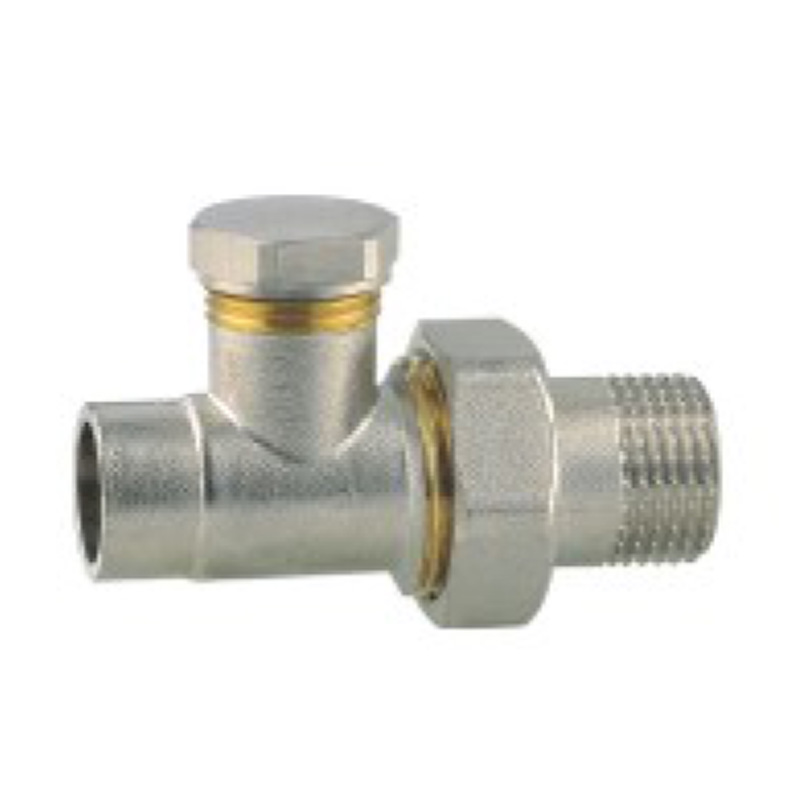
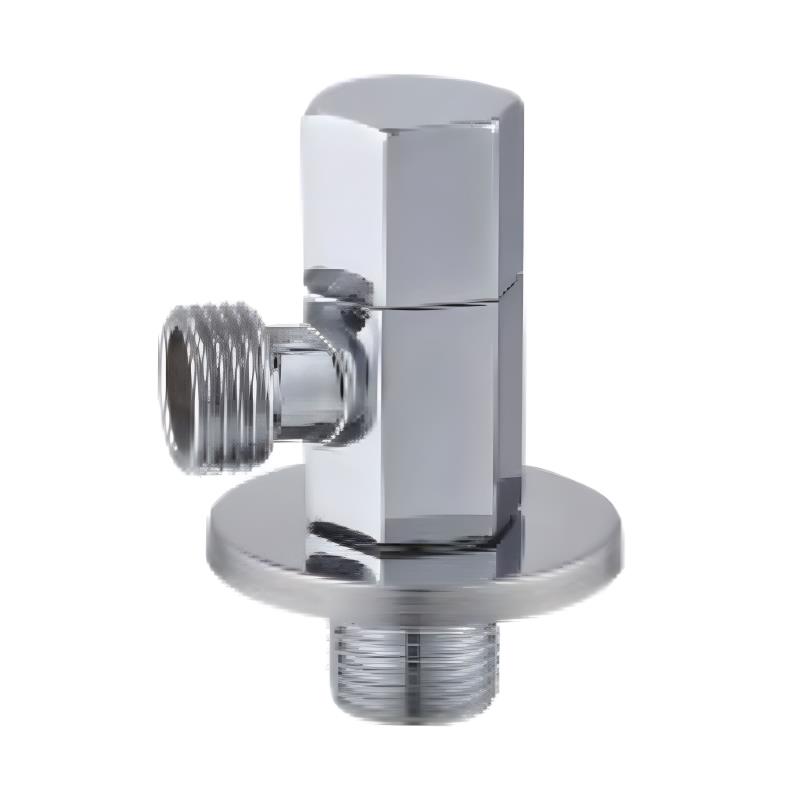
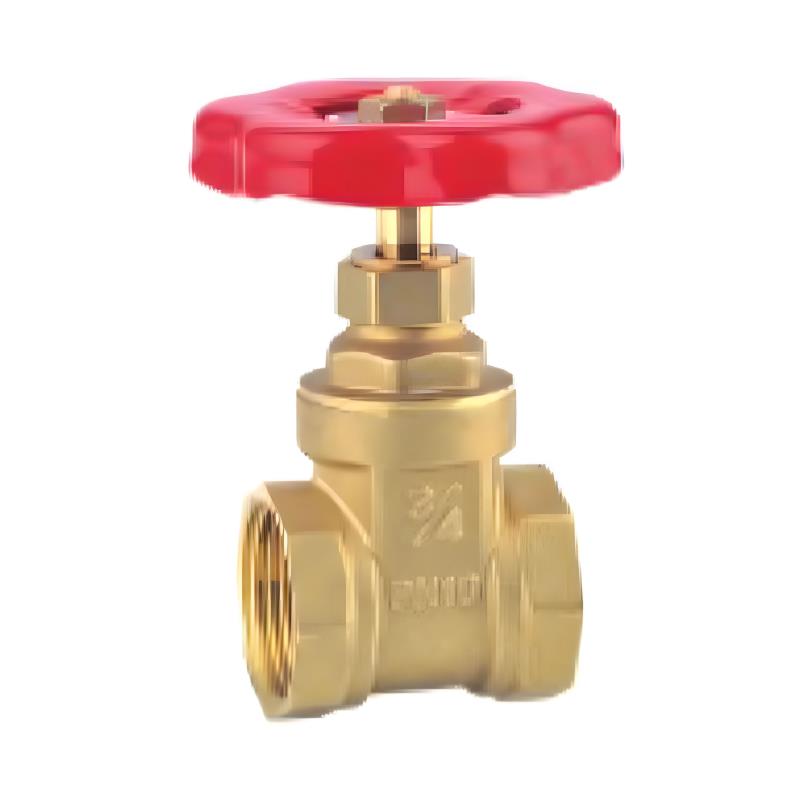
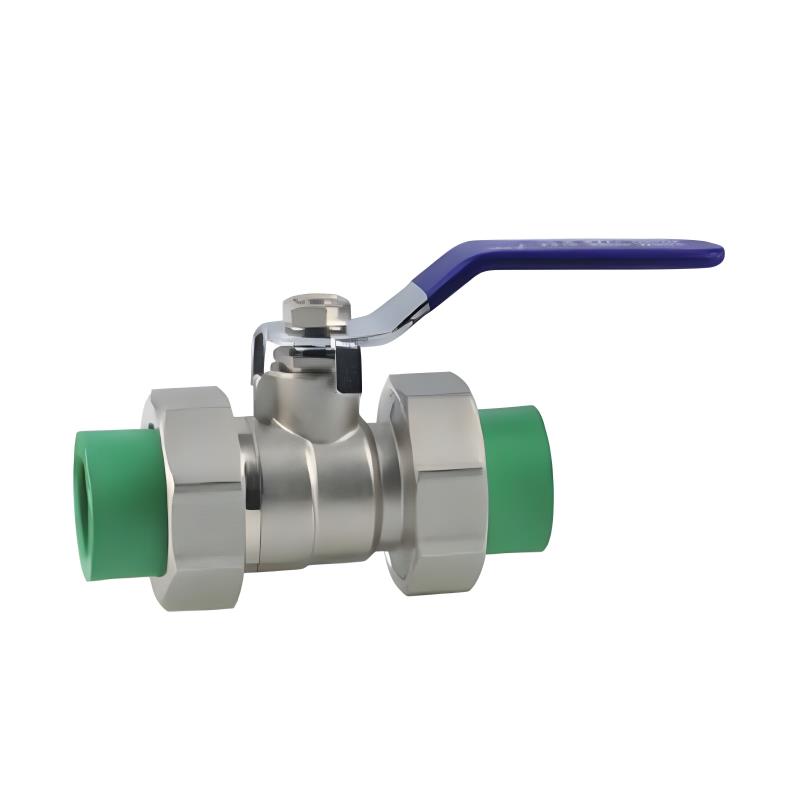
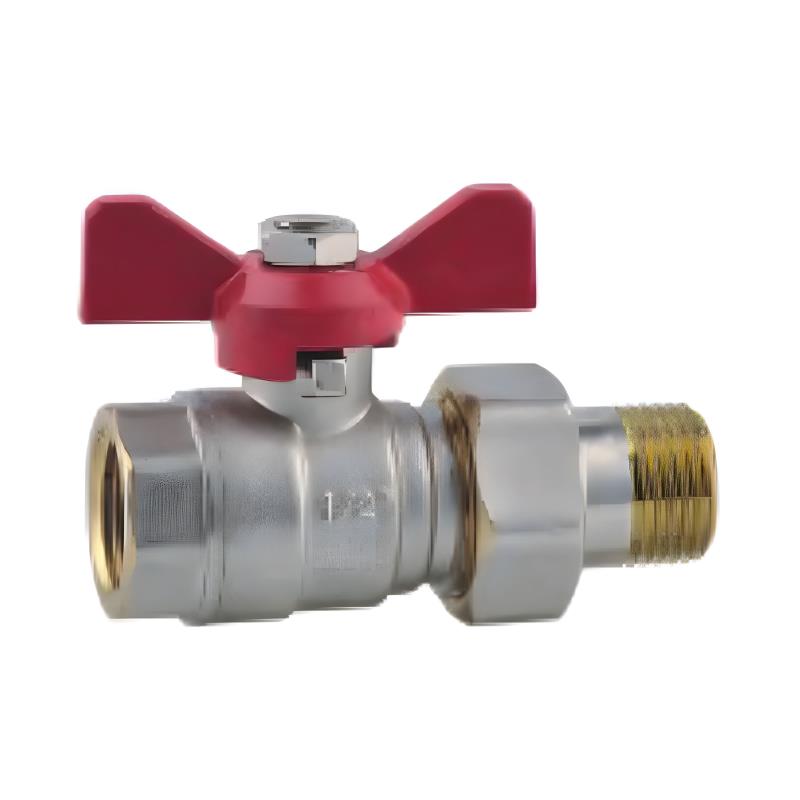
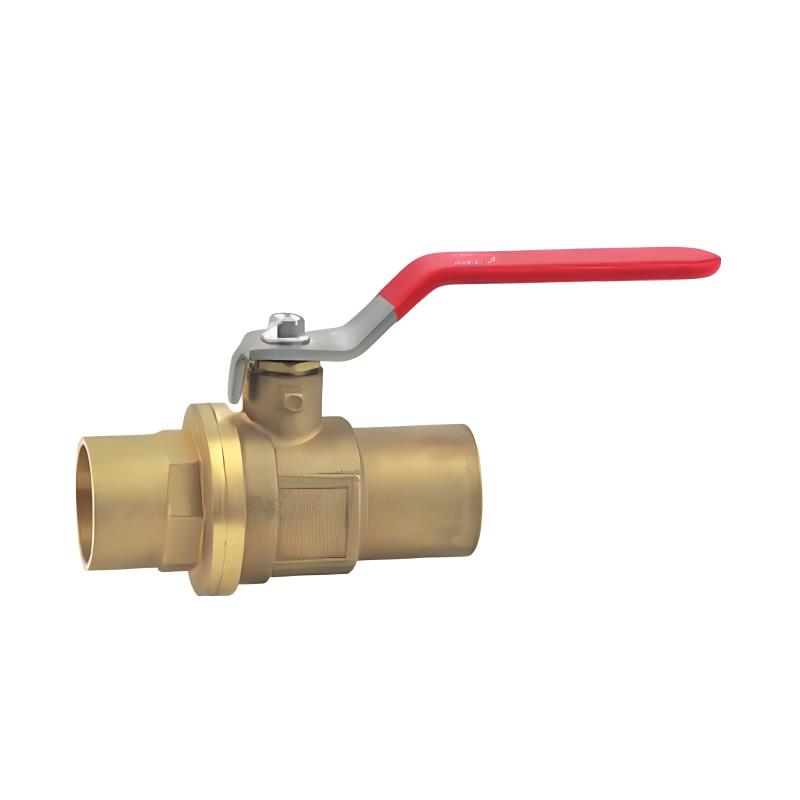
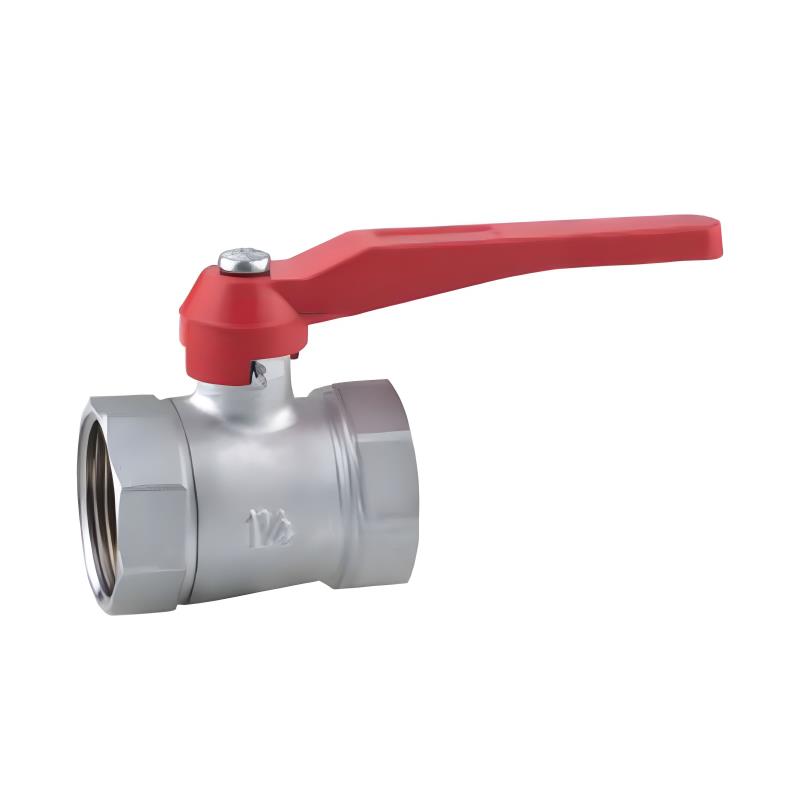
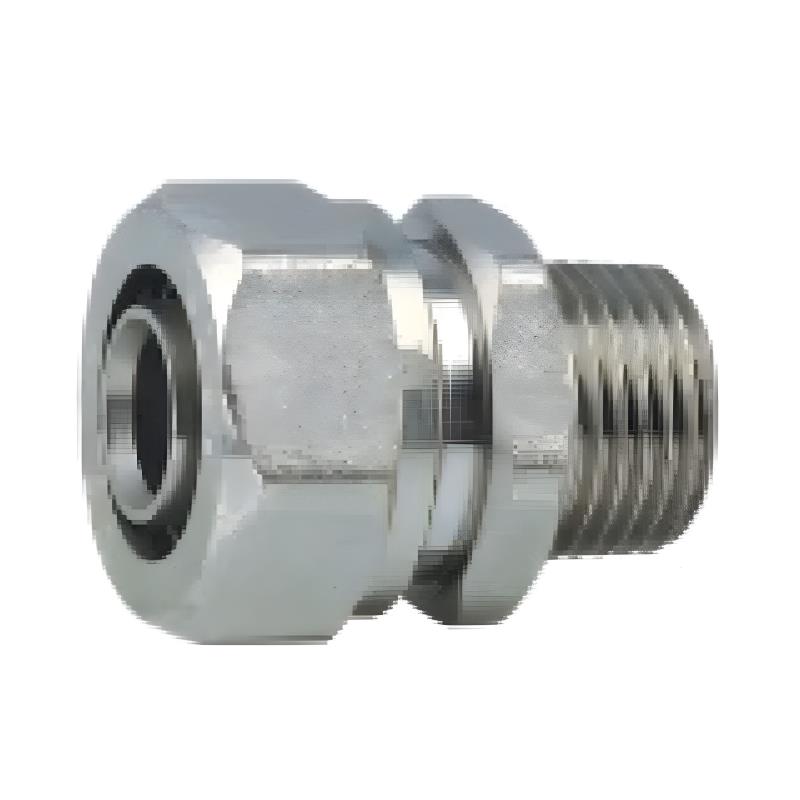
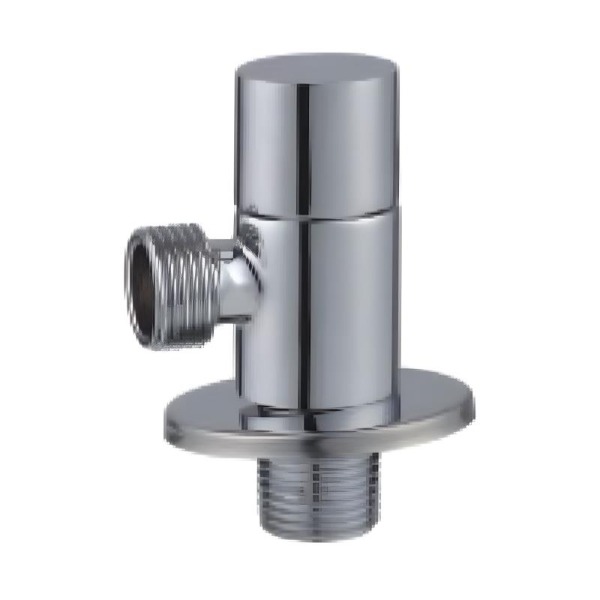
HVAC Brass Fittings can be found at points where pipes connect with equipment, valves, or other sections of the system. The shape of a fitting depends on its intended connection. Some designs join two sections, while others change the direction of a pipe or provide an interface with another component.
The connection itself forms part of a larger arrangement. Pipe alignment, support, sealing material, and tightening condition can all affect how the joint behaves.
A practical connection needs to consider:
- The size and shape of the connected pipe
- The type of connection required
- The available installation space
- The operating environment around the joint
- The condition of the sealing surface
- Access for future inspection or maintenance
A fitting that does not match the surrounding components can create installation difficulties even when the individual parts appear suitable. Correct matching helps maintain a continuous path through the system and reduces unnecessary stress around the connection.
The location of a fitting also matters. A joint placed near a moving pipe, vibrating component, or poorly supported section may experience different mechanical conditions from a joint installed in a stable position.
How Do HVAC Brass Fittings Handle Temperature Changes
Cooling and heating systems do not always operate at a single temperature. Pipe surfaces and connected components can become warmer or cooler as the system changes operating conditions.
Metal materials respond to temperature changes by expanding or contracting. When two connected parts experience repeated changes, the joint needs to accommodate small dimensional movements without losing its intended connection.
Brass is useful in many connection applications because it can be formed into fittings with consistent shapes and practical connection surfaces. Its behavior also needs to be considered alongside the material of the pipe and other connected components.
Temperature changes can affect a connection in several ways:
- Connected materials may expand at different rates.
- Repeated heating and cooling can place mechanical stress on the joint.
- Sealing materials may respond differently to changing conditions.
- Poorly supported pipes can transfer movement toward the fitting.
The fitting itself is only one part of this interaction. A properly selected connection can still experience problems when the pipe is under unnecessary tension or when nearby components restrict normal movement.
Pipe support therefore has a direct relationship with connection condition. When the pipe is held in a suitable position, less movement is transferred to individual joints. This can help maintain a consistent connection during normal changes in system temperature.
Why Does Sealing Matter in Cooling and Heating Lines
A connection is not considered stable simply because two components are mechanically joined. The joint also needs to limit unwanted leakage from the system.
Sealing depends on the condition of the mating surfaces, the connection method, and the material used to create the seal. Threads need to engage correctly, while sealing surfaces should remain clean and free from damage.
Poor sealing can develop for several reasons:
- Incorrect fitting selection
- Damaged threads or contact surfaces
- Contamination during installation
- Excessive tightening
- Insufficient tightening
- Improperly selected sealing material
- Movement caused by unsupported pipework
A connection that appears secure during installation may still require inspection after the system begins operating. Temperature changes and normal vibration can affect the joint over time.
Leakage around a connection can also create secondary maintenance problems. Moisture may affect nearby surfaces, while a change in system condition can place additional demands on equipment.
The sealing method should match the connection design and operating conditions. Applying additional sealing material without considering the fitting structure can create its own problems, particularly when excessive material interferes with proper engagement.
How Does Material Selection Affect Connection Stability
Different parts of an HVAC system may be made from different materials. Pipes, fittings, valves, and equipment interfaces need to work together rather than being selected independently.
Material compatibility involves more than whether two parts can physically connect. Temperature changes, moisture, mechanical movement, and the condition of the contact surfaces can all influence the connection.
Brass is often considered for connection components because it can be manufactured into shapes suitable for pipe joining and equipment interfaces. Its suitability still depends on the surrounding system and operating conditions.
| Consideration | Connection Requirement | Practical Concern |
|---|---|---|
| Pipe Material | Suitable contact with the fitting | Avoid incompatible combinations |
| Temperature | Stable connection during temperature changes | Consider expansion and contraction |
| Surface Condition | Clean and suitable contact areas | Remove contamination before assembly |
| Installation Space | Enough room for assembly and inspection | Avoid inaccessible joints |
| Operating Environment | Material suited to surrounding conditions | Consider moisture and mechanical exposure |
Material selection also affects maintenance. A connection that can be easily inspected and serviced may be easier to manage when the system requires adjustment or component replacement.
Surface condition deserves particular attention. Scratches, dirt, damaged threads, or uneven contact areas can interfere with sealing and alignment. Cleaning and inspection before assembly can prevent small surface problems from becoming connection issues.
The fitting should also match the physical demands of the pipe layout. A connection placed under constant bending or pulling force may experience conditions that are unrelated to the material itself. Proper support and alignment remain part of the overall connection design.
How Does Installation Quality Affect HVAC Connections
Even a suitable fitting can perform poorly when installation conditions are not handled carefully. The preparation of the pipe, alignment of connected parts, sealing process, and tightening method all influence the final condition of the joint.
Pipe ends should be prepared according to the selected connection method. Cutting should leave a suitable surface, while debris and loose material should be removed before assembly.
Alignment is another practical concern. Forcing two parts into position can place unnecessary stress on the fitting and pipe. A connection should come together without requiring excessive mechanical force.
The installation process can include several checks:
- Confirm that the fitting matches the pipe and interface.
- Inspect the connection surfaces before assembly.
- Keep threads and sealing areas clean.
- Align the pipe without unnecessary bending.
- Tighten according to the fitting and connection requirements.
- Check the completed joint for visible signs of leakage or damage.
Excessive tightening can be as problematic as an inadequately tightened connection. Too much force may damage threads, distort a sealing surface, or place additional stress on the connected parts.
Installation space also deserves attention. A fitting located in a narrow area may be difficult to tighten correctly and harder to inspect later. Positioning connections where maintenance access remains available can make routine service more practical.
Once the physical connection has been installed, surrounding pipe supports should also be checked. A stable fitting cannot compensate for a pipe that places continuous strain on the joint.
The relationship between material, sealing, alignment, and support becomes particularly relevant when the system enters regular cooling or heating operation. Each connection has to remain part of the same mechanical arrangement rather than functioning as an isolated component.
Where Are Brass Fittings Commonly Used in HVAC Systems
HVAC connection points can be found around indoor equipment, outdoor units, pipe branches, valves, and service sections. Each location presents different installation conditions, so the fitting needs to match the surrounding pipe layout and available working space.
Connections near indoor equipment often need to fit into compact areas. Limited space can make pipe alignment and maintenance access more difficult. A suitable fitting can help create a practical connection without forcing the pipe into an unnatural position.
Outdoor sections face a different set of conditions. Changes in temperature, moisture, movement, and exposure to the surrounding environment can affect the connection area. Pipe support and protection become important parts of maintaining a stable joint.
Fittings may also appear around valves and equipment interfaces. These points often need to accommodate future inspection or component replacement. A connection that can be reached without disturbing nearby pipework can make maintenance work easier.
Common installation locations include:
- Pipe connections near indoor units
- Connections around outdoor equipment
- Interfaces between pipes and valves
- Changes in pipe direction
- Sections requiring component replacement
- Accessible points used during system maintenance
The location influences more than the fitting shape. Pipe movement, surrounding temperature, moisture, and access conditions should all be considered when selecting and installing a connection.
How Do HVAC Brass Fittings Support Long Term System Operation
A cooling or heating system can experience repeated changes during normal operation. Temperature shifts, equipment vibration, pipe movement, and maintenance work can all affect connection points over time.
HVAC Brass Fittings form part of this mechanical network. A stable connection helps maintain the intended path between pipes and equipment, while a poorly supported joint may experience unnecessary movement.
Pipe support plays an important role. When long sections of pipe are not properly supported, their weight and movement can place additional force on nearby connections. The resulting stress may affect threads, sealing surfaces, or the position of the fitting.
Vibration can create another source of movement. Equipment operating nearby may transfer small mechanical forces through connected pipework. These effects can become more noticeable when a connection is already under tension.
Regular inspection can focus on simple signs:
- Visible moisture around a joint
- Changes in the position of connected pipes
- Damaged or worn connection surfaces
- Unusual movement near a fitting
- Signs of corrosion or surface deterioration
- Changes around sealing areas
Maintenance does not need to focus on the fitting alone. The surrounding pipe, supports, valves, and equipment should also be considered because problems at one point can affect nearby connections.
A stable installation is easier to maintain when each part has enough room for inspection and adjustment. Crowded pipe layouts can make it difficult to identify the source of a connection problem.
What Problems Can Occur at Poorly Maintained Connections
Connection problems may develop gradually rather than appearing immediately. A small change in sealing condition or pipe position can remain unnoticed until the system shows a related operating issue.
Leakage is one visible sign. Moisture around a joint may indicate a problem with the seal or connection. The surrounding surface should be checked rather than simply wiping away the visible moisture.
Loose connections can also affect system stability. Movement may occur when the pipe is not properly supported, while repeated temperature changes can place stress on the joint.
Other conditions can include:
- Surface corrosion
- Damaged threads
- Distorted connection surfaces
- Loose pipe supports
- Unusual vibration
- Signs of repeated movement around the joint
A connection problem does not always originate from the fitting itself. For example, pipe strain may place pressure on a joint, while a damaged sealing surface may prevent proper contact.
Ignoring a small leak or visible change can make later maintenance more complicated. Early inspection allows the surrounding condition to be checked before the problem affects a larger section of the system.
Cleaning around accessible connections can also make inspection easier. Dirt or residue may hide small changes on the surface, making it harder to identify where moisture or movement is coming from.
How Should Fittings Be Checked During HVAC Maintenance
Routine maintenance provides an opportunity to inspect connection points while the surrounding equipment is already being checked. The inspection can remain focused on visible and practical conditions rather than relying only on the appearance of the fitting.
A basic inspection can include several steps:
- Look for visible moisture around connection points.
- Check whether pipes remain properly supported.
- Inspect accessible surfaces for corrosion or damage.
- Observe whether unusual movement occurs during operation.
- Check the condition of sealing areas where visible.
- Investigate changes before tightening or replacing components.
A fitting should not be tightened simply because a connection looks different from another one. Unnecessary force can damage the joint. The cause of a change should be considered before corrective work begins.
Maintenance also needs to account for the surrounding environment. A connection exposed to moisture may require different attention from one installed in a dry indoor location.
When a fitting needs replacement, the connected pipe and interface should be checked at the same time. Installing a new component without addressing a damaged pipe end, worn thread, or poor support may leave the original problem unresolved.
Keeping connection areas accessible has practical value during service. A fitting hidden behind other components can take longer to inspect and may require additional disassembly.
How Should HVAC Fittings Match Different System Requirements
Cooling and heating systems can differ in pipe arrangement, equipment location, temperature conditions, and maintenance needs. A fitting suitable for one connection may not be appropriate for another simply because both belong to the same general system.
The connection method needs to match the pipe and interface. Size, shape, sealing method, available space, and material compatibility all influence the selection.
Working conditions should also be considered. A connection located near equipment that moves or vibrates may require more attention to pipe support than a joint installed in a fixed section.
Several selection points can be considered together:
- Pipe material and connection compatibility
- Required connection shape
- Temperature conditions
- Exposure to moisture
- Available installation space
- Accessibility for maintenance
- Expected pipe movement
The fitting should work as part of the complete pipe arrangement. Choosing a component based only on its physical size can overlook sealing, alignment, and installation requirements.
Maintenance requirements can also influence the connection choice. Serviceable locations allow inspection without unnecessary disruption to nearby components. This can be useful when valves, pipes, or equipment need to be checked separately.
How Can Stable Connections Support Cooling and Heating Performance
A cooling or heating system depends on continuous movement through its connected pipework. When joints remain properly aligned and sealed, the intended path through the system can be maintained without unnecessary leakage or mechanical disturbance.
Connection stability does not determine system performance by itself. Equipment condition, pipe layout, insulation, controls, and operating conditions also affect how a system functions. The connection remains one part of that wider arrangement.
A well‑maintained joint can help reduce several practical concerns:
- Unwanted leakage around pipe connections
- Mechanical movement at unsupported joints
- Maintenance difficulties caused by inaccessible fittings
- Damage associated with incorrect assembly
- Unnecessary stress on connected components
The relationship between fitting condition and system operation becomes clearer during routine inspection. A small change around a connection can provide an early indication that the surrounding pipework, sealing surface, or support arrangement needs attention.
For cooling and heating systems, stable connections are closely linked with suitable material selection, careful installation, proper pipe support, and regular inspection. Brass fittings can serve as practical connection components when their form, material, and intended application match the requirements of the surrounding system.