+86-13989680588
 graylin@hongjiavalve.com
 Get a quote

 English
 русский
 Deutsch
Submit feedback
Why Do HVAC Brass Fittings Matter in HVAC Systems
Author: Hongjia
Date: Sep 08, 2026
An HVAC system depends on many connected sections working together. Pipes carry air, water, or refrigerant between different parts of the system, while joints provide a path from one section to another. Although a connection may occupy only a small area, its condition can influence how the whole pipe arrangement works.
A well‑planned connection needs to do more than hold two pieces together. Proper alignment helps keep the internal passage consistent, while a suitable sealing method helps prevent unwanted leakage around the joint. Connection size also needs to match the pipe and equipment interface so that installation does not create unnecessary strain.
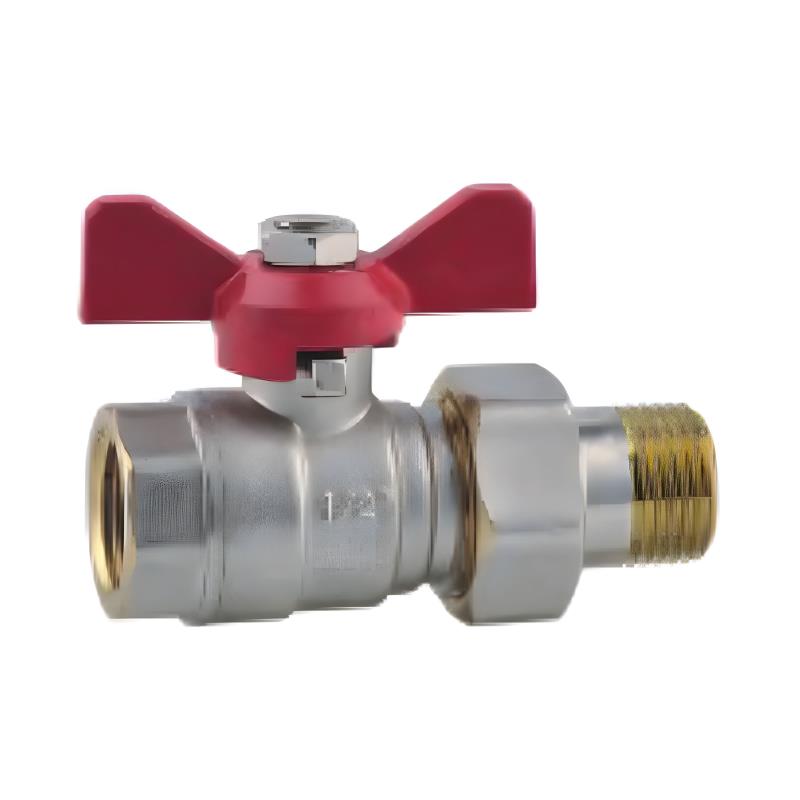
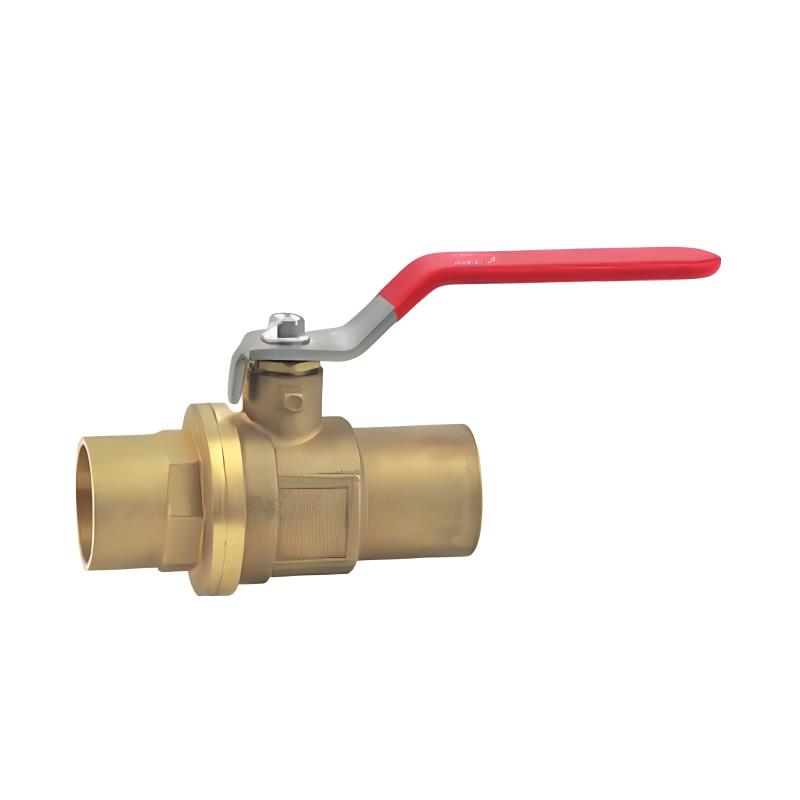
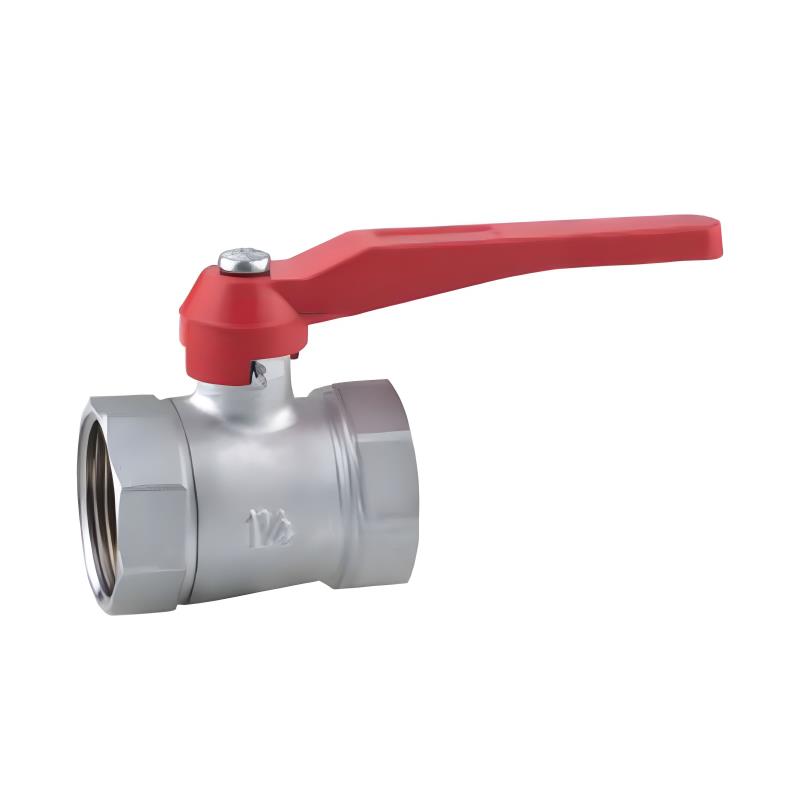
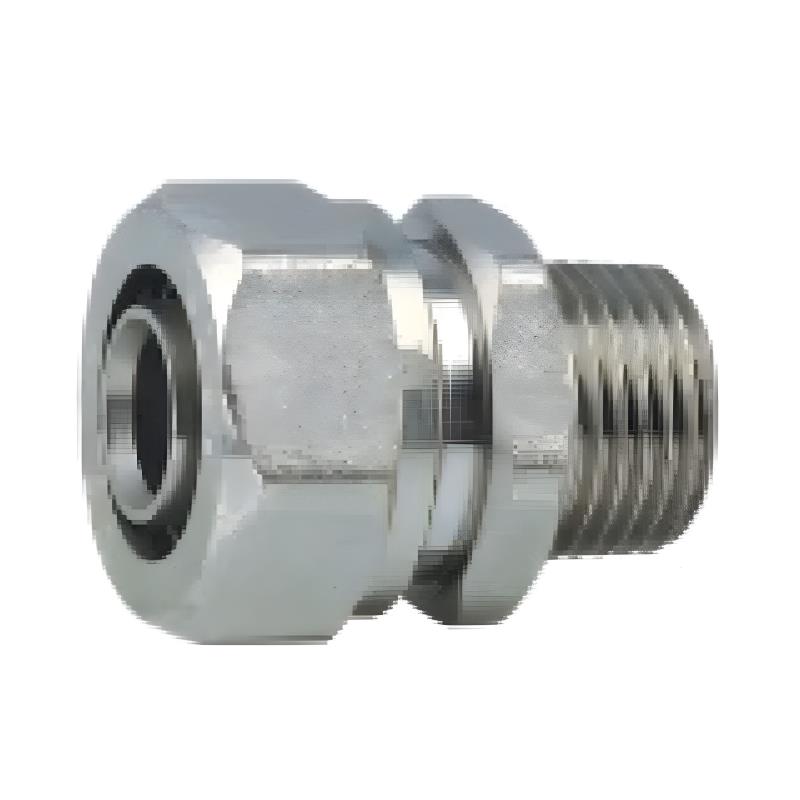
HVAC Brass Fittings are often used where pipes need to join, change direction, or connect with equipment. Brass offers a practical combination of strength, machinability, and resistance to common service conditions, making it suitable for many connection applications.
Connection design also becomes important during installation. A joint placed too close to another component may leave little room for tightening or inspection. A fitting installed at an awkward angle can make later maintenance more difficult. For that reason, connection planning needs to consider both current installation work and future access.
Several basic points deserve attention:
- Pipe and fitting size should match.
- Connection direction should suit the pipe layout.
- Sealing surfaces need to remain clean.
- Enough working space should be available around each joint.
- Connection materials should suit the surrounding conditions.
A pipe system rarely fails because of one visible feature alone. Small issues around several joints can gradually affect operation, making connection design an important part of HVAC planning.
How Does a Connection Affect HVAC System Flow
Fluid movement through an HVAC pipe depends partly on how smoothly one section connects with another. A sudden change inside a joint can disturb the path, while an incorrectly matched connection may restrict the available passage.
Pipe connections should therefore maintain a sensible transition between adjoining sections. When the internal opening becomes noticeably smaller at a joint, flow has less space to pass through. Sharp changes in direction can create another source of resistance, especially when several fittings are placed close together.
Connection shape matters as well. A curved fitting can guide a pipe around an obstacle, while a straight fitting keeps the route more direct. Each option changes the physical arrangement of the pipe network.
Poor alignment can create problems during installation too. Pipes may need to be forced into position to meet an incorrectly placed fitting, creating unnecessary pressure around the joint. Over time, movement from temperature changes or vibration may place additional stress on such connections.
A practical connection layout considers:
- The direction of the pipe.
- The available internal passage.
- The position of nearby fittings.
- The space needed for installation.
- The amount of movement expected during operation.
Flow considerations do not mean every joint needs a complicated design. In many cases, a simple connection with matching dimensions and a clean internal path is easier to install and maintain.
HVAC Brass Fittings can support different pipe arrangements through straight, angled, and connecting forms. Selection depends on where a joint sits within the system rather than on appearance alone.
How Do HVAC Brass Fittings Support Secure Pipe Connections
A fitting creates a controlled connection between separate pipe sections or between a pipe and another component. Its shape provides a defined joining point, while its connection structure allows the parts to remain together during normal operation.
Threaded fittings are common in situations where components need to be connected and later removed. Thread shape and size need to correspond with the mating part. A mismatch can make assembly difficult and may prevent proper contact between the connected surfaces.
Connection depth also deserves attention. A fitting that does not engage correctly may leave part of the joint unsupported. Excessive force during installation can cause another problem, especially around threaded sections. Tightening should create a firm connection without damaging the joining surfaces.
Material condition matters during installation as well. Scratches, dirt, or damaged threads can interfere with fitting contact. Keeping connection surfaces clean before assembly reduces avoidable installation problems.
A secure connection usually depends on several elements working together:
- Matching dimensions
- Correct connection form
- Clean joining surfaces
- Suitable sealing
- Proper alignment
- Appropriate tightening
HVAC Brass Fittings can be used in different parts of a pipe network, although one fitting shape cannot serve every connection requirement. A joint joining two straight pipes has different spatial needs from a joint connecting a pipe to equipment or changing the direction of a line.
Connection design therefore needs to begin with the actual pipe arrangement. Selecting a fitting before considering the surrounding layout can create unnecessary adjustments during installation.
Why Does Sealing Matter at HVAC Connections
A connection may appear secure from the outside while still having an imperfect seal. Small gaps around a joint can allow fluid or gas to escape, depending on the type of HVAC system involved. Sealing therefore forms an important part of connection design rather than serving as an afterthought.
Different connection structures require different sealing approaches. Threaded joints may rely on a sealing material placed around the joining area, while other designs use a separate sealing surface or component. The sealing method needs to suit the connection structure and the materials involved.
Clean surfaces make a difference during assembly. Dust, metal particles, or damaged areas can prevent two surfaces from meeting properly. A seal can only work as intended when the surrounding connection has been prepared correctly.
Installation pressure also needs to remain appropriate. Too little tightening may leave a gap, while excessive force can damage threads or deform a sealing surface. A balanced connection creates enough contact without placing unnecessary stress on the fitting.
Regular inspection can focus on several visible signs:
- Moisture or residue around a joint
- Loose connection parts
- Damaged threads
- Cracked or deformed sealing areas
- Changes in the position of nearby pipes
Sealing becomes especially relevant where temperature changes cause connected materials to expand and contract. A connection needs to accommodate normal movement without losing its ability to remain closed.
Good sealing does not come from the fitting material alone. Connection geometry, surface condition, sealing method, and installation practice all have a role in maintaining a stable joint.
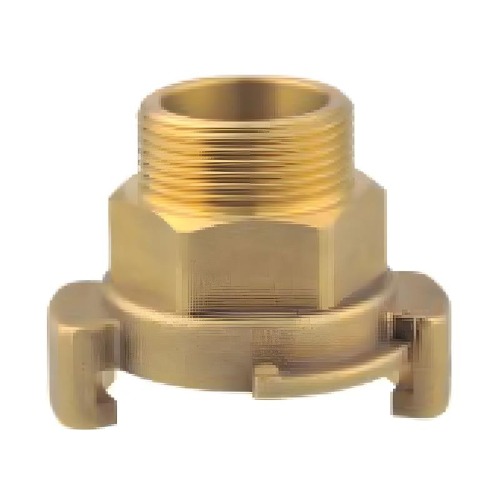
How Does Material Choice Affect HVAC Connection Design
Material selection influences how a connection behaves during installation and regular use. HVAC systems may operate in environments with changing temperatures, moisture, vibration, or contact with different pipe materials, so a fitting needs to suit the conditions around its intended location.
Brass is commonly used for HVAC connections because it can be formed and machined into different fitting shapes while providing a firm joining structure. Its surface also handles many ordinary indoor and mechanical‑room conditions without requiring a complicated connection design.
Material compatibility deserves attention when brass fittings are joined with pipes made from another material. Differences between materials can affect how a joint responds to temperature changes, mechanical movement, or moisture around the connection.
Environmental conditions also influence material selection. A fitting installed in a dry indoor area may face different conditions from one placed in a damp or exposed location. Contact with moisture and other surrounding substances should therefore be considered before installation.
| Connection Consideration | What It Affects | Practical Attention |
|---|---|---|
| Material | Joint condition during service | Match material to the surrounding environment |
| Size | Pipe connection and internal passage | Check fitting and pipe dimensions |
| Thread | Assembly and removal | Keep mating threads compatible |
| Sealing Surface | Leakage control | Keep surfaces clean and undamaged |
| Connection Shape | Pipe direction and layout | Select a form suited to the installation space |
Material choice should also account for maintenance. A connection that can be inspected and handled without disturbing nearby pipes is easier to work with during routine service.
HVAC Brass Fittings are therefore part of a wider connection system rather than an isolated component. Material, shape, sealing, pipe alignment, and installation conditions all interact at the joint. Considering those elements together helps create a pipe layout that remains practical during both installation and later maintenance.
What Role Does Thread Design Play in HVAC Brass Fittings
Thread design affects how a fitting joins with a pipe or equipment interface. A threaded connection needs matching dimensions and a suitable joining structure so that both parts can engage smoothly. Even a small mismatch can make assembly difficult and may leave an uneven contact area around the joint.
Thread condition also matters during installation. Dirt, metal particles, damaged edges, or worn sections can interfere with proper engagement. Cleaning the connection before assembly helps keep the joining surfaces free from material that could affect the fit.
Tightening requires similar attention. A threaded fitting needs enough force to create a stable connection, while excessive force can place unnecessary stress on the fitting or damage the thread. Correct assembly is therefore not simply a matter of making a joint tighter.
Connection direction also influences thread selection. A straight fitting may suit two pipes running along the same path, while an angled fitting can redirect a pipe around another component. Threaded sections need to remain accessible enough for installation tools and later inspection.
Several thread‑related points can be checked during installation:
- Thread size matches the mating connection.
- Thread surfaces are clean and free from visible damage.
- Fitting alignment follows the pipe direction.
- Sealing material suits the connection structure.
- Tightening does not place unusual pressure on nearby pipes.
HVAC Brass Fittings with threaded connections can be useful where pipe sections or equipment interfaces may need to be separated during maintenance. A removable joint can make access easier without requiring the surrounding pipe arrangement to be completely changed.
How Does Connection Layout Affect HVAC Installation
Connection layout determines how easily pipes can be positioned, joined, checked, and serviced. A fitting may function correctly on its own while creating difficulties when placed too close to a wall, another pipe, or a fixed piece of equipment.
Space around a joint is particularly important during installation. Threaded connections need room for tools, while other connection forms may require space for alignment or sealing. Limited access can make a simple fitting difficult to install correctly.
Pipe direction also influences the choice of connection form. A change in direction may require an angled fitting rather than forcing a straight pipe into position. Avoiding unnecessary bending or pressure around the joint helps maintain a more natural pipe route.
Temperature changes can cause connected pipe sections to move slightly during operation. A layout that leaves reasonable room around the pipe can accommodate ordinary movement more easily than a tightly packed arrangement.
Connection placement can be considered from several angles:
- Where does the pipe need to turn?
- Where will the fitting be installed?
- Can installation tools reach the joint?
- Is enough space available for inspection?
- Can nearby components be removed without disturbing the connection?
A practical HVAC layout does not simply connect every component along the shortest route. Installation access and later service work also form part of the design.
HVAC Brass Fittings can help create different pipe routes through straight connections, directional connections, and joining pieces. Selection becomes easier when the complete pipe arrangement is considered before individual fittings are chosen.
Why Should HVAC Connections Consider Maintenance
An HVAC connection remains part of the system long after installation is complete. During routine service, joints may need to be inspected for looseness, surface changes, moisture, or other signs of an installation problem. Easy access can make such checks less disruptive.
A connection hidden behind several fixed components can take more effort to inspect. Crowded pipe layouts may also make it difficult to use ordinary tools around threaded fittings. Planning access around connection points can therefore reduce unnecessary work during later service.
Removable connections can have practical value in areas where components may require replacement. A fitting that can be separated without disturbing an entire pipe section can make maintenance more manageable.
Connection condition should be checked from time to time, especially around areas exposed to movement or changing temperatures. Inspection does not always require complex equipment. Visible changes around a joint can provide useful information about its condition.
Maintenance attention may include:
- Checking for loose fittings.
- Looking for moisture or residue around joints.
- Inspecting visible thread sections.
- Checking whether pipes remain properly aligned.
- Cleaning accessible connection areas.
A clean and accessible joint is easier to inspect than one surrounded by dirt, insulation, or tightly packed components. Maintenance planning therefore starts before installation rather than after a problem appears.
What Should Be Checked When Selecting HVAC Brass Fittings
Choosing a fitting begins with the connection itself. Pipe size, connection form, direction, material, and installation space all influence whether a particular fitting is suitable for a given position.
Pipe dimensions need to correspond with the fitting. An unsuitable size can create installation difficulties and may also affect the internal passage through the joint. Connection type deserves equal attention because threaded, compression, and other forms are not interchangeable simply because they appear similar.
Coat or surface condition can also matter when different materials are joined. The surrounding environment should be considered alongside the fitting material, especially where moisture or other external conditions are present.
A useful selection process can follow a simple sequence:
- Identify the pipe size.
- Check the connection form.
- Confirm the required direction.
- Consider the surrounding installation space.
- Check material suitability.
- Review the sealing arrangement.
- Consider future maintenance access.
Desired pipe routing should be established before selecting a fitting shape. A fitting chosen without regard to the surrounding layout may require extra changes during installation, increasing the number of connection points or creating awkward pipe positions.
HVAC Brass Fittings should therefore be selected according to the actual function of each joint. A fitting for joining two straight sections may have different requirements from one used near a bend, equipment connection, or narrow installation area.
How Can Connection Design Improve HVAC System Reliability
Connection design influences reliability through several small details working together. Correct sizing supports proper engagement, suitable sealing helps control leakage, and appropriate layout reduces unnecessary stress around the joint.
Installation quality also has a direct role. A fitting may have a suitable shape and material, yet poor alignment or damaged threads can still create connection problems. Careful preparation and inspection remain important parts of the installation process.
A stable pipe arrangement should allow connected sections to follow a sensible route without forcing one component toward another. Connection points need enough support around them so that movement from ordinary operation does not create unnecessary strain.
Maintenance access adds another layer to connection planning. A joint that can be reached, inspected, cleaned, and separated when required is easier to manage over the service life of the system.
| Design Area | Main Concern | Practical Approach |
|---|---|---|
| Connection Size | Proper fit between components | Match pipe and fitting dimensions |
| Sealing | Control around the joint | Use a suitable sealing method |
| Layout | Installation and pipe movement | Leave reasonable working space |
| Maintenance | Inspection and component access | Keep important joints reachable |
A reliable HVAC pipe arrangement does not depend on a single fitting feature. Connection size, thread condition, material, sealing, pipe direction, and access all influence how a joint behaves in daily service.
HVAC Brass Fittings form one part of that wider arrangement. Their role becomes clearer when each connection is considered according to its position and purpose. A properly planned joint supports a continuous pipe route, remains accessible for inspection, and avoids unnecessary stress caused by poor alignment or limited installation space.
Good connection design is therefore closely tied to practical system planning. Rather than treating fittings as small accessories added after the pipe route has been decided, connection points can be considered from the beginning. Such planning creates a more manageable relationship between pipes, equipment, installation work, and later maintenance.