+86-13989680588
 graylin@hongjiavalve.com
 Get a quote

 English
 русский
 Deutsch
Submit feedback
diversity water device valve
Author: Hongjia
Date: Dec 25, 2025
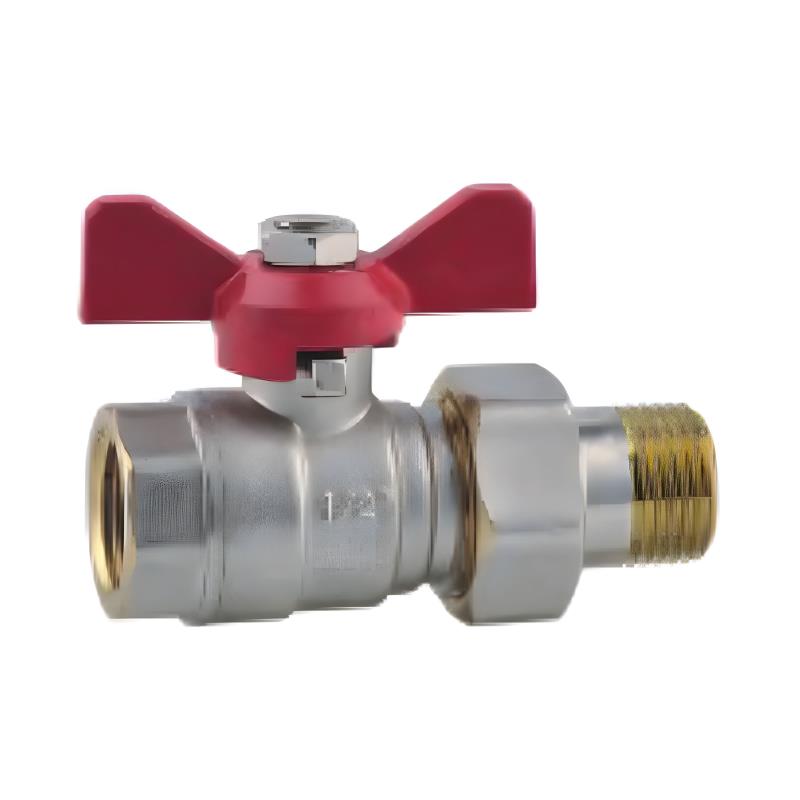
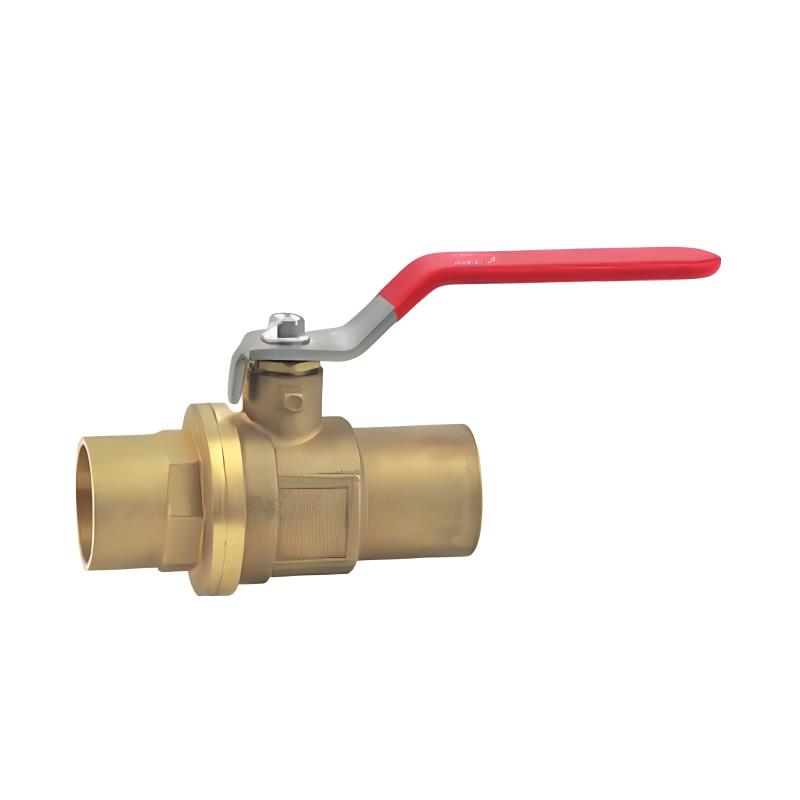
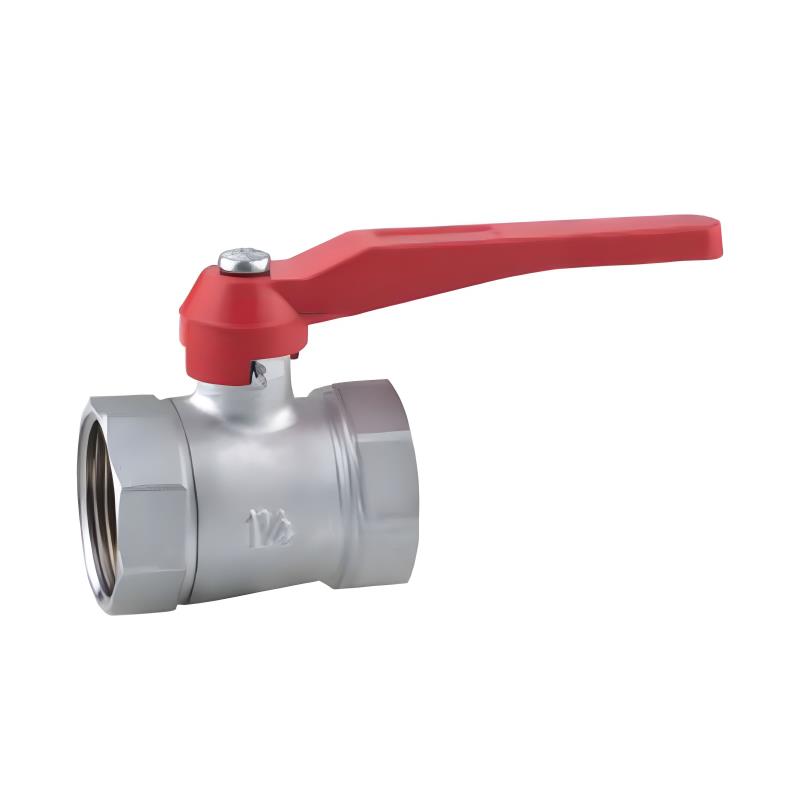
A Diversity Water Device Valve plays a crucial role in controlling water flow within various plumbing and water distribution systems. Unlike traditional valves, this specialized valve is designed to accommodate different types of water systems, offering flexibility and efficiency. Whether you're managing residential, commercial, or industrial water systems, understanding how a Diversity Water Device Valve works and why it is beneficial can help you optimize your water flow management.
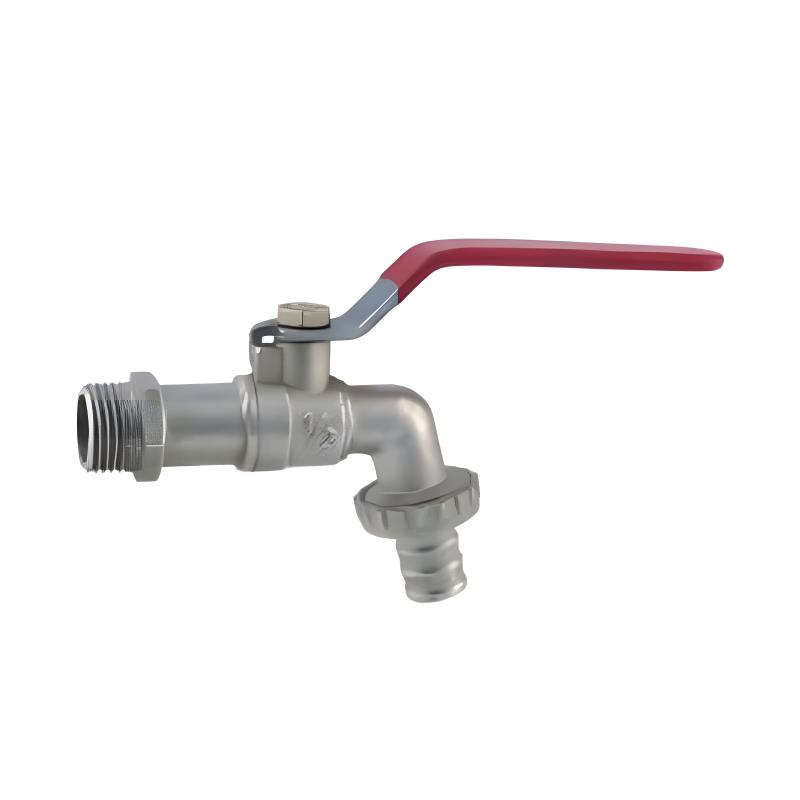
The Purpose of a Diversity Water Device Valve
The main purpose of a Diversity Water Device Valve is to regulate the flow of water in diverse systems with varying demands and specifications. Unlike single-purpose valves, which are limited to specific functions, this valve is versatile, capable of adapting to different pressure levels, pipe sizes, and water temperatures. It is commonly used in systems that require constant adjustments or in settings where water distribution needs to be fine-tuned, such as in irrigation systems, water treatment plants, and commercial buildings.
How It Controls Water Flow
A Diversity Water Device Valve operates by regulating the amount of water that passes through it, controlling pressure and volume according to the system’s needs. The valve allows for smooth adjustments, ensuring that water flow is consistent and efficient. Whether it's used to control the flow of water through irrigation pipes or manage water usage in a high-demand commercial setting, the Diversity Water Device Valve helps optimize system performance and prevent wasteful usage.
Flexibility in Application
One of the key features of a Diversity Water Device Valve is its flexibility. It can be used in a wide range of applications, from residential plumbing systems to large-scale industrial setups. This versatility makes it a popular choice for various industries, including agriculture, municipal water systems, and industrial water processes. Its ability to handle different water types and conditions makes it a valuable addition to systems requiring high adaptability.
Cost-Effectiveness and Efficiency
The use of a Diversity Water Device Valve can also contribute to cost savings. By optimizing water flow and preventing overuse, it helps reduce water wastage, which can lead to lower utility bills. In commercial and industrial applications, this can translate into significant savings over time. Additionally, its durability means fewer replacements and repairs, further enhancing its value over the long term.
Installation of a Diversity Water Device Valve
Installing a Diversity Water Device Valve is a straightforward process, though it requires some basic understanding of plumbing systems. Typically, the valve is installed in a location where it can effectively control the flow of water into or out of the system. Installation can vary depending on the type of system, but with the right tools and instructions, the valve can be integrated with minimal disruption to the existing system.
Maintenance of the Valve
Maintaining a Diversity Water Device Valve is essential for ensuring its longevity and efficient performance. Regular inspections should be conducted to check for signs of wear, blockages, or any damage to the valve components. Cleaning and lubricating the valve periodically can also help maintain smooth operation. By staying proactive with maintenance, you can prevent issues such as leaks, clogging, or reduced water pressure, which could affect the performance of the entire system.
Types of Systems That Benefit from a Diversity Water Device Valve
A wide variety of water systems benefit from the installation of a Diversity Water Device Valve. These include:
Irrigation Systems – The valve allows for precise water flow control, reducing waste and ensuring plants receive optimal irrigation.
Municipal Water Systems – Water treatment plants use the valve to manage pressure and distribution, ensuring water reaches all parts of the system evenly.
Commercial Plumbing Systems – In buildings with high water demand, the valve helps regulate water flow for different sections, maintaining consistent pressure.
Industrial Applications – Factories and industrial operations use the valve to control water flow in manufacturing processes, ensuring efficiency and compliance with environmental regulations.