+86-13989680588
 graylin@hongjiavalve.com
 Get a quote

 English
 русский
 Deutsch
Submit feedback
What is a Stop Valve Used for in Plumbing?
Author: Hongjia
Date: Jan 02, 2026
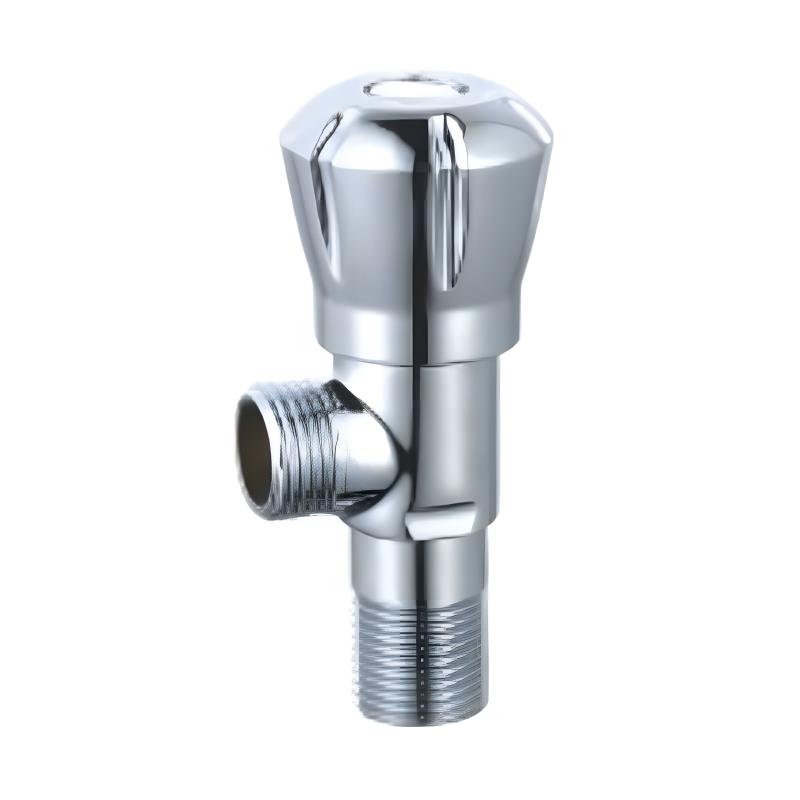
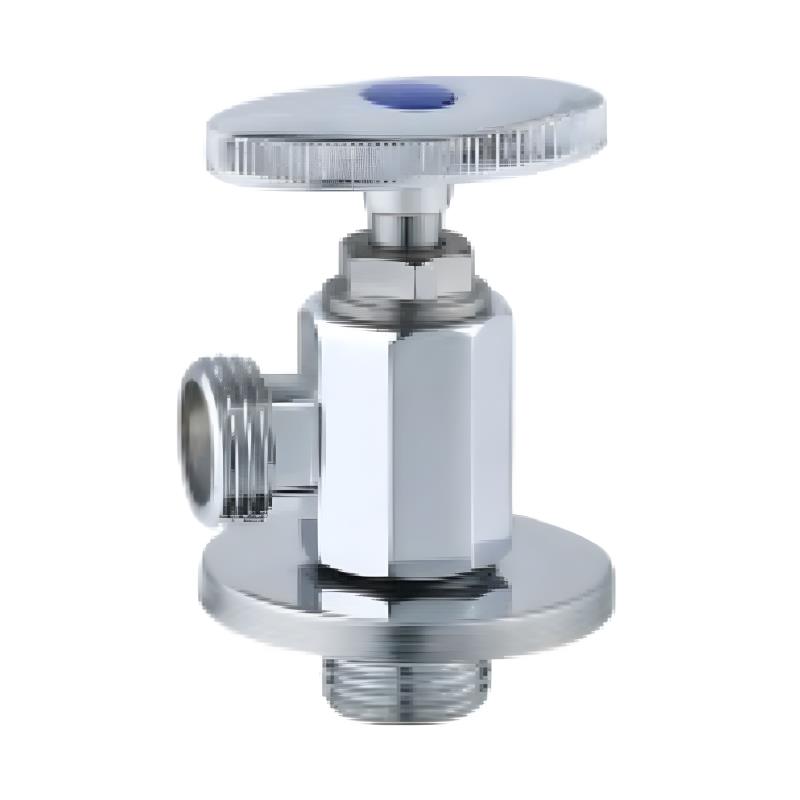
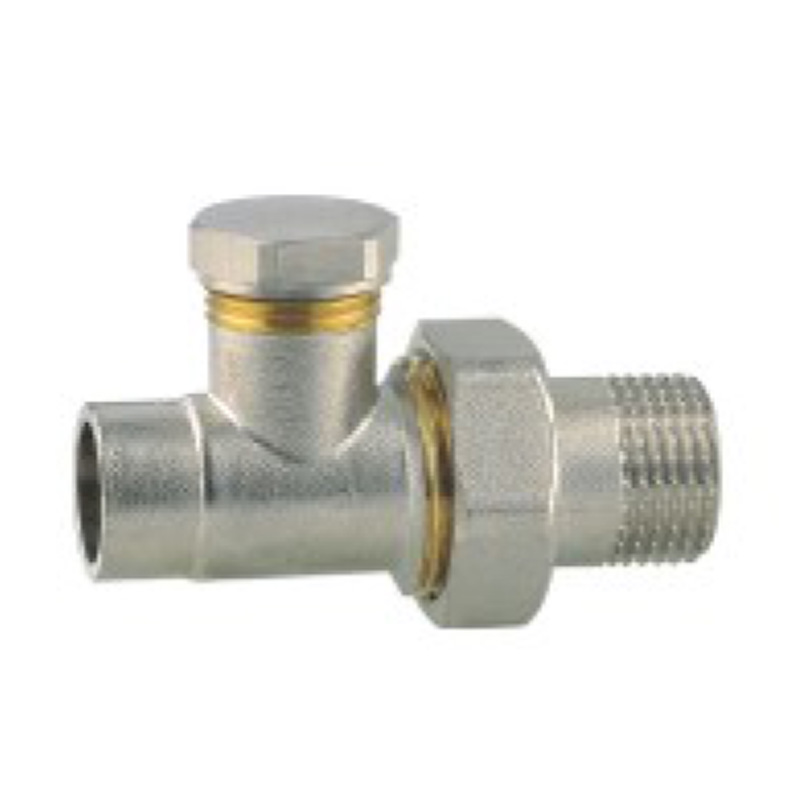
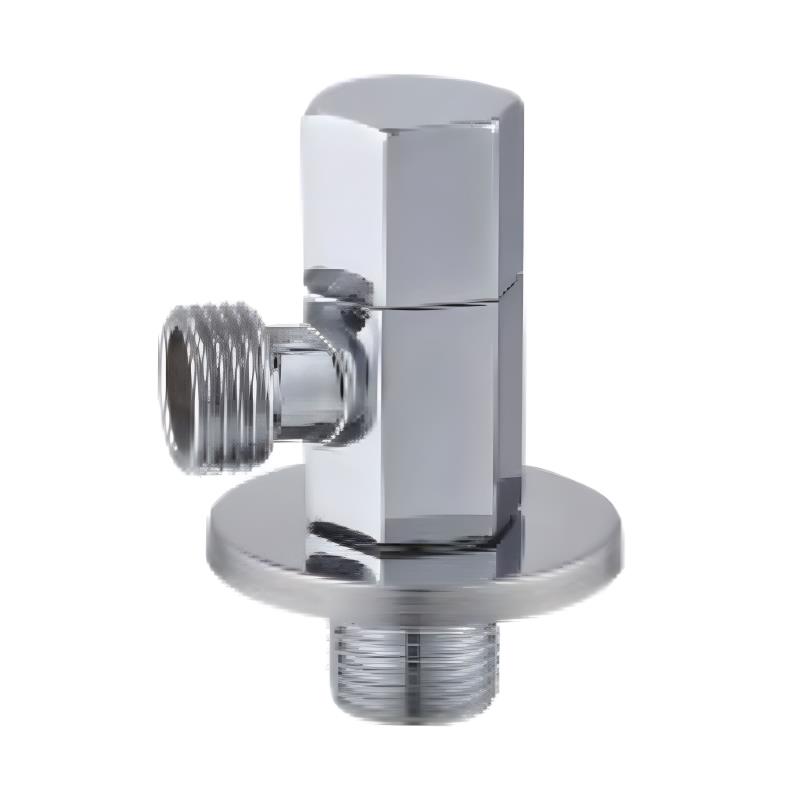
A Stop Valve is a crucial component in plumbing systems that is used to control the flow of water or other fluids. It allows users to stop or regulate the flow of water in a pipe, typically in cases where repair or maintenance is required, or when isolating certain sections of a plumbing system. By controlling the flow of water, the Stop Valve helps prevent potential flooding or leaks during these processes, ensuring better management of the plumbing system.
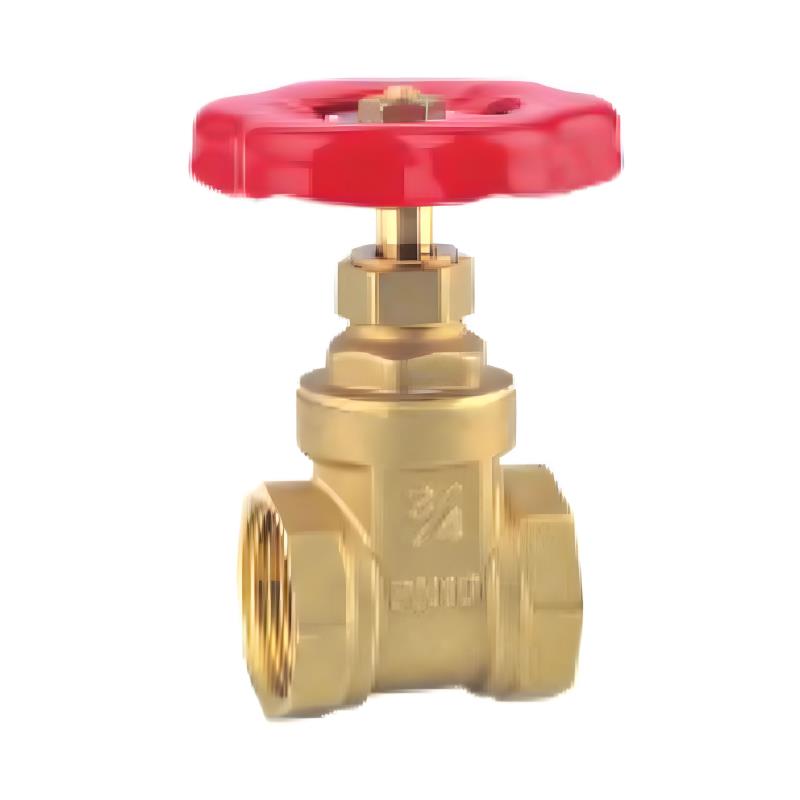
Functionality of a Stop Valve
The primary function of a Stop Valve is to halt the flow of water through a specific section of a plumbing system. This makes it particularly useful in situations where water needs to be turned off for maintenance, repairs, or installation of new fixtures. The valve is typically installed in locations where it is easy to access, such as near a water meter, beneath sinks, or near major appliances like water heaters. When the Stop Valve is turned off, it completely stops the flow of water, isolating the section of the plumbing from the rest of the system.
Where Are Stop Valves Used?
Stop Valves are found in a variety of plumbing applications, including residential, commercial, and industrial systems. In homes, they are often installed near sinks, toilets, dishwashers, and water heaters. In commercial settings, these valves are essential for controlling water flow to large systems, such as sprinkler systems, industrial machinery, and HVAC systems. By strategically placing Stop Valves throughout a plumbing network, you can isolate problems quickly without disrupting the entire system.
Types of Stop Valves
There are different types of Stop Valves, each suited for various plumbing needs. Some of the most common types include:
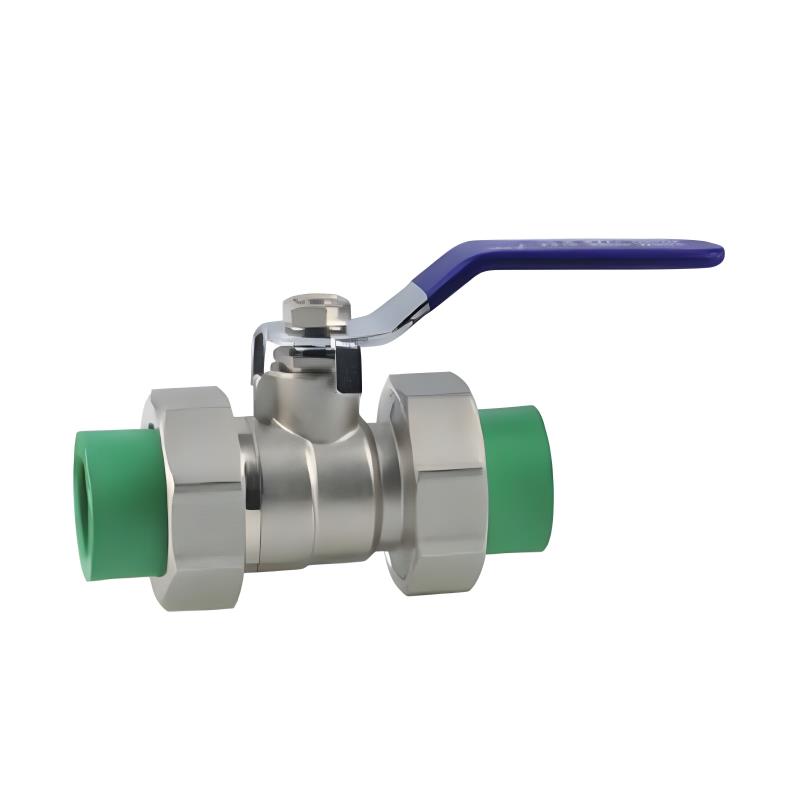
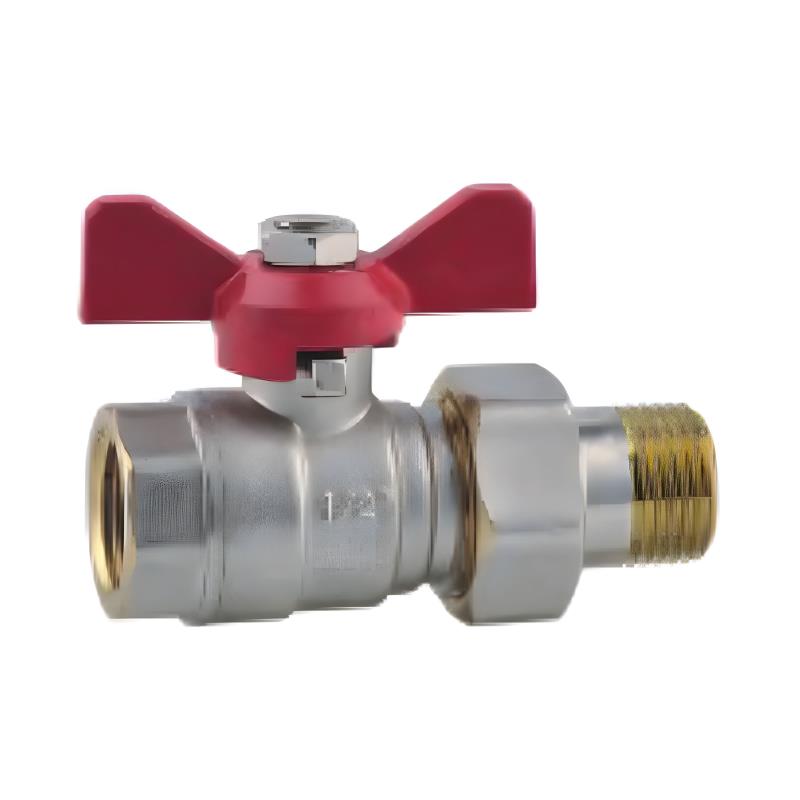
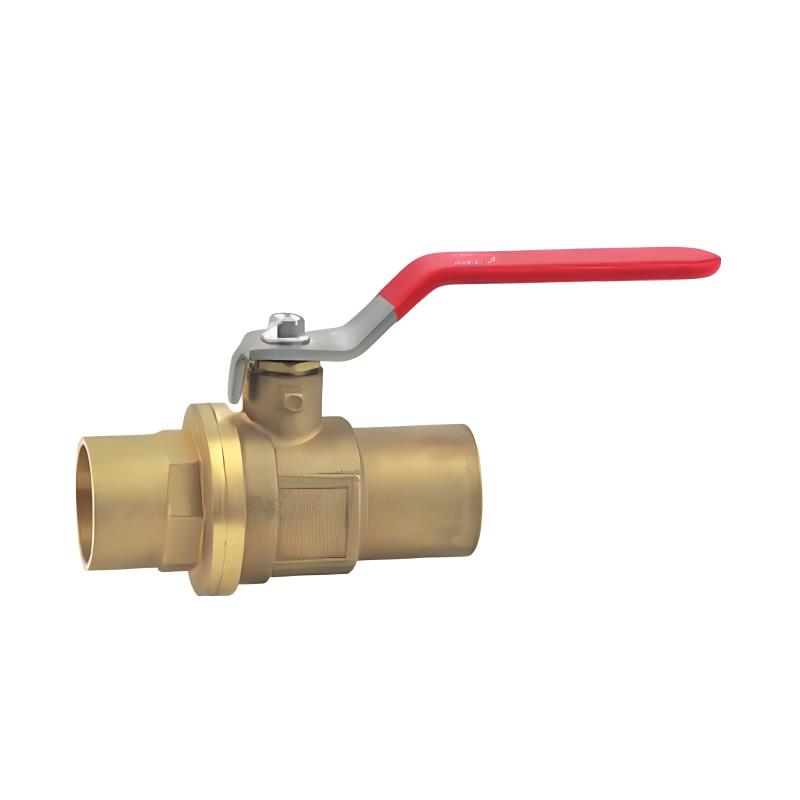
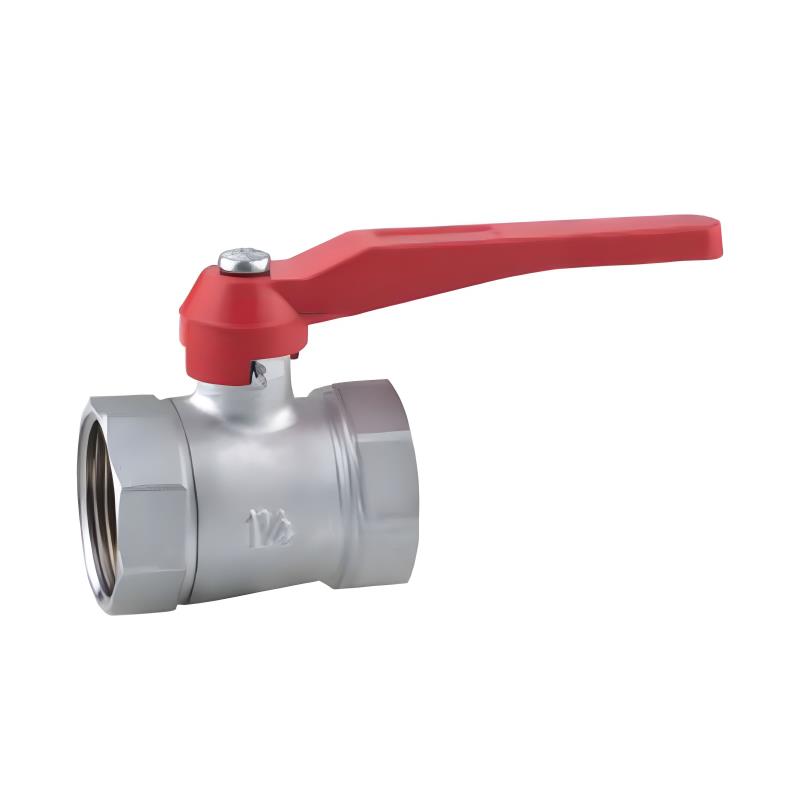
Ball Valves – These are designed for quick shut-off and are widely used in residential plumbing.
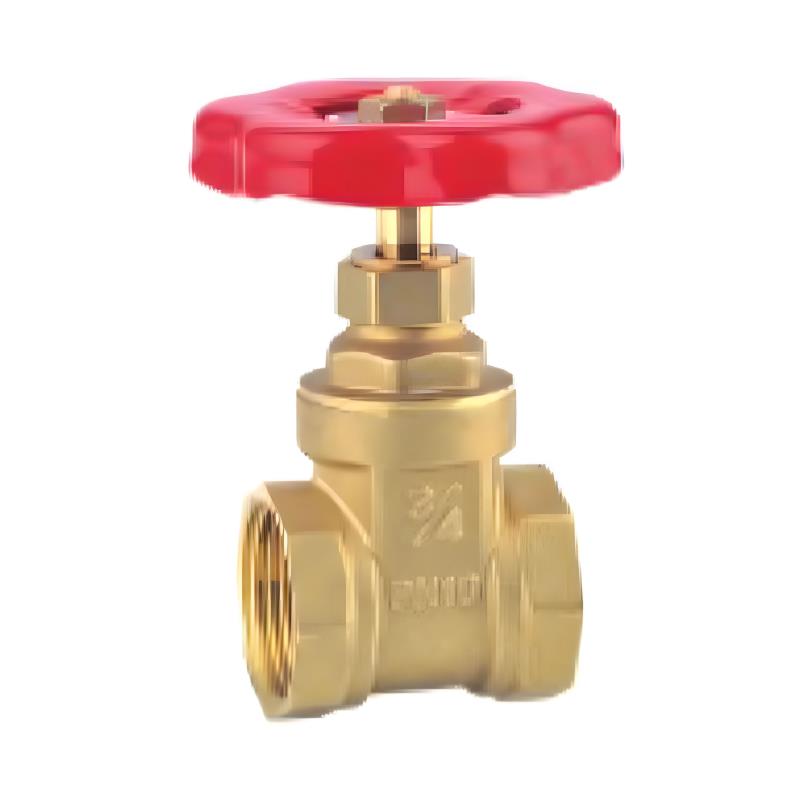
Gate Valves – Often used in larger industrial systems, these valves are ideal for controlling water flow over a longer period.
Globe Valves – Used for precise control, these are typically found in systems requiring fine adjustments to water flow.
Each type of Stop Valve has its own mechanism for controlling water flow, but all serve the same basic function: allowing you to stop or regulate the water flow within the plumbing system.
Why Use a Stop Valve?
There are several reasons why a Stop Valve is indispensable in any plumbing system. Its ability to control water flow is essential for emergencies, such as during a burst pipe, or routine maintenance like replacing old faucets or fixtures. Without a Stop Valve, isolating a particular section of the plumbing system would be difficult, often requiring you to shut off water to the entire house or building. This could lead to unnecessary disruptions and longer downtime for repairs.
Installation and Maintenance
Installing a Stop Valve is typically a straightforward process, although it should be done by someone with basic plumbing knowledge to avoid leaks. The valve can be installed on a pipe by either threading it onto the pipe or using a compression fitting. Once installed, the Stop Valve requires minimal maintenance. Periodically checking the valve for leaks, rust, or wear is recommended, especially for older systems.
Benefits of Using a Stop Valve
Using a Stop Valve offers several advantages, including improved control over water flow and the ability to manage specific sections of the plumbing system independently. It also provides peace of mind during emergencies, as you can quickly stop water flow without having to shut off the entire system. This helps prevent water damage, especially in critical areas like the kitchen, bathroom, or utility rooms.
Preventing Water Damage with a Stop Valve
One of the key benefits of using a Stop Valve is its ability to prevent water damage. If a leak or burst pipe occurs, the Stop Valve can be turned off to stop the water flow, reducing the amount of damage caused to your home or business. This is especially important in commercial or industrial settings, where water damage could result in costly repairs and downtime.
In residential plumbing systems, a Stop Valve allows homeowners to fix minor plumbing issues, such as leaks, without needing to call a professional. By isolating the problem area, repairs can be made quickly and efficiently, saving both time and money.