+86-13989680588
 graylin@hongjiavalve.com
 Get a quote

 English
 русский
 Deutsch
Submit feedback
What is a Bibcock Valve and How Does It Work
Author: Hongjia
Date: Dec 19, 2025
A Bibcock Valve is a crucial component in plumbing systems, primarily used to control the flow of water in outdoor or exposed areas. This type of valve is commonly found in garden hoses, water taps, and irrigation systems. It allows users to open and close water flow easily, making it a fundamental part of many residential and commercial plumbing installations.
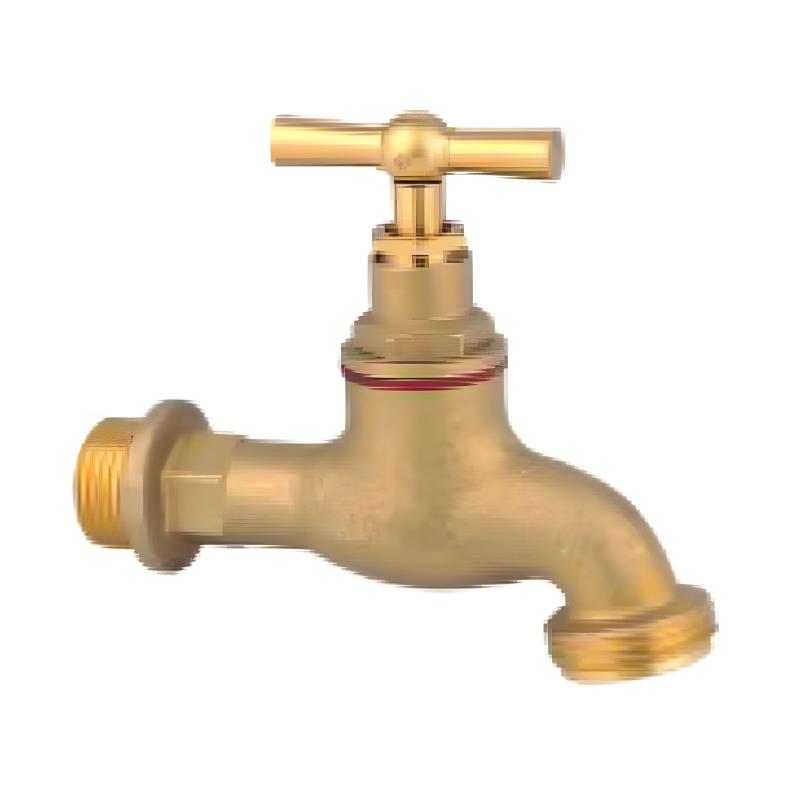
Understanding the Design of a Bibcock Valve
The design of a Bibcock Valve is simple yet effective. It typically consists of a spout that extends outward, allowing easy access to the water flow. The valve itself operates by turning a handle or knob, which opens or closes the water flow. The handle controls the valve's mechanism, making it easy to stop or allow water to flow through the pipe. The most common feature of a Bibcock Valve is its ability to be mounted on an exterior wall, offering convenience for outdoor water usage, such as in gardens, yards, or for washing purposes.
Why Choose a Bibcock Valve?
One of the primary reasons homeowners and businesses prefer a Bibcock Valve over other types of valves is its durability and ease of use. Unlike traditional faucets, a Bibcock Valve is designed to withstand outdoor elements, including temperature changes, exposure to moisture, and occasional rough handling. These valves are also less likely to freeze in colder climates, making them ideal for outdoor installations. Furthermore, the valve’s mechanism allows users to control water flow without having to twist or turn the faucet repeatedly.
Installing a Bibcock Valve
Installing a Bibcock Valve is straightforward and can be done with basic plumbing knowledge. Typically, the valve is attached to the water supply pipe with either a threaded connection or a soldered fitting. Once installed, the Bibcock Valve provides an easy-to-use control point for water flow, especially when connecting hoses for irrigation or cleaning. For best results, it’s important to use a high-quality valve to prevent leaks or other issues after installation.
Preventing Leaks with a Bibcock Valve
One of the key advantages of a Bibcock Valve is its ability to prevent leaks. When used correctly, the valve tightly seals off water flow when turned off, minimizing the risk of leakage. This feature is essential in outdoor plumbing systems, where leaks can quickly result in water wastage or damage to the surrounding environment. Regular maintenance, such as cleaning the valve and checking for corrosion, can help maintain its leak-proof capabilities.
Types of Bibcock Valves
There are several types of Bibcock Valves available, each designed to meet specific plumbing needs. The most common types include:
Straight Bibcock Valve – This is the most basic version, with a simple design ideal for basic outdoor water control.
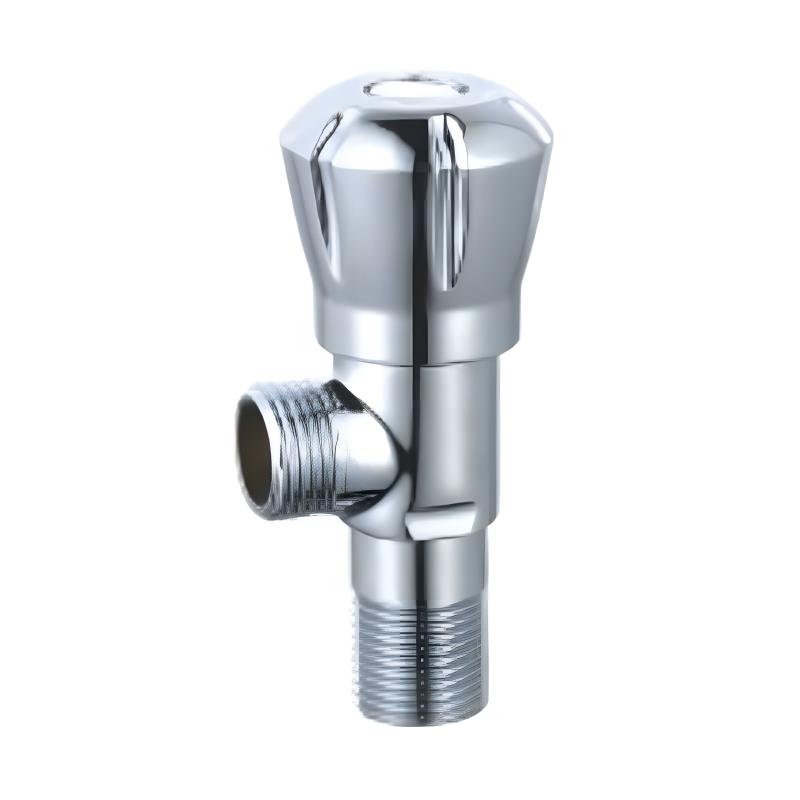
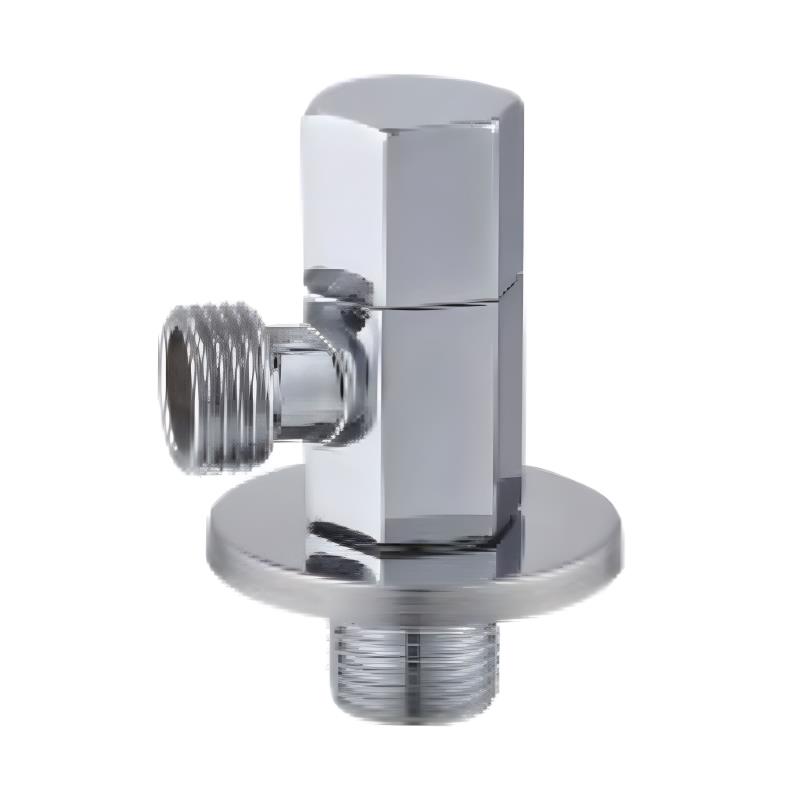
Angle Bibcock Valve – This type features an angled spout, making it easier to fit in tight spaces or for specific installation needs.
Anti-Siphon Bibcock Valve – This version includes a backflow prevention feature to protect against contamination from the water supply.
Frost-Proof Bibcock Valve – Designed for colder climates, this valve prevents freezing by allowing water to drain from the valve when not in use.
Benefits of Using a Bibcock Valve
The Bibcock Valve offers several practical benefits, especially in residential and commercial applications. For homeowners, it’s an easy-to-install and reliable option for controlling water flow to outdoor areas. For businesses and contractors, the valve’s durability and versatility make it a go-to choice for irrigation systems, outdoor cleaning, and maintenance tasks. Its resistance to outdoor conditions makes it a long-lasting investment for any plumbing setup.
Maintaining a Bibcock Valve
To keep your Bibcock Valve in good working order, routine maintenance is essential. Regularly check for signs of wear, such as rust or corrosion, and replace washers if needed. Additionally, make sure the valve is properly sealed when closed to prevent leaks. If the valve is exposed to freezing temperatures, make sure it is a frost-proof model or drain it before the weather turns cold to prevent damage.