+86-13989680588
 graylin@hongjiavalve.com
 Get a quote

 English
 русский
 Deutsch
Submit feedback
Bibcock Valve for Outdoor and Industrial Water Control
Author: Hongjia
Date: Mar 20, 2026
Definition and Primary Function
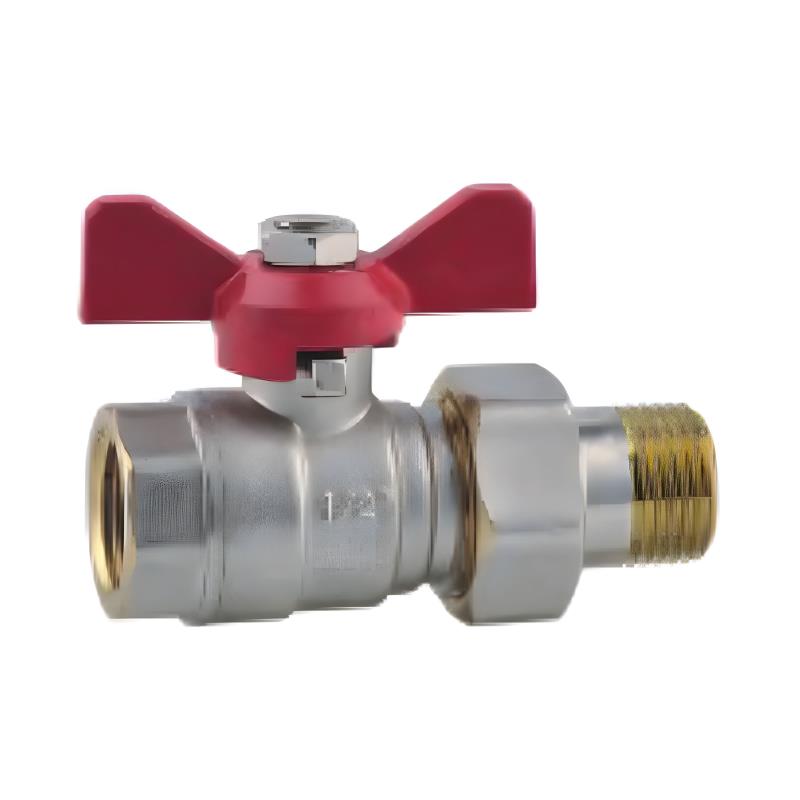
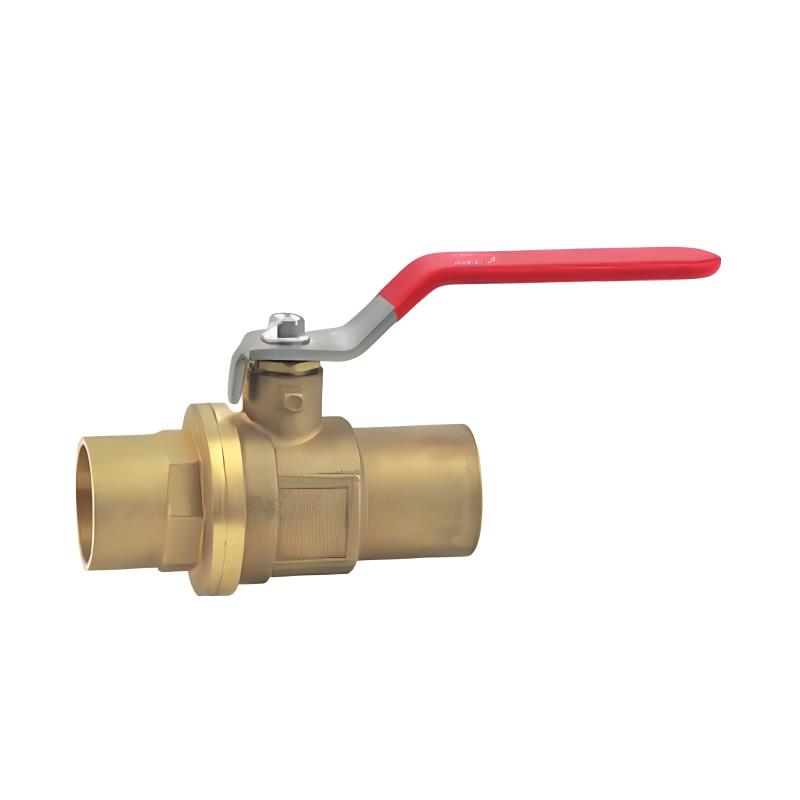
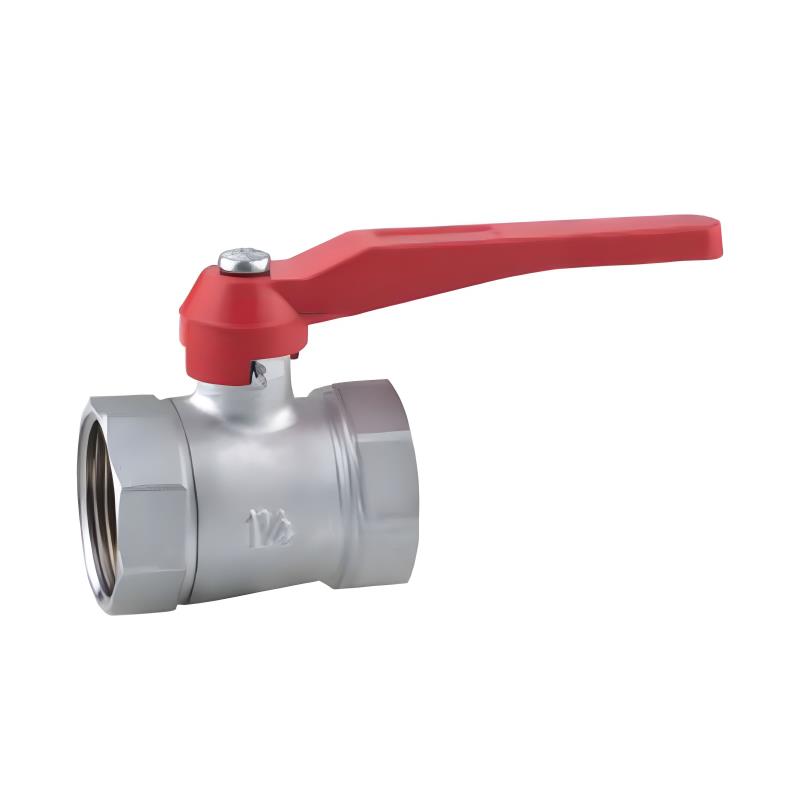
A bibcock valve is a manual water control device designed to regulate the flow of water from a pipeline to an external outlet. Widely used in residential gardens, industrial sites, and agricultural irrigation systems, the bibcock valve provides simple and reliable water management. It is often installed on outdoor walls or utility areas where easy access and control are needed.
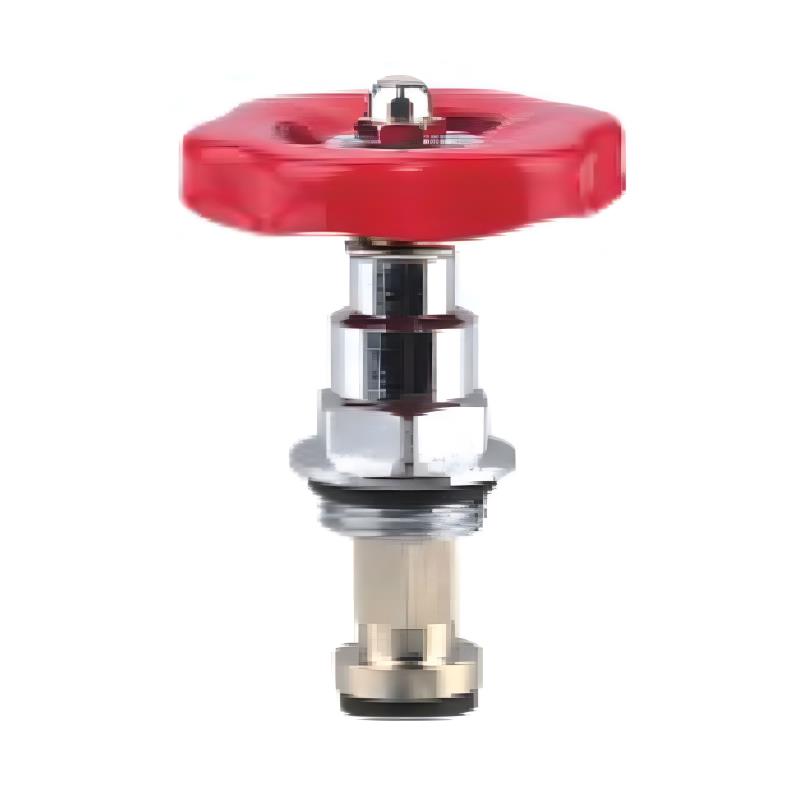
The main purpose of a bibcock valve is to allow quick on-off control of water. With a rotating handle or lever, users can start or stop water flow efficiently. Its compact design makes installation straightforward and cost-effective, and it is compatible with standard hose fittings.
How a Bibcock Valve Works
The operation of a bibcock valve is based on a screw-down mechanism. Rotating the handle moves an internal spindle, which presses a sealing washer or ceramic disc against the valve seat. When the valve is fully closed, the seal stops water flow completely.
This simple mechanical principle ensures reliable operation and minimal maintenance. The design allows for smooth flow regulation while reducing the risk of internal wear. Threaded outlets on the bibcock valve make it easy to connect hoses, irrigation systems, or other water accessories.
Materials and Construction
Bibcock valves are commonly manufactured from brass, stainless steel, or reinforced plastic. Brass is widely favored for its corrosion resistance, mechanical strength, and durability. Stainless steel variants offer enhanced longevity in harsh environments, while plastic bibcock valves provide an affordable and lightweight alternative for low-pressure applications.
Surface finishing, such as chrome plating or nickel coating, further improves corrosion resistance and provides a visually appealing appearance. High-precision machining ensures smooth thread alignment and accurate sealing, contributing to the long-term reliability of the bibcock valve.
Applications and Usage Scenarios
Bibcock valves are versatile and used in various settings. In residential areas, they are ideal for garden watering, car washing, and outdoor cleaning. In commercial or industrial contexts, they control water supply for processing equipment, utility sinks, or cooling systems. Agricultural applications include irrigation and water management for crops and livestock.
The ability to operate reliably under varying water pressures and environmental conditions makes the bibcock valve a key component in water distribution systems. Its compact design and ease of use make it suitable for both DIY and professional installations.
Installation and Maintenance
Correct installation is crucial for the performance of a bibcock valve. Pipe threading must be secure, and sealing materials such as PTFE tape are recommended to prevent leakage. Proper alignment reduces stress on the valve body and ensures consistent operation over time.
Routine maintenance includes checking the sealing washer or ceramic disc for wear. A worn washer can be replaced to restore full sealing performance. High-quality bibcock valves are designed to withstand repeated opening and closing without compromising reliability.
Performance and Safety Standards
Modern bibcock valves are engineered to handle residential and industrial water pressures safely. Manufacturers conduct pressure and endurance tests to ensure durability and leak-free operation. Compliance with international standards strengthens product reliability and facilitates export to global markets.
Customization and OEM Services
Professional manufacturers offer OEM and ODM services for bibcock valves. Customizable features include thread sizes, handle designs, surface finishes, and branding options. Prototype development allows clients to verify performance before mass production.
By combining durable materials, precise machining, and quality control, the bibcock valve provides long-term, dependable water management. Its straightforward design, versatility, and robust construction make it an essential component for outdoor, residential, and industrial water systems.