+86-13989680588
 graylin@hongjiavalve.com
 Get a quote

 English
 русский
 Deutsch
Submit feedback
Understanding Connection Efficiency Through a Modern Quick Joint Factory
Author: Hongjia
Date: Mar 25, 2026
Evolution of Rapid Connection Technology
Pipeline systems have evolved from traditional threaded and welded joints to faster and more efficient connection methods. A quick joint factory plays an important role in this transition by producing fittings that allow rapid assembly without compromising safety or durability.
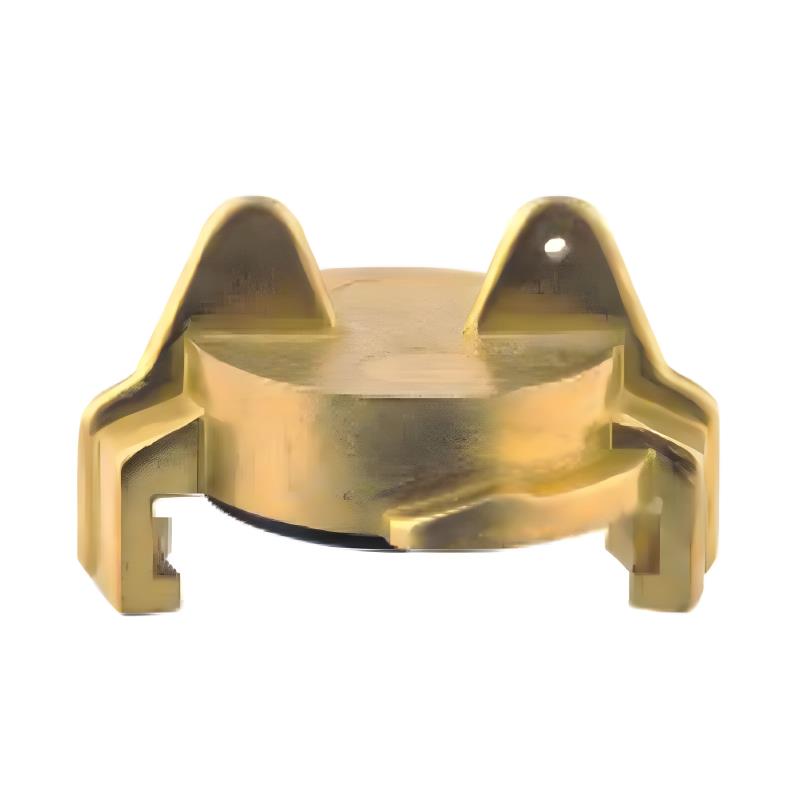
Quick joints are designed to reduce installation complexity. Instead of time-consuming threading or welding, they rely on mechanical locking and internal sealing structures. This innovation significantly improves installation speed in residential plumbing, irrigation systems, and industrial pipelines.
Structural Design Behind Reliable Performance
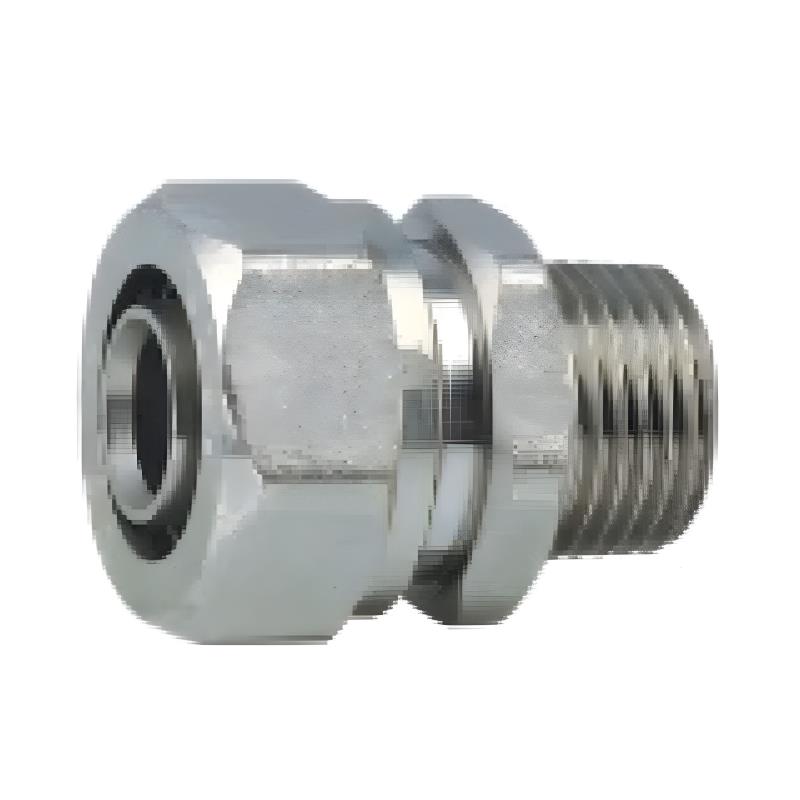
The performance of a quick joint depends on its internal structure. Most designs include a locking sleeve, gripping teeth, a sealing ring, and a reinforced outer body. When a pipe is inserted, the locking system secures the pipe firmly while the sealing ring prevents leakage.
A professional quick joint factory carefully engineers dimensional tolerances to ensure proper fit. Precision design reduces vibration impact and maintains stable pressure resistance. The structural balance between flexibility and rigidity determines long-term reliability.
Sealing Mechanisms and Leak Prevention
Sealing performance is the core function of any quick connection system. High-quality sealing rings, often made from EPDM or other durable elastomers, create tight contact between the pipe and fitting.
A dependable, quick joint factory evaluates sealing materials under different temperature and pressure conditions. Resistance to aging, chemical exposure, and repeated connection cycles ensures consistent performance. Effective sealing not only prevents leakage but also protects surrounding equipment and infrastructure.
Material Selection and Environmental Adaptation
Different working environments require specific material choices. Brass and stainless steel quick joints are commonly used for water supply and industrial fluid systems because of their corrosion resistance and mechanical strength. Engineering plastics are suitable for lightweight or specialized chemical applications.
A specialized quick joint factory selects materials according to pressure ratings, temperature range, and media compatibility. Proper material engineering enhances durability and supports long service life across diverse applications.
Application Fields Across Industries
Products manufactured by a quick joint factory are widely applied in municipal water systems, agricultural irrigation networks, compressed air systems, automotive assembly lines, and HVAC installations. Their ability to simplify maintenance and reduce downtime makes them valuable in both new construction and system upgrades.
In irrigation systems, quick joints enable fast hose replacement and seasonal adjustments. In industrial settings, they allow efficient pipeline assembly during equipment installation or relocation. The adaptability of quick joint technology supports growing infrastructure demands worldwide.
Quality Control and Performance Verification
To ensure stable operation, a responsible, quick joint factory implements comprehensive inspection procedures. Dimensional measurement verifies machining accuracy. Pressure testing confirms sealing integrity under operational loads. Pull-out tests evaluate locking strength.
Repeated connection cycle testing simulates long-term usage. Temperature resistance tests and corrosion assessments further validate durability. Through systematic quality control, a quick joint factory ensures consistent performance across production batches.
Customization and System Compatibility
Modern piping systems vary in standards and technical requirements. A flexible quick joint factory offers customization options such as different connection diameters, thread standards, pressure ratings, and sealing materials.
Customized solutions support compatibility with regional pipeline standards and specialized equipment. Engineering teams can adjust structural parameters to meet specific project needs, ensuring optimal system integration.
Installation Efficiency and Maintenance Benefits
One of the most significant advantages of quick joint technology is reduced installation time. Contractors and technicians can connect pipelines quickly, minimizing labor costs and project timelines.
Maintenance also becomes simpler. When replacement or modification is required, components can be disconnected without damaging surrounding pipes. A well-designed quick joint factory focuses on a user-friendly structure to enhance operational convenience.