+86-13989680588
 graylin@hongjiavalve.com
 Get a quote

 English
 русский
 Deutsch
Submit feedback
PP R Insert for Reliable Piping Connections
Author: Hongjia
Date: Mar 13, 2026
Essential Component in PPR Piping Systems
Polypropylene random copolymer piping systems are widely used in residential plumbing, hot and cold water supply, and industrial fluid transportation. Within these systems, the PP-R Insert serves as a critical reinforcement and connection element that enhances joint strength and durability. It is typically embedded inside plastic fittings to provide threaded or metal-supported interfaces for secure pipe connections.
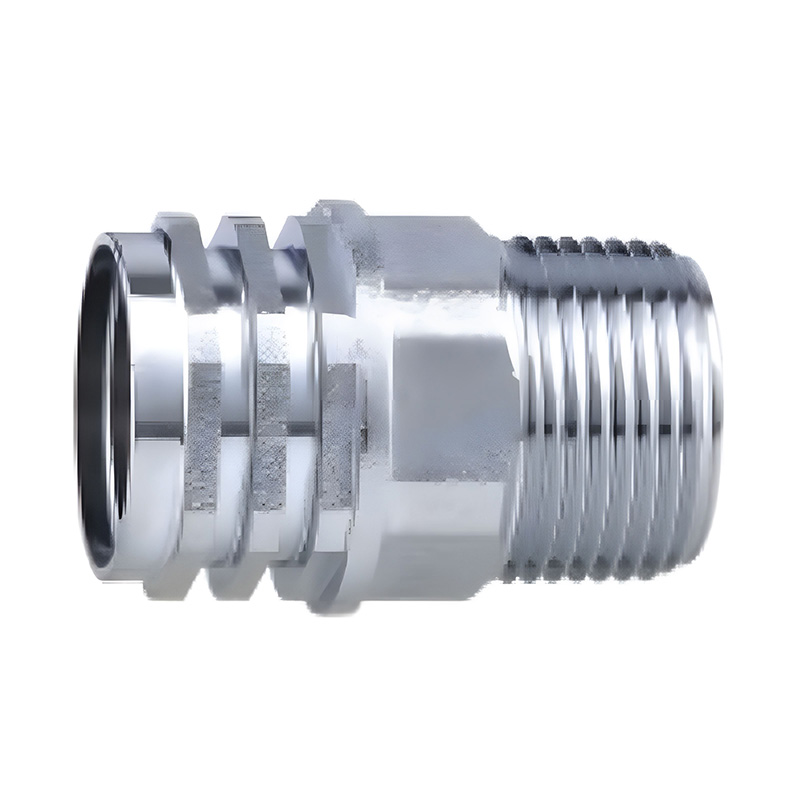
As modern plumbing systems demand higher pressure resistance and longer service life, the PP-R Insert ensures stable mechanical support at connection points. Its integration prevents deformation of plastic threads and improves structural reliability under thermal expansion conditions.
Structural Function and Connection Stability
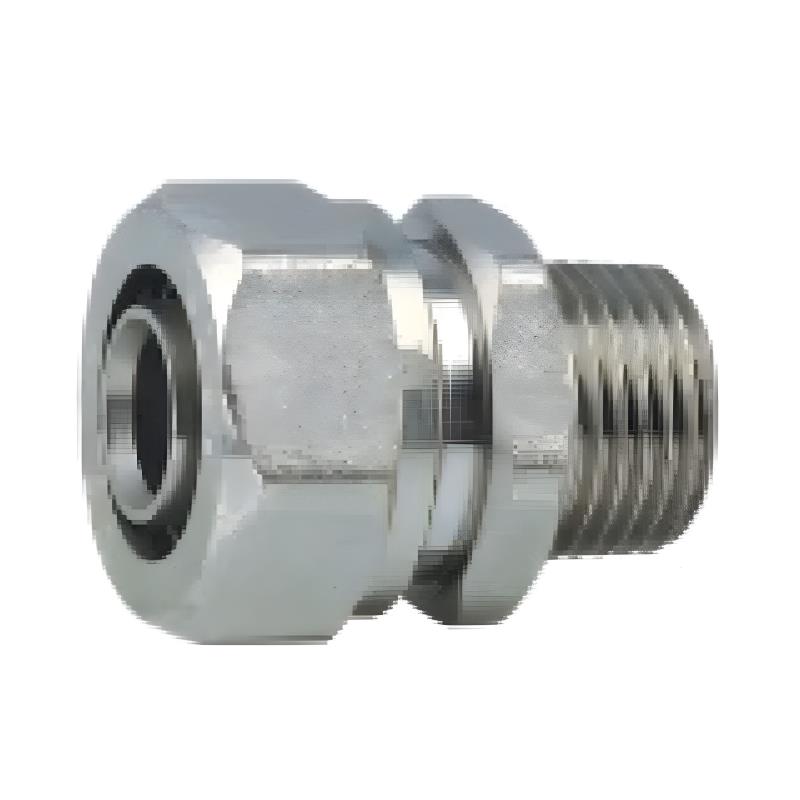
The PP-R Insert is commonly designed with internal or external metal threads, allowing strong coupling with valves, faucets, and other pipeline accessories. By combining metal strength with plastic flexibility, the PP-R Insert creates a balanced joint structure that withstands pressure fluctuations and temperature variation.
Proper installation of the PP-R Insert reduces leakage risks and enhances overall pipeline stability. The insert reinforces areas where stress concentration typically occurs, preventing cracking or thread damage during repeated assembly and disassembly. This structural enhancement supports long-term system integrity.
Material Composition and Performance Advantages
Most PP-R Insert components are manufactured from brass or stainless steel to provide corrosion resistance and mechanical strength. These metal cores are precisely embedded into polypropylene fittings during injection molding processes. The PP-R Insert must maintain tight bonding between metal and plastic to prevent loosening during operation.
High-quality materials ensure that the PP-R Insert resists scaling, oxidation, and chemical exposure in water systems. Brass inserts are particularly popular due to their machinability and compatibility with plumbing threads. Stainless steel options provide additional durability in high-corrosion environments.
Manufacturing Process and Quality Control
Production of PP-R Insert components requires precision machining of metal threads combined with accurate molding integration. CNC machining ensures consistent thread dimensions and smooth finishing. During injection molding, the metal insert is securely fixed within the plastic fitting body to maintain alignment and bonding strength.
Each PP-R Insert undergoes dimensional inspection, thread gauge testing, and pull-out strength verification. Pressure testing is also performed to confirm sealing integrity under operational load. Strict quality control procedures ensure compatibility with international plumbing standards and long-term reliability.
Application Areas and Industry Demand
The PP-R Insert is widely used in residential plumbing systems, commercial buildings, heating installations, and industrial water supply networks. It enables secure connections between plastic piping and metal accessories such as valves, meters, and pumps.
With increasing demand for durable and leak-proof piping systems, the PP-R Insert plays an important role in maintaining safe water distribution. Its reinforced structure supports high-pressure performance and reduces maintenance frequency.
Customization and OEM Solutions
Different piping standards require varied thread specifications and insert dimensions. Manufacturers offer customized PP-R Insert solutions based on regional standards and project requirements. OEM services may include special thread types, anti-corrosion coatings, and branded marking.
Through advanced machining, precise molding integration, and systematic quality management, the PP-R Insert provides dependable mechanical reinforcement within PPR piping systems. Its combination of metal strength and polymer compatibility supports efficient installation and long-term operational stability in diverse water supply applications.