+86-13989680588
 graylin@hongjiavalve.com
 Get a quote

 English
 русский
 Deutsch
Submit feedback
The Utility and Design of a Bibcock Valve
Author: Hongjia
Date: Feb 20, 2026
Defining the Standard Outdoor Faucet
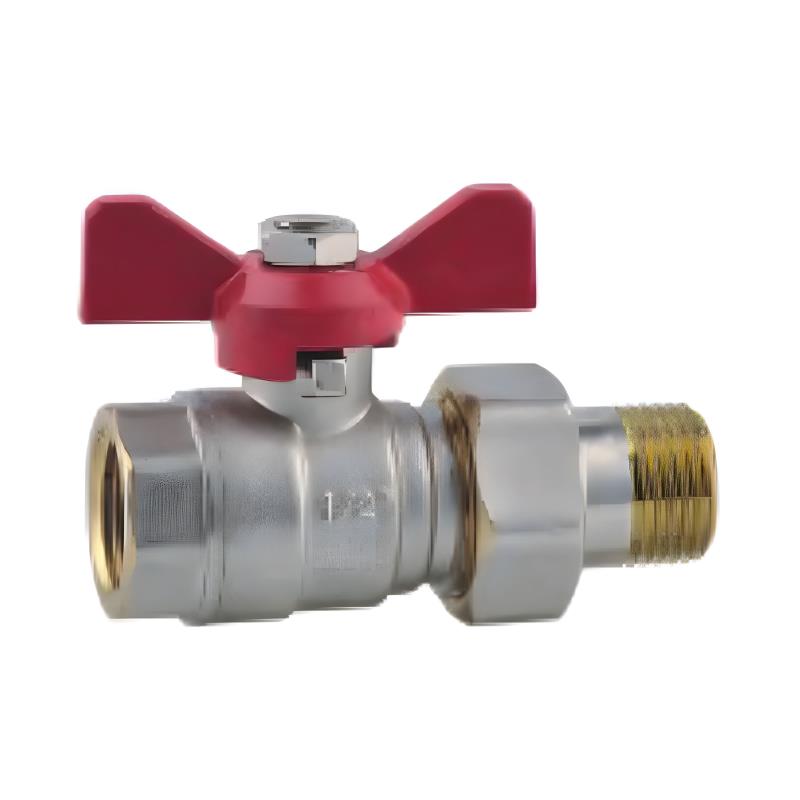
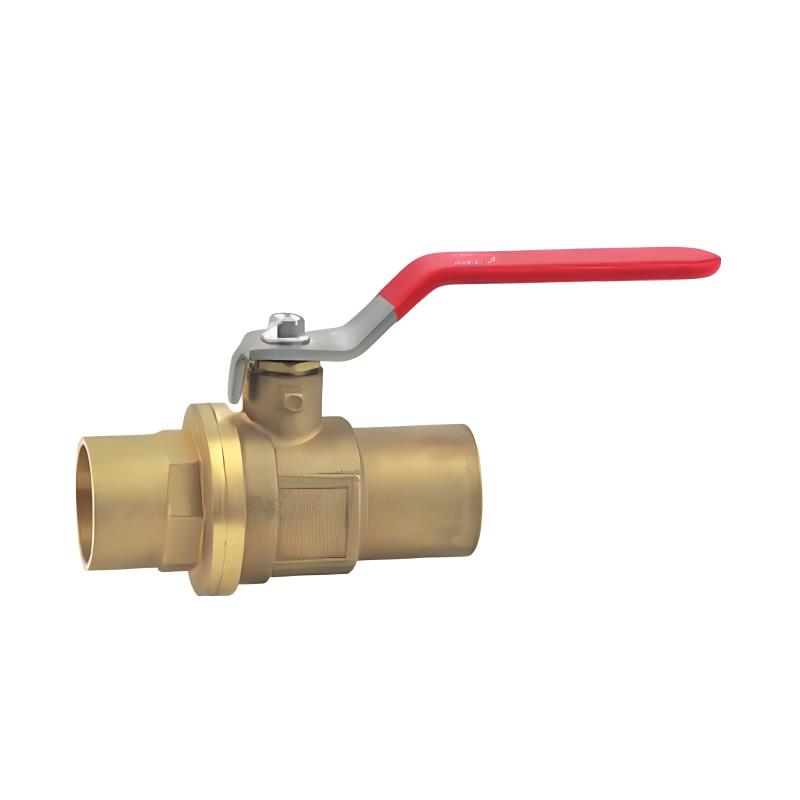
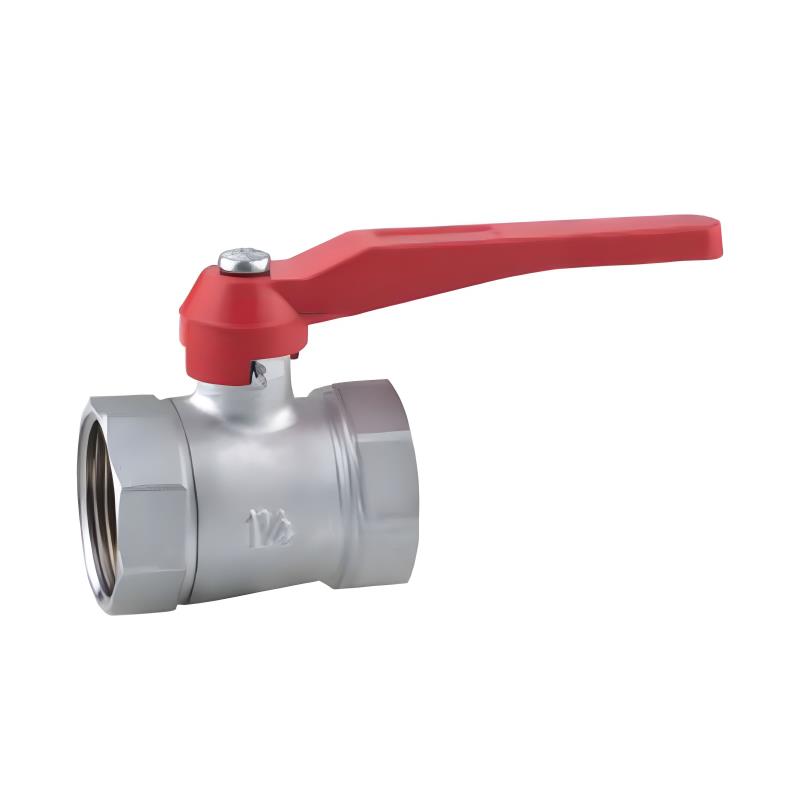
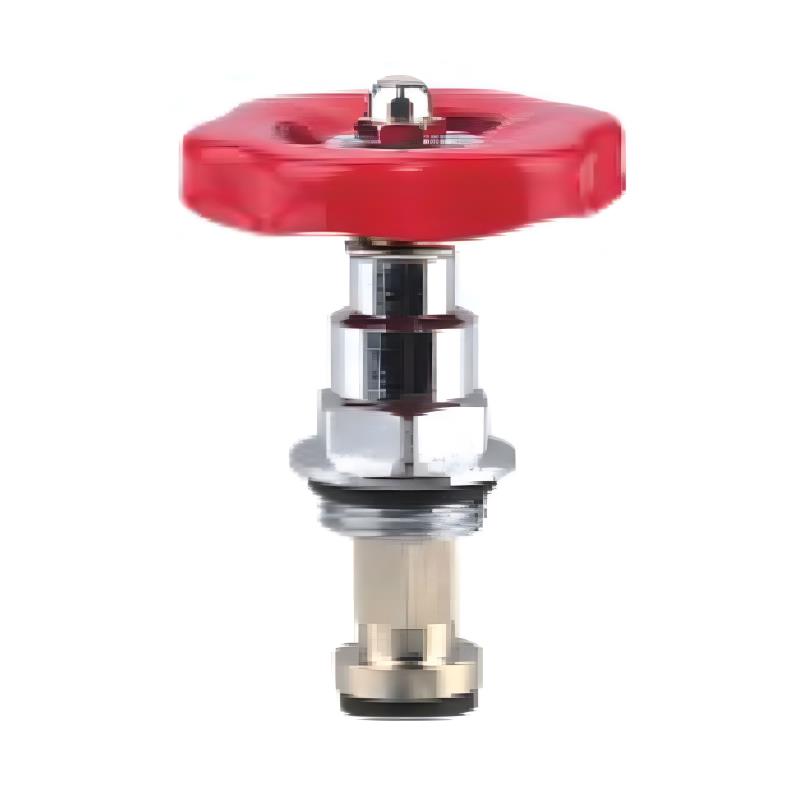
A bibcock valve, commonly known as a hose bib, sillcock, or outdoor faucet, is a fundamental plumbing fixture designed to provide controlled water access on the exterior of buildings. Its primary function is to supply water for gardening, cleaning, and other outdoor tasks while incorporating features to prevent freezing and backflow in temperate climates. The classic design involves a threaded spout to connect a garden hose and a simple hand-operated wheel or lever handle that actuates a stem to open or close an internal washer against a seat. The widespread use and exposure of the bibcock valve to environmental elements necessitate a design focused on durability, ease of operation, and seasonal protection. Its apparent simplicity belies the specific engineering considerations required for reliable long-term service.
Key Design Features for Durability and Freeze Resistance
The design of a frost-proof bibcock valve is a critical evolution for colder regions. Unlike a standard faucet, a frost-proof model incorporates a long stem that places the actual valve seat and washer assembly several inches inside the heated building envelope. When the handle is turned off, water drains out of the exterior portion of the bib, leaving the section exposed to freezing temperatures empty and preventing pipe bursts. The bibcock valve typically includes an integrated vacuum breaker or anti-siphon device at the threaded spout. This is a one-way check valve that prevents contaminated water from being siphoned back into the potable water supply if a sudden pressure drop occurs—a crucial code requirement for outdoor outlets to protect public health.
Material Selection and Construction Standards
The longevity of a bibcock valve is heavily dependent on its construction materials. Traditional models are made from cast brass or forged brass for superior corrosion resistance and strength. Critical internal components include a durable rubber or polymer washer for sealing and a brass or stainless-steel stem. Lower-cost variants may use chrome-plated zinc, which is less durable. High-quality models feature replaceable stem assemblies and washers, facilitating easy repair without replacing the entire unit. The materials must comply with potable water standards, such as being lead-free, ensuring the water drawn for gardening or other uses is not contaminated by the fixture itself. A robust bibcock valve is designed to withstand years of exposure to sun, rain, and physical use without failure.
Installation Considerations and Proper Maintenance
Correct installation is vital for a bibcock valve to function as designed, especially for frost-proof models. It must be installed with a slight downward pitch toward the exterior to ensure complete drainage when shut off. The interior shut-off valve for that line, used to isolate and drain the bib for winter, must be accessible. Maintenance is generally straightforward but important. Periodically checking for leaks around the handle stem (indicating a worn packing washer) and at the spout (indicating a worn seat washer) allows for minor repairs before major water damage occurs. In autumn, disconnecting hoses and ensuring the interior valve is closed, and the line drained,d is essential for frost-proof models in freezing climates to achieve their intended protection.
Application and Versatility in Residential and Commercial Settings
The bibcock valve is ubiquitous in residential, commercial, and institutional settings. Beyond the standard garden hose connection, it serves as a vital water source for window washers, groundskeepers, and fire department connections in some areas. Different styles exist to suit various needs: heavy-duty commercial models with longer stems for thick walls, tamper-proof versions for public buildings, and quarter-turn ball valve designs for faster operation. Its universal design makes it an indispensable and standardized point of interface between a building's pressurized water system and countless external water-using activities, embodying a successful fusion of practical utility, protective engineering, and code-mandated safety in a single, essential fixture.