+86-13989680588
 graylin@hongjiavalve.com
 Get a quote

 English
 русский
 Deutsch
Submit feedback
Function and Integration of a Diversity Water Device Valve
Author: Hongjia
Date: Feb 13, 2026
Defining the Role in System Management
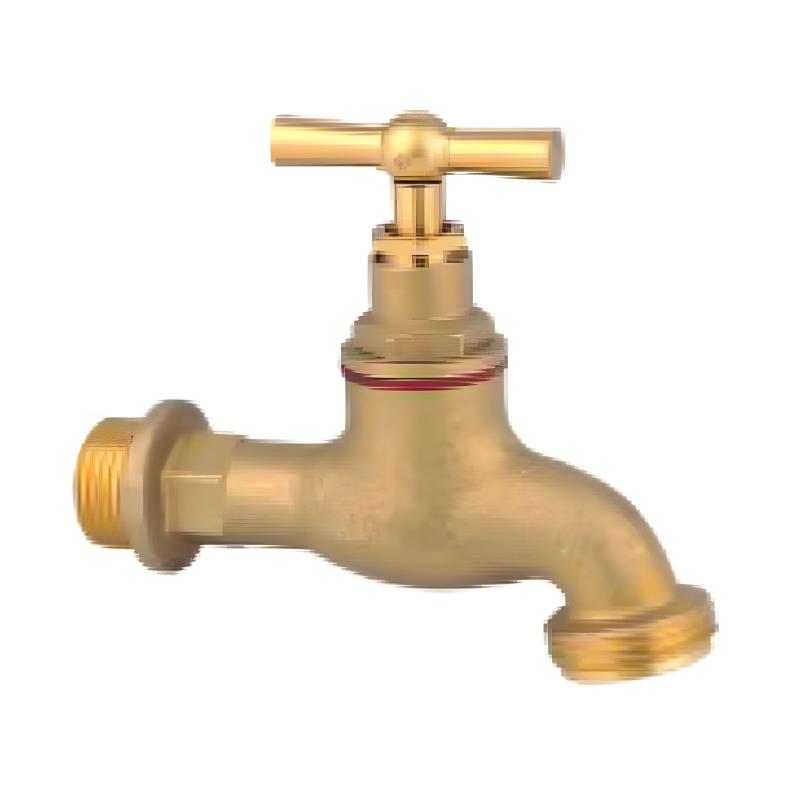
A diversity water device valve is a specialized control component engineered to manage flow distribution, pressure, or water quality in complex plumbing, irrigation, or industrial water systems characterized by varied usage patterns. The term "diversity" refers to the simultaneous or sequential demand from multiple, different outlets or processes. This valve acts as an orchestrator, ensuring stable performance despite fluctuating demands. It is not a single standard valve type but a functional category that could encompass pressure-balancing valves, flow limiters, multi-port selector valves, or smart mixing valves. Its core purpose within a diversity water device assembly is to maintain system equilibrium, prevent pressure drops or surges, and optimize water usage across diverse points of consumption.
Key Operational Principles and Configurations
The operation of a diversity water device valve depends on its specific design goal. A common principle is pressure compensation. In a multi-outlet system (e.g., a commercial building with simultaneous toilet flushes, sink use, and shower demands), a pressure-balancing valve modulates to maintain a stable outlet pressure, ensuring a consistent flow at each point regardless of activity elsewhere. Another principle is flow prioritization, where the valve directs water preferentially to critical processes. In integrated systems, a diversity water device valve may be electronically actuated, receiving signals from sensors to dynamically adjust settings based on real-time usage data, temperature, or water quality parameters, moving beyond simple mechanical regulation to active system management.
Integration within Broader Water Management Systems
The true value of a diversity water device valve is realized through its integration into a holistic water management strategy. It is a critical node within a larger diversity water device, which may include filters, pumps, sensors, and controllers. For instance, in a greywater recycling system, a multi-port diverter valve directs water either to drain or to the treatment tank based on quality sensors. In large-scale irrigation, zoning valves activate different sections sequentially based on a programmed schedule, managing diverse landscape needs. The valve's design must account for compatibility with other system components—materials must resist corrosion from various water sources, and its actuation method (manual, hydraulic, electric) must align with the overall control architecture.
Material and Design Considerations for Reliability
Given its role in managing system-critical flows, the reliability of a diversity water device valve is paramount. Material selection is dictated by the water chemistry: brass or bronze for potable water, stainless steel for aggressive or industrial water, and certified plastics for chemical compatibility. The internal mechanism—whether a diaphragm, piston, ball, or ceramic disk—must be designed for smooth operation over thousands of cycles without fouling from sediments or mineral deposits common in water systems. Redundancy or fail-safe modes (e.g., defaulting to a safe position on power loss) are often incorporated into the design of a sophisticated diversity water device valve to prevent system failure in critical applications like healthcare or data center cooling.
Impact on Efficiency, Conservation, and System Longevity
Strategically deploying a diversity water device valve contributes directly to operational efficiency and water conservation. By preventing pressure imbalances, it reduces water waste from over-pressure and improves user comfort. By enabling precise zoning and scheduling, it minimizes unnecessary water use. In recirculating systems, it helps maintain design flow rates, ensuring pumps operate efficiently and preventing stagnation. This intelligent management reduces mechanical stress on pumps and pipes, lowering maintenance costs and extending the overall system's lifespan. Therefore, the diversity water device valve transcends being a mere fitting; it is an enabling technology for building resilient, efficient, and sustainable water distribution networks that intelligently adapt to complex, variable demand.