+86-13989680588
 graylin@hongjiavalve.com
 Get a quote

 English
 русский
 Deutsch
Submit feedback
Operational Mechanics of a Quick Joint Factory
Author: Hongjia
Date: Feb 24, 2026
Defining the Core Product Spectrum
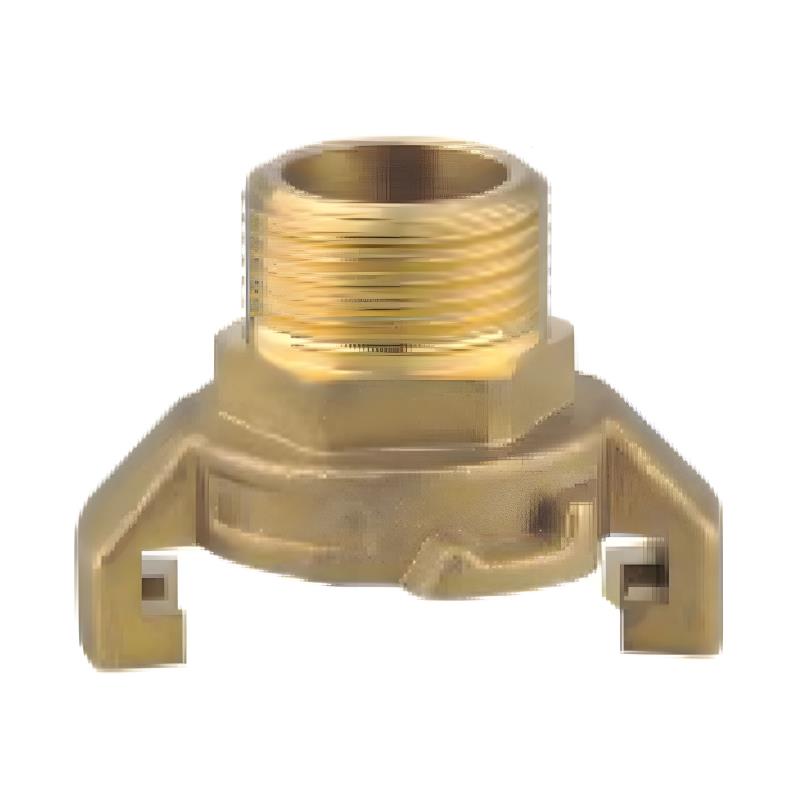
A quick joint factory specializes in the mass production of fluid coupling devices designed to enable fast, tool-free connection and disconnection of hoses, pipes, and tubing in various industries. These are not standard threaded fittings but engineered systems that typically employ a push-to-connect, cam-lock, or quick-disconnect mechanism. The product range from a quick joint factory is vast, encompassing simple plastic couplings for low-pressure garden hoses to precision-machined, valved stainless steel quick disconnects for high-pressure hydraulic systems, pharmaceutical fluid transfer, or semiconductor manufacturing. The factory's operational focus is on manufacturing components that provide a reliable seal, withstand operational pressure and environmental conditions, and allow for rapid circuit assembly and maintenance, directly impacting end-user efficiency and system downtime.
Precision Manufacturing and Assembly Processes
Production in a quick joint factory hinges on high-precision machining and controlled assembly. For metal joints, CNC machining centers produce intricate bodies, sleeves, and locking collars from brass, stainless steel, or aluminum, with strict tolerances on sealing surfaces and locking features. Plastic components are injection-molded using engineered polymers like POM or nylon. The heart of the joint—the sealing elements (O-rings, gaskets) and internal mechanisms (ball bearings, locking balls, springs)—are sourced or manufactured to exacting standards. Assembly lines are often semi-automated, where components are assembled, lubricated, and functionally tested in sequence. The final product from a quick joint factory is a self-contained, ready-to-use module, requiring no additional parts or complex installation from the user.
Material Science and Performance Validation
Material selection at a quick joint factory is driven by application-specific performance requirements. A joint for agricultural sprayers must resist fertilizers and pesticides, while one for a food processing line requires FDA-approved materials and cleanability. The factory's engineering team selects metals and polymers based on corrosion resistance, pressure rating, temperature range, and fluid compatibility. Performance validation is rigorous. Samples from each production batch undergo pressure cycle testing, impulse testing, and pull-force testing for the locking mechanism. For critical applications, materials are certified, and joints may be tested for particle generation or helium leak rates. This validation process ensures that the output from the quick joint factory meets both the published specifications and the often unspoken reliability demands of field use.
Quality Systems and Industry-Specific Certification
A reputable quick joint factory operates under a certified quality management system. Traceability is key: materials can be traced to their mill certificates, and assembled joints often have batch or serial numbers. The factory must navigate a landscape of industry-specific certifications, which may include ISO standards for general quality, NSF/ANSI for potable water contact, 3-A Sanitary Standards for dairy and food, or compliance with hydraulic institute standards. Achieving and maintaining these certifications requires documented procedures, calibrated test equipment, and regular audits. This structured approach differentiates a professional quick joint factory from a generic fittings producer, building trust with OEMs and distributors in regulated industries.
Supply Chain Integration and Customization Capability
The role of a quick joint factory extends beyond standard catalog items to being a solutions provider. It maintains a flexible supply chain to source specialized seals or springs and manages inventory of common components to fulfill orders efficiently. A significant value-add is customization. The factory often provides OEM services, modifying standard designs with specific thread types, port configurations, colors, or branding. For large-scale industrial clients, engineers from the quick joint factory may collaborate on designing a custom coupling for a unique machine. This ability to produce high volumes of standard parts while also executing smaller runs of specialized, application-engineered solutions allows the factory to serve diverse markets, from automotive and aerospace test benches to mobile irrigation and industrial fluid handling systems.