+86-13989680588
 graylin@hongjiavalve.com
 Get a quote

 English
 русский
 Deutsch
Submit feedback
What Makes HVAC Brass Fittings Easy To Install
Author: Hongjia
Date: Jul 07, 2026
Heating and cooling systems are assembled from many connected parts, and every connection influences how smoothly installation progresses. Pipe layout, available working space, and component matching all affect the pace of assembly, although fitting design often receives less attention until installation begins.
An installer working inside a narrow ceiling space or beside an equipment cabinet usually has limited room for adjustment. A fitting that aligns easily with nearby pipes can shorten repeated positioning, while one requiring frequent correction may interrupt the installation process. Small differences become more noticeable as more connections are completed.
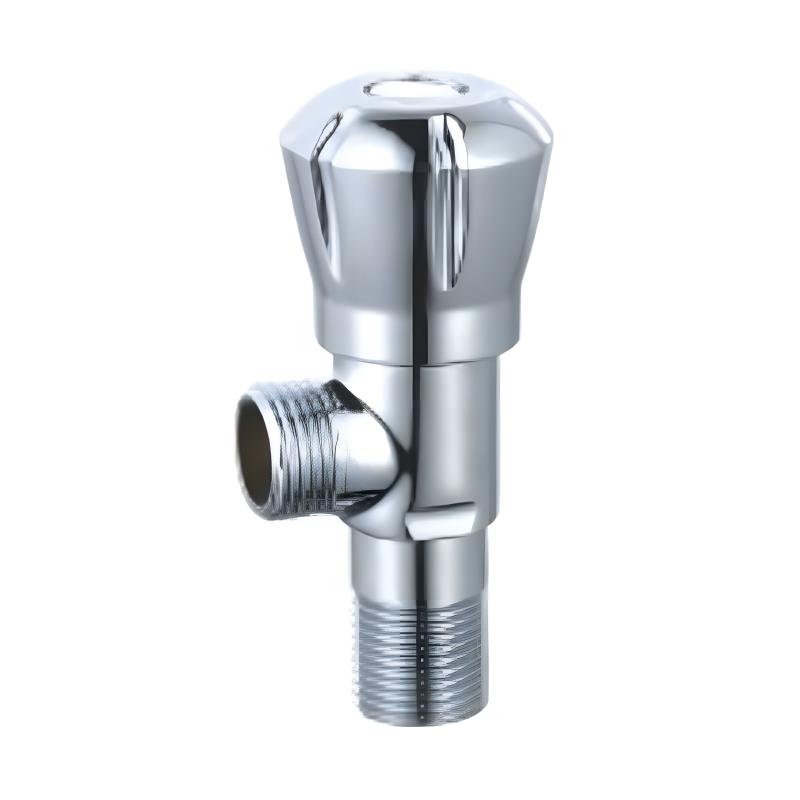
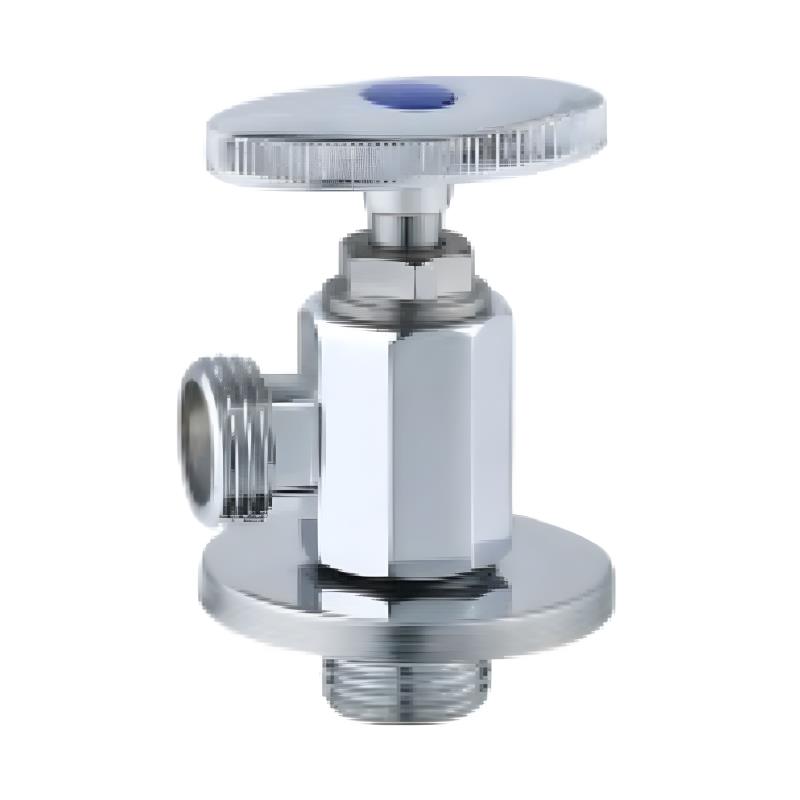
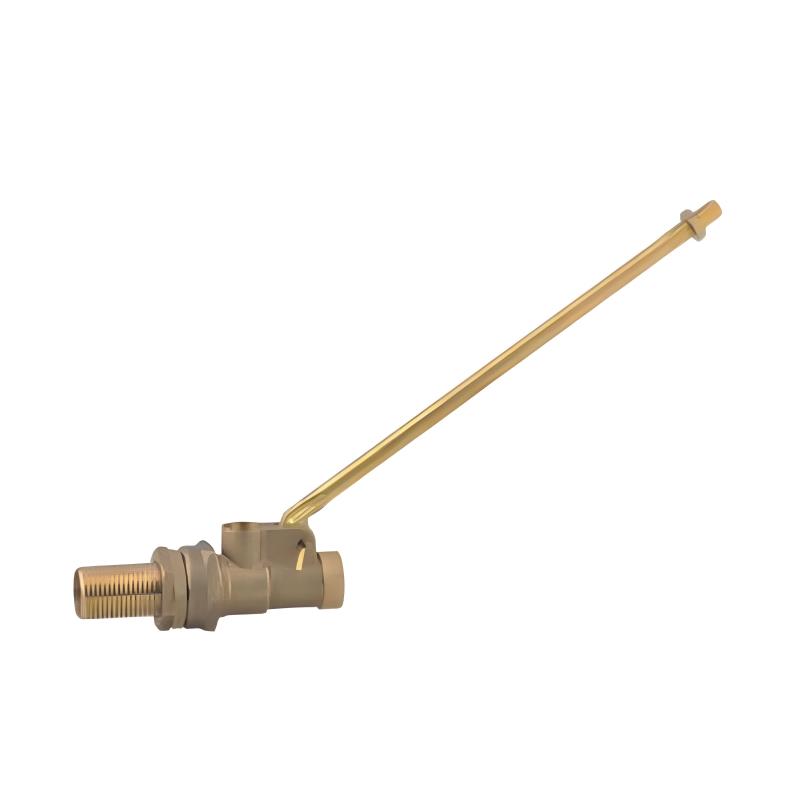
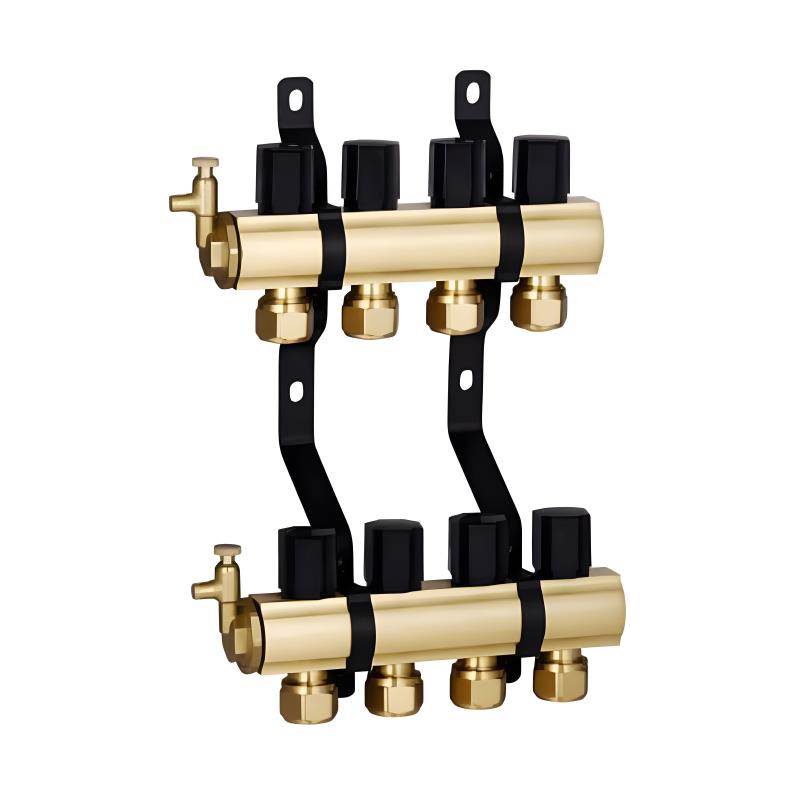
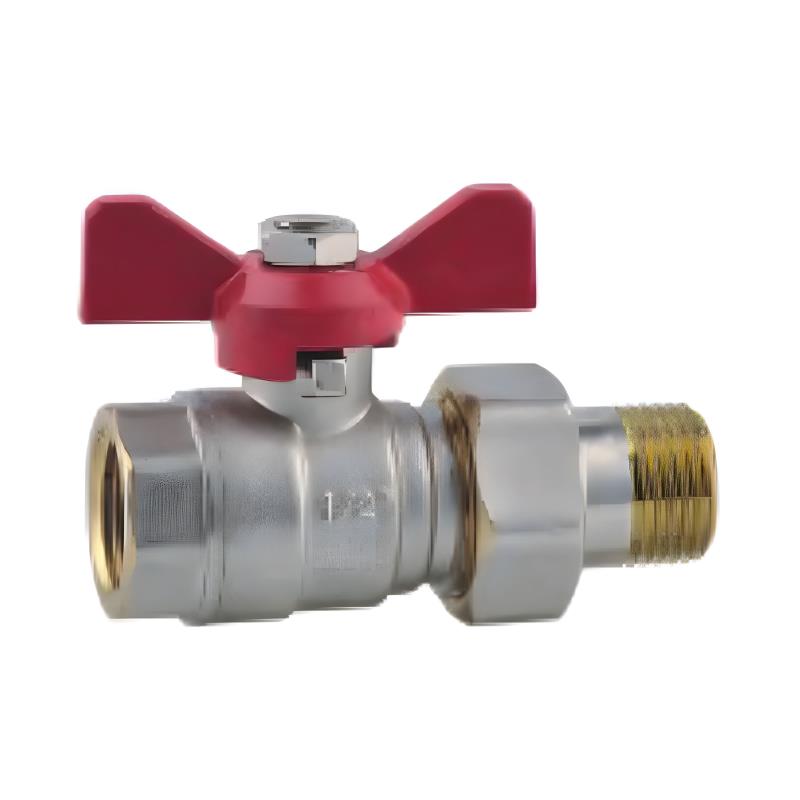
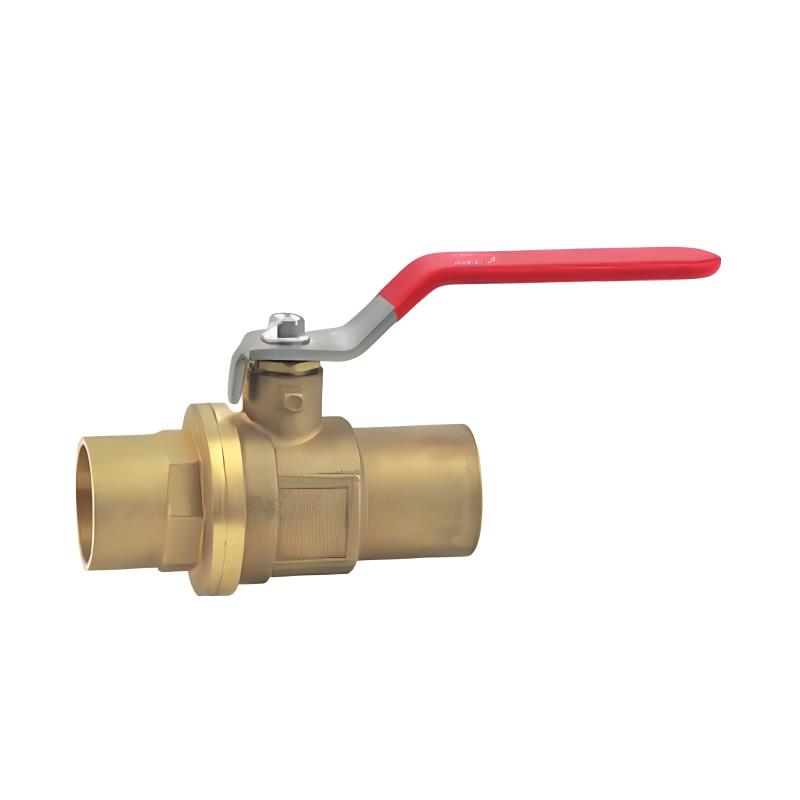
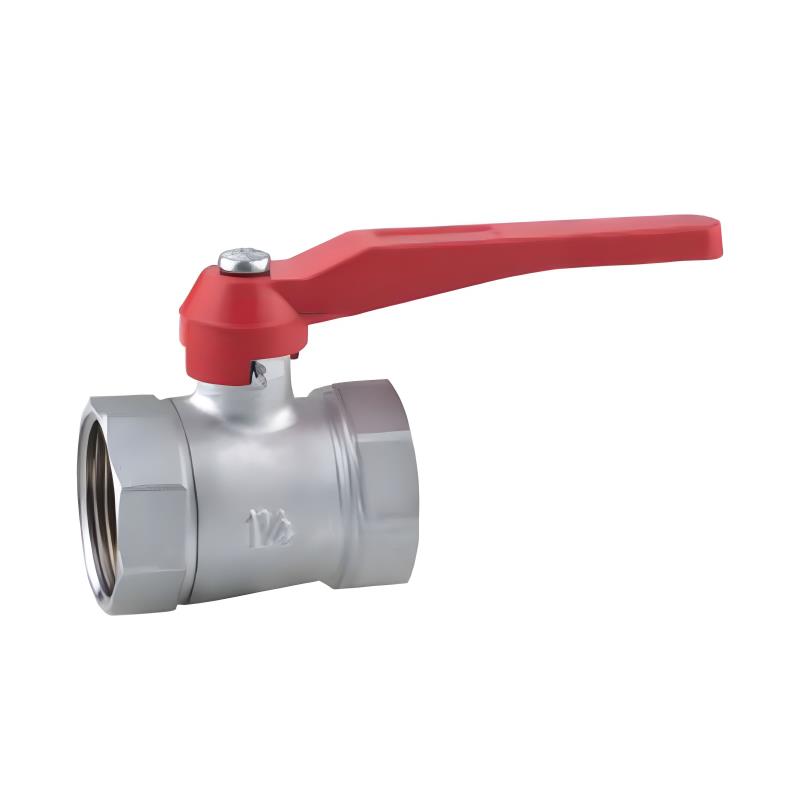
For that reason, HVAC Brass Fittings are often selected not only because of their material, but also because they fit common connection layouts used in heating and cooling systems. Shape, dimensional consistency, thread quality, and surface finish all contribute to a smoother installation experience.
Easy installation does not depend on one single feature. It comes from many practical details working together, allowing each connection to be completed with fewer unnecessary adjustments.
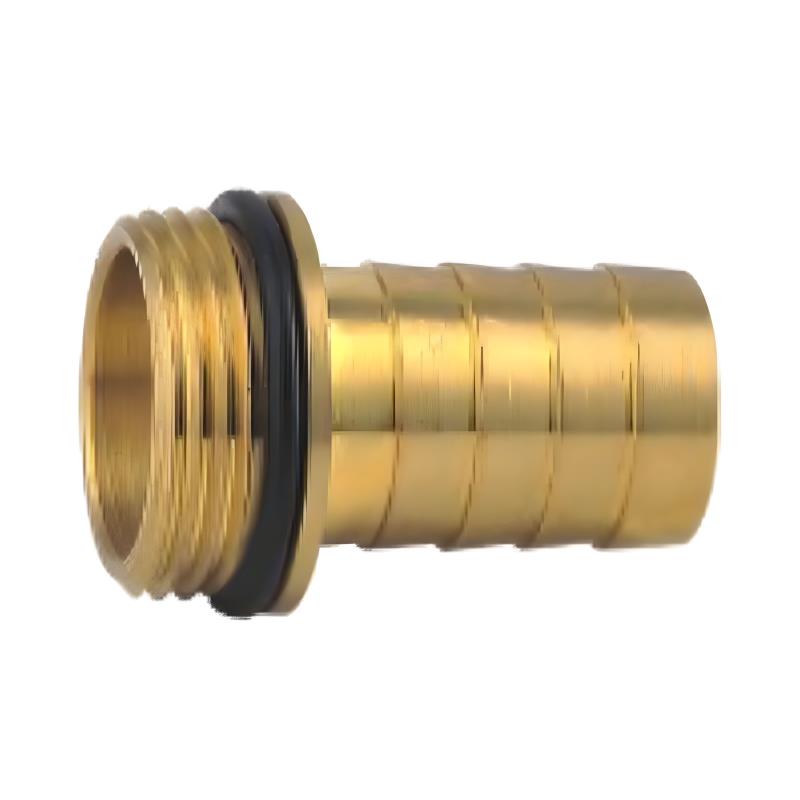
Why Does Fitting Design Influence Installation Efficiency
Every installer develops individual working habits, although nearly everyone benefits from fittings that are straightforward to position. During pipe assembly, both hands are often occupied while surrounding equipment limits movement. A fitting that naturally aligns with another component reduces time spent correcting its position before tightening begins.
Shape is one of those details that quietly affects daily work. Straight edges, balanced proportions, and comfortable surfaces make a fitting easier to hold while threading begins. Even a small improvement in handling becomes noticeable when several connections are completed one after another.
Working inside equipment rooms presents another practical situation. Pipe routes often pass close to walls, support frames, or neighboring components. Limited clearance means large hand movements are difficult, making compact fittings easier to install without repeatedly changing body position.
Dimensional consistency is equally valuable. When every fitting follows similar manufacturing dimensions, alignment becomes more predictable. Installers spend less time comparing parts or making small corrections before assembly.
Several design details contribute to easier handling:
- Smooth external surfaces improve grip during positioning.
- Balanced shape makes rotation easier in confined spaces.
- Consistent dimensions reduce repeated alignment.
- Clearly formed threads help start connections more naturally.
Installation becomes a sequence of small movements rather than repeated correction, making everyday work feel more organized.
How Do Connection Methods Affect Daily Installation
Pipe connections appear simple until installation begins. Threads need to engage smoothly, surrounding pipes need to remain aligned, and enough space must remain for tightening tools. Any mismatch during one stage often affects everything that follows.
Clean threads usually allow fittings to engage with less resistance. When alignment begins correctly, turning remains smoother and less effort is required to reach the final position. Starting at an incorrect angle can damage threads or require the fitting to be removed and installed again.
Another practical consideration involves pipe direction. During replacement work, surrounding components often remain fixed. A fitting that matches existing layouts can simplify maintenance because nearby pipes do not require unnecessary movement.
Several routine habits help maintain smoother installation:
- Clean connection surfaces before assembly.
- Confirm thread compatibility before tightening.
- Keep fittings aligned throughout installation.
- Apply tightening force steadily rather than abruptly.
Simple preparation often prevents interruptions later in the process. Even experienced installers usually spend a few moments checking alignment before making the final connection.
Which Product Details Improve Installation Experience
Attention often turns toward small manufacturing details only after installation starts. Surface finish, machining quality, and dimensional accuracy influence how comfortably fittings handle during everyday work.
Smooth thread formation helps parts engage naturally. Clean surfaces make visual inspection easier before installation. Clearly shaped fittings can also reduce confusion when several similar components are prepared on the same workbench.
A comparison shows how individual details affect practical installation.
| Product Detail | Practical Benefit During Installation |
|---|---|
| Smooth Threads | Easier thread engagement during assembly |
| Consistent Dimensions | Better matching with connecting pipes |
| Clean Surface Finish | Simpler visual inspection before use |
| Clear Shape | Faster identification during installation |
Preparation also becomes easier when similar fittings maintain consistent dimensions from one production batch to another. Installers can work with greater confidence because replacement parts behave much like previous ones, reducing unexpected adjustments during assembly.
Why Is Compatibility Important In HVAC Pipe Systems
A pipe connection rarely works alone. Every fitting becomes part of a longer route that includes valves, pipes, joints, and other connection points. Once one part does not match well, extra adjustment may be needed before installation can continue.
Replacement work often shows this more clearly than new installation. During routine maintenance, only one worn connector may need changing while nearby pipes remain in place. In that situation, a fitting with consistent dimensions is easier to position because surrounding components do not require unnecessary movement.
Space also changes the installation process. Equipment rooms, wall cavities, and ceiling spaces usually provide limited working room. Turning a fitting only a small distance at a time becomes common, making stable alignment more valuable than complicated installation methods.
Compatibility also affects later maintenance. When surrounding parts remain unchanged, future inspection or replacement becomes easier because the original pipe layout can stay largely intact.
Daily installation often becomes smoother when several basic points are checked before assembly:
- Connection size matches nearby components.
- Pipe direction remains unchanged during tightening.
- Enough space is available for normal tool movement.
- Sealing surfaces stay clean before assembly.
Small checks completed before installation usually reduce unnecessary corrections later.
How Does Proper Installation Reduce Later Maintenance
Many maintenance tasks begin with an earlier installation. A connection assembled carefully is often easier to inspect, remove, or replace after long periods of service.
Correct alignment allows connected parts to sit naturally without unnecessary stress. When a fitting is forced into position, surrounding pipes may also shift slightly, making later removal more difficult. A connection assembled with steady movement generally remains easier to service.
Routine inspection becomes simpler when fittings are installed neatly. Connection points remain visible, making visual checks quicker during regular maintenance visits. Cleaning around exposed fittings also requires less effort when surrounding components are arranged in an orderly way.
Several everyday habits help support long-term use:
- Inspect connection areas after installation.
- Remove dust or debris before routine inspection.
- Check fittings whenever nearby maintenance is performed.
- Replace worn parts before visible damage spreads to neighboring connections.
Good maintenance is often built on ordinary habits rather than complicated procedures.
What Should Buyers Consider Before Selecting HVAC Brass Fittings
Selection usually begins with the actual installation environment rather than appearance. Pipe layout, available space, maintenance access, and connection style all influence which fitting is more suitable for a particular project.
Replacement work often requires fittings that match existing pipe arrangements. New installations may provide more flexibility, although consistency between components remains valuable throughout the assembly process.
Ease of maintenance deserves attention as well. A fitting that can be inspected, removed, and replaced without disturbing nearby sections may simplify future servicing.
Product consistency also affects installation. A Brass Fittings Factory that maintains stable production dimensions helps reduce unexpected differences between fittings. Installers spend less time comparing individual parts before assembly, especially when several similar connections are completed during one project.
Instead of focusing on unnecessary features, buyers often pay attention to practical questions.
- Does the fitting match the planned pipe layout?
- Is enough working space available after installation?
- Will future replacement remain convenient?
- Are connection dimensions consistent across different batches?
Answers to those questions usually have a greater influence on installation than appearance alone.
How Everyday Installation Experience Shapes Product Development
Installation methods continue to change as working environments become more varied. Some systems are assembled inside spacious equipment rooms, while others require work inside narrow wall cavities or above suspended ceilings. Practical experience from those situations gradually influences fitting design.
Installers often prefer components that require fewer repeated adjustments during assembly. Comfortable handling, stable alignment, and predictable dimensions make daily work feel more straightforward without changing established installation methods.
An HVAC Brass Fittings product becomes part of a complete piping system rather than an individual component. Shape, connection quality, and compatibility all contribute to how smoothly that system comes together.
Attention to practical details also supports future maintenance. When installation begins with careful fitting selection and proper assembly, later inspection usually becomes more convenient because surrounding pipework remains orderly and accessible.
A fitting does not need a complicated structure to support efficient work. Practical design, consistent manufacturing, and compatibility with surrounding components often provide greater value during everyday installation than unnecessary complexity.