+86-13989680588
 graylin@hongjiavalve.com
 Get a quote

 English
 русский
 Deutsch
Submit feedback
How HVAC Brass Fittings Improve Pipe Connections
Author: Hongjia
Date: Jul 10, 2026
When an HVAC system is installed, attention often goes to the main equipment, pipe arrangement, and overall layout, while small connection parts are usually noticed during the actual assembly process. A fitting connects different sections together, and its position, size, and installation condition can affect how smoothly the whole piping work moves forward.
In many repair and installation situations, working space is not always convenient. A pipe connection may be placed behind a wall panel, inside a ceiling area, or close to other equipment where tools cannot move freely. Under such conditions, installers usually need parts that can be positioned without repeated adjustment.
A small connection problem can create extra work. For example, a fitting that does not match the pipe direction may require repositioning of nearby sections. In a new installation, this may slow down the assembly process. During maintenance, unnecessary movement around existing pipes can make replacement work more complicated.
The connection process usually involves several simple checks before assembly:
- Confirming whether the fitting matches the pipe layout
- Checking whether the connection area is clean
- Keeping both parts aligned during installation
- Inspecting the finished connection after assembly
Those steps may seem routine, although they often decide whether later work remains convenient or requires additional adjustment.
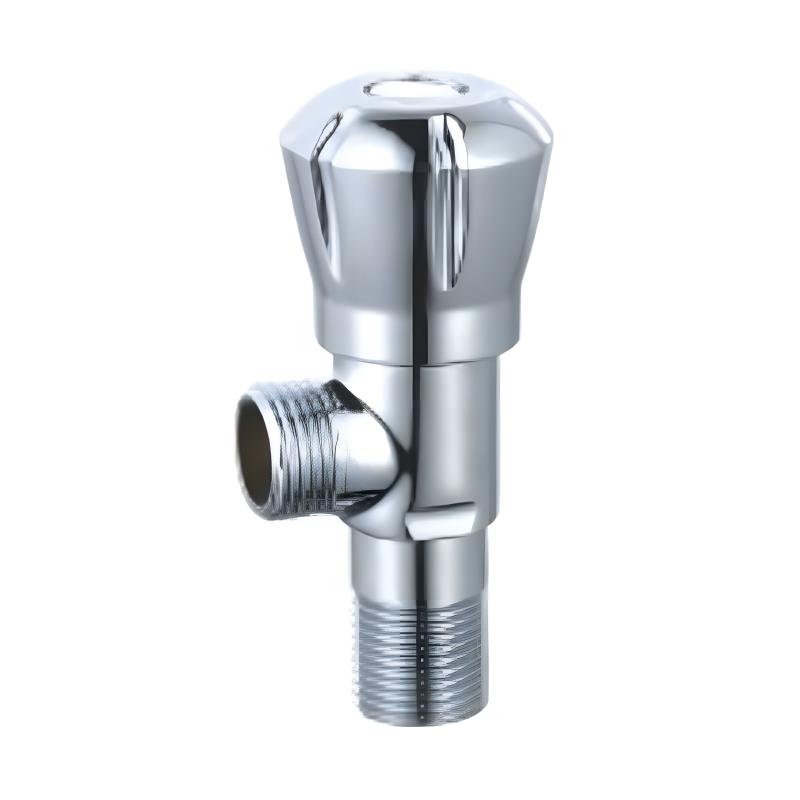
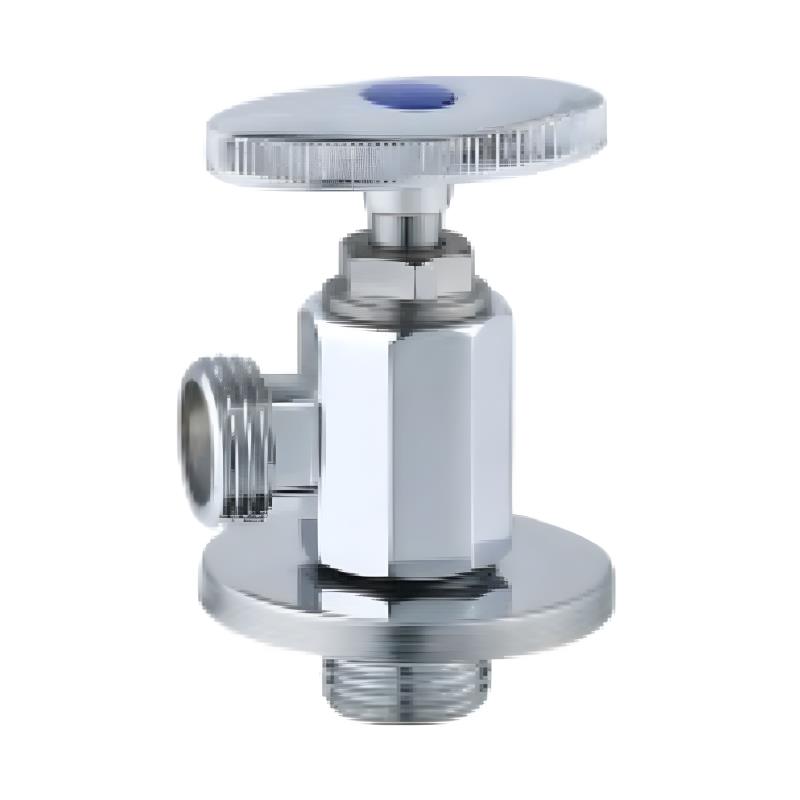
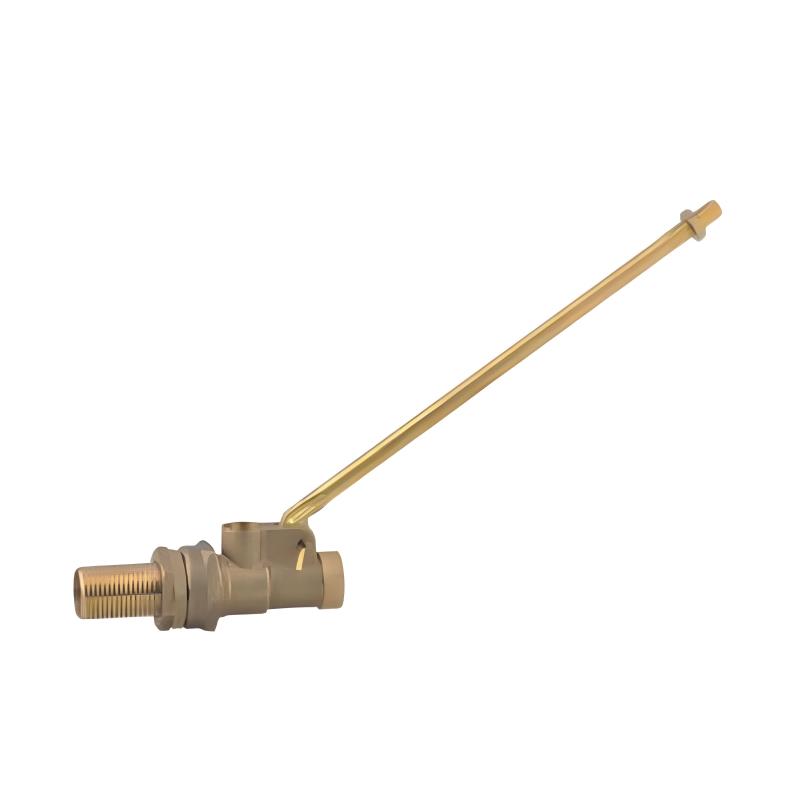
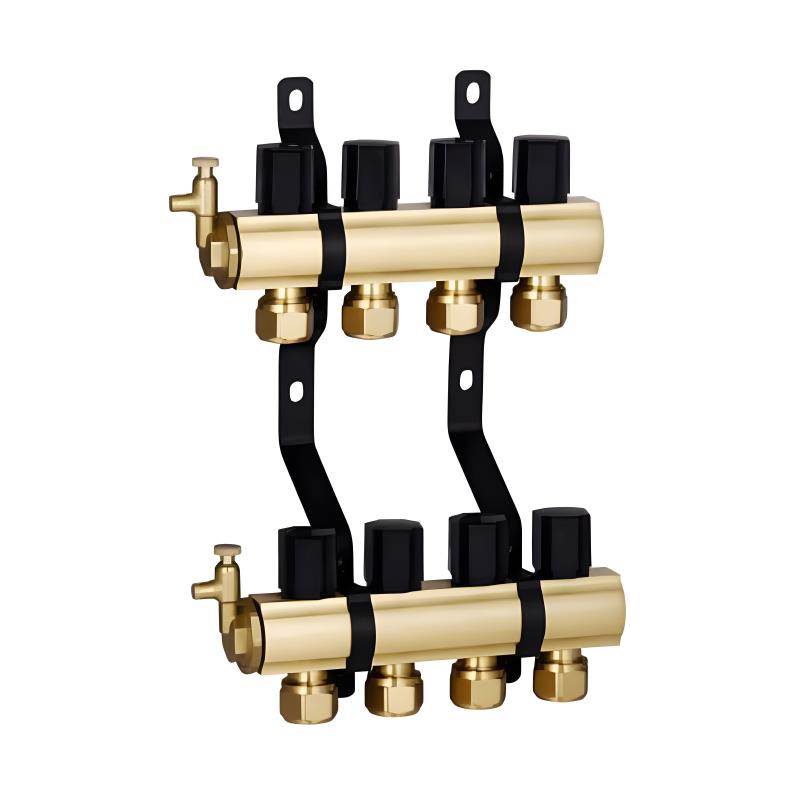
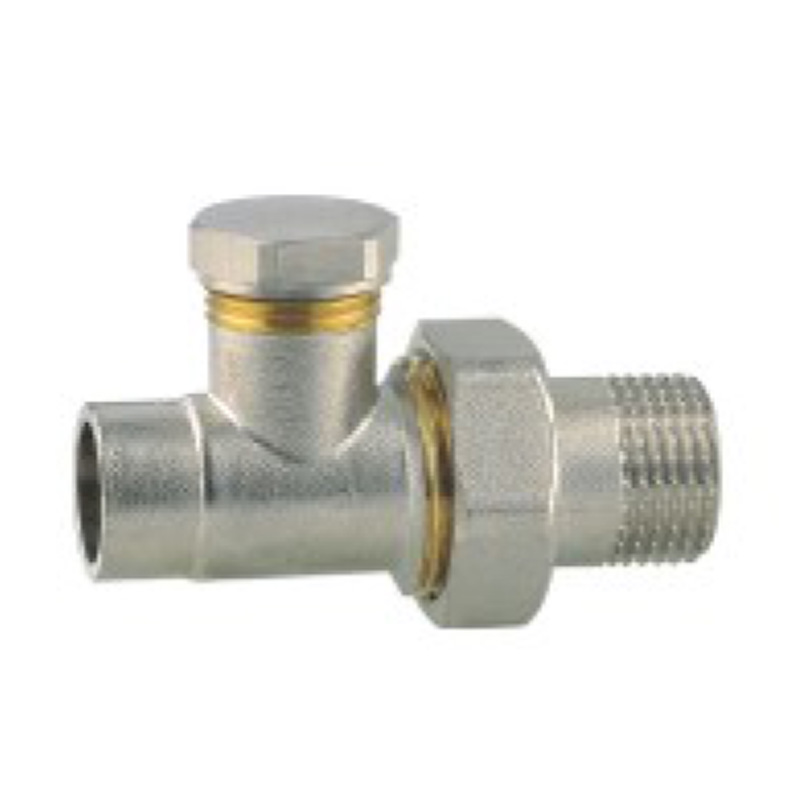
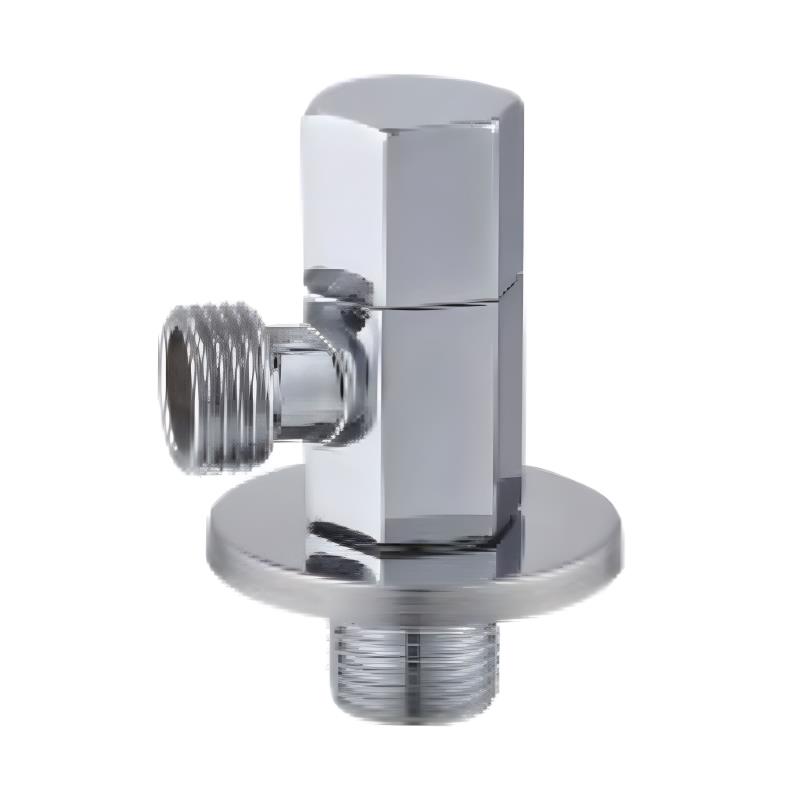
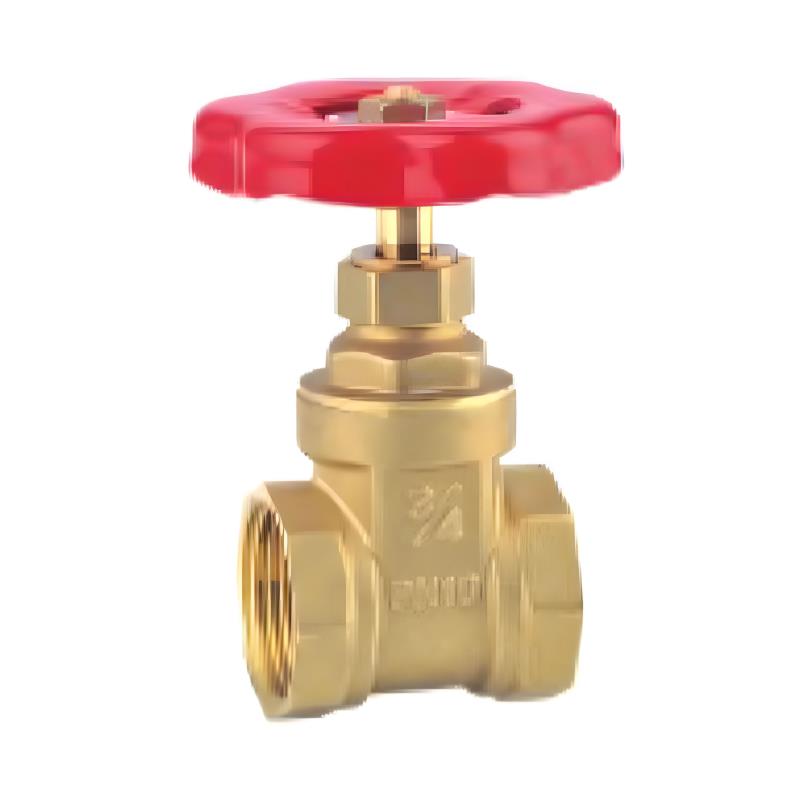
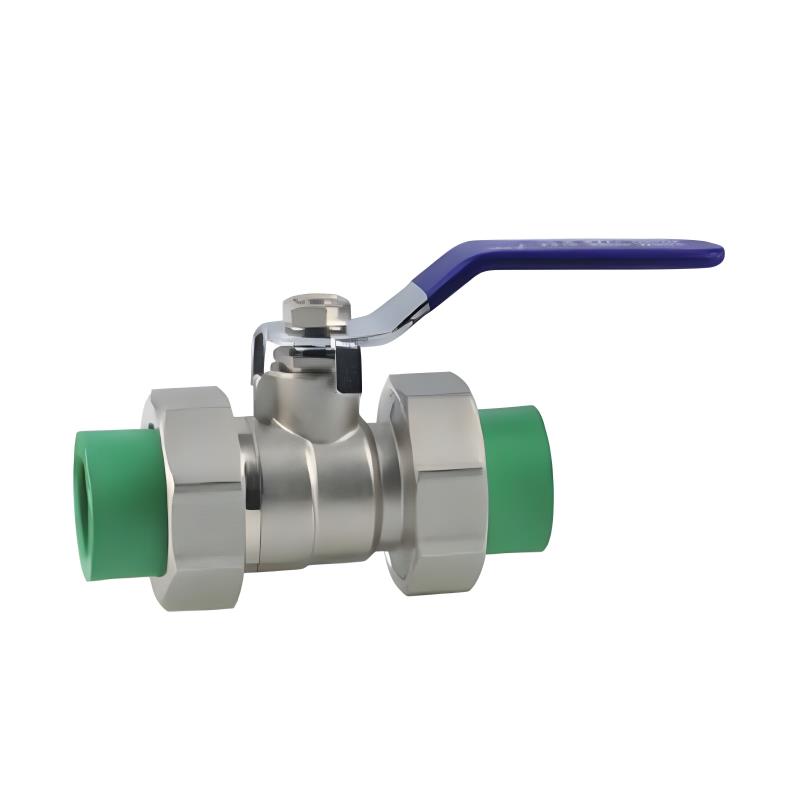
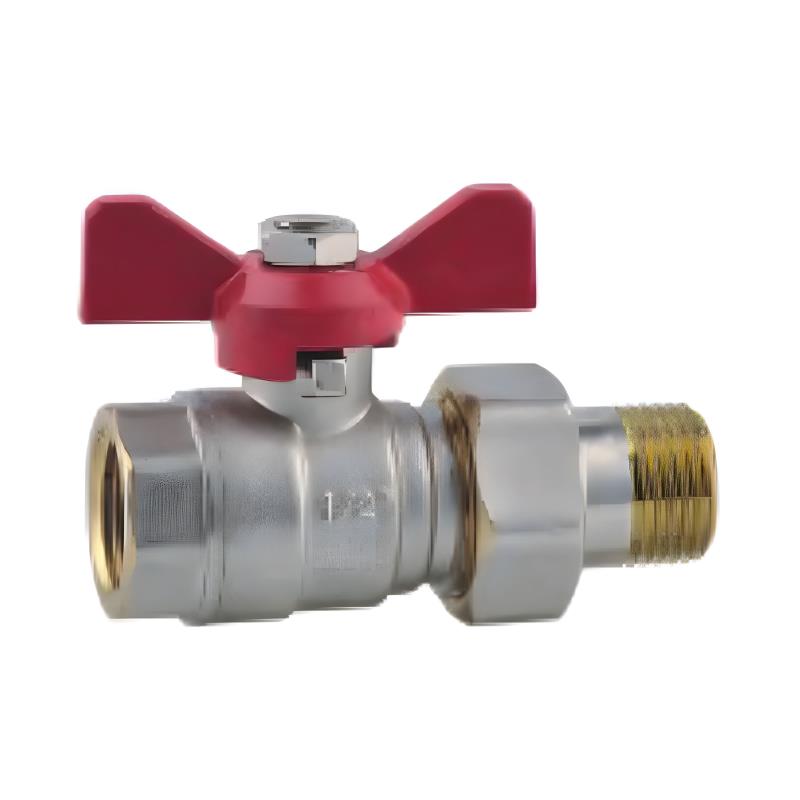
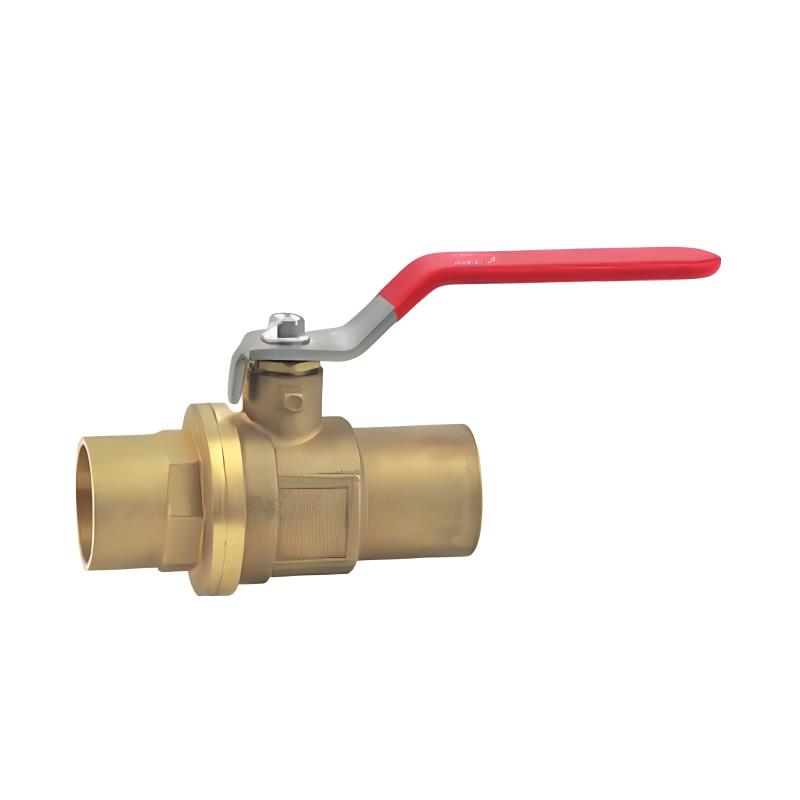
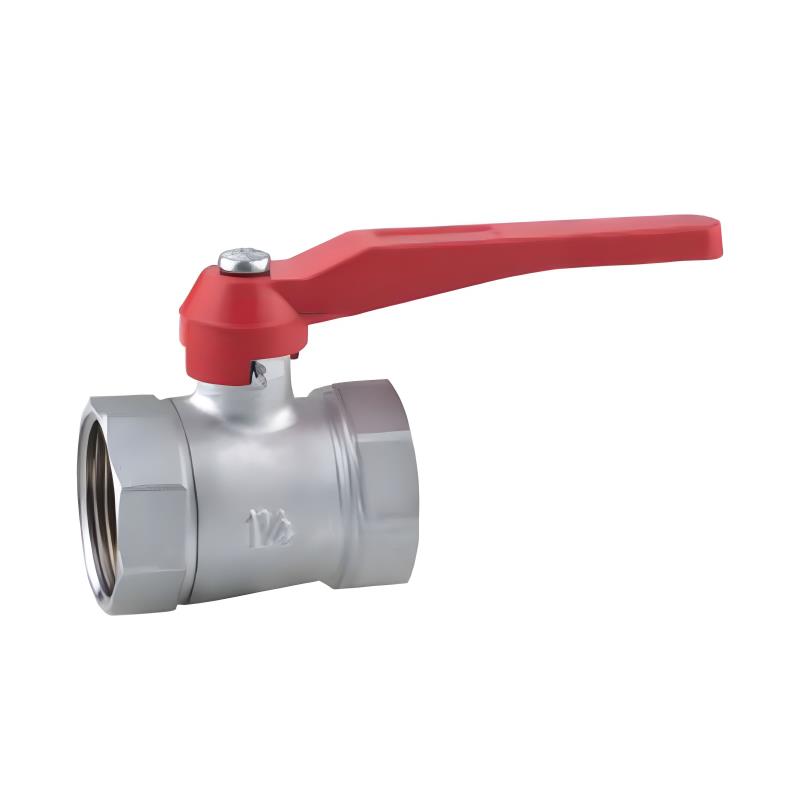
In heating and cooling systems, HVAC Brass Fittings are commonly used in connection areas where stable assembly and practical handling are needed. Their role is not limited to joining two sections together. The fitting needs to cooperate with the surrounding pipes, valves, and installation environment.
How Does Fitting Design Affect Installation Work
A fitting is handled several times before it becomes part of a completed pipe system. During preparation, installation workers usually check the connection direction, hold the part in position, and make small adjustments before tightening.
The shape of a fitting can influence how easily those movements are completed. In a spacious working area, differences may not be obvious. In a narrow location, such as behind equipment or inside a compact installation space, handling becomes more noticeable.
A practical shape allows the fitting to stay steady while alignment is being checked. When the part can be positioned naturally, less time is spent turning it repeatedly or changing hand positions.
Connection areas also affect the installation experience. A fitting with a smooth connection surface allows the assembly process to begin more naturally. Starting from the correct position is important because an incorrect angle at the beginning may affect the following tightening steps.
Another detail often considered during installation is dimensional consistency. Replacement work depends heavily on matching existing pipe arrangements. When fittings maintain similar dimensions, installers can compare new parts with existing connections more easily.
Common details that influence daily installation include:
- Connection size matching the existing pipe route
- Shape suitable for limited working areas
- Surface condition that allows easy inspection
- Stable dimensions between similar fittings
| Fitting Detail | Influence During Installation |
|---|---|
| Connection Surface | Helps create smoother assembly |
| Consistent Size | Makes replacement matching easier |
| Practical Shape | Supports handling in narrow spaces |
| Clean Finish | Allows easier condition checking |
These details may appear small during production, although they become noticeable when several connections need to be completed in one project. A fitting that works well with surrounding parts can reduce unnecessary steps during assembly.
How Does Compatibility Improve Connection Quality
Compatibility is closely connected with installation results. A fitting does not work independently after installation; it becomes part of a complete route where every section needs to remain connected in the planned direction.
During maintenance, compatibility becomes especially important. Replacing one part in an existing system requires attention to surrounding conditions. Moving nearby pipes may not be practical, so a suitable replacement needs to fit the original arrangement.
For new projects, compatibility helps maintain a clearer installation process. When selected fittings match the planned pipe structure, workers can follow the layout with fewer interruptions.
Several factors usually affect compatibility:
- Pipe size and connection requirements
- Available installation space
- Position of nearby components
- Future maintenance access
A connection that fits the working environment can make both installation and later inspection easier. The value often appears during routine tasks, when small adjustments are needed and the original pipe layout needs to remain unchanged.
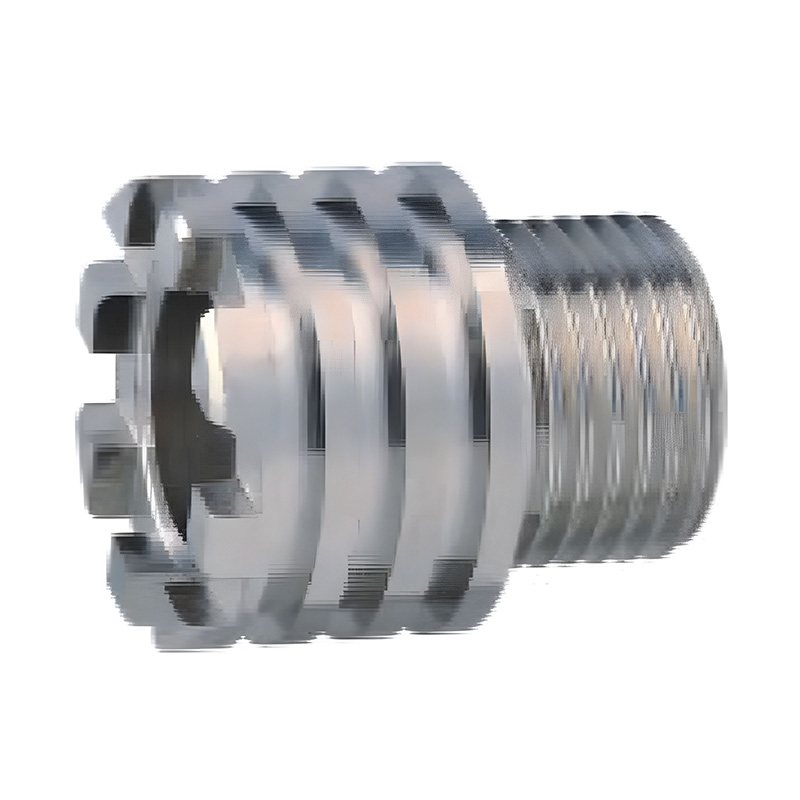
Why Is Product Consistency Important During Installation
Installers usually notice product consistency at the workbench, not in a catalog. Once several fittings are laid out beside pipe sections, small differences in shape, thread feel, or body size can slow the work down, especially when one part needs replacing and nearby pipes stay in place. A fitting that matches earlier pieces allows the assembly to continue with fewer pauses, while a part that feels different from the rest may need extra checking before tightening begins.
Replacement jobs show this more clearly than new builds. In a renovation or service call, one connector may be removed while the original pipe route remains untouched. When the new part follows the same dimensions and connection style, the repair usually stays focused on one point instead of spreading into several small corrections. That saves time, although it also keeps the pipe layout cleaner, which matters later when another inspection comes along.
For buyers handling repeat projects, consistency matters in storage as well. Boxes of mixed parts can become hard to sort once different jobs start asking for similar fittings. A Brass Fittings Wholesale source that keeps products aligned in size and shape makes preparation easier, since installers can pick parts with less hesitation and fewer trial fits.
A few points often stand out during real installation work:
- Similar dimensions help matching parts stay close to the original layout.
- Cleanly made threads reduce the chance of stopping midway to realign a connection.
- Clear product shape makes it easier to identify a fitting among other parts.
- Stable batch quality supports repeat use in repair work and ongoing projects.
Those details do not sound dramatic, yet they shape how smoothly a job moves from one connection to the next. When similar parts behave in similar ways, the installer can spend more attention on alignment and less on guessing whether a fitting belongs in the planned route.
How Do HVAC Brass Fittings Support Future Maintenance
A pipe system is usually judged twice: once when it is installed, and again when maintenance begins. A neat connection makes both stages easier to handle. When pipe routes stay organized and fittings sit in a clear position, later inspection usually requires less searching, which matters in ceiling spaces, utility rooms, and narrow service areas.
Repair work often depends on how well original installation was done. A fitting that sits straight and matches the surrounding line can often be removed and replaced without changing nearby sections. Once pipes start shifting during service, extra time is spent restoring the original route, and that can turn a simple repair into a longer task.
Regular maintenance tends to follow the same pattern. Dust, debris, and wear around a connection point are easier to notice when the area is not crowded by awkward parts or unnecessary bends. Clean placement around a connector gives technicians a clearer view of the joint, which makes routine checks feel more direct.
Practical maintenance steps often include:
- Looking over connection points during scheduled inspections.
- Keeping nearby surfaces clear so fittings remain visible.
- Marking replacement parts for later use in similar systems.
- Changing worn pieces before damage spreads into adjoining sections.
A well-installed fitting also helps when a system needs to stay in service for a long time. The less disturbance a connection creates around itself, the easier it is to work on the rest of the pipe network later. That is one reason HVAC Brass Fittings are often chosen for jobs where future access matters as much as installation speed.
What Should Buyers Consider Before Selecting Pipe Fittings
Selection usually starts with the actual site, not with appearance. A fitting used in an open plant room has different needs from a fitting used behind wall panels or near compact equipment. Working space, pipe direction, and access for later service all affect which part makes sense for the job.
Replacement work needs special attention. Existing pipes may already be fixed in place, leaving little room for adjustment. In that kind of setup, a fitting that matches the route and sits naturally in the available space reduces pressure on the rest of the system. New builds allow more planning, although even then, connection style and future access still deserve attention.
Buyers often check a few simple points before ordering:
- Whether the fitting size matches the pipe route already in use.
- Whether connection points will remain reachable after assembly.
- Whether replacement parts can stay consistent across later jobs.
- Whether product groups are easy to sort and store.
A Brass Fittings Wholesale purchase often comes down to repeat use rather than one single project. Contractors, maintenance crews, and supply teams usually need parts that can be used again in similar layouts without causing new fitting problems. Stable dimensions and clear part grouping reduce the amount of trial fitting during installation, which keeps work moving in a steadier way.
How Everyday Installation Experience Shapes Fitting Use
Installation experience tends to reveal practical details that matter more than technical descriptions. A part may look suitable on paper, yet handling at the site tells a different story. If a fitting is easy to hold, starts smoothly, and fits the pipe route without extra movement, the job usually feels more controlled from the beginning.
That kind of experience also affects how installation teams plan future work. Parts that behave predictably are easier to keep in stock, easier to identify during repairs, and easier to fit into existing layouts. Over time, that practical fit becomes part of the reason a certain style of connector keeps showing up in maintenance and renovation jobs.
A connection does not need complicated handling to work well. A stable shape, matching dimensions, and clear thread engagement often matter more than anything else during ordinary installation. Once a fitting supports those needs, pipe assembly becomes less of a correction process and more of a straightforward part of the workday.
HVAC Brass Fittings fit into that kind of routine because they support common connection tasks in a way that feels familiar to installers. When the product line stays consistent and the source remains organized, the whole process from storage to replacement tends to run with fewer interruptions.