+86-13989680588
 graylin@hongjiavalve.com
 Get a quote

 English
 русский
 Deutsch
Submit feedback
Streamlined Engineering Practices in Quick Joint Manufacturing
Author: Hongjia
Date: May 01, 2026
What Makes Quick Joints Essential in Modern Systems
The quick joint Manufacturing process focuses on producing connectors that enable fast and secure joining of pipes and mechanical components. The quick joint Manufacturing approach is widely applied in systems where efficiency, modularity, and frequent assembly or disassembly are required.
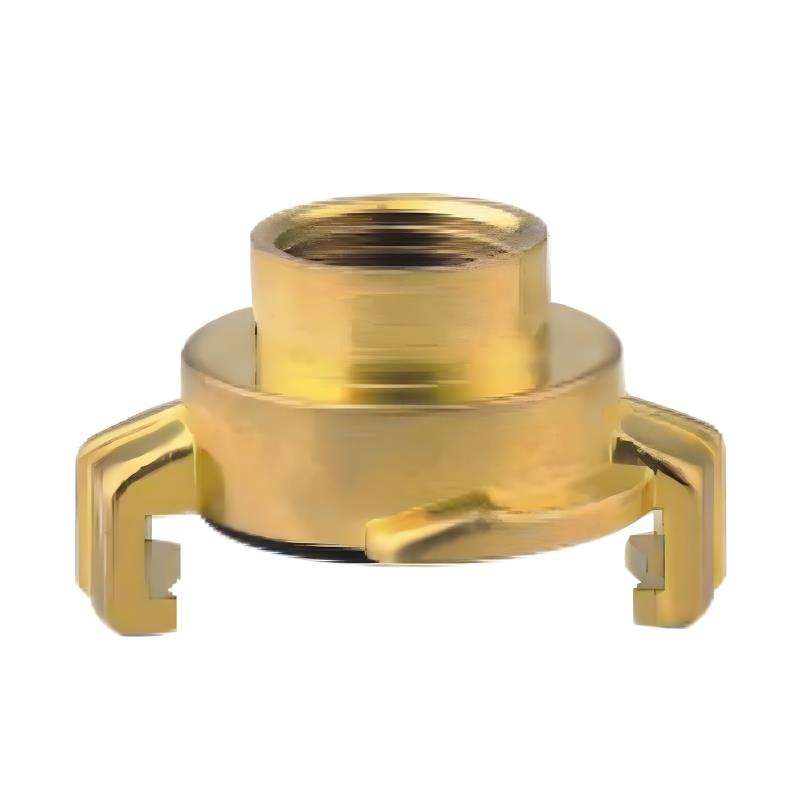
These components are commonly used in pneumatic systems, hydraulic lines, fluid transfer networks, and industrial equipment where operational flexibility is important. The quick joint Manufacturing process ensures that each connector supports stable engagement while allowing easy handling during installation.
How Does the Production Workflow Begin
In the quick joint Manufacturing process, production starts with raw material selection and preparation. Materials are shaped into components such as housings, locking mechanisms, and internal sealing parts through machining or forming techniques.
The quick joint Manufacturing workflow continues through stages including precision machining, threading, surface treatment, assembly, and inspection. Each step is coordinated to maintain dimensional consistency and proper alignment between mating parts.
What Materials Are Commonly Used
Material selection in quick joint Manufacturing is based on strength, corrosion resistance, and compatibility with different media. Common materials include stainless steel, brass, and engineered alloys.
The quick joint Manufacturing process evaluates materials for their ability to withstand pressure, repeated connection cycles, and environmental exposure. These characteristics help ensure stable performance during long-term use in industrial and mechanical systems.
How Is Structural Design Optimized
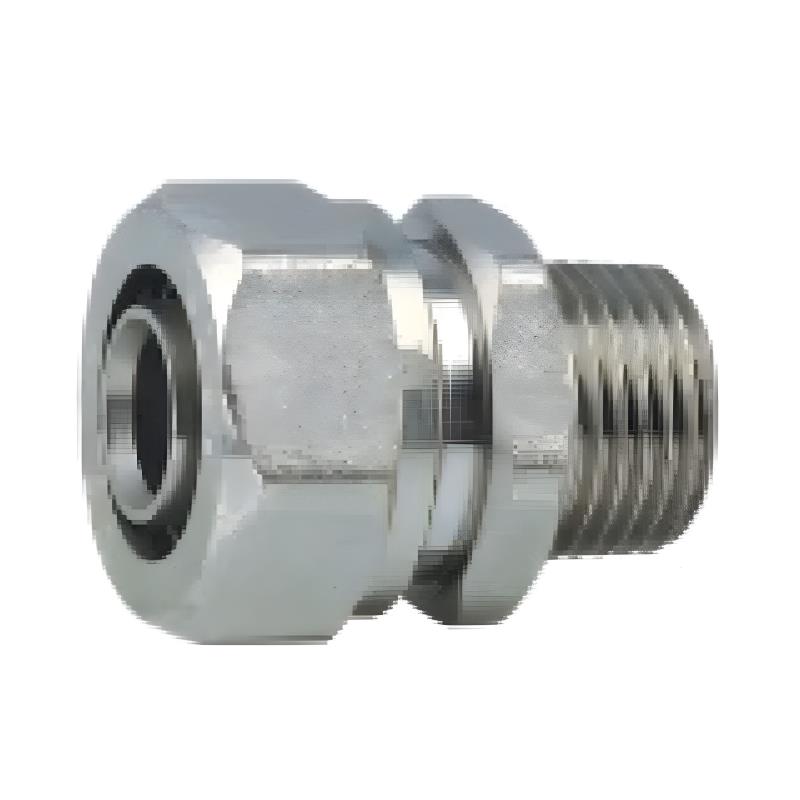
The quick joint Manufacturing process involves designing connection mechanisms that allow rapid engagement without complex tools. Typical structures include push-fit systems, threaded interfaces, or locking sleeves that secure components in place.
Internal alignment within a quick joint Manufacturing product is carefully controlled to ensure that sealing elements maintain proper contact. This helps achieve consistent connection performance and reduces the risk of misalignment during operation.
What Role Do Sealing Components Play
Sealing elements are a critical part of quick joint Manufacturing. They are positioned to prevent leakage at connection points and maintain stable fluid or gas transfer.
The quick joint Manufacturing process selects sealing materials that can resist wear, pressure fluctuations, and repeated use. Proper sealing contributes to maintaining system integrity and supporting reliable operation across multiple connection cycles.
Are Custom Configurations Available
The quick joint Manufacturing process supports a variety of configurations to meet different application needs. Variations may include differences in size, connection type, pressure rating, and interface geometry.
Customization in quick joint Manufacturing allows adjustments in material composition, thread specifications, and structural design. These options help ensure compatibility with diverse system requirements and installation environments.
How Is Quality Maintained During Production
Quality control is integrated into every stage of quick joint Manufacturing. Components are inspected for dimensional accuracy, surface condition, and assembly alignment.
Testing procedures within quick joint Manufacturing may include pressure resistance checks and functional engagement tests. These evaluations help confirm that each unit performs reliably and maintains consistent interaction with mating components.
Where Are Quick Joints Commonly Used
Products from quick joint Manufacturing are widely used in industrial automation, fluid control systems, pneumatic equipment, and hydraulic assemblies. Their design supports rapid maintenance and system reconfiguration.
The quick joint Manufacturing output is suitable for environments where operational efficiency and ease of connection are important. These joints are often integrated into systems requiring frequent adjustments or modular assembly.
What Defines the Value of Quick Joint Production
The quick joint Manufacturing process contributes to improved system efficiency by providing components that simplify connection and disconnection tasks. Its structured production approach emphasizes precision, durability, and adaptability.
By combining standardized processes with flexible design options, the quick joint Manufacturing approach supports a wide range of industrial applications. This allows manufacturers and system designers to implement efficient connection solutions across different environments.
For more information on quick joint Manufacturing, visit our product page and learn how this innovative technology can support your connection system requirements.