+86-13989680588
 graylin@hongjiavalve.com
 Get a quote

 English
 русский
 Deutsch
Submit feedback
How Does Radiator Valve Work In Heating Systems
Author: Hongjia
Date: May 08, 2026
Heating systems usually stay unnoticed until something feels slightly off in a room. Behind that steady background condition, there is a set of simple mechanical parts quietly shaping how water moves through the system. The radiator valve is one of those parts, positioned close to each radiator and responsible for controlling how much heated water is allowed to pass through.
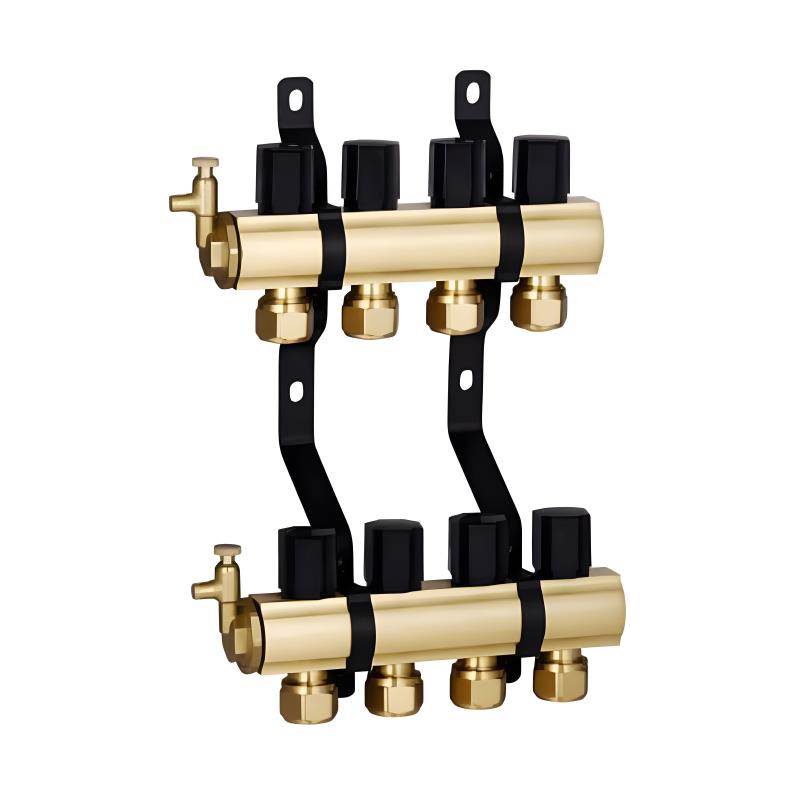
It does not generate heat or actively push water. What it does is more indirect. A small adjustment changes how fast water enters the radiator, and over time that influences how the room feels. In systems with multiple branches, water is not always sent directly to each radiator from a single line. A diversity water device valve is often used earlier in the system to divide flow into separate paths so that distribution does not rely on a single direction.
In the production field of heating components, manufacturers such as those linked with Taizhou Hongjia Valve Co., Ltd. are part of the supply chain that focuses on keeping these parts structurally stable under repeated daily operation.
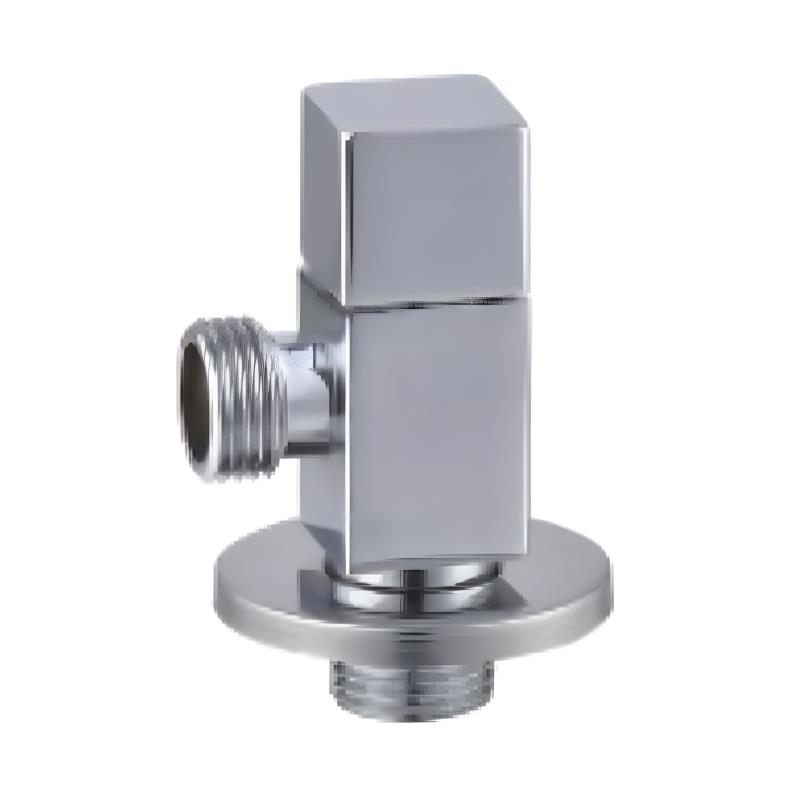
The Basic Role Of radiator valve In Heating Systems
A radiator valve is installed at the point where the pipeline meets the radiator. It works as a flow control point rather than a heat source. The idea is simple: control how much hot water is allowed to enter the radiator, and the heat output will follow.
Inside a closed heating loop, water moves continuously through pipes. When it reaches each radiator, the valve determines the passage size. A wider opening allows more water to pass through, which increases heat release. A narrower setting reduces flow and limits how much warmth is delivered to that space.
Although the structure looks straightforward, its effect is very practical in real environments. Each room can be adjusted separately without changing the entire system. That means one area can stay warmer while another remains more neutral, depending on how the valve is set.
There is also a system-level aspect that often gets overlooked. Every valve interacts with the overall flow condition. If too much water is allowed through one branch, other branches may receive less. This is why the system depends on multiple adjustment points working together rather than a single control element.
How radiator valve Works During Daily Operation
In daily use, the radiator valve responds to small physical adjustments. Turning the valve changes the internal opening, which directly affects the amount of hot water entering the radiator.
The change in temperature is not immediate. Once the flow is adjusted, the radiator needs time to transfer heat into the surrounding air. This delay makes the adjustment process more gradual and easier to fine tune, especially in spaces where comfort changes slowly during the day.
In practice, most adjustments are based on feel rather than precise measurement. A slight turn can be enough to shift the room condition over time. This is especially noticeable in smaller rooms where heat builds up faster.
Some valve designs also respond to surrounding temperature conditions. Instead of staying fixed, they adjust flow gradually depending on how the room environment changes, reducing the need for constant manual correction.
What affects this behavior in real systems usually comes down to a few practical points:
- how smooth the adjustment mechanism feels during operation
- condition of internal sealing and moving parts
- pressure stability inside the circulation loop
- layout of radiators across different zones
When several radiators are connected in one loop, adjustment at one point can slightly influence others. This becomes more visible when the system has not been balanced carefully during installation.
Connection Between radiator valve And diversity water device valve
Before water reaches each radiator, it often goes through a distribution stage. The diversity water device valve is placed at this stage to divide incoming flow into multiple directions. This allows the system to supply several circuits at the same time instead of relying on a single pipeline path.
After the division, water continues through separate lines toward each radiator. At the end of each line, the radiator valve takes over and controls how much water actually enters the heating unit.
The two components are not doing the same job, but they are connected in sequence. One handles distribution, the other handles final control at the endpoint. The flow process can be seen in a simple chain:
- incoming water is divided into separate routes
- water moves through individual pipelines
- final adjustment happens at each radiator connection
If the initial distribution is uneven, the radiator valves may need to compensate more frequently. When distribution is stable, the adjustment at the radiator becomes easier and more predictable in daily use.
Types Of radiator valves Used In Different Heating Layouts
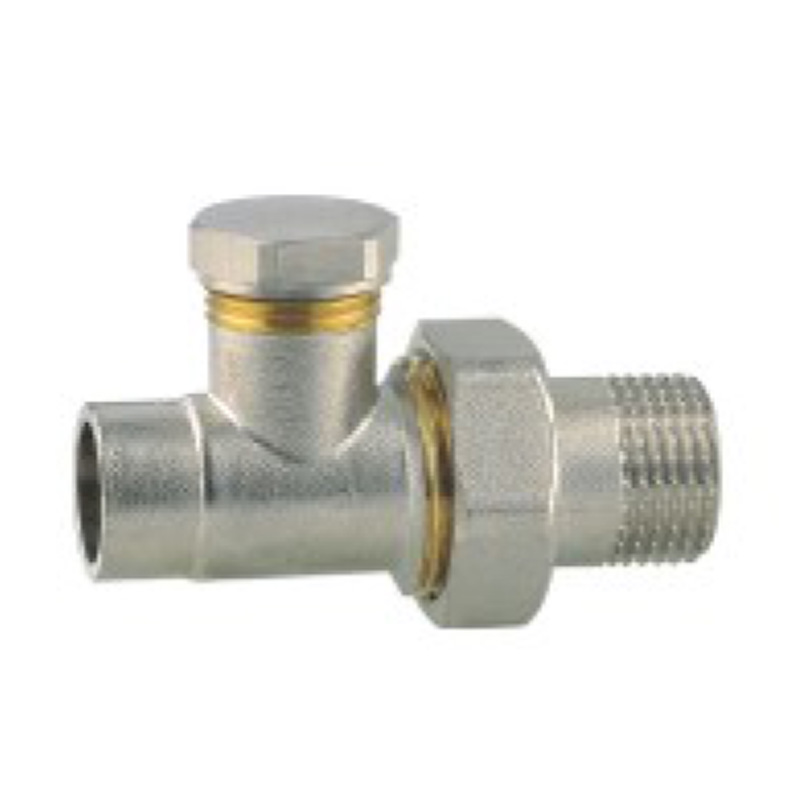
radiator valves are not all built the same, mainly because pipe layouts vary from one installation to another. Some systems bring pipes straight into the radiator, while others approach from the side or bottom.
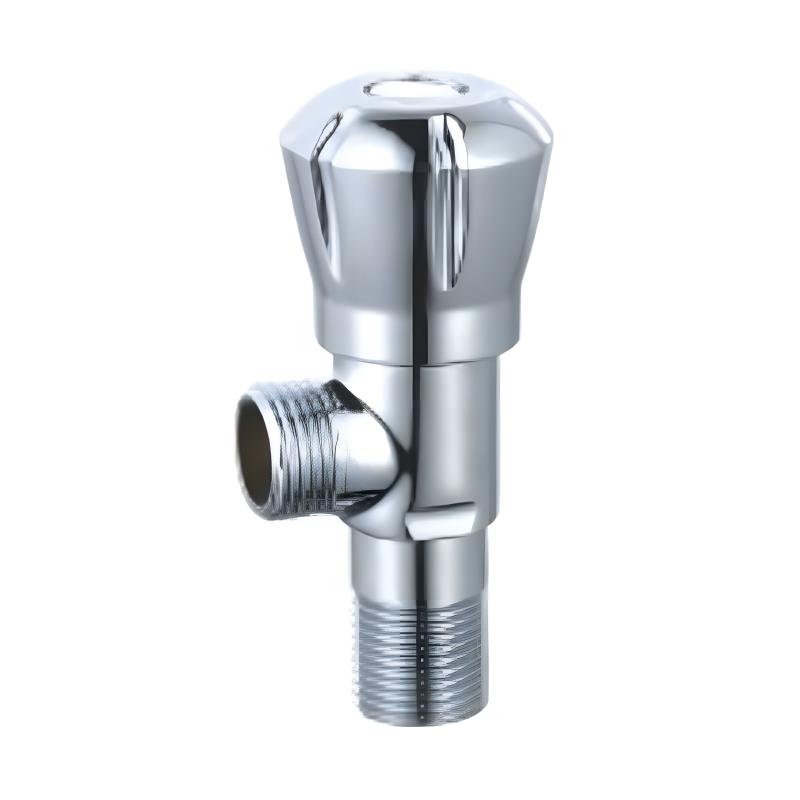
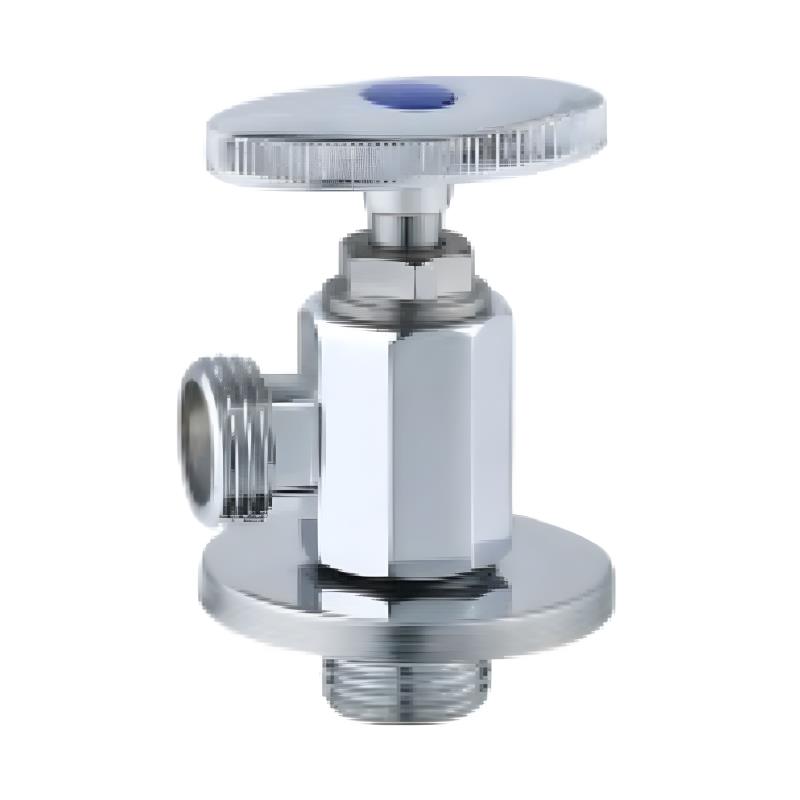
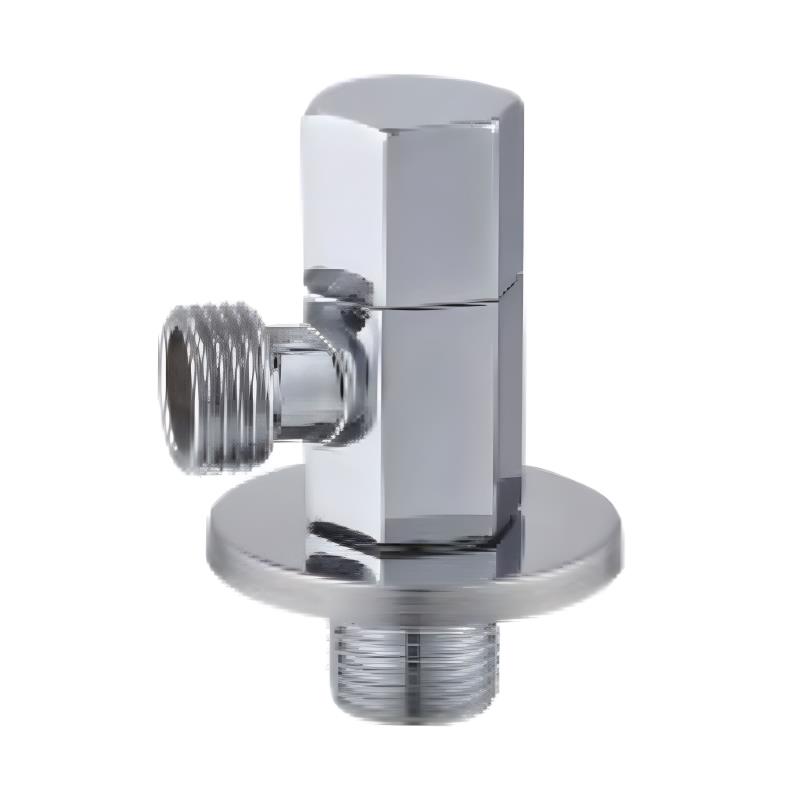
Straight configurations are used when the pipe alignment is direct. Angle configurations are used when space or layout requires a turn before entering the radiator. The shape of the valve follows these installation conditions rather than a fixed design rule.
Operation methods also differ. Some valves rely on manual turning, where flow is adjusted directly by the user. Others respond to temperature changes in a more automatic way, adjusting flow gradually without frequent handling.
Selection usually depends on practical conditions rather than preference alone:
- how the pipe reaches the radiator
- how much space is available around the connection point
- whether frequent adjustment is expected
- how the entire heating loop is arranged
Smaller spaces usually favor simpler operation. Larger systems tend to rely more on stability across multiple rooms rather than frequent manual adjustment.
Factors That Influence Valve Performance Over Time
With continuous use, radiator valves gradually change in behavior. This does not happen suddenly, but through small effects that build up during normal operation.
The material used in the valve body and internal structure affects how it responds to long exposure to hot water. Some materials remain stable for longer periods, while others may slowly change in surface condition or friction level.
Inside the valve, movement depends on small mechanical parts. If water carries deposits, they can slowly build up in narrow passages. This can make adjustment feel less smooth over time.
System conditions also play a role. Water pressure is not always constant, and repeated changes can affect how the valve seals and opens.
Other common influences include:
- repeated heating and cooling cycles
- frequency of manual adjustment
- quality of circulating water
- surrounding installation environment
| Influence Area | Typical Condition | Practical Effect |
|---|---|---|
| Material Contact | Continuous hot water exposure | gradual surface change |
| Internal Passage | Small deposit buildup | reduced smooth movement |
| Pressure Variation | changing flow conditions | inconsistent response |
| Usage Frequency | regular adjustment | mechanical wear |
| Temperature Change | repeated heating cycles | slow structural stress |
These effects usually appear slowly and are part of normal system behavior. Choosing components that match the real working conditions of the system helps reduce their impact over time.
How To Choose radiator valve For Different Room Sizes
Room size is one of the practical points that quietly affects how a radiator valve is set in real use. It is not only about how large the space looks, but also how quickly it loses or retains heat. A small room reacts faster when flow changes, while a larger space usually takes longer to stabilize. Because of this, the valve setting tends to behave differently even within the same heating system.
In smaller rooms, adjustments are usually subtle. A slight change in valve opening can already shift the temperature feeling after some time. The system reacts quickly, so over-adjusting is rarely necessary. In larger rooms, the situation is more gradual. Heat spreads more slowly, and flow needs to stay steady for a longer period before the effect becomes noticeable.
There is also a practical relationship between radiator size and valve setting. A radiator with a higher heat output capacity does not always require a fully open valve. In many cases, partial control is enough to maintain a stable condition. This is where matching flow behavior with actual room demand becomes more relevant than simply opening or closing the valve.
Some common points usually considered in real installation work include:
- how quickly the room warms up under normal circulation
- whether the space is divided or open
- how often temperature changes during daily use
- how many radiators share the same loop
In multi-room environments, adjustment is rarely isolated. One valve setting often affects nearby flow behavior, especially when circuits are connected without strong separation. This is where coordination with upstream distribution, including the diversity water device valve, becomes noticeable in practice.
Installation Considerations In Real Projects
Installation is usually where small differences in system behavior start to appear. Even when the valve itself is simple in structure, the way it connects to the pipeline can influence long-term operation.
Pipe direction is one of the first things that determines valve positioning. In some layouts, the pipe comes straight into the radiator, making alignment straightforward. In other cases, space limitations force the pipe to turn before reaching the unit, which requires an angled connection. The valve has to match that physical condition rather than adjust the system itself.
Another practical issue is space around the connection point. After installation, the valve still needs to be accessible for adjustment. If it is placed too close to a wall or hidden behind fittings, even simple turning becomes inconvenient over time.
During installation work, attention is usually given to a few basic points:
- ensuring the valve aligns properly with pipe direction
- avoiding unnecessary stress on threaded joints
- keeping enough space for later adjustment
- checking compatibility with existing pipe standards
It is also common for installers to test flow after installation before closing the system. This helps confirm that water passes smoothly through each point without unexpected resistance.
At this stage, small differences in distribution can also become visible. If upstream flow is not evenly divided, the radiator valves may behave differently from one room to another, even if they are set in a similar position.
Maintenance And Daily Use Considerations
radiator valves usually do not require frequent attention, but their condition still changes slowly through repeated use. Most of the time, changes are gradual and only become noticeable when adjustment starts to feel less responsive.
One of the common issues over time is reduced smoothness during turning. This is often related to small deposits carried by circulating water. These particles can settle inside narrow sections and affect how easily the internal parts move. It does not stop operation immediately, but it can make fine adjustment less precise.
In daily use, people usually interact with the valve in a simple way. A small turn is often enough to adjust comfort. Because of this, any resistance or irregular movement becomes more noticeable over time.
Some practical habits help keep the system stable:
- adjusting valves in small steps instead of large sudden changes
- avoiding unnecessary frequent turning when conditions are stable
- checking for small leaks around connection points during routine observation
- keeping surrounding space clear so the valve can be accessed easily
When performance starts to change noticeably, replacement is usually considered rather than repair, since internal wear is not always easy to reverse in place.
Application Scenarios In Residential And Commercial Environments
radiator valves are used in both small residential setups and larger building systems, but the way they behave can feel different depending on the scale of the installation.
In residential environments, the system is usually simpler. A few radiators are connected in a limited loop, and adjustments are made directly based on comfort. Changes in valve position are easier to feel, and response time is relatively short.
In commercial environments, the system structure is often more layered. Multiple branches may exist, and water distribution becomes more structured before reaching individual units. In these cases, the radiator valve works together with upstream components more closely, especially where the diversity water device valve is involved in splitting flow across different zones.
Typical differences between these environments include:
- number of radiators connected in a single system
- variation in room usage throughout the day
- stability requirements of temperature conditions
- level of coordination needed between different zones
In shared buildings, such as office spaces, consistency across rooms becomes more noticeable than individual adjustment. In contrast, residential use often allows more personal tuning based on preference and daily rhythm.
Evolving Design Trends In Heating Valves
Over time, radiator valve design has gradually shifted toward simpler operation and more stable internal behavior. The changes are not always visible from the outside, but they are reflected in how the valve responds during daily use.
One noticeable direction is the reduction of unnecessary complexity in adjustment mechanisms. Instead of complicated controls, many designs focus on smoother turning and more predictable flow response. This makes it easier for users to make small adjustments without overthinking the setting.
Another development is related to integration within larger heating systems. Valves are increasingly considered as part of a connected flow network rather than isolated components. This means their behavior is expected to remain stable even when upstream conditions change slightly.
At the same time, there is also attention on durability in real environments. Heating systems go through repeated temperature cycles, and valves need to maintain consistent movement without losing sensitivity too quickly.
Some practical design directions often include:
- smoother internal flow channels
- improved sealing behavior under repeated use
- simpler external adjustment structures
- better adaptation to varying system pressure
These changes are less about appearance and more about how the valve behaves after long periods of use.
In real heating systems, the radiator valve is a small component, but its influence is noticeable once the system is in daily operation. It does not work alone. Its behavior is always linked with how water is distributed, how pipes are arranged, and how different rooms respond to heat.
When combined with upstream flow control elements such as the diversity water device valve, the system becomes more layered, with each stage handling a different part of the process. Distribution happens first, then local adjustment takes place at each radiator.
In practice, stability usually comes from how well these parts work together rather than from a single adjustment point. Once the flow path is set properly and each valve behaves consistently, the heating system tends to maintain a more even condition across different spaces.