+86-13989680588
 graylin@hongjiavalve.com
 Get a quote

 English
 русский
 Deutsch
Submit feedback
How Industrial Radiator Valve Regulates Heat Flow
Author: Hongjia
Date: Jul 21, 2026
Heating systems in industrial buildings are expected to do more than raise room temperature. Different areas inside the same building often serve different purposes. A warehouse may store materials that react to temperature changes, while a maintenance room may become warmer once equipment begins operating. Office areas usually need another heating level because people remain indoors for longer periods.
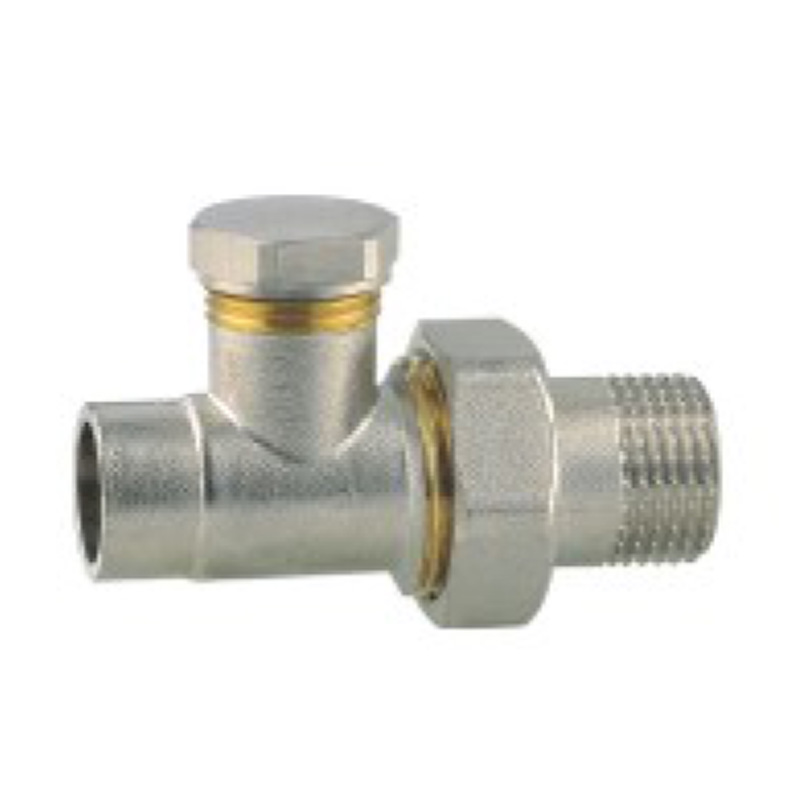
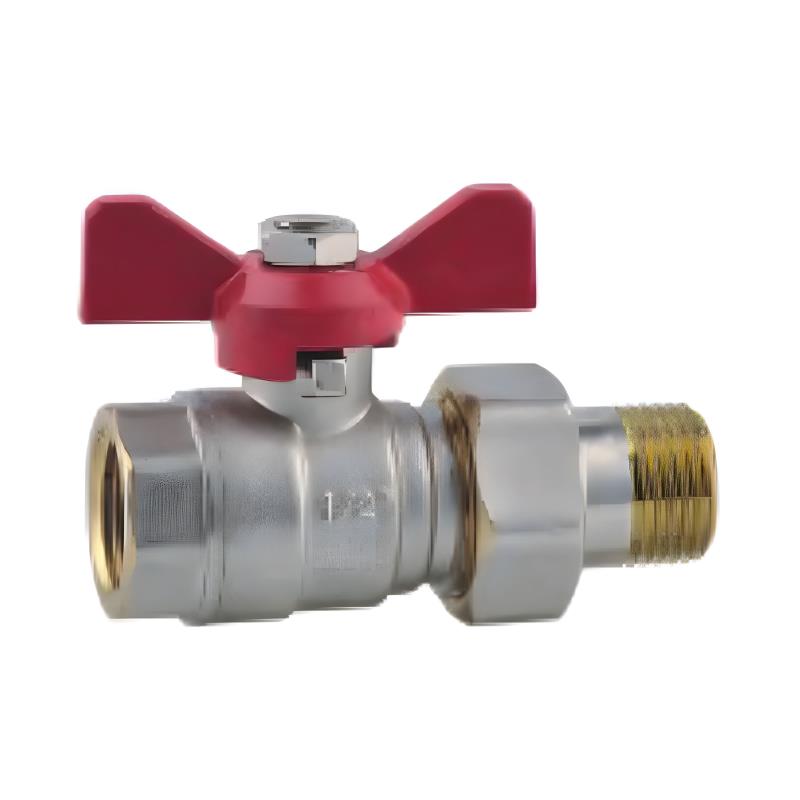
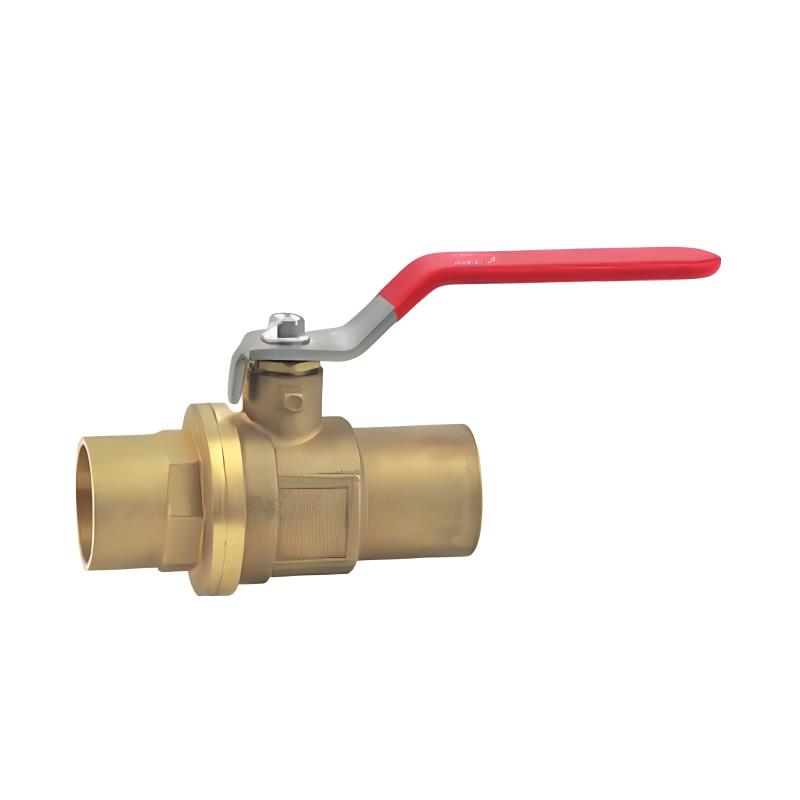
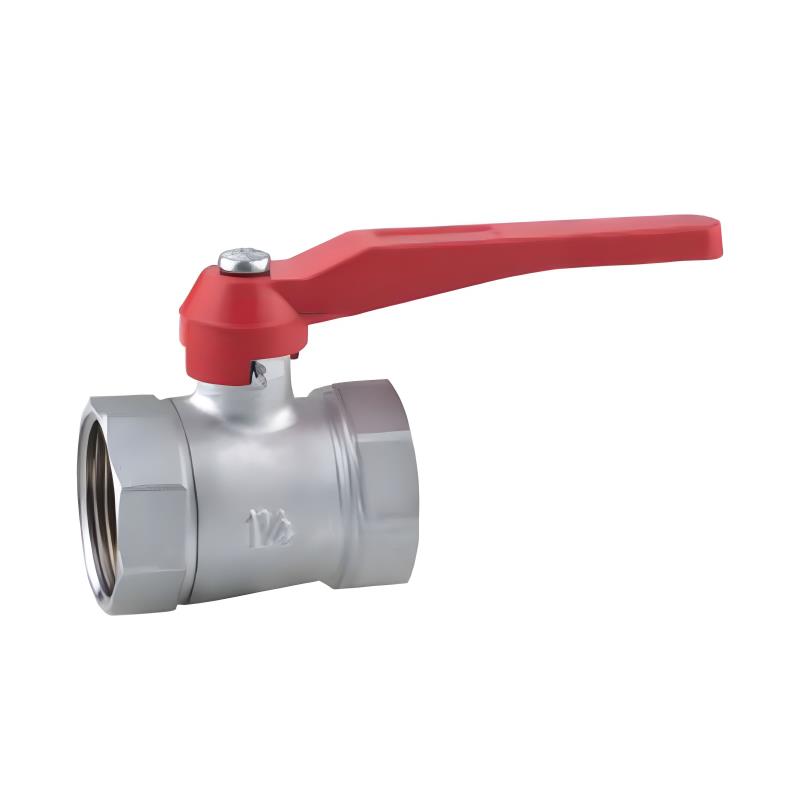
An Industrial Radiator Valve helps manage those differences by controlling how much heating medium enters each radiator. Instead of allowing every radiator to receive the same flow, the valve can increase or reduce circulation according to actual conditions.
A simple example can be seen after a loading door has been opened for several minutes during material handling. Cold air enters one section of the building, while another section remains almost unchanged. Closing the door does not immediately restore the indoor temperature. Adjusting heat flow allows the affected area to recover gradually without changing the entire heating system.
Daily operation creates many similar situations.
- Different work areas become occupied at different times.
- Equipment produces additional heat during operation.
- Some rooms remain unused for several hours.
- Outdoor temperature changes influence heat demand near entrances and loading zones.
Heat control becomes more practical when each radiator can respond to local conditions instead of working at exactly the same level.
How Does an Industrial Radiator Valve Control Heat Flow
An Industrial Radiator Valve sits between the pipeline and the radiator. Heated fluid passes through the valve before entering the radiator. Changing the valve opening changes the amount of fluid that continues through the system.
Opening the valve further allows more heated fluid to circulate inside the radiator. Reducing the opening slows circulation. Heat released into the surrounding air changes with that flow.
Many people compare the process to adjusting water from a household tap. Turning the handle slightly changes the amount of water without stopping it completely. A radiator valve works in a similar way, although the purpose is to regulate heat rather than water supply.
Changes do not appear immediately after every adjustment. Heated fluid already inside the radiator continues releasing heat for a period of time. Waiting before making another adjustment often produces a steadier result than repeatedly turning the valve.
Working environments demonstrate this clearly.
A workshop may feel comfortable early in the morning, then become warmer once machines begin operating. Instead of changing every radiator, only the nearby heating area may require adjustment.
Warehouse entrances provide another example. Frequent opening of loading doors allows outdoor air to enter. Radiators located close to those doors may require different flow settings from radiators placed in the center of the building.
Understanding how heat moves inside a building helps operators avoid unnecessary adjustments.
Which Factors Affect Valve Performance During Daily Operation
Valve performance depends on regular operating conditions rather than one single factor.
Flow changes happen throughout the day as heating demand changes. Equipment starting or stopping, opening large doors, and changing weather conditions all influence how much heat is needed inside a building.
Pressure inside the pipeline also changes during normal operation. Small pressure variations are common in heating systems. A valve should continue moving smoothly while those changes occur.
Temperature differences between heating cycles gradually affect moving parts and sealing components. Expansion and contraction happen repeatedly during long-term operation. Regular inspection allows small changes to be noticed before adjustment becomes difficult.
Installation location also deserves attention.
A valve installed behind large equipment or inside a narrow corner may be difficult to inspect. Limited access often means routine maintenance is delayed. Choosing an accessible installation position makes everyday inspection easier.
Dust and moisture should not be ignored either.
Industrial buildings rarely provide identical environments. Some areas remain relatively clean, while others contain fine dust produced during daily work. Dust collecting around moving parts can make inspection more difficult and may hide early signs of leakage.
Simple operating habits often help maintain stable performance.
- Turn the valve slowly instead of forcing movement.
- Look for moisture around pipe connections during routine inspection.
- Remove visible dust before checking moving parts.
- Listen for unusual sounds while adjusting the valve.
- Compare nearby radiators when one area feels noticeably different.
Small observations like these often provide useful information before a larger maintenance issue develops.
Why Material Selection Influences Service Life
Material choice affects how well an Industrial Radiator Valve adapts to everyday operating conditions.
Heating systems experience repeated warming and cooling. Internal components remain in contact with circulating heating medium for long periods, while outer surfaces are exposed to changing workplace environments. Materials need to cope with both situations.
Corrosion resistance is one consideration. Moisture, water quality, and surrounding conditions can slowly affect metal surfaces. Selecting materials that suit the operating environment helps reduce unnecessary wear.
Moving components deserve equal attention. Every adjustment creates contact between internal parts. Surfaces that resist wear generally continue moving more smoothly after repeated operation.
Sealing materials also influence daily performance. A seal keeps heated fluid inside the system while allowing normal valve movement. Once sealing areas begin wearing unevenly, small leakage may appear around connection points or moving sections.
Cleaning becomes easier when external surfaces have a simple structure. Dust, grease, and ordinary workplace residue can be removed more easily during routine maintenance, allowing inspections to focus on the condition of the valve rather than cleaning difficult corners.
Material selection is closely connected with the environment where the valve will operate. A heating system serving a dry indoor warehouse may have different requirements from one installed in a humid production area. Matching materials with actual working conditions often reduces maintenance effort over time.
What Should Be Considered Before Installing an Industrial Radiator Valve
Installation affects how an Industrial Radiator Valve performs long after the work has been completed. Even a well-made valve may become difficult to adjust when the surrounding pipeline has been arranged without enough operating space.
Before installation, checking the direction of flow is a practical step. Every valve is designed to work with fluid moving in a particular direction. A quick inspection before connecting the pipeline can prevent unnecessary rework later.
Enough space around the valve also makes daily work easier. During inspection, operators may need to adjust the valve, check pipe joints, or replace sealing parts. Crowded installation areas often make routine maintenance slower than expected.
Position inside the pipeline deserves attention as well. Installing a valve where it can be reached without removing nearby equipment helps reduce maintenance time. A location that remains visible also makes leakage easier to notice during routine inspections.
Another point is pipe alignment. Pipes under stress can place extra force on the valve body after installation. Careful alignment before tightening the connections helps reduce unnecessary strain during long-term operation.
| Installation Check | Practical Purpose | Daily Benefit |
|---|---|---|
| Flow direction | Supports normal circulation | Stable adjustment |
| Installation position | Improves access | Easier inspection |
| Maintenance space | Allows routine servicing | Faster repair work |
| Pipe alignment | Reduces unnecessary stress | Smoother operation |
| Joint inspection | Helps identify leakage | More reliable daily use |
After installation, opening and closing the valve several times can help confirm that movement remains smooth. A simple functional check often provides useful information before the heating system returns to regular operation.
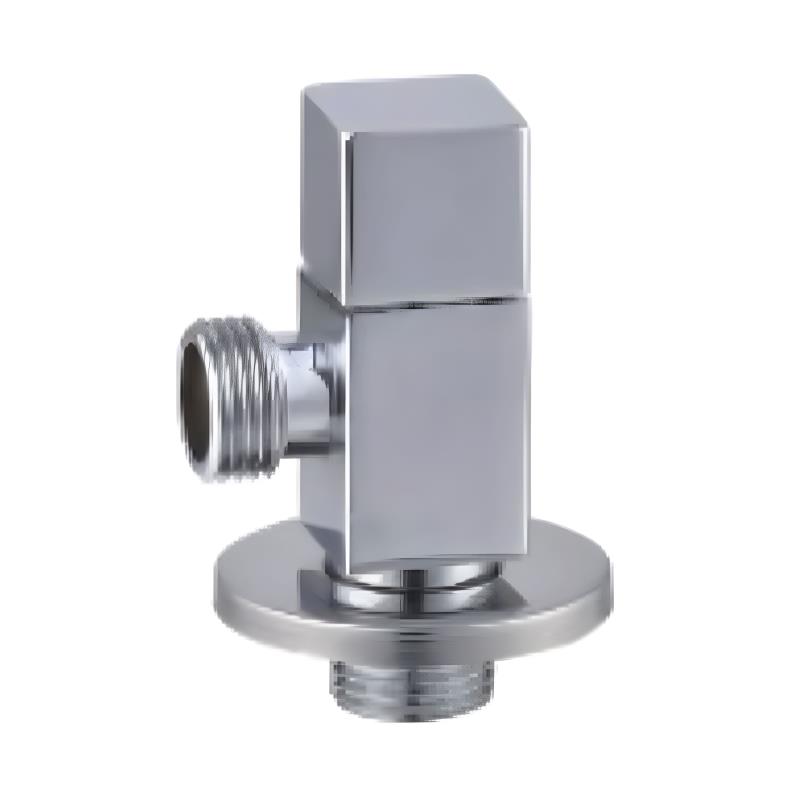
When Does Choosing the Right Radiator Valve Supplier Become Important
Selecting a Radiator Valve Supplier usually begins long before equipment reaches the installation site. Buyers often compare whether products match the operating environment rather than looking at appearance alone.
Consistency between production batches is one practical concern. When several valves are installed in the same heating system, similar operating characteristics can make adjustment and maintenance easier.
Technical communication is another part of supplier evaluation. Heating systems are not always identical, so buyers sometimes need information about installation methods, material selection, or suitable application conditions before making a purchasing decision.
Documentation also has practical value. Product drawings, installation guidance, and maintenance information help technicians prepare for installation and later servicing without relying on repeated consultation.
Many buyers also consider whether replacement parts will remain available during future maintenance. Having compatible components simplifies repair work and helps reduce unnecessary equipment changes.
Questions often discussed before selecting a Radiator Valve Supplier include:
- Does the valve match the planned heating system?
- Are material options suitable for the working environment?
- Is installation information clear?
- Can replacement parts be obtained when needed?
- Is product quality consistent between different orders?
Purchasing decisions usually become easier when attention remains on practical operating requirements instead of short-term considerations alone.
How Regular Maintenance Supports Stable Heat Regulation
Heating systems often operate through long working periods, making routine inspection part of normal equipment care rather than an occasional task.
Visual inspection is usually the starting point. Moisture around pipe joints, changes in valve movement, or unusual marks on external surfaces may indicate that closer examination is needed.
Valve movement deserves regular attention. A handle or adjustment mechanism that suddenly feels tighter than normal may suggest internal wear or dirt around moving parts. Identifying small changes early often prevents more complicated maintenance later.
Cleaning also contributes to normal operation. Dust and ordinary workplace residue can gradually collect around valves, especially in workshops or production areas. Removing that buildup allows technicians to inspect connections more easily.
Several routine practices support daily operation:
- check external surfaces during equipment inspection
- operate the valve through its normal adjustment range
- inspect visible sealing areas
- clean around moving parts
- record observations after maintenance
Maintenance records may appear simple, yet they often help identify repeated operating changes over time. A note about gradual movement resistance or recurring leakage can assist future inspections and maintenance planning.
How Industrial Heating Equipment Adapts to Everyday Operating Needs
Heating equipment continues to change alongside working environments. Many industrial buildings now contain areas with different temperature requirements, making flexible heat regulation more practical than applying the same setting everywhere.
An Industrial Radiator Valve fits naturally into that approach because each radiator can be adjusted according to the conditions around it. Storage areas, workstations, inspection rooms, and office spaces may all require different heating levels during the same working day.
Maintenance is also becoming part of product design. Equipment that allows easier inspection, convenient adjustment, and quicker access to wearing parts can simplify routine servicing without changing the overall heating system.
For manufacturers, practical use often shapes product development. Installation convenience, material compatibility, sealing performance, and maintenance access receive attention because they directly affect daily operation after the equipment enters service.
For buyers evaluating a Radiator Valve Supplier, understanding how the valve will actually be used is often more valuable than comparing specifications alone. Installation conditions, maintenance routines, and operating habits provide useful guidance when selecting suitable products.
Heat regulation is closely connected with ordinary daily work. Small adjustments made at the right time, regular inspection, suitable materials, and thoughtful installation all contribute to a heating system that remains easier to manage throughout regular operation.