+86-13989680588
 graylin@hongjiavalve.com
 Get a quote

 English
 русский
 Deutsch
Submit feedback
What is a Quick Joint and How is it Used?
Author: Hongjia
Date: Dec 12, 2025
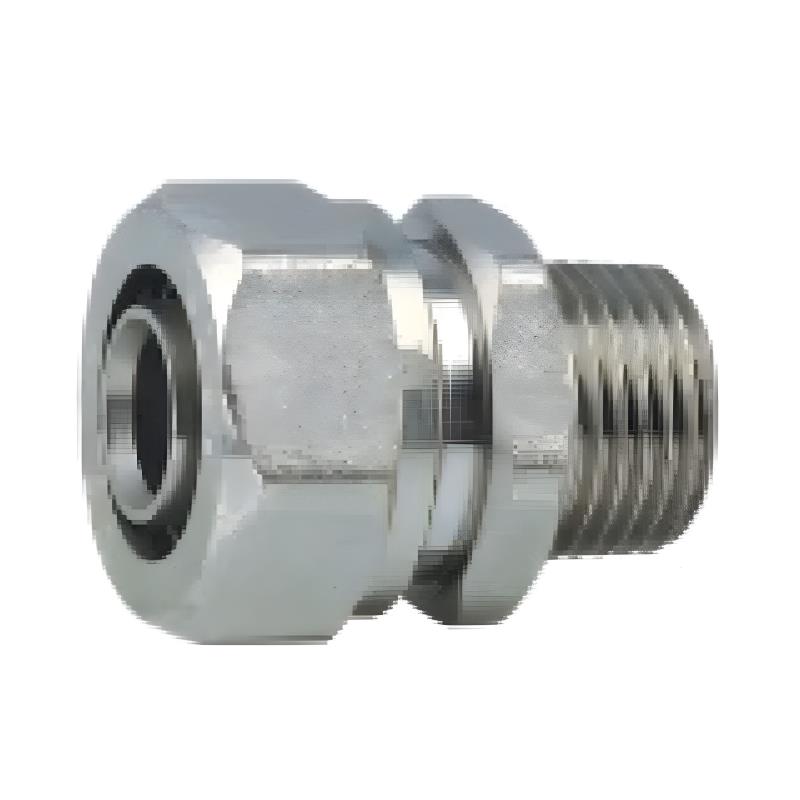
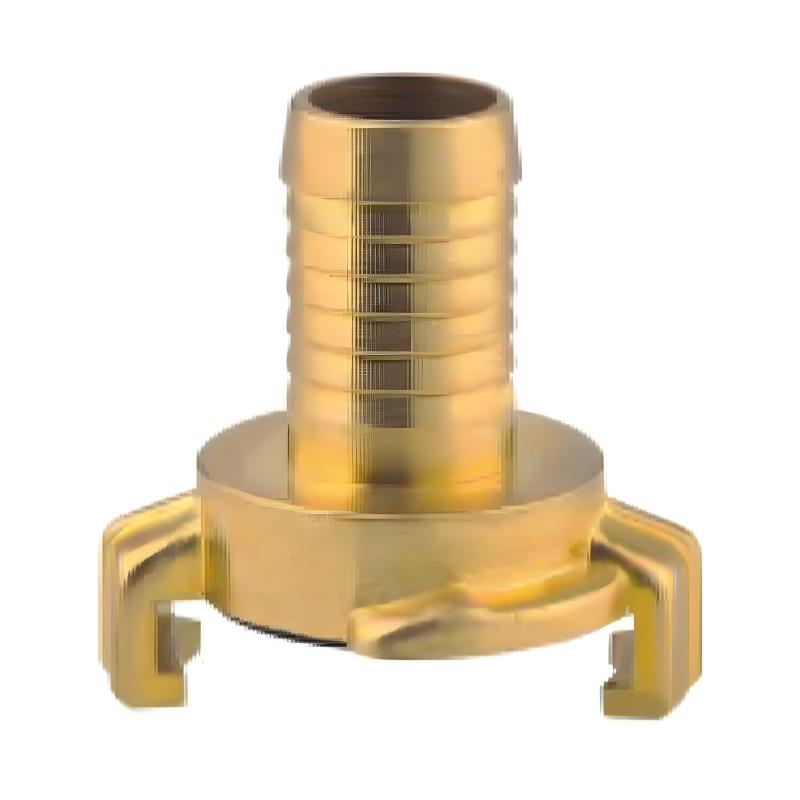
A Quick Joint is an advanced plumbing fitting that simplifies the process of connecting pipes and tubes in various systems. Known for its efficiency, it allows for easy assembly and disassembly without the need for special tools, heat, or adhesives. In this article, we will explore what a Quick Joint is, its benefits, and how it is used in plumbing systems.
The Basics of a Quick Joint
At its core, a Quick Joint is a type of coupling used in piping systems to connect two sections of pipe quickly and securely. Unlike traditional fittings that require welding, threading, or glue, Quick Joints offer a faster, tool-free connection. These fittings are commonly made of durable materials such as plastic or metal, depending on the application. The simplicity of the design makes them suitable for a wide range of industries, including plumbing, HVAC, and water distribution systems.
How Quick Joints Simplify Pipe Installations
The primary advantage of using a Quick Joint is the ease and speed of installation. In traditional plumbing systems, installing a pipe often requires specialized tools and expertise. However, with a Quick Joint, you can quickly connect pipes by pushing the ends into the fitting, and the fitting automatically locks them in place. This process eliminates the need for welding or screwing, making it ideal for quick repairs or temporary installations.
In commercial and residential plumbing systems, the time-saving aspect of the Quick Joint is invaluable. For contractors, this means shorter project timelines and reduced labor costs. For DIY enthusiasts, it simplifies the process of installing or modifying a plumbing system without requiring professional help.
Benefits of Using Quick Joints in Plumbing
One of the key benefits of using a Quick Joint is its ability to provide leak-proof connections. Since these fittings lock into place, they are less prone to loosening or leaking over time, which can be a common issue with traditional plumbing joints. Moreover, Quick Joints are available in a variety of sizes and materials, allowing for versatility in different plumbing systems.
Another benefit is the reusability of Quick Joints. If you need to change the layout of your pipes, you can easily disconnect the Quick Joint and reuse it without damaging the fitting. This makes them highly cost-effective, especially in applications where pipes are frequently modified or serviced.
How Quick Joints Improve System Durability
The quick installation process doesn’t compromise the durability of the plumbing system. In fact, Quick Joints are designed to withstand high-pressure systems, ensuring that they remain stable even in challenging environments. Whether you are working with water, gas, or air, Quick Joints can maintain a secure connection that will not weaken over time.
For industries that rely on efficient piping systems, such as manufacturing or HVAC systems, Quick Joints provide peace of mind by reducing the likelihood of leaks or disruptions in the flow of materials. Their reliable performance under pressure makes them a trusted choice for both small and large-scale installations.
Installing a Quick Joint: A Simple Process
Installing a Quick Joint is as simple as sliding the pipe into the fitting and allowing the internal mechanism to lock the pipe in place. To disconnect the Quick Joint, you simply press a release mechanism and pull the pipe out. There’s no need for additional tools or adhesives, which speeds up the installation process considerably.
For plumbing projects where speed is crucial, the Quick Joint offers a hassle-free solution. It’s a highly practical option for anyone looking to upgrade or repair their plumbing system quickly, without sacrificing the integrity of the connection.
Cost-Effectiveness of Quick Joints
Although Quick Joints may initially appear to be a higher upfront investment compared to traditional fittings, their durability and ease of use make them a cost-effective solution in the long run. Since they are reusable and require minimal maintenance, you can save money on repairs and replacements. Moreover, the time saved on installation reduces labor costs, making them an attractive option for both professional plumbers and DIY homeowners.