+86-13989680588
 graylin@hongjiavalve.com
 Get a quote

 English
 русский
 Deutsch
Submit feedback
Precision Flow Solutions for Angle Valve Factory Systems
Author: Hongjia
Date: Apr 17, 2026
Why Are Angle Valves Important in Fluid Systems
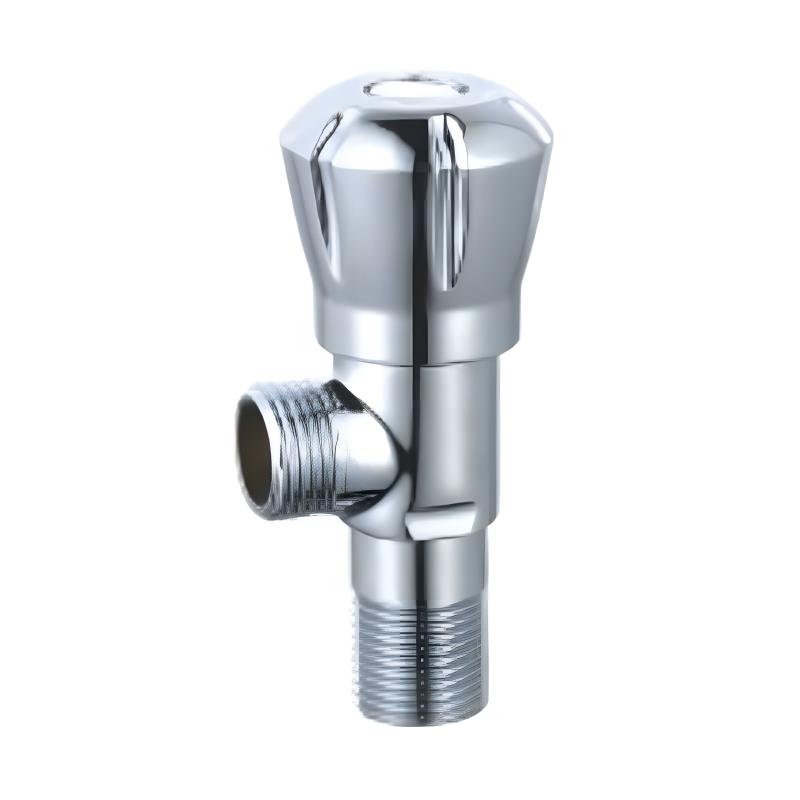
The angle valve Factory focuses on producing valves designed to control fluid direction at a 90-degree angle. The angle valve Factory plays a key role in systems where space efficiency and directional flow control are required. These valves are commonly used in plumbing networks, industrial pipelines, and equipment that requires compact installation layouts.
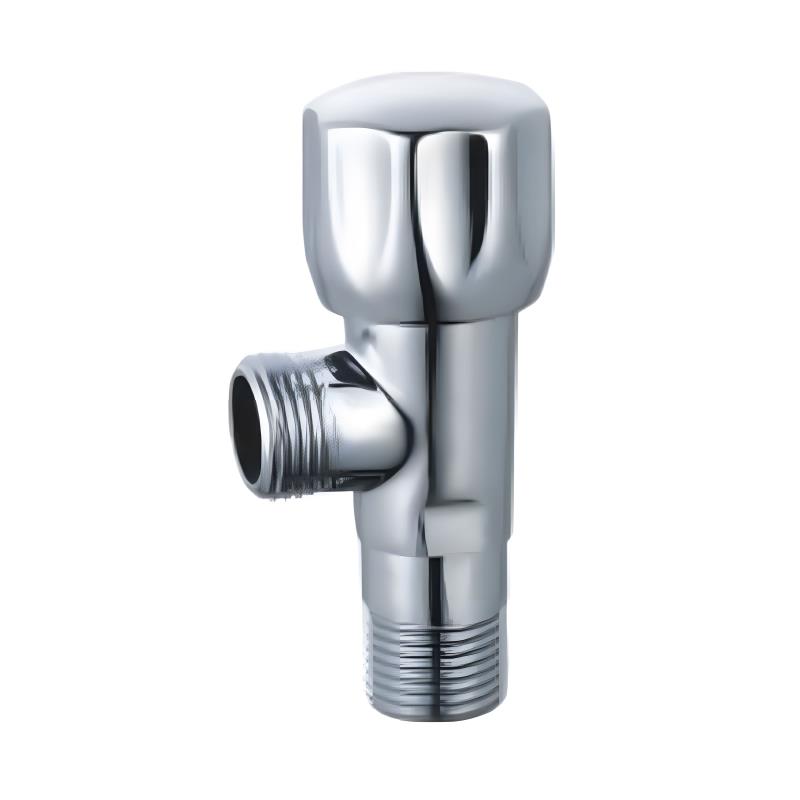
The angle valve Factory develops products that allow smooth regulation of flow while minimizing pressure loss and maintaining stable operation in confined environments.
How Does the Manufacturing Process Take Shape
At the angle valve Factory, production begins with raw material selection and component shaping through forging or machining. Valve bodies, stems, and internal components are formed with attention to dimensional accuracy.
The angle valve Factory organizes manufacturing into stages including machining, threading, surface finishing, assembly, and inspection. Each stage ensures that components align properly and function together without interference during operation.
What Materials Are Typically Used
Material selection at the angle valve Factory is based on durability and resistance to environmental factors. Common materials include stainless steel, brass, and alloy-based metals that can withstand pressure and contact with various fluids.
The angle valve Factory evaluates materials for mechanical strength, corrosion resistance, and stability under temperature changes. These characteristics help maintain long-term functionality and reduce the risk of degradation during use.
How Is the Valve Structure Designed
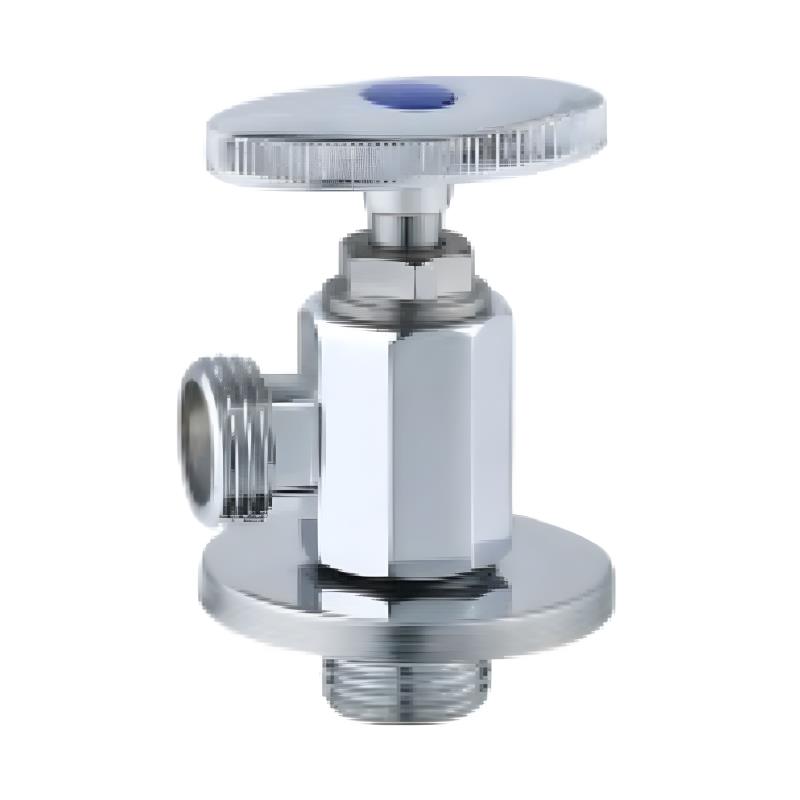
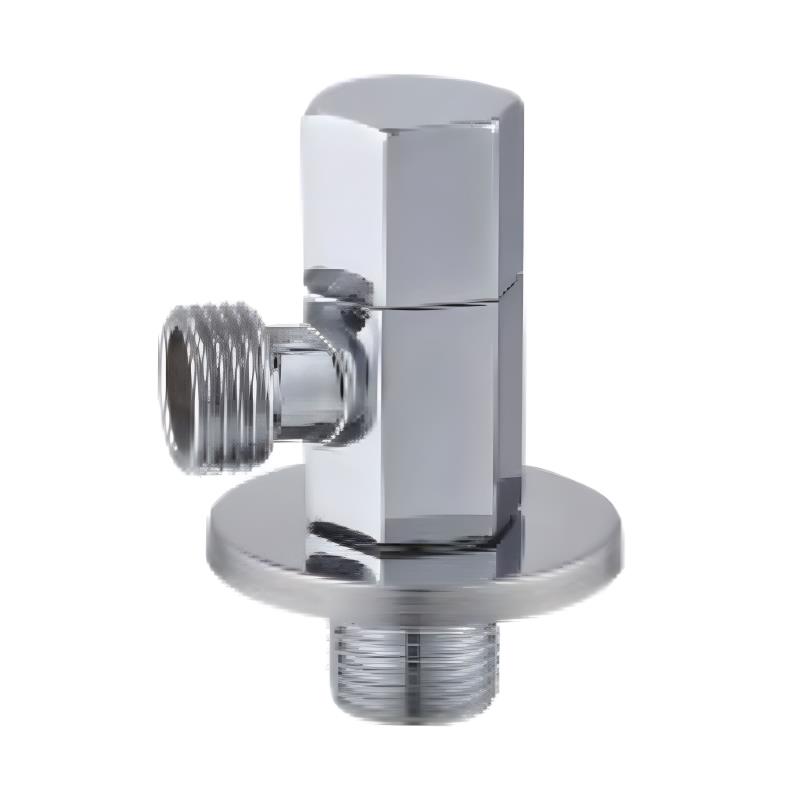
The angle valve Factory designs valves with an angled body that redirects flow through a 90-degree path. This structure allows installation in tight spaces while still supporting efficient fluid control.
Inside the valve, components are arranged to ensure proper alignment between the sealing element and the flow channel. The angle valve Factory focuses on maintaining a balanced internal structure that supports smooth operation and consistent performance.
What Role Do Sealing Components Play
Sealing performance is a critical aspect of the angle valve Factory products. Seals are positioned to prevent leakage between internal components and external connections.
The angle valve Factory selects sealing materials that can maintain contact under pressure while resisting wear over time. Proper sealing contributes to stable operation and helps maintain system integrity in fluid control applications.
Are There Different Variants Available
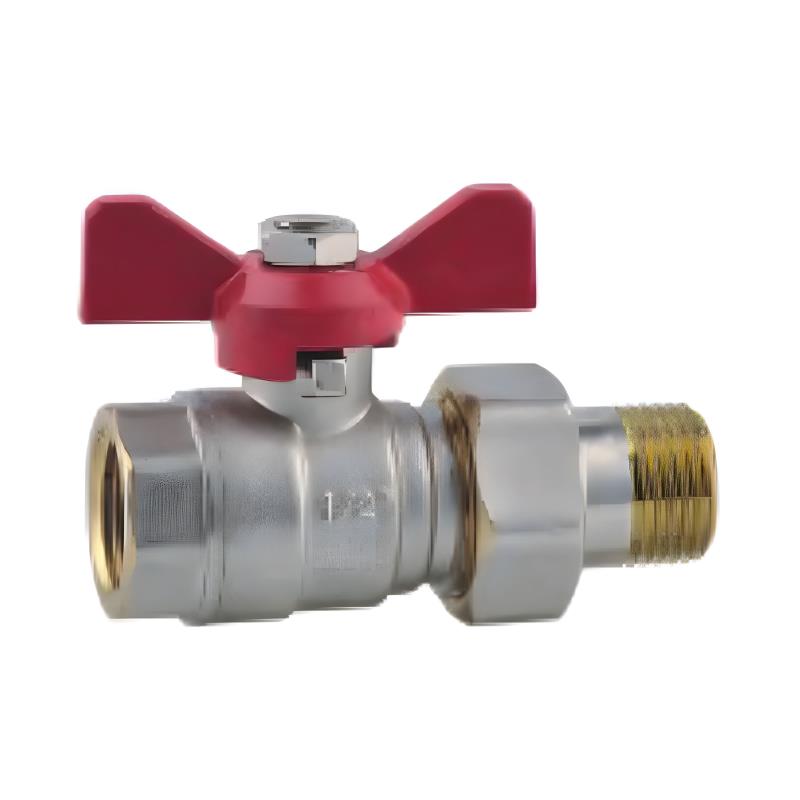
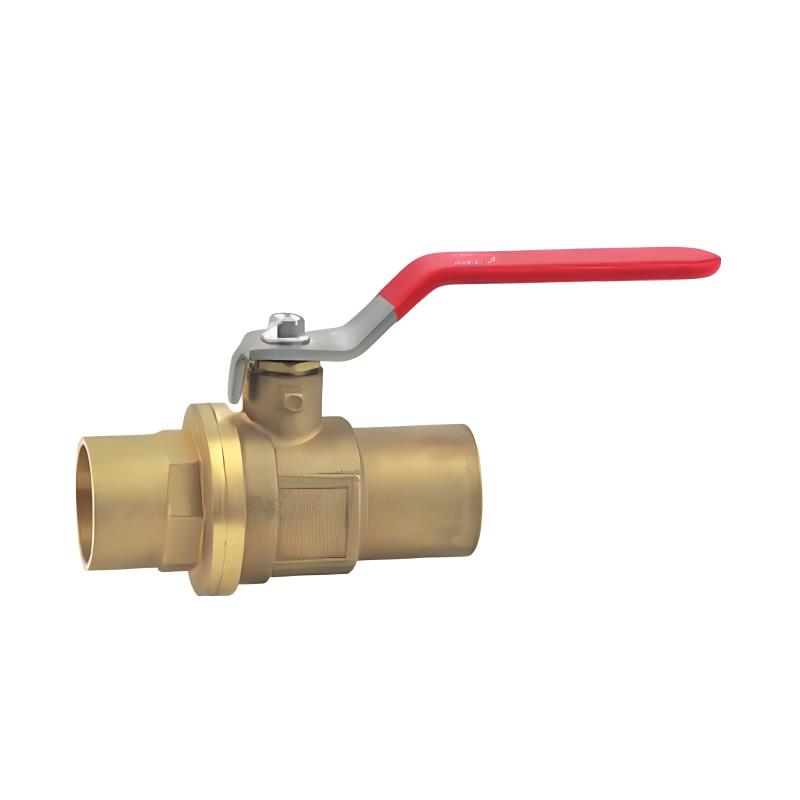
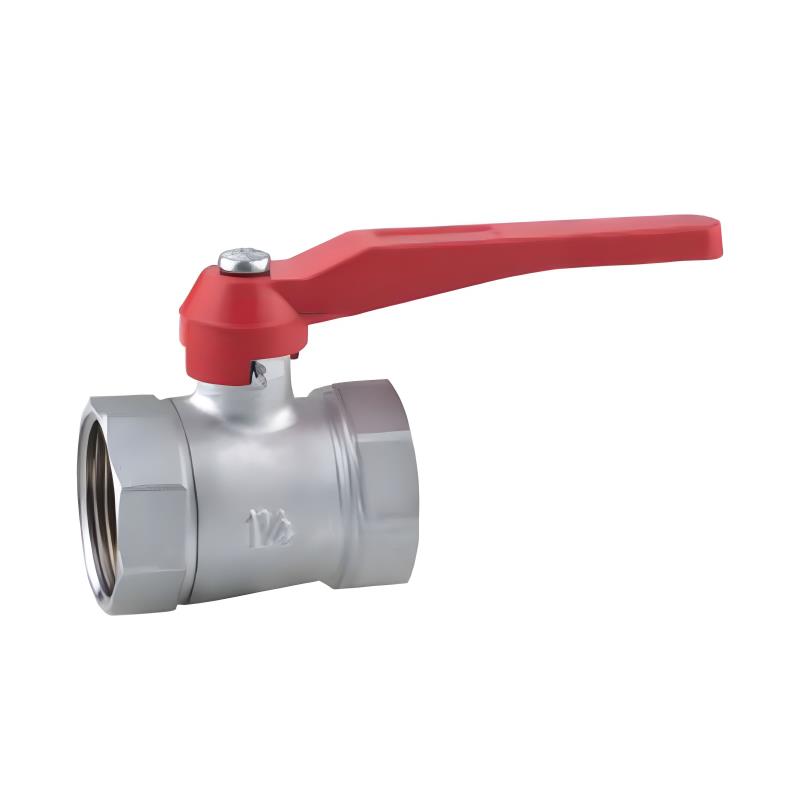
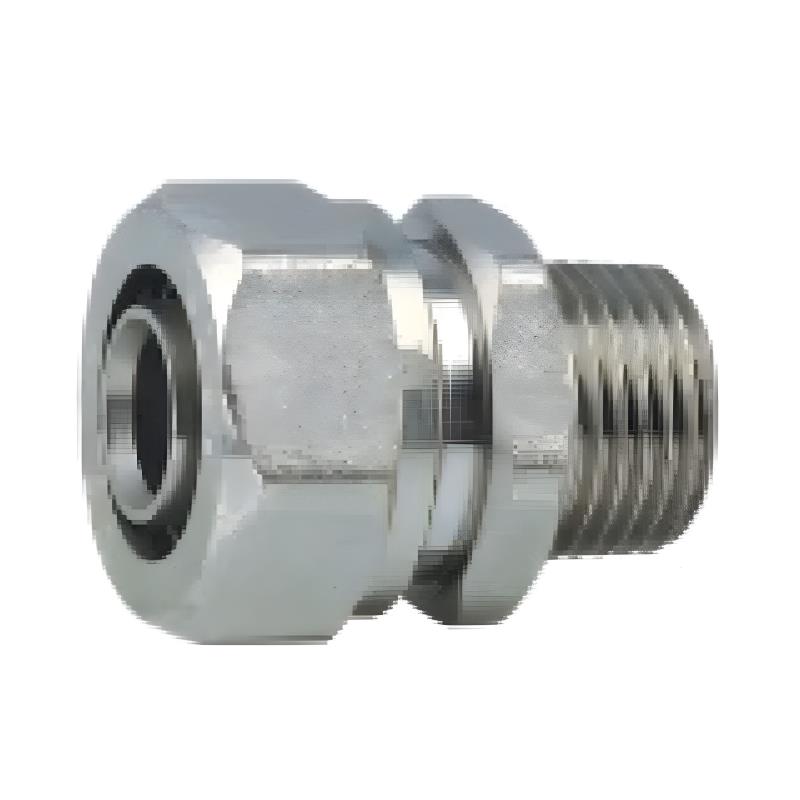
The angle valve Factory produces a range of variants to meet different installation and operational requirements. Variations may include threaded connections, compression fittings, and different valve sizes.
Customization at the angle valve Factory allows adjustments in dimensions, material composition, and connection types. These options support compatibility with various piping systems and application environments.
How Is Quality Maintained During Production
Quality control is an important part of operations at the angle valve Factory. Each valve undergoes inspection to verify dimensions, surface finish, and assembly alignment.
Testing procedures at the angle valve Factory may include pressure testing and leakage checks to confirm functional reliability. Consistent inspection ensures that each unit performs according to expected operational standards.
Where Are Angle Valves Commonly Used
Products from the angle valve Factory are used in residential plumbing, industrial fluid systems, HVAC installations, and machinery requiring controlled fluid direction. Their compact structure makes them suitable for installations where space is limited.
The angle valve Factory supports applications that require reliable shut-off and directional control, making these valves adaptable to a variety of system designs.
What Defines the Value of Angle Valve Manufacturing
The angle valve Factory contributes to fluid control systems by providing components that combine compact design with stable performance. Its manufacturing approach emphasizes precision machining, consistent assembly, and adaptable product configurations.
By maintaining structured production processes and offering multiple design options, the angle valve Factory supports diverse operational requirements across different industries.
For more information on angle valve Factory, visit our product page and learn how this innovative technology can support your fluid control requirements.